

Wooden Overmantel Mirror
A wooden overmantel mirror anchors a fireplace, bringing depth and period character to a room through timber and glass.
Wooden Overmantel Mirror
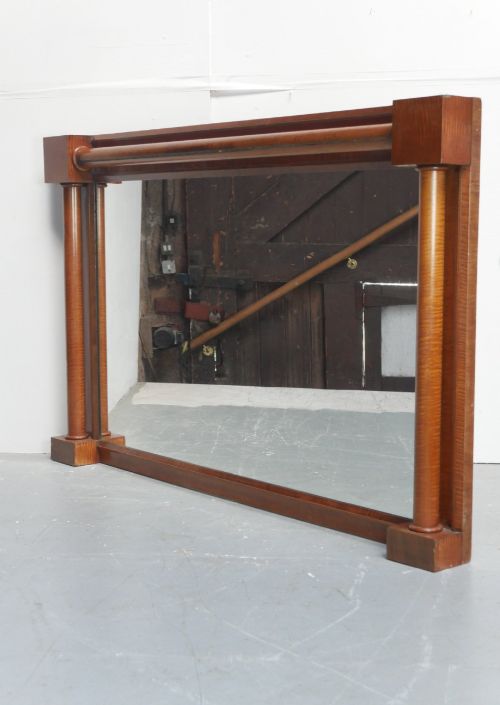
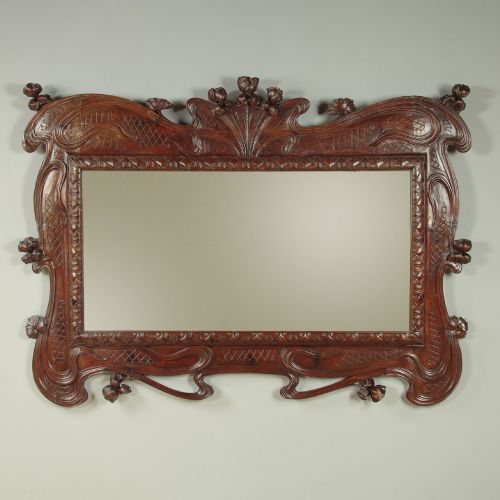
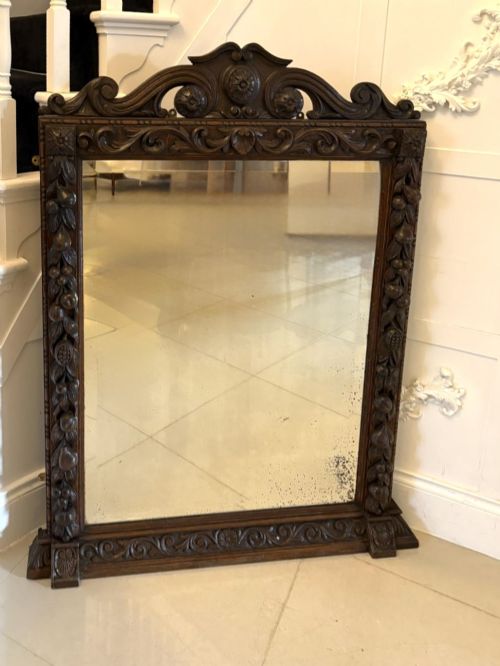
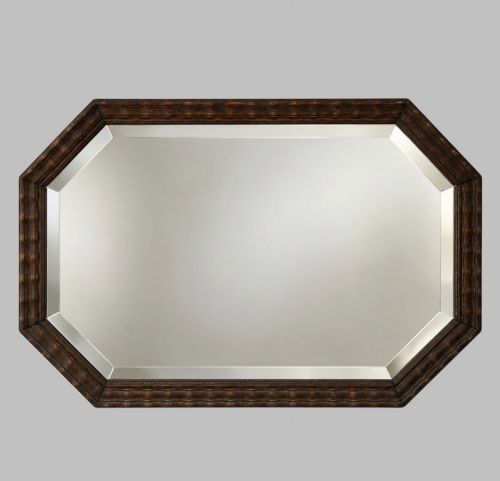
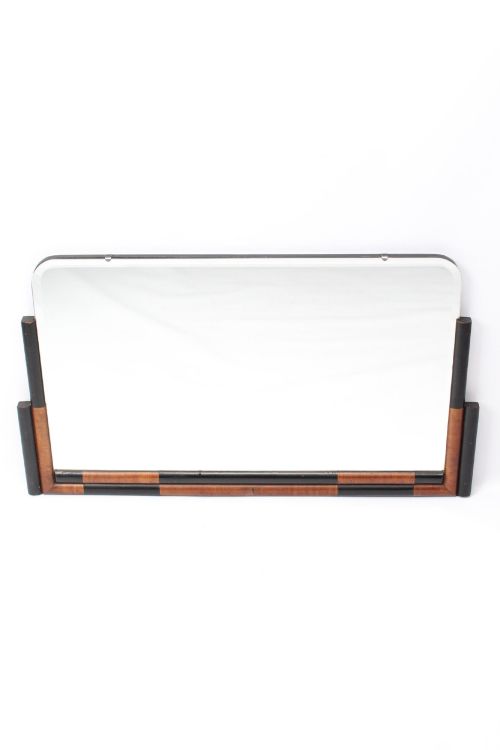
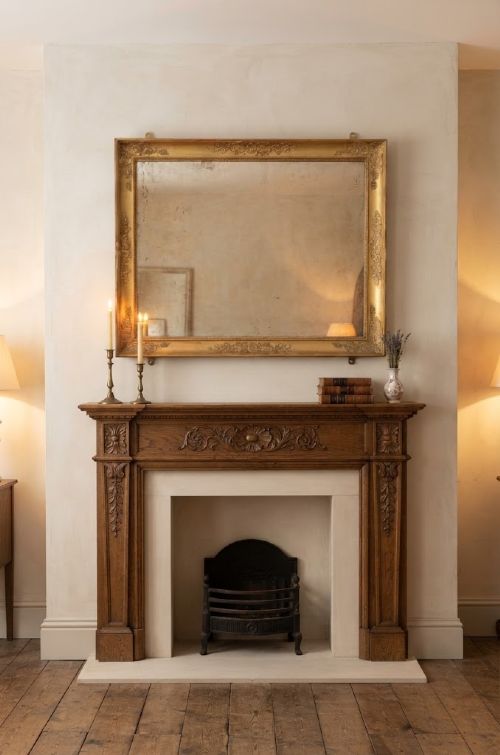
A wooden overmantel mirror is designed specifically to sit above a fireplace mantel, reflecting light and filling the vertical space of a chimney breast. When you search for a wooden overmantel mirror, you encounter pieces that range from substantial oak frames of the nineteenth century to lighter Edwardian rosewood designs and geometric Art Deco forms.
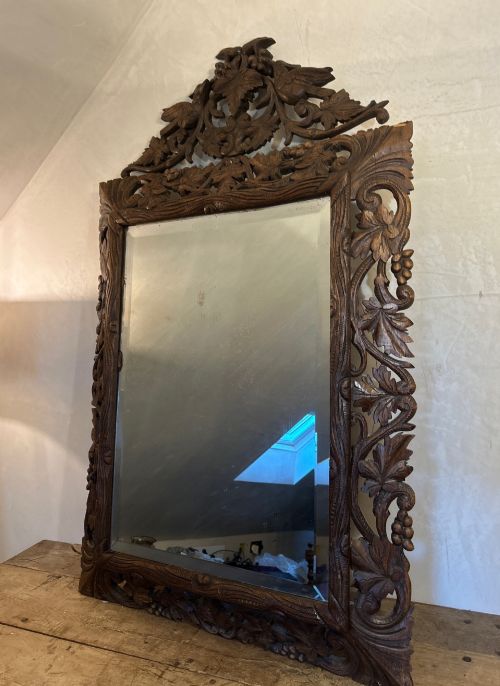
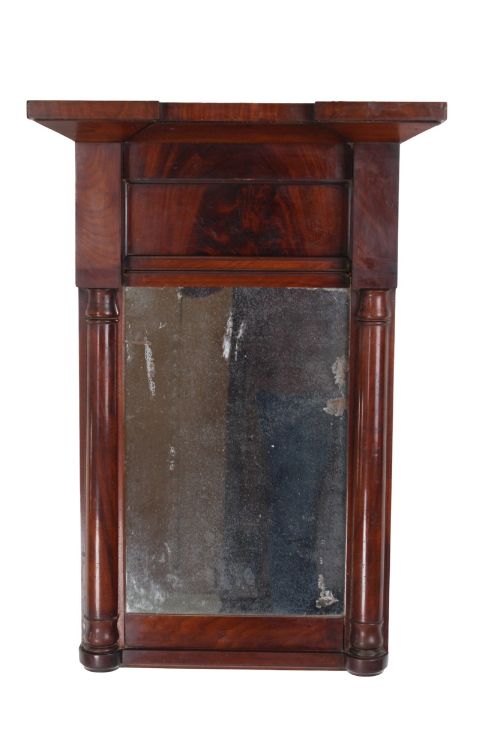
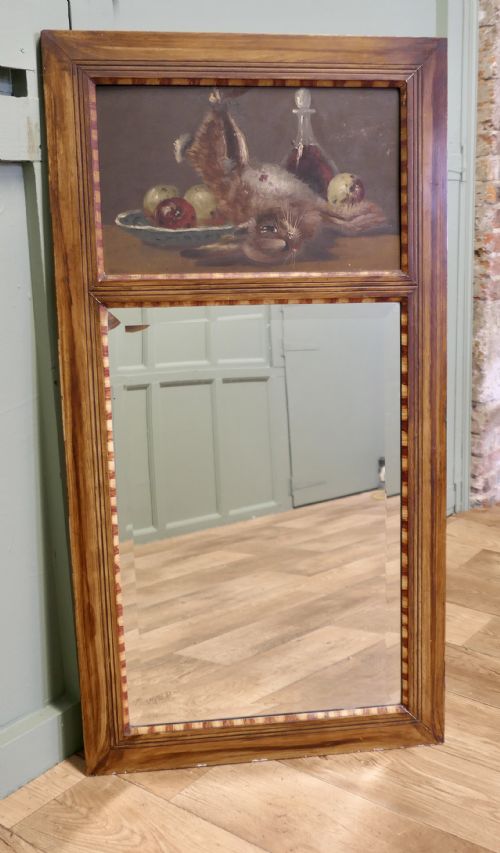
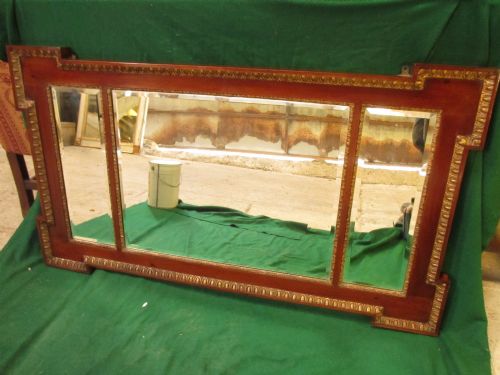
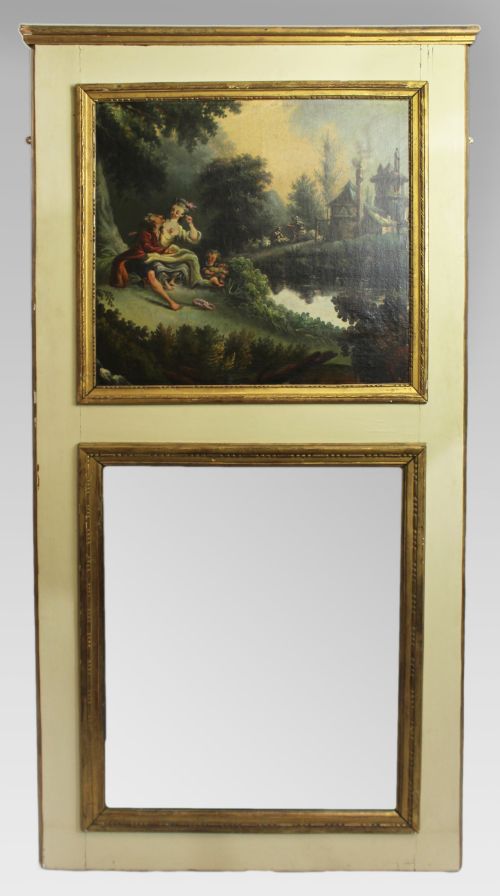
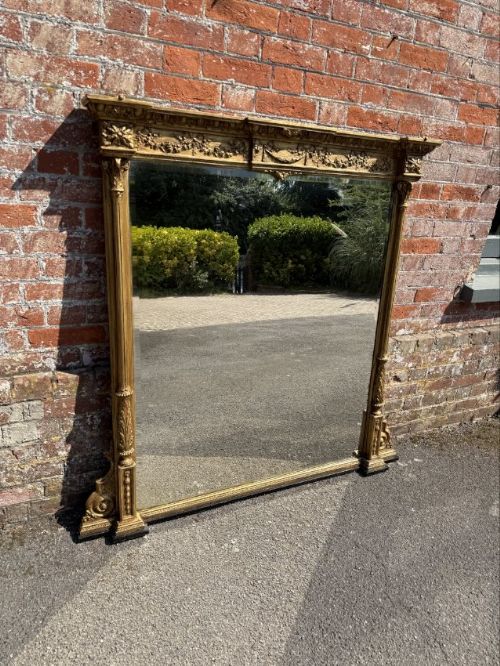
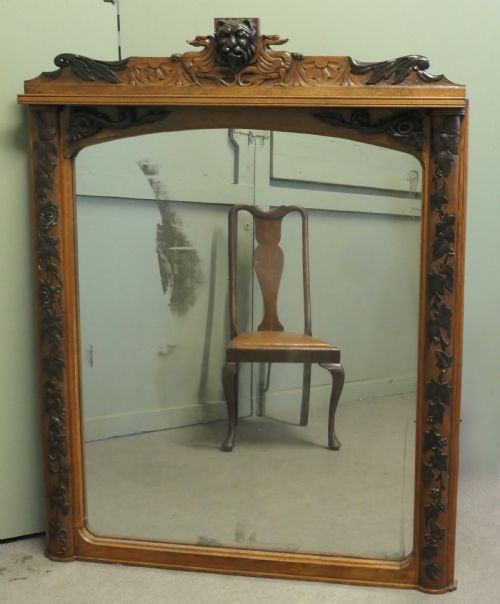
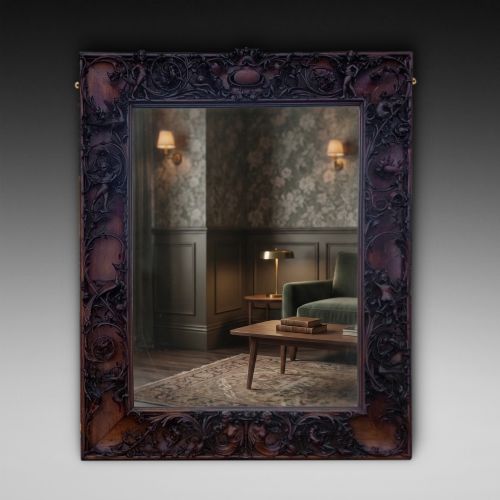
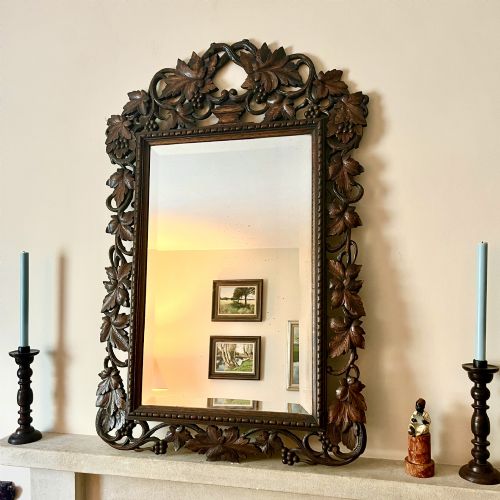
The most common versions met on this page span the Victorian and late nineteenth-century periods, often executed in carved oak, walnut, or mahogany. These objects vary from restrained rectangular mouldings to grand triptychs with cresting, French trumeau styles incorporating pastoral oil paintings, and giltwood combinations.
Origin and form dictate the character of each piece, drawing on regional British cabinet-making traditions alongside French stylistic influences such as rococo and trumeau formats. Buyers select them to restore period proportions to a reception room or to serve as a focal point above a hearth.
How They Were Made
Timbers such as oak, mahogany, walnut, and rosewood form the structural foundation of these pieces, often joined using traditional cabinet-making methods suitable for large wall-hanging frames. Carvers worked directly into the solid wood or applied moulded gesso details to create ornate crests, columns, and floral motifs.
Giltwood elements involve applying thin gold leaf over a prepared gesso and bole ground on wood, while other surfaces rely on polished French polish or ebonised finishes. Glass plates, sometimes bevelled or arranged in triple and triptych configurations, are secured into the rebate of the frame at the back.
Listings feature wooden overmantel mirrors spanning the Regency period through the Art Deco era, utilising oak, mahogany, walnut, rosewood, and giltwood.
What Varies in Quality
Depth of carving and sculptural ambition separate standard frames from exceptional examples, distinguished by crisp undercutting on motifs like ho-ho birds, mythological figures, and acanthus leaves. The choice of primary timber, such as figured mahogany or quarter-sawn oak, influences the visual richness of the surface.
Integration of secondary elements, including original mercury or bevelled mirror plates, hand-painted trumeau panels, and intact giltwood gesso, determines the integrity of the piece. Superior workshop attribution, such as work linked to makers like Waring and Gillow or Liberty, elevates the standing of an overmantel.
Waring and Gillow·Liberty and Co
The Wooden Overmantel Mirror Glossary
- Overmantel mirror
- A large mirror specifically proportioned to hang on the wall directly above a fireplace mantelpiece. These pieces often feature wide wooden frames designed to balance the hearth below.
- Trumeau mirror
- A tall wall mirror incorporating a painted panel or an oil painting above the glass plate. Originating in France, they frequently feature pastoral or mythological scenes.
- Gesso
- A plaster-like mixture applied to wood frames as a base for carving or gilding. It allows for intricate moulded ornamentation that timber alone cannot easily achieve.
- Pier mirror
- A tall mirror designed to hang on the narrow section of wall between two windows. They share stylistic traits with overmantels but are proportioned for vertical wall spaces.
- Triptych
- A mirror divided into three separate panels, often with a larger central glass flanked by narrower wings. This configuration is common in large Victorian overmantels.
- Chippendale Revival
- A late nineteenth-century style replicating the mid-eighteenth-century designs of Thomas Chippendale. It frequently incorporates fretwork, rococo scrolls, and asymmetric motifs.
Wooden Overmantel Mirror: Frequently Asked Questions
How do I hang a heavy overmantel mirror safely?
Due to the substantial weight of solid timber and glass plates, these mirrors require secure fixing directly into wall studs or masonry using heavy-duty brackets. Professional installation ensures the frame is properly supported and balanced above the fireplace.
The weight distribution must be shared evenly across the fixing points to prevent strain on the antique frame joints. Wall construction dictates the choice of fixings, whether using heavy screws in wood studs or appropriate wall anchors in brick.
Can overmantel mirrors be placed on the mantel or hung above it?
Historically, many overmantels were designed to rest directly on the wooden mantel shelf while being anchored to the wall for stability. Others are hung entirely from the wall at a deliberate height above the shelf.
Resting the frame on the mantel creates a traditional aesthetic where the base of the mirror interacts directly with the fireplace shelf. Hanging them allows precise control over the vertical alignment in relation to ceiling height.
How do I tell a Victorian overmantel from an Edwardian one?
Victorian overmantels tend to feature heavier carved oak or walnut frames with deep mouldings, rich ornamentation, and often triple plate configurations. Edwardian examples frequently showcase lighter rosewood timbers, marquetry inlay, and simpler geometries.
The progression from Victorian exuberance to Edwardian refinement reflects changing domestic tastes towards airier, lighter interior decoration. Looking at the backboards, construction techniques, and secondary woods helps clarify the period of manufacture.
What is the difference between an overmantel and a wall mirror?
Overmantel mirrors are specifically proportioned in a landscape or elongated format to match the width of a fireplace breast. General wall mirrors are designed with square or vertical proportions suited to independent wall spaces.
The horizontal layout of an overmantel balances the horizontal plane of the mantelpiece below it. Their scale is typically larger than standard wall mirrors to anchor the focal point of the reception room.