

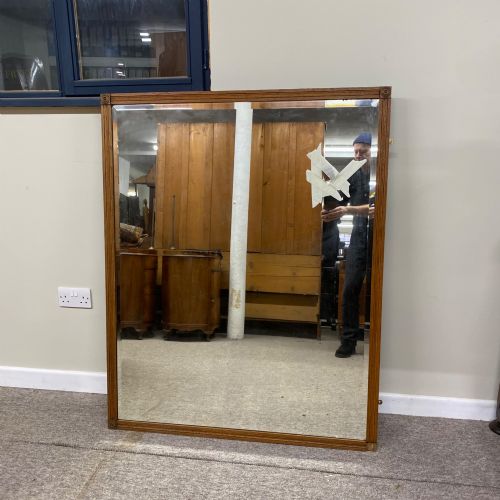
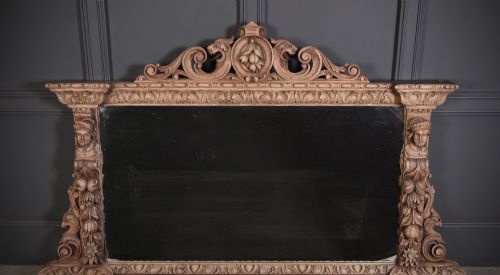
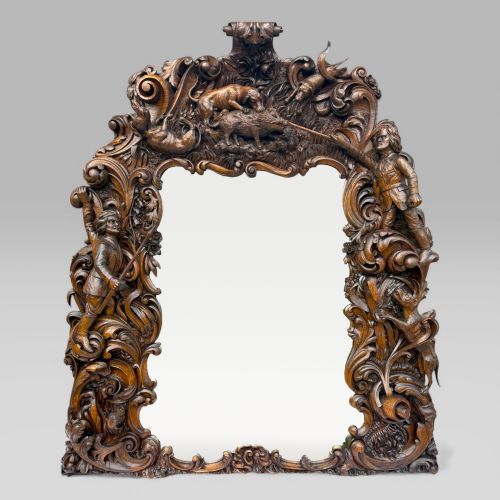


Carved Oak Mantel Mirror
These heavy carved oak mantel mirror pieces bring architectural presence and deep grain character to a room, exactly as they did in Victorian interiors.
Carved Oak Mantel Mirror
When you search for a carved oak mantel mirror, you encounter substantial overmantel and wall mirrors built during the nineteenth and early twentieth centuries. These pieces appear in styles ranging from Victorian Gothic and French Renaissance Revival to Art Nouveau and Jacobean Revival, reflecting the period taste for heavy wooden frames.
The version you are most likely to meet on this page is the large overmantel mirror designed to sit above a fireplace, often featuring prominent architectural mouldings. Pieces span from the 1880s through to the 1920s, utilising solid oak construction alongside walnut and mirror glass.
Beyond standard overmantel formats, the selection includes wall mirrors and fire surrounds incorporating carved wooden frames. The heavy timber construction defines the category, anchoring domestic spaces with dark oak surfaces and carved ornamentation.
What varies in quality
The depth and execution of the wood carving separate standard framing from exceptional craftsmanship. Sculptural elements like green man masks, lions, and mythical serpents demonstrate the carver's hand more clearly than repetitive stamped patterns.
Proportion and timber selection dictate the overall presence of the object. Fine pieces utilise richly grained oak or pollard oak with balanced architectural surrounds that complement the heavy glass plates they house.
Carved Oak Mantel Mirror Retail Price Guide 2026
Typical asking prices for carved oak mantel mirror among the pieces listed under this phrase on Sellingantiques today, from the lower quarter to the upper quarter. They describe what is for sale here now, not the wider market.
Materials recorded across the inventory include solid oak, pollard oak, walnut, and glass.
The Carved Oak Mantel Mirror Glossary
- Overmantel mirror
- A large mirror specifically designed to hang or stand on the mantelpiece above a fireplace. These frames frequently incorporate architectural elements like columns and pediments.
- Pollard oak
- Oak timber taken from trees that were pollarded, producing a highly figured and knotted wood grain prized for decorative panels and frames.
- Green man
- A sculptural motif representing a face made of or entwined with leaves and vines, commonly found carved into Victorian and Gothic woodwork.
- Pediment
- The triangular or curved architectural crowning feature at the top of a mirror frame or piece of furniture.
- Renaissance Revival
- A nineteenth-century design style drawing inspiration from classical architecture and sixteenth-century European ornamentation, visible in heavy carved details.
Carved Oak Mantel Mirror: Frequently Asked Questions
How do I hang a heavy oak overmantel mirror safely?
These large oak frames carry considerable weight due to the solid timber construction and thick glass. Secure the piece directly into wall studs using heavy-duty mirror brackets or a French cleat system rated for substantial loads.
Verify that the hanging wire or integrated mounting points on the back of the frame are structurally sound before installation. Professional wall anchoring ensures the mirror remains secure above a mantelpiece.
What periods do these mirrors come from?
The available pieces originate primarily from the nineteenth and early twentieth centuries. Common eras represented include the Victorian period, the 1880s, around 1900, and up to the 1920s.
Design characteristics align with these dates, showing shifts from Victorian Gothic and French Renaissance Revival to Art Nouveau and Jacobean Revival styles.
Where were carved oak mirrors displayed originally?
Homes from the Victorian era and early twentieth century positioned these large mirrors above domestic fireplaces to reflect light and visually expand the room. Hunting lodges and formal reception rooms frequently featured substantial overmantel mirrors with carved iconography.
The architectural scale of the frames meant they served as the visual centrepiece of the mantel wall, often matching other dark oak furniture in the interior.
How do I clean an antique carved oak frame?
Dust the deep recesses of the carved wooden decoration regularly using a soft-bristled brush to prevent particulate buildup. Avoid using modern chemical polishes that can leave residue on the aged oak grain.
Maintain the timber by applying a small amount of traditional beeswax sparingly, buffing gently with a soft cloth to protect the surface without altering the finish.
What is pollard oak?
Pollard oak is a timber harvested from trees that were cut back close to the trunk to encourage dense branch growth, which produces a distinctive clustered grain pattern. Cabinet makers valued this wood for its complex visual texture.
Frames built from pollard oak exhibit swirling patterns and rich tonal variations that set them apart from straight-grained oak pieces.