



Wooden Occasional Table Set
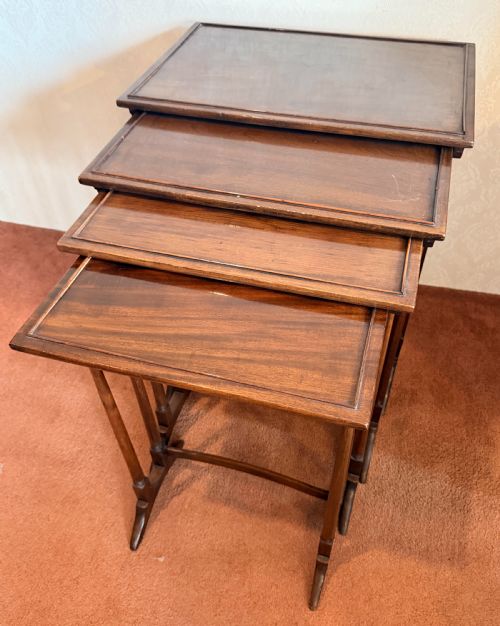
A wooden occasional table set offers clever, space-saving surface space that tucks neatly away until guests arrive.
Wooden Occasional Table Set
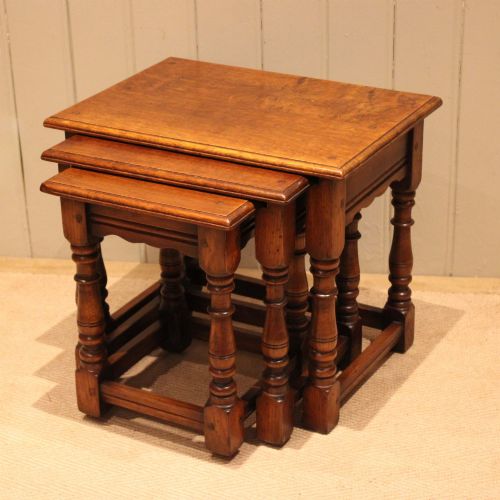
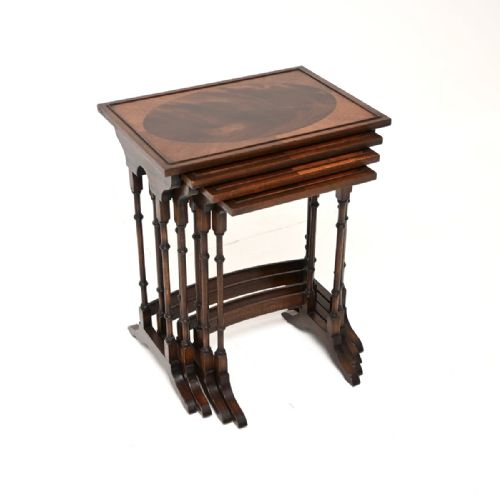
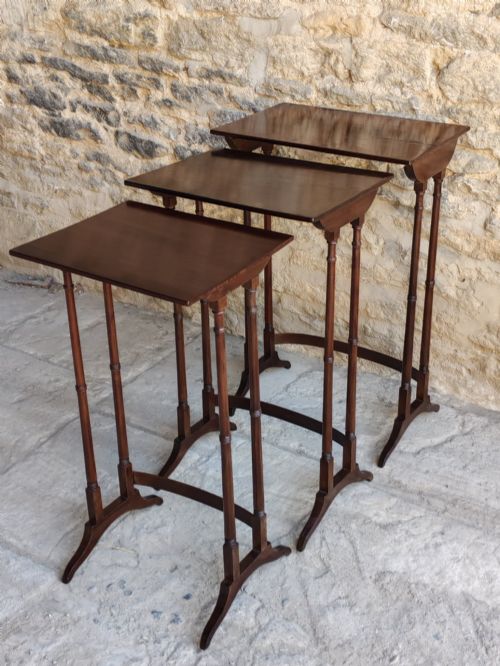
A wooden occasional table set comprises multiple smaller tables designed to slide one beneath another into a single compact footprint. These pieces appear in forms such as nests of tables and quartetto sets, originating across periods from the Georgian era through the Edwardian years and into the 1930s. The most common version met on this page is the Edwardian mahogany nest of four tables, often enhanced with satinwood inlay.
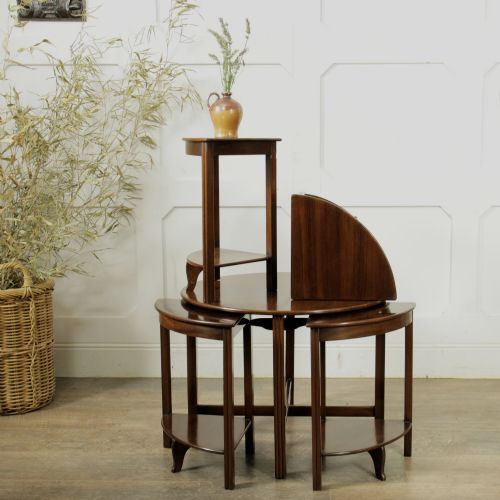
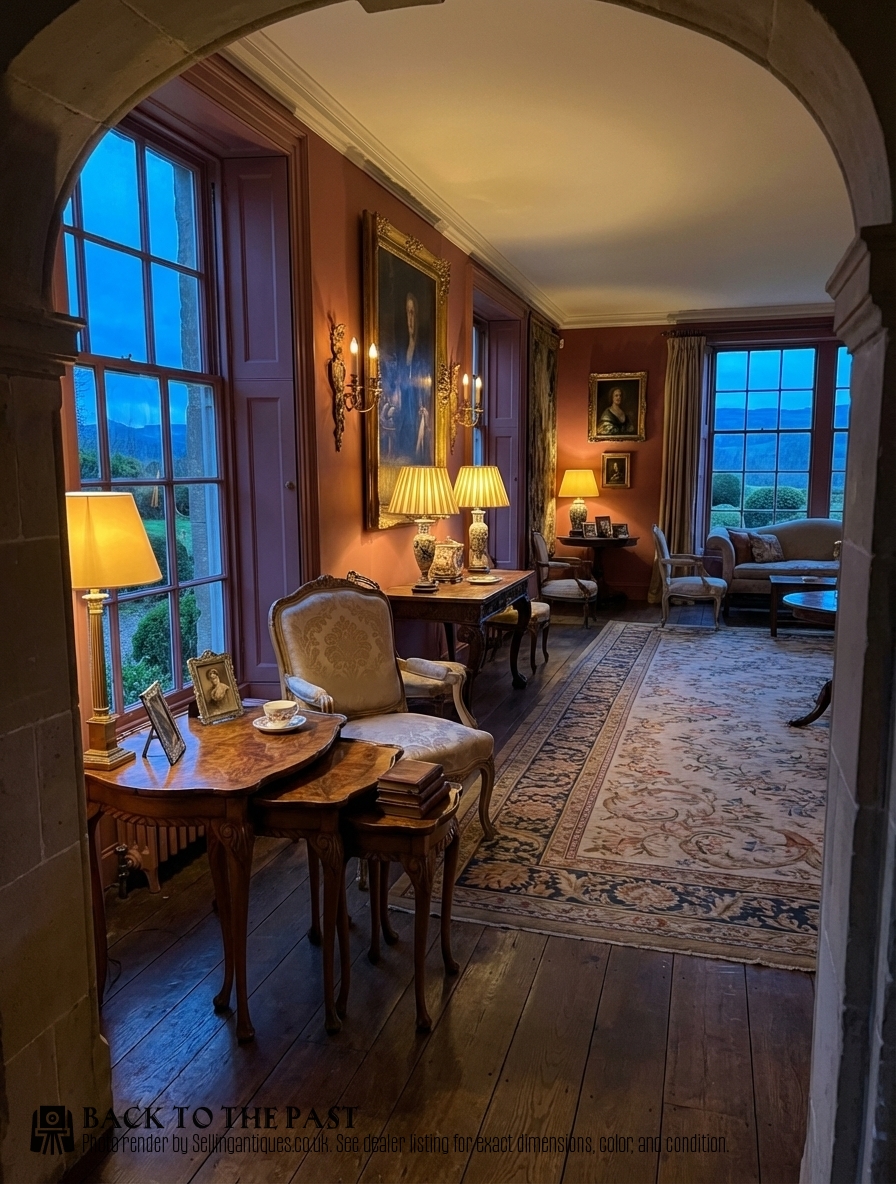
Makers and workshops across these periods utilised various timbers, producing designs ranging from English Country oak to Regency rosewood and Art Deco walnut. Buyers encounter sets containing three, four, or five tables, shaped in rectangular, circular, and oval formats. This modular grouping provides flexible utility for coffee, lamp, wine, or side table arrangements in a sitting room.
How they were made
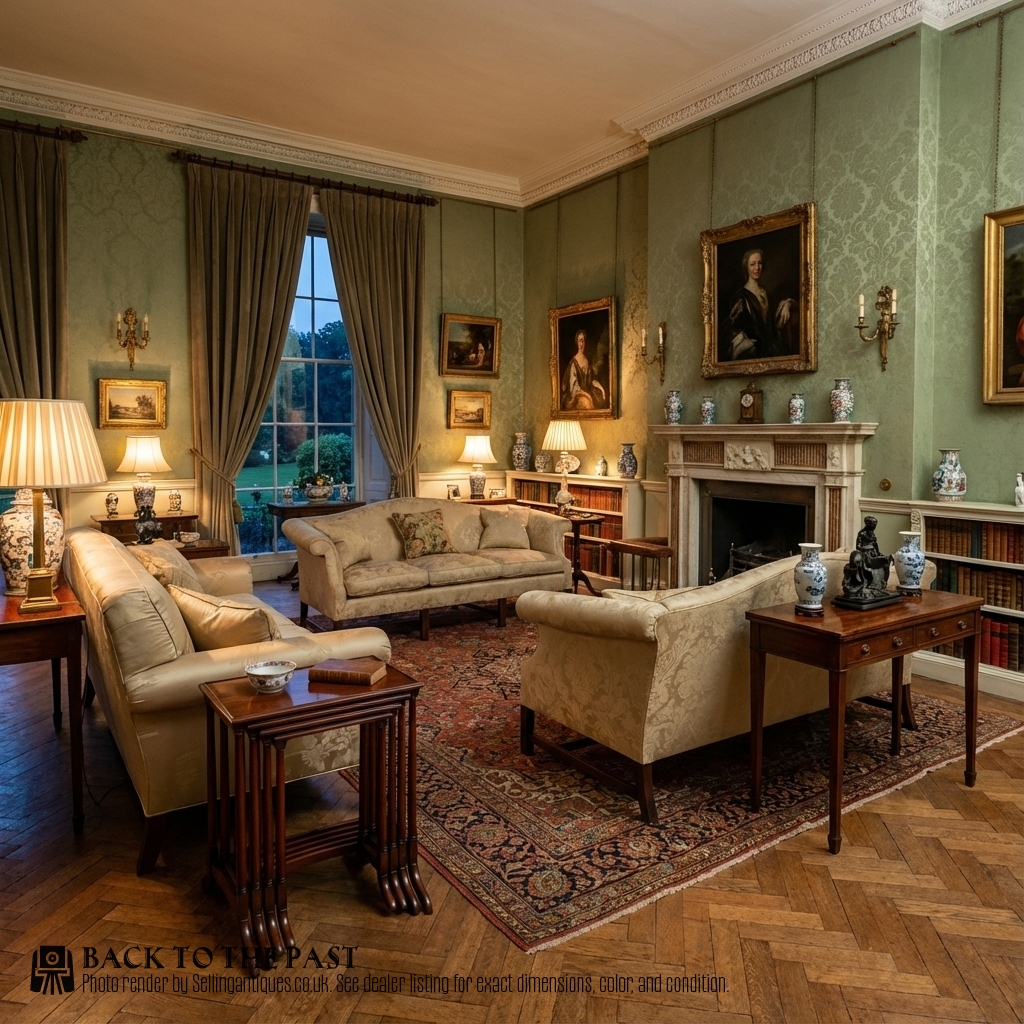
Cabinet makers built these sets using solid timbers and veneered surfaces, choosing woods such as mahogany, oak, walnut, teak, and satinwood. Selected pieces incorporate burr walnut, amboyna, or delicate satinwood inlay to create decorative contrast on the table tops.
Construction relies on traditional joinery techniques suited to stacking furniture, ensuring each smaller table slides smoothly into the frame of the next. Frames incorporate turned legs, slender supports, and occasionally carved details depending on the stylistic period.
Wooden Occasional Table Set Retail Price Guide 2026
Typical asking prices for wooden occasional table set among the pieces listed under this phrase on Sellingantiques today, from the lower quarter to the upper quarter. They describe what is for sale here now, not the wider market.
One set even crosses continents, offering a Chinese hardwood nest alongside traditional British mahogany designs.
What varies in quality
The standard of timber selection and decorative detail distinguishes different examples within this group. Finer pieces display carefully matched grain patterns, such as figured mahogany or burr walnut, alongside precise satinwood inlay work.
Structural integrity and the precision of the nesting mechanism mark the difference between standard production and superior work. A well-constructed set aligns evenly when stacked and maintains stability across every individual table in the group.
Heal's
The Wooden Occasional Table Set Glossary
- Quartetto
- A matched set of four stackable occasional tables designed to fit together. This term appears frequently in Edwardian and Regency descriptions.
- Nest of Tables
- A group of graduated tables that slide under one another for compact storage. They serve various domestic functions as side or coffee surfaces.
- Burr Walnut
- Timber taken from the warted growths of walnut trees, yielding highly figured grain patterns. Cabinet makers utilised this material for decorative table tops.
Wooden Occasional Table Set: Frequently Asked Questions
What is a quartetto table set?
A quartetto set consists of four graduate tables designed to slide neatly beneath each other. They function as flexible side tables in sitting rooms.
Originating in earlier periods, these sets became particularly popular during the Edwardian era in mahogany and walnut.
How do I use a nesting table set?
These tables stack together to occupy the floor space of a single small table. You pull them out individually when extra surface area is needed for drinks or books.
They sit easily beside armchairs or sofas and pack away flat when the room requires more space.
How do I tell Edwardian tables apart from Victorian ones?
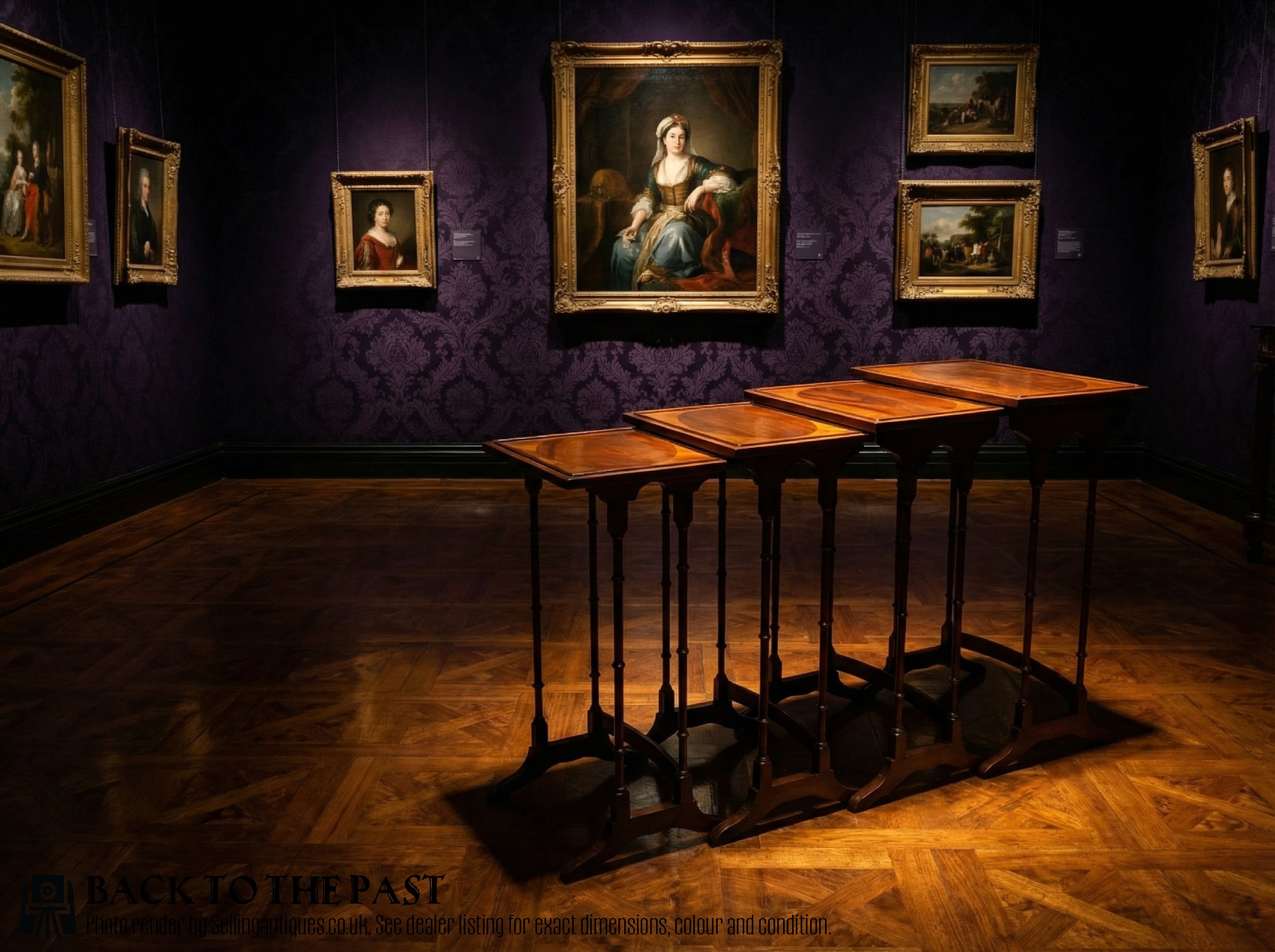
Edwardian tables often feature lighter mahogany frames with decorative satinwood inlay and slender proportions. Victorian examples tend to show heavier construction with figured mahogany.
Both periods produced quartetto sets, but the decorative detailing helps indicate the decade of manufacture.
What timbers were used for these table sets?
Makers constructed these tables from hardwoods such as mahogany, oak, walnut, and teak. Some examples incorporate exotic veneers like burr walnut and amboyna.
Inlays commonly utilise satinwood to contrast against the darker primary wood of the table top.