



Wooden Coat of Arms
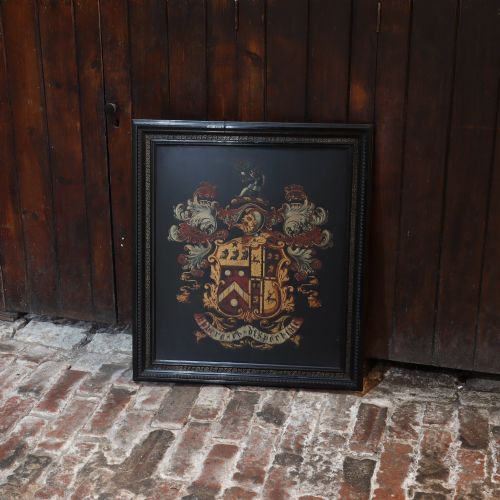
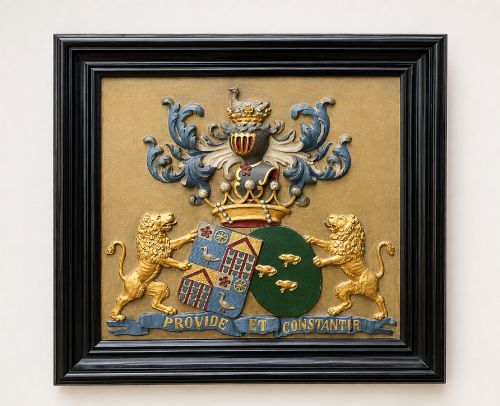
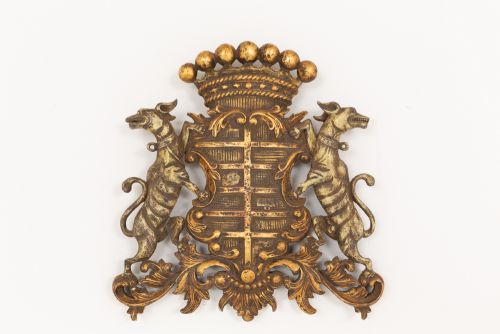
These wooden coat of arms pieces bring carved heraldry, painted armorial panels and carved shields into domestic interiors.
Wooden Coat of Arms
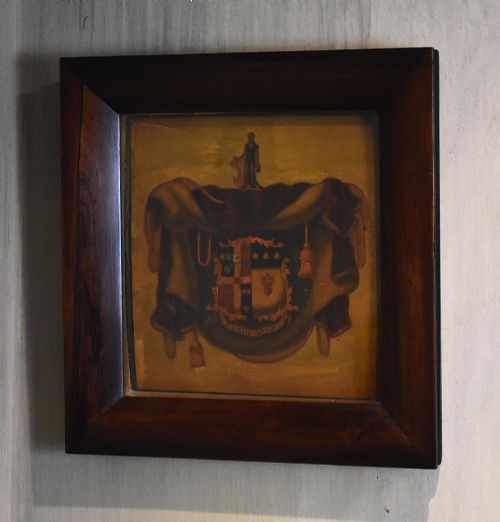
A wooden coat of arms captures heraldic design through carved wood, painted panels and armorial shields that record family lineage and institutional identity. When you search for a wooden coat of arms, you encounter pieces designed for display on walls, above doors or within grand halls.
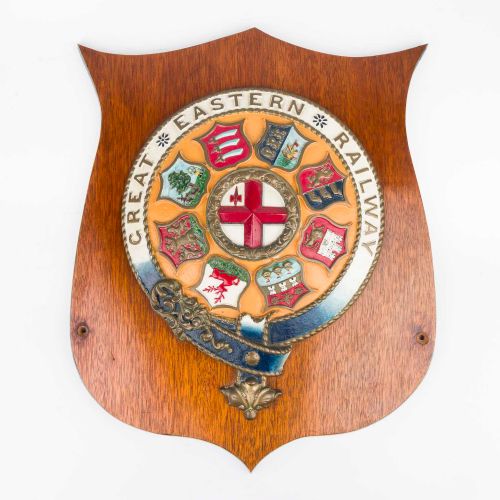
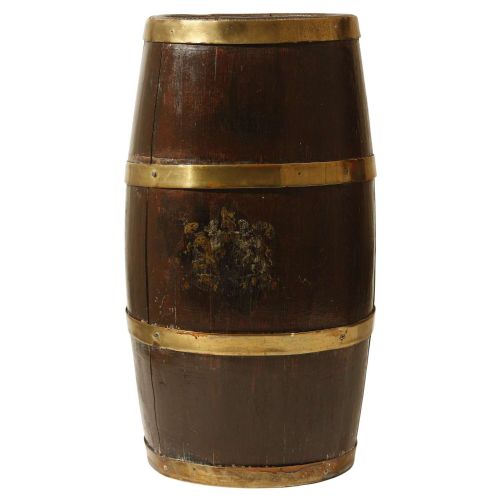
The selection ranges from 18th-century polychrome painted armorial crests to 19th-century heraldic panels, Dutch marriage plaques and railway crests. Forms include framed wall art, decorative panels, umbrella stands and carved lion shield crests originating from British, European and railway traditions.
What separates the finest examples
Quality rests in the crispness of the hand-carving and the preservation of original hand-painted pigments and gilding across the heraldic devices. Depth of relief and anatomical precision in carved lions, helms and mantling distinguish master workshops from standard production.
The integrity of the timber surface and the historical authenticity of the armorial attribution define the upper tier of pieces. Surviving original paintwork without heavy modern overpainting retains the intended visual impact of the heraldic design.
Railway passengers once checked timetables beneath the watchful gaze of cast iron and wooden corporate crests mounted proudly on station walls.
Icilio Federico Joni
The Wooden Coat of Arms Glossary
- Armorial
- Relating to heraldry or a coat of arms. These pieces display specific family or institutional crests.
- Polychrome
- Painted in several colours. This surface treatment brings traditional heraldic hues to carved wooden crests.
- Mantling
- The stylized foliage or drapery depicted around the helmet in a coat of arms. It originates from cloth hung over helmets to protect against the sun.
- Tavolette
- Small painted wooden panels used historically for book bindings and administrative covers in Italy. They occasionally feature heraldic artwork.
Wooden Coat of Arms: Frequently Asked Questions
How do I hang a heavy wooden shield?
Heavy carved wooden shields require secure wall fixings anchored directly into wall studs or masonry using appropriate brackets to support the substantial weight of solid hardwood panels.
Ensure the hanging wire or mounting brackets attached to the back of the panel match or exceed the load capacity of the specific piece before display.
Are these coats of arms authentic family history?
Many pieces record genuine historical families, Dutch marriages, or railway companies through specific heraldic charges, names, and dates painted or carved into the wood.
Researching the specific surnames or institutional crests often reveals documented lineages connected to the geographic origin of the panel.
How should I clean painted wooden armorials?
Dust surfaces gently with a dry, soft, lint-free cloth to prevent accumulation without disturbing fragile historic pigments, gold leaf, or aged timber finishes.
Avoid liquid cleaners, polishes, or damp cloths entirely, as moisture can lift old paint layers and damage vulnerable carved gesso or gilt details.
What is the difference between a crest and a coat of arms?
A coat of arms encompasses the entire heraldic composition including the shield, helm, and mantling, whereas a crest strictly refers to the specific device mounted on top of the helmet.
Many wall plaques display the full armorial achievement rather than just the isolated family crest.