

White Stone Figure
A white stone figure brings classical form and tactile mineral presence into a room, spanning carved portraits and garden statues.
White Stone Figure
When searching for a white stone figure, buyers encounter carved portraits, mythological subjects, and allegorical sculptures fashioned from durable minerals. These pieces range from intimate library busts to monumental garden statues originating from European and Asian workshops.
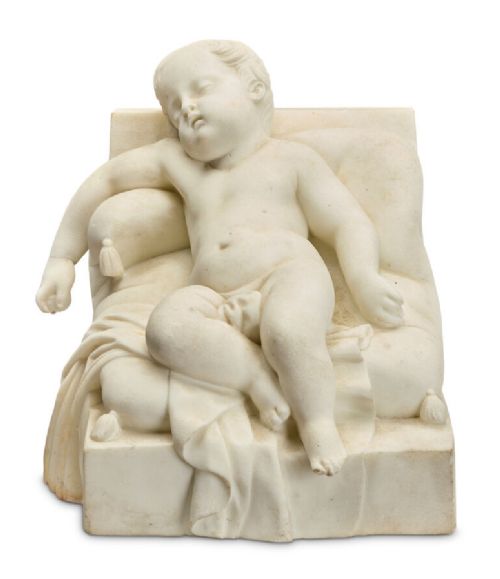
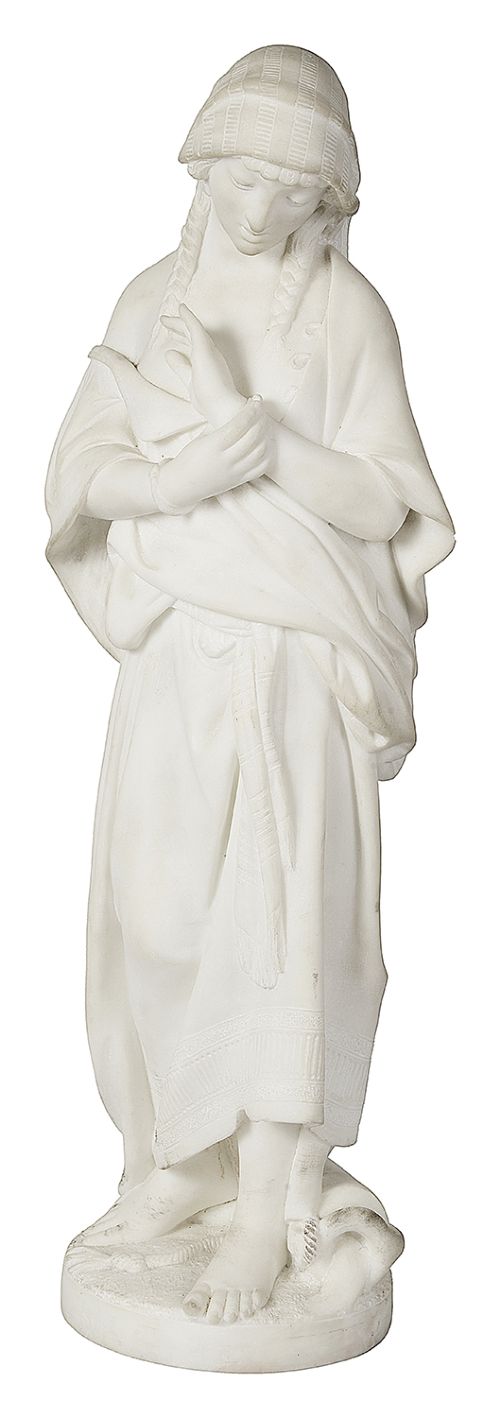
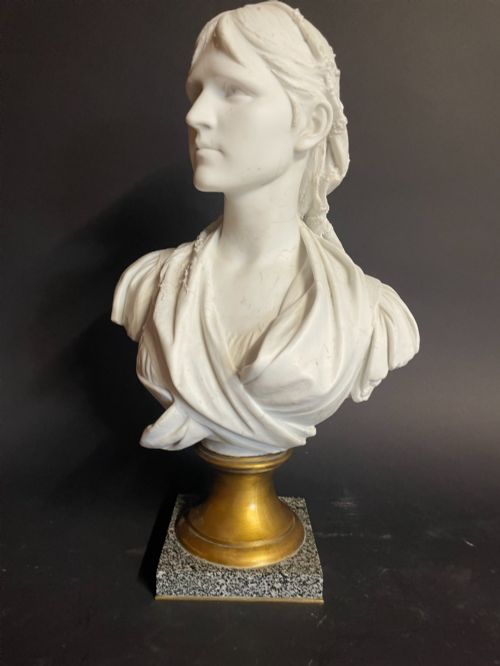
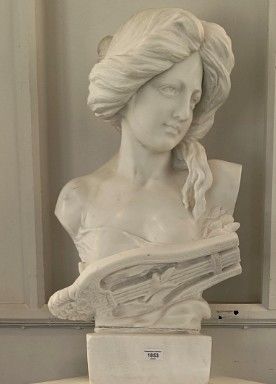
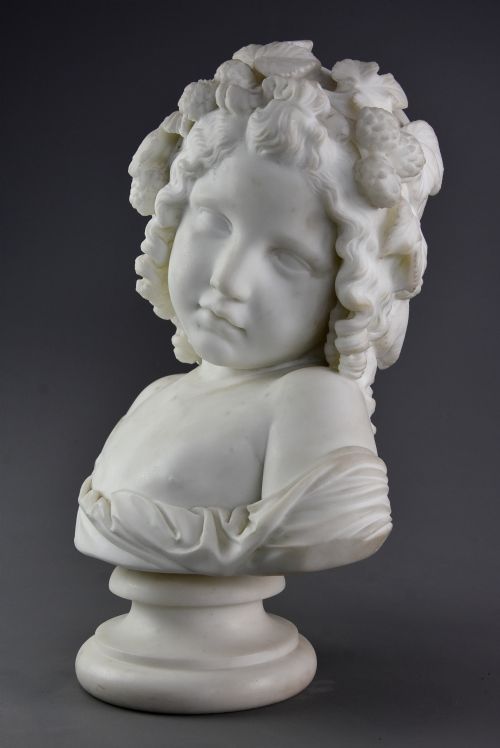
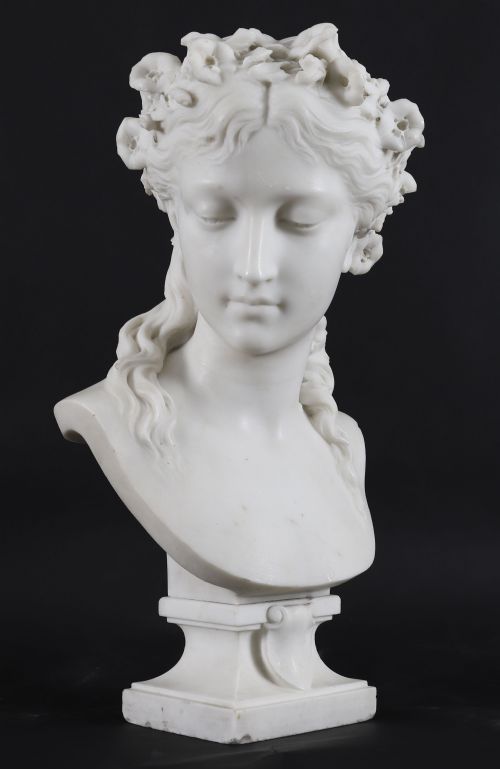
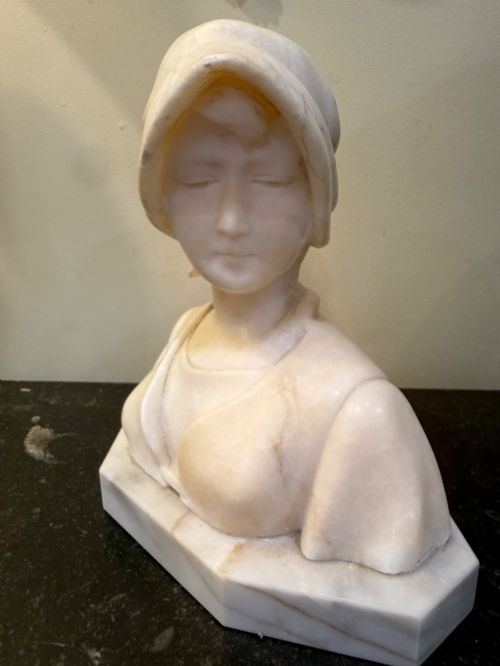
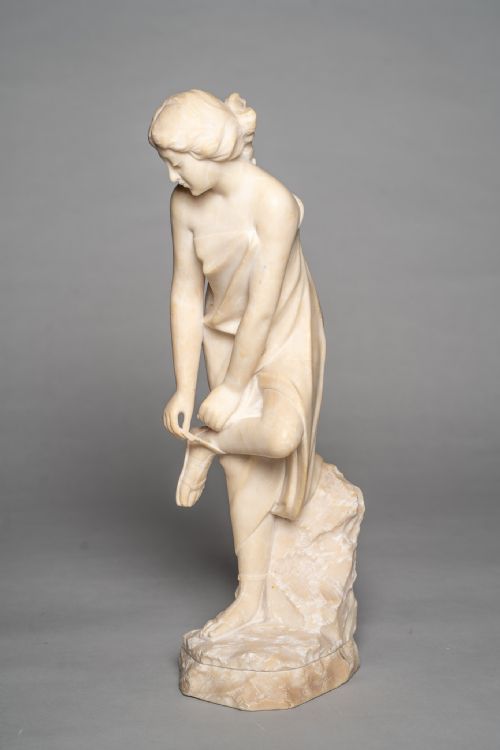
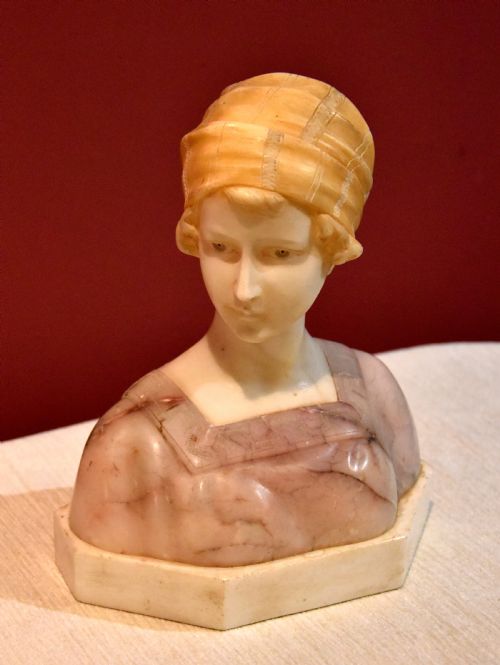
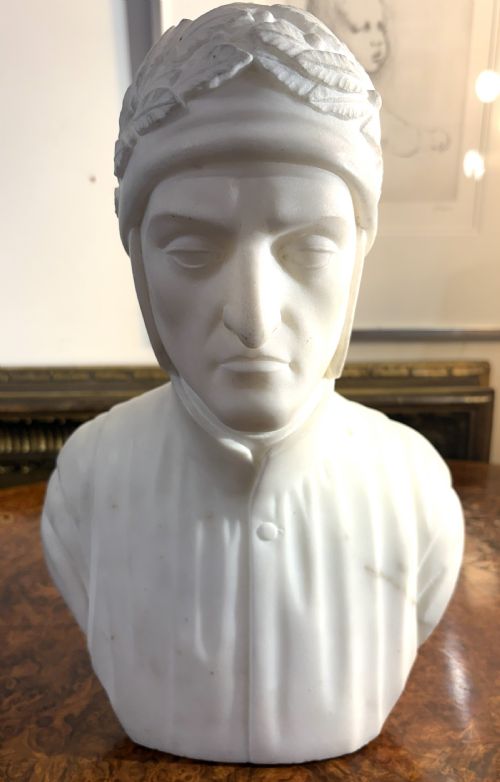
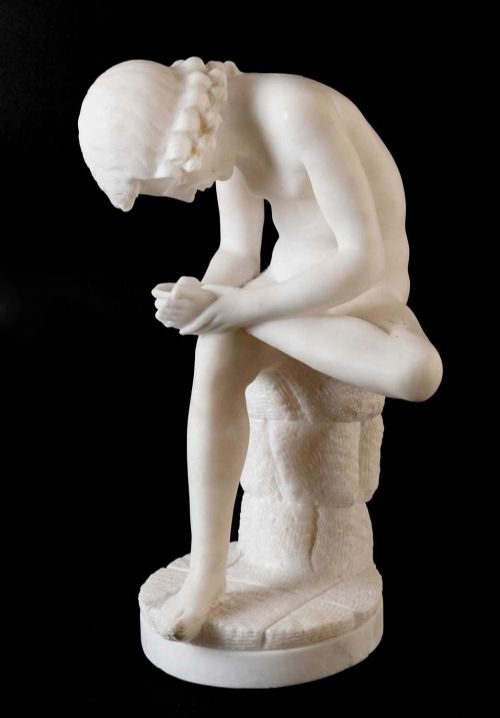
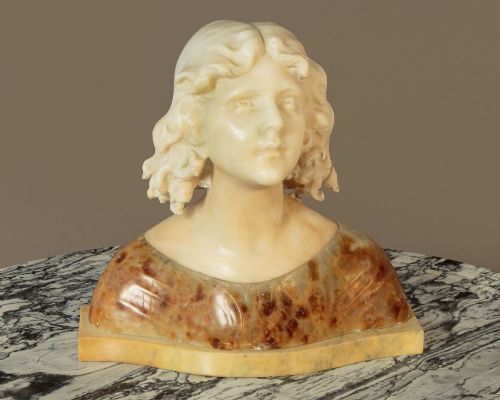
The version most commonly met on this page is the nineteenth-century portrait bust or small figural sculpture, often carved in Italy or France. Subjects span historical figures, literary characters, and idealized female forms intended for domestic display.
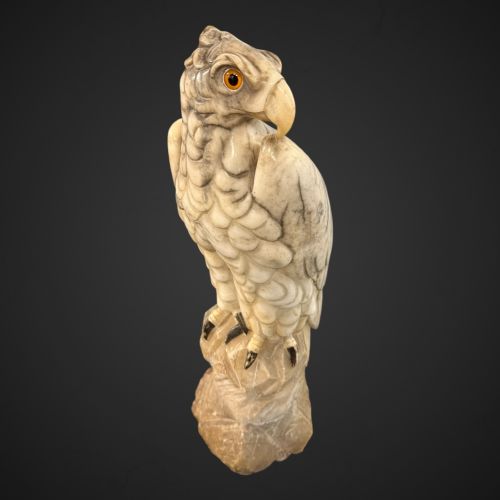
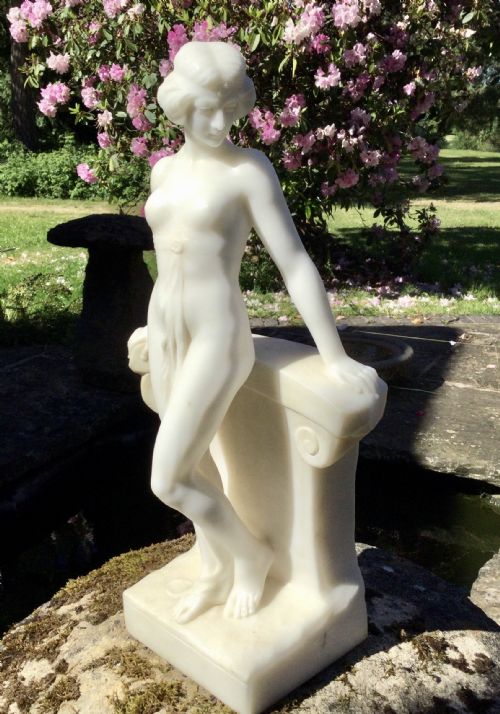
Larger architectural pieces and garden figures also appear, alongside temple statues and animal sculptures. Each object reflects the prevailing aesthetic currents of its period, from strict neoclassical revival to sensuous turn-of-the-century realism.
Materials and technique
Workshops relied on skilled hand-carving, sometimes guided by pointing machines to transfer proportions from plaster models to stone blocks. Surface finishing involved abrasive stones and polishing powders to achieve either a matte crystalline texture or a smooth, light-reflecting sheen.
Represented forms include portrait busts of historical figures, mythological subjects, reclining nudes, and garden statuary.
Distinctions in execution
Quality rests upon the sensitivity of the carving and the purity of the mineral block. Master carvers coax subtle anatomy, expressive hands, and lifelike drapery folds from the stone, whereas lesser pieces exhibit rigid symmetry and mechanical surface smoothing.
Barranti·Houdon·Eugene Aizelin·Auguste Henri Carli·Antonio Canova·Carrier-Belleuse·Fritz Kochendorfer·Pugi
The White Stone Figure Glossary
- Carrara marble
- A type of white or blue-grey marble from the city of Carrara in Tuscany, Italy, widely used for neoclassical and Victorian sculpture. It is prized for its fine, uniform grain.
- Alabaster
- A fine-grained, translucent mineral often used for nineteenth-century decorative busts and figural carvings. It is softer than marble and susceptible to moisture.
- Portrait bust
- A sculpted representation of a person's head, shoulders, and upper chest. These served as scholarly library ornaments or familial memorials.
- Neoclassical
- A Western cultural movement drawing on the art and culture of ancient Greece and Rome. Sculptures in this style emphasise restrained emotion, clear outlines, and classical dress.
- Grand tour
- A traditional trip of Europe undertaken by upper-class European young men of means and other affluent travellers during the eighteenth and nineteenth centuries. It resulted in the acquisition of portable antiquities and carved Italian marble figures.
White Stone Figure: Frequently Asked Questions
How do I clean a marble or alabaster sculpture?
Dust the surface regularly with a soft, dry microfibre cloth or a gentle brush. Avoid water, soap, and chemical cleaning agents, particularly on alabaster, which dissolves easily in moisture.
For stubborn grime on hard marble, consult a professional conservator rather than attempting wet cleaning at home. Moisture penetrates porous stone and leaves permanent staining.
Where should I place a stone figure indoors?
Position the sculpture away from direct sunlight, heating vents, and fireplaces to prevent thermal shock and rapid drying. Alabaster and softer stones are particularly vulnerable to temperature fluctuations.
Ensure the supporting furniture is sturdy enough to bear the considerable weight of solid stone. A stable console or pedestal prevents accidental tipping.
How can I tell nineteenth-century marble from later copies?
Examine the underside and hidden surfaces for tool marks, weathering patterns, and the natural ageing of the mineral. Nineteenth-century carvers left distinct chisel or rasp signatures behind bases and mounts.
Inspect the crispness of the carving and the patina accumulated over decades of handling. Machine-cut modern reproductions lack the subtle irregularities of hand-finished nineteenth-century work.