





White Porcelain Mug
White porcelain mug pieces span eighteenth-century Worcester and Derby wares to nineteenth-century tankards, offering collectors delicate paste and hand-painted Chinoiserie scenes.
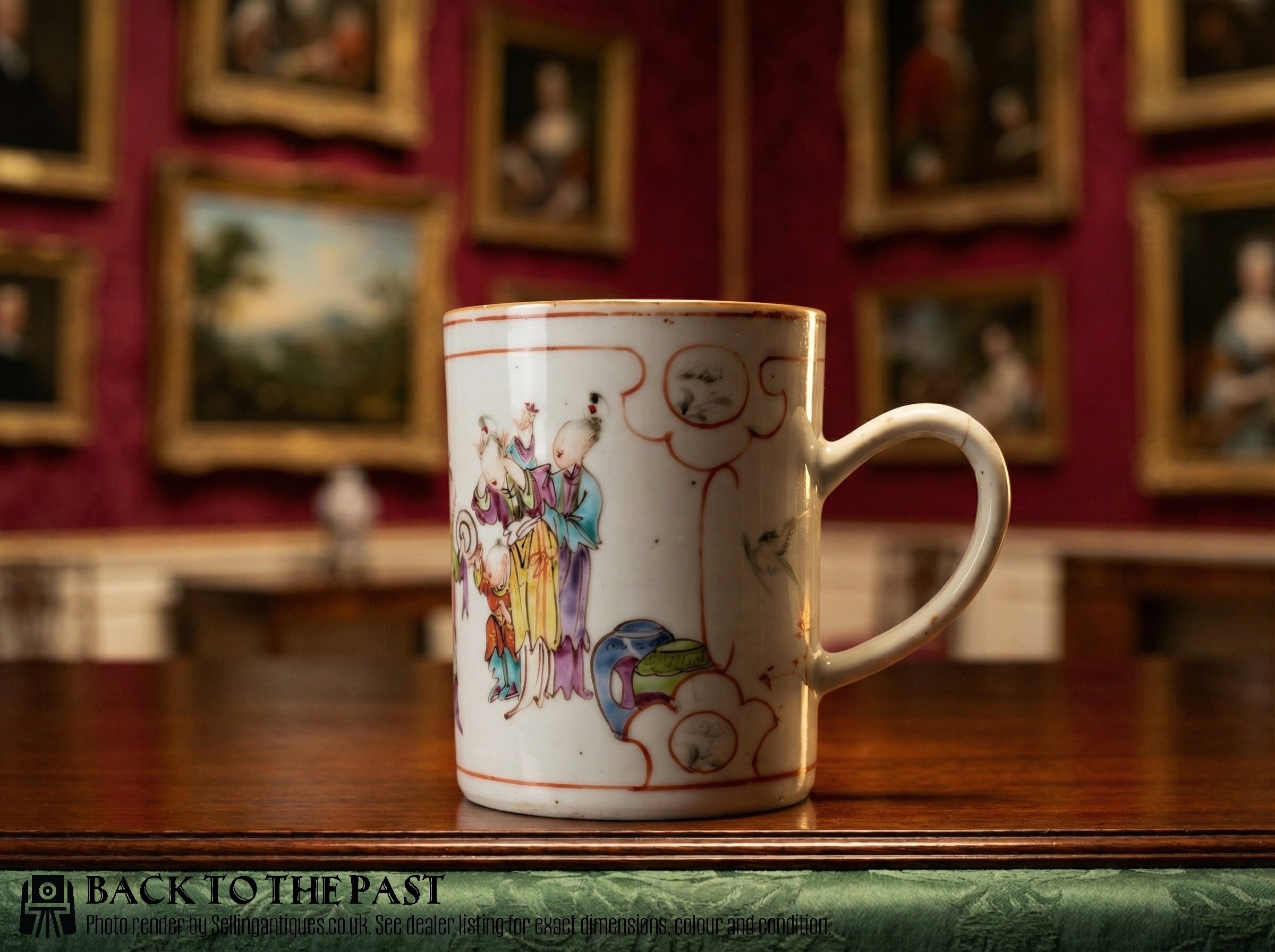
White Porcelain Mug
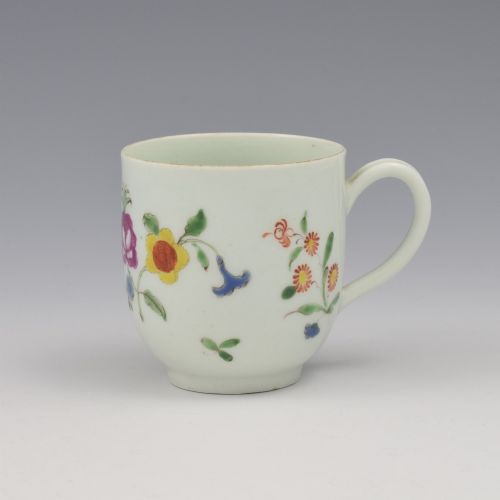
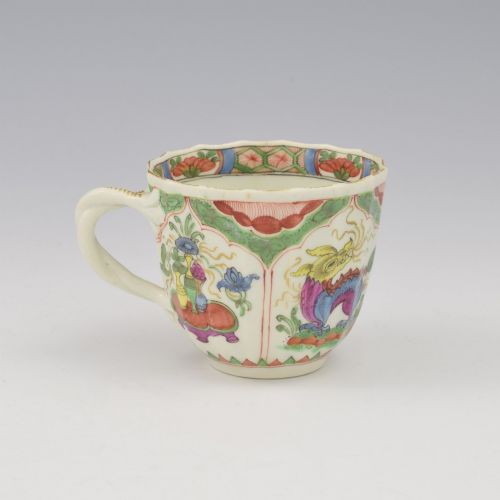
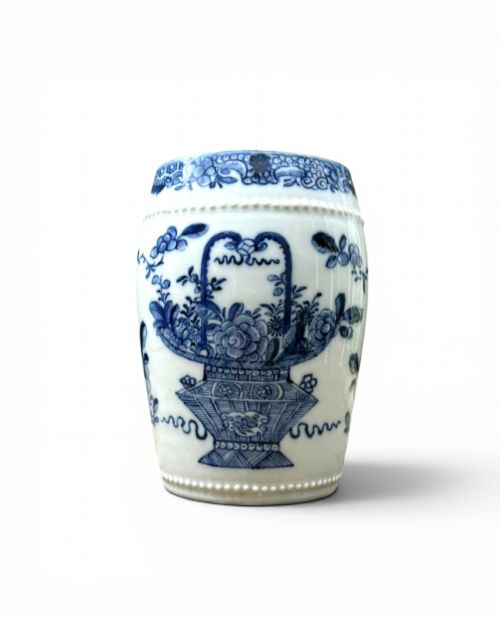
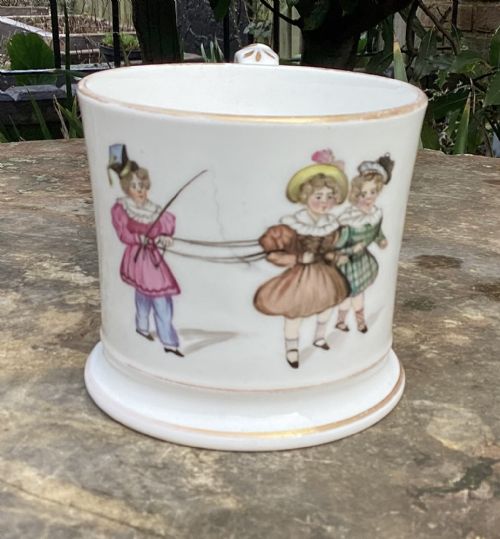
When you search for white porcelain mug, you encounter drinking vessels ranging from small eighteenth-century coffee cups to large nineteenth-century loving cups and tankards. The selection includes Chinese export pieces alongside English productions from factories such as Worcester, Derby, and Lowestoft.
Formations vary from cylindrical barrel shapes to fluted bodies and larger porter mugs. Hand-painted decoration frequently depicts Chinese figures, Mandarin patterns, and landscape scenes in overglaze enamel or cobalt underglaze.
How they were made
Potters utilised soft-paste porcelain and standard ceramic bodies, shaping them into mugs, tankards, and coffee cups. Cobalt glaze and cobalt underglaze provided foundational blues before firing.
Artisans applied overglaze enamel and gold leaf by hand to render intricate motifs like the Mandarin patterns and Chinese family scenes. Some vessels feature polychrome painting directly over the white porcelain substrate.
Materials documented across the inventory include porcelain, soft-paste porcelain, enamel, gold leaf, and cobalt underglaze.
What varies in quality
The precision of hand-painted details separates standard vessels from finer works, particularly in complex Chinoiserie compositions and facial expressions on figures. Crispness in fluting and the smoothness of the white glaze surface also indicate superior manufacture.
Makers such as Worcester and Derby achieved finer potting standards, whereas larger tankards and loving cups demonstrate different structural proportions suited to heavier usage. Preservation of overglaze enamel and gold leaf integrity directly influences the standing of each piece.
Richard Chaffers·Derby Porcelain·Duesbury and Kean·Lowestoft Porcelain·Royal Worcester
The White Porcelain Mug Glossary
- Soft-paste porcelain
- A ceramic material composed of clay, glass frit, and other ingredients, fired at lower temperatures than hard-paste. It creates a warm white body typical of eighteenth-century English factories.
- Chinoiserie
- A European artistic style reflecting Chinese motifs and decorative scenes. Artisans painted these fantastical depictions on eighteenth-century coffee cups and mugs.
- Overglaze enamel
- Colours applied on top of the fired glaze and fixed by a second, lower-temperature firing. This technique permits vibrant palettes like those seen on Famille Rose pieces.
- Porter mug
- A large drinking vessel designed for malt liquors and heavier ales. These substantial pieces often date from the Georgian and Regency periods.
- Cobalt underglaze
- Pigment applied to the ceramic body before the transparent glaze layer is added. It survives high kiln temperatures to produce deep blue designs.
White Porcelain Mug: Frequently Asked Questions
What is the difference between a mug and a tankard?
Tankards are typically straight-sided drinking vessels meant for beer or ale, while mugs often feature barrel shapes or narrower forms suited for hot beverages.
Historical pieces in these materials blur categories, with larger porter mugs and loving cups serving various social functions.
How do I identify eighteenth century Worcester porcelain?
Look for characteristic soft-paste bodies combined with hand-painted cobalt underglaze or detailed overglaze enamel work. Fluted surfaces and Chinese figures or Mandarin patterns appear frequently on these pieces.
Early factories utilised specific paste formulas that show particular translucency when held to strong light.
Were these porcelain mugs used daily?
Many eighteenth-century pieces, particularly fine coffee cups and decorated mugs, belonged to wealthy households and saw careful use. Larger porter mugs and nineteenth-century loving cups were built heavier for communal or celebratory drinking.
Surviving examples often display wear corresponding to their original domestic function.
What is Chinese export porcelain?
Chinese export porcelain comprises ceramics made in China specifically for European markets during dynasties such as the Qianlong period. These vessels feature shapes and decorations tailored to Western tastes.
Famille Rose and Famille Vert colour palettes dominate these specific mug forms.