

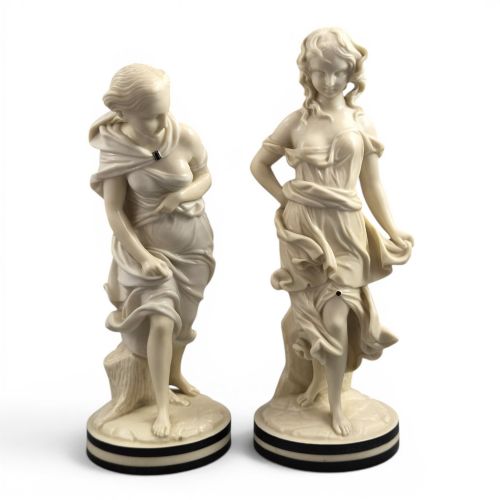


White Parian Ware Statue
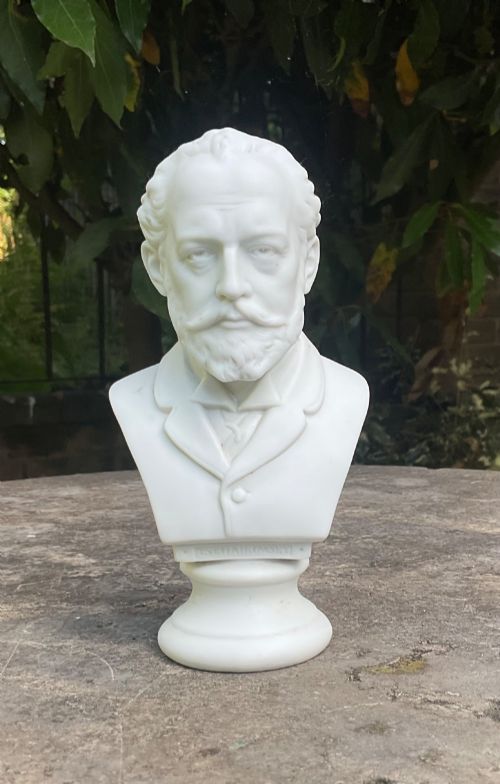
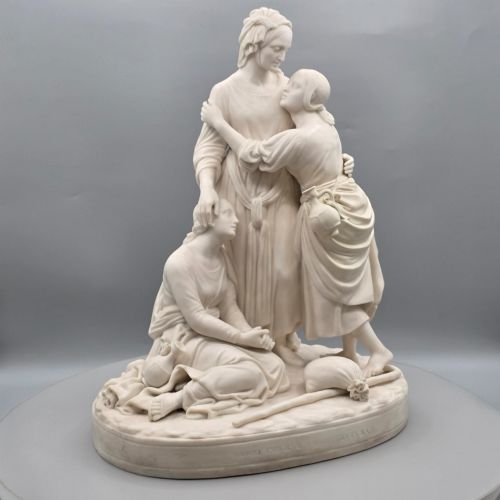
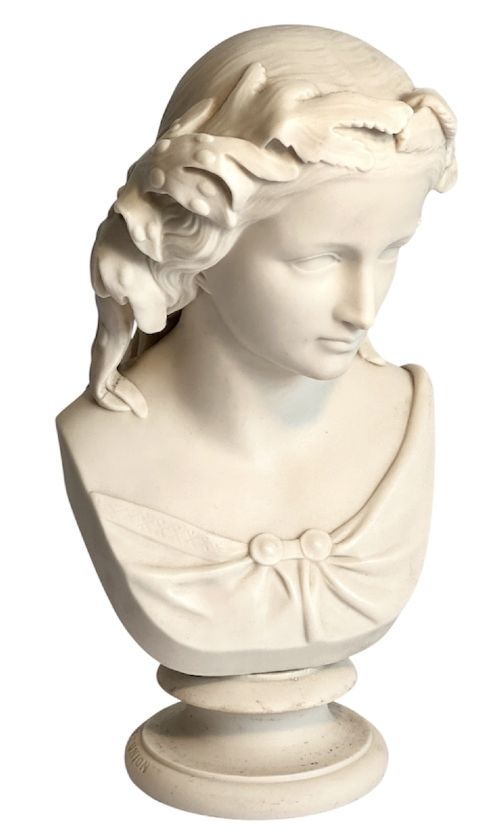
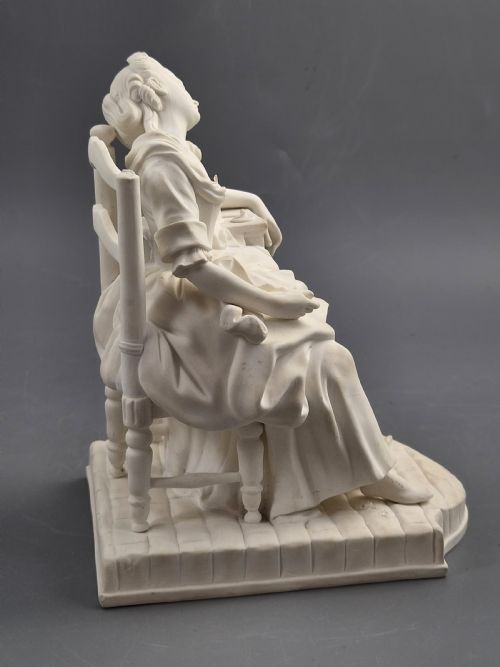
White parian ware statue selections capture nineteenth-century classical taste through unglazed porcelain figures modelled after famous sculptures.

White Parian Ware Statue
A white parian ware statue brings nineteenth-century neoclassical and Victorian sculpture into domestic interiors through reduced porcelain copies of monumental works. Collectors search for these pieces to acquire detailed figures, busts, and figure groups that mimic marble without the weight or cost.
The versions most frequently met on this page date from the Victorian era, spanning the mid-to-late nineteenth century. They include literary subjects, historical portraits, and allegorical figures originating from English factories and continental kilns.
Makers adapted works by notable sculptors into cabinet-sized statuettes and portrait busts. These range from classical maidens and literary heroines to contemporary political figures and resting soldiers.
Materials and moulding techniques
Makers utilised specially formulated parian porcelain, also recorded as biscuit or bisque porcelain, which was fired without a glossy glaze to achieve a matte surface resembling carved marble. This unglazed ceramic body required precise temperature control during kiln firing to prevent distortion across large figure groups and delicate drapery.
The complex forms were produced using multi-part slip moulds that allowed factories to capture intricate details like hair strands, facial expressions, and classical drapery folds. After casting, skilled artisans hand-finished the seams and surface textures before the single or double firing process.
Listings feature Victorian pieces from 1850 to 1900, spanning single portrait busts to complex multi-figure neoclassical groups.
Sculptural fidelity and finish
The ambition of the composition also separates standard production from exceptional work. Large-scale figure groups with complex anatomical poses and distinct accessories demonstrate greater technical skill than basic single-figure standing models.
Sèvres·Minton·Copeland·Royal Worcester
The White Parian Ware Statue Glossary
- Parian ware
- A type of fine unglazed hard-paste porcelain developed in Britain during the mid-nineteenth century. It was named after Parian marble because its matte, granular texture closely resembles the stone quarried on the Greek island of Paros.
- Bisque porcelain
- Unglazed ceramic fired once to create a porous, matte white surface. This material is frequently used interchangeably with parian in nineteenth-century cataloguing.
- Neoclassical
- A style spanning the eighteenth and nineteenth centuries that drew inspiration from the classical art and culture of ancient Greece and Rome. It heavily influenced the subject matter chosen for Victorian porcelain figures.
- Slip
- A liquid suspension of clay and water used in moulds to form hollow ceramic sculptures. Factories poured this mixture into multi-piece plaster moulds to create complex statues.
- Statuary figure
- A term used for sculptural porcelain pieces modelled after full-scale gallery statues. These objects brought museum subjects into middle-class Victorian parlours.
White Parian Ware Statue: Frequently Asked Questions
How do I clean parian figures?
Because parian porcelain is unglazed and porous, it easily absorbs dirt and oils from handling. Gentle dusting with a soft brush is usually sufficient for regular maintenance.
For stubborn marks, a soft sponge with mild soapy water can be used cautiously, avoiding any abrasive cleaners that might damage the matte surface texture.
When were these statues made?
The pieces seen here date predominantly from the nineteenth century, with a strong concentration in the Victorian period from 1850 to 1900. English and continental potteries produced them extensively during this era to satisfy a growing middle-class demand for classical art.
Datable examples often carry impressed factory marks, registry diamonds, or titles relating to contemporary exhibitions and literary events.
Who designed these sculptures?
Many parian figures were reduced versions of works by prominent academic sculptors, adapted by factory modellers with permission from the artists. Famous sculptors such as John Gibson, John Durham, and continental makers provided the original models.
In addition, factory-employed artists created original compositions representing literary heroines, historical figures, and allegorical subjects.