

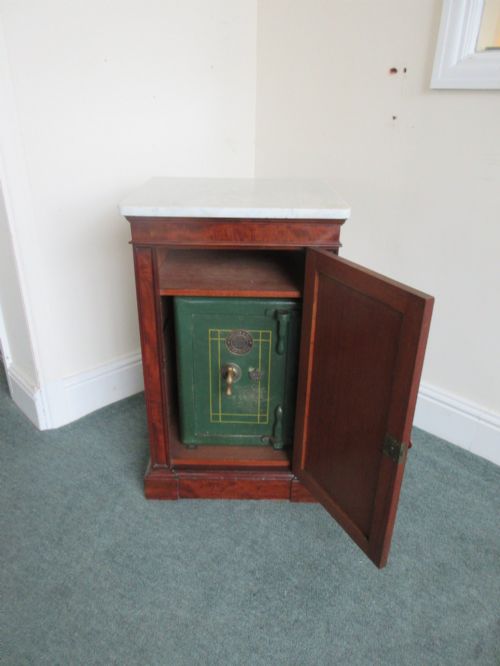
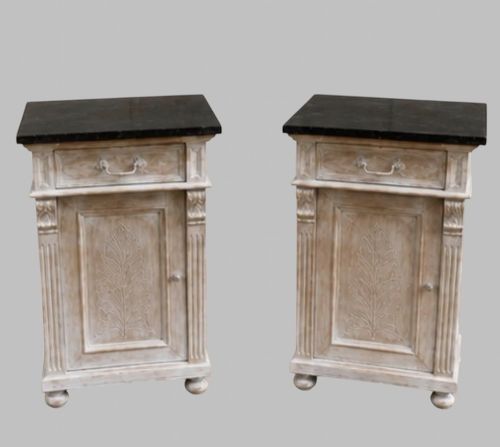


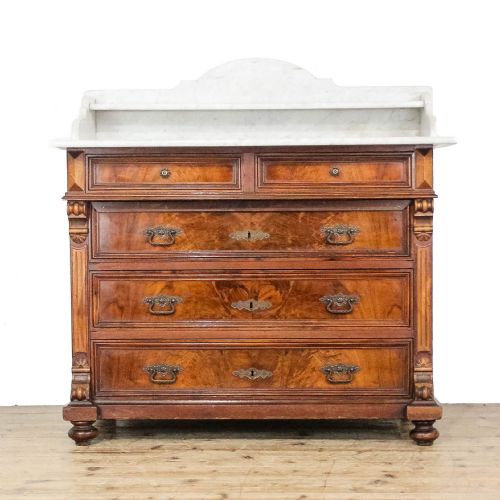


White Marble Top Cabinet
A white marble top cabinet brings a cool, enduring stone surface to walnut, mahogany, and rosewood frames of the nineteenth and early twentieth centuries.
White Marble Top Cabinet
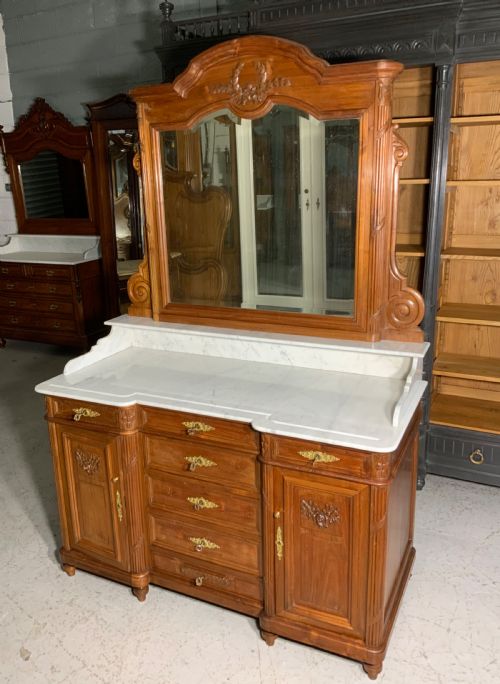
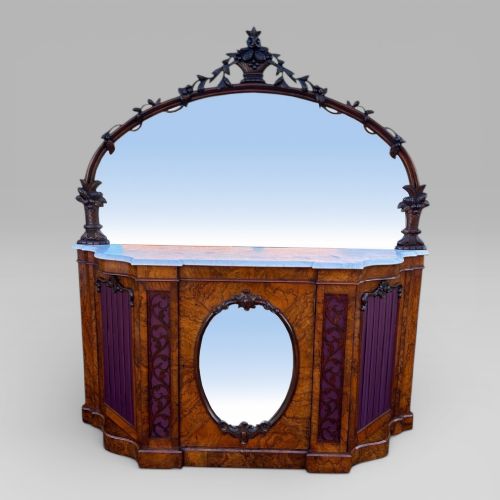
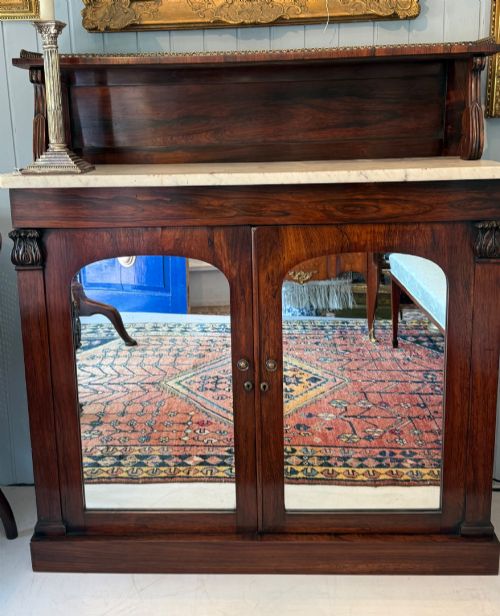
A white marble top cabinet combines heavy stone with timber storage, appearing in forms such as bedside tables, washstands, commodes, and grand credenzas. When exploring this selection, buyers frequently encounter Victorian and Edwardian iterations alongside French styles like Louis XVI and Rococo Revival.
The utility of these pieces ranges from intimate bedside nightstands to large mirror-backed sideboards and chiffoniers. Origins span English workshops and French cabinet makers, utilising rich timbers such as burr walnut, satinwood, and mahogany beneath the distinctive stone surfaces.
Materials and construction
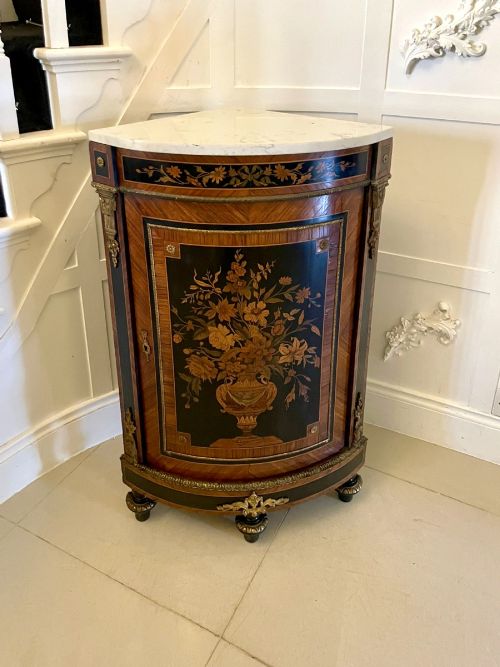
Makers set thick slabs of white marble, including Carrara varieties, directly onto solid timber carcasses fashioned from mahogany, walnut, rosewood, and oak. Carved mirror backs, ormolu mounts, and delicate floral marquetry often complement the stone top.
Joinery techniques rely on substantial timber frames designed to support the heavy weight of natural stone without warping. Brass fixtures, glass panels, and tiled or painted accents frequently complete the construction of these cabinets and washstands.
Materials documented across the pieces include Carrara marble, brass, glass, and timber veneers such as rosewood, satinbirch, and burr walnut.
Assessing quality and craftsmanship
The distinction between standard examples and superior pieces rests on the choice of timber and the intricacy of the cabinetwork. Figured grains such as burr walnut and flame mahogany, paired with finely polished marble, mark out the more ambitious commissions.
Decorative detailing elevates certain pieces above utility furniture, seen in hand-cut marquetry inlay, ormolu mounts, and architectural column supports. The precision of the joinery in housing the heavy stone slab determines the structural integrity of the individual cabinet.
The White Marble Top Cabinet Glossary
- Credenza
- A sideboard or display cabinet, frequently featuring mirrored backs and intricate wood veneers. These large pieces often incorporate heavy marble surfaces.
- Commode
- A low chest of drawers or cabinet originating in French design. They frequently display decorative marquetry and marble tops.
- Chiffonier
- A timber cabinet combining shelving and enclosed storage, popular during the nineteenth century. Many examples feature a marble slab surmounting the base.
- Ormolu
- Gilt bronze mounts applied to furniture for decorative effect. This technique appears often on French revival cabinets.
- Marquetry
- The art of applying pieces of veneer to a structure to form decorative patterns. Floral motifs commonly adorn walnut and mahogany cabinet doors.
White Marble Top Cabinet: Frequently Asked Questions
What rooms suit a white marble top cabinet?
These cabinets suit bedrooms as bedside tables or washstands where a moisture-resistant stone surface proves practical. Living spaces and hallways also accommodate smaller side cabinets and commodes.
The cool stone top provides a durable surface for lamps, decorative objects, and daily use while anchoring the room with period character.
How do I clean a marble top?
Maintenance requires simple wiping with a damp cloth and mild, non-acidic soap to preserve the polish of the stone. Harsh chemicals or acidic substances can etch the marble surface over time.
Regular dusting of the timber base keeps the wood and any gilt bronze mounts in good condition without risking moisture damage.
Are these cabinets heavy to move?
The inclusion of solid stone slabs makes these pieces significantly heavier than standard timber furniture. The marble top often lifts off the wooden base to make transportation more manageable.
Careful handling of both the stone and the carved wooden carcass prevents structural strain during repositioning.
How do I date a marble top cabinet?
Dating relies on combining the architectural style, timber choice, and hardware construction methods. Victorian pieces often display heavy walnut framing, while Edwardian versions lean towards lighter satinwood or painted finishes.
French pieces from the same eras frequently incorporate ormolu mounts and marquetry that reflect Louis XVI or Rococo revivals.