

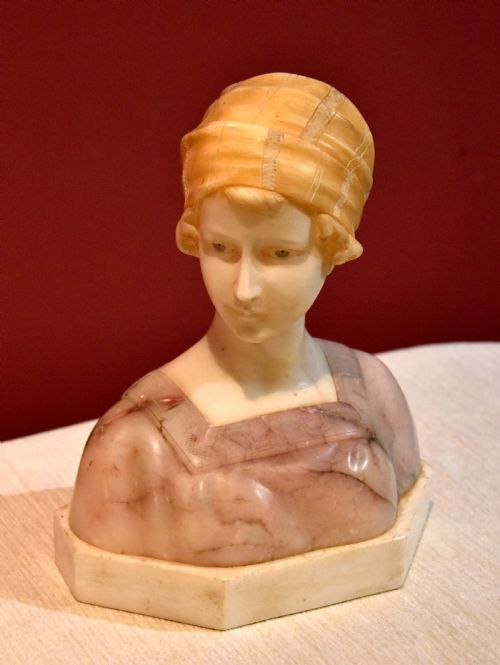


White Marble Female Bust
A white marble female bust brings classical proportion and sculpted elegance directly into a room, spanning centuries of portraiture.
White Marble Female Bust
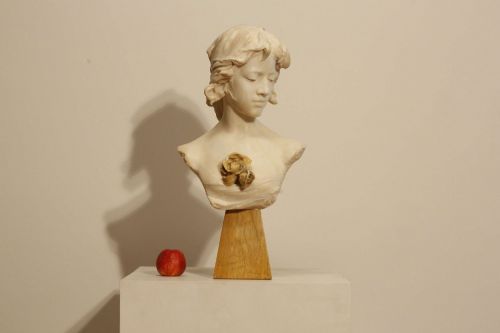
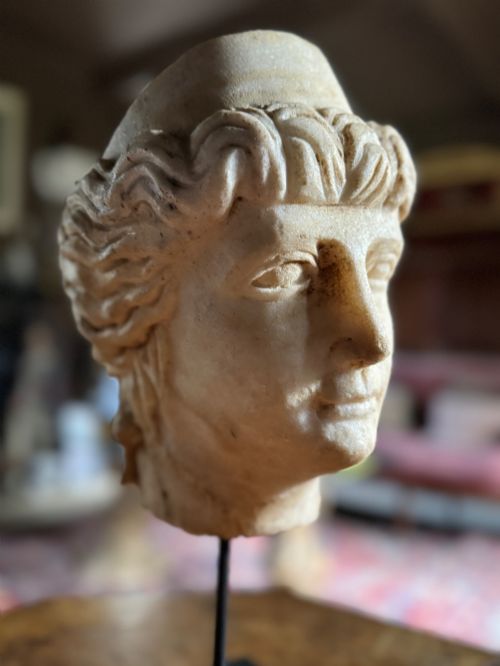
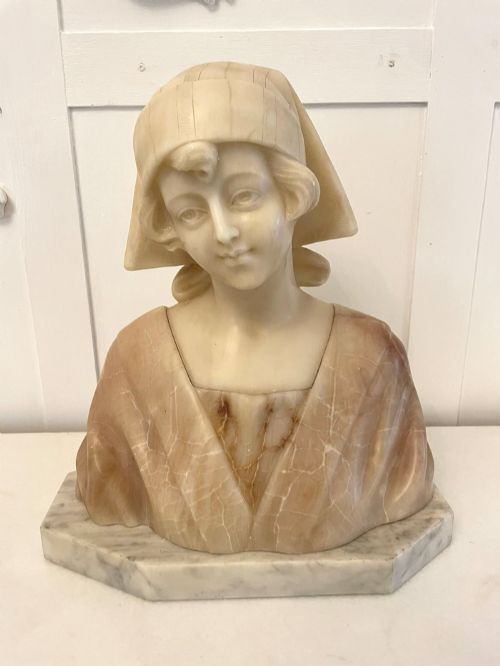
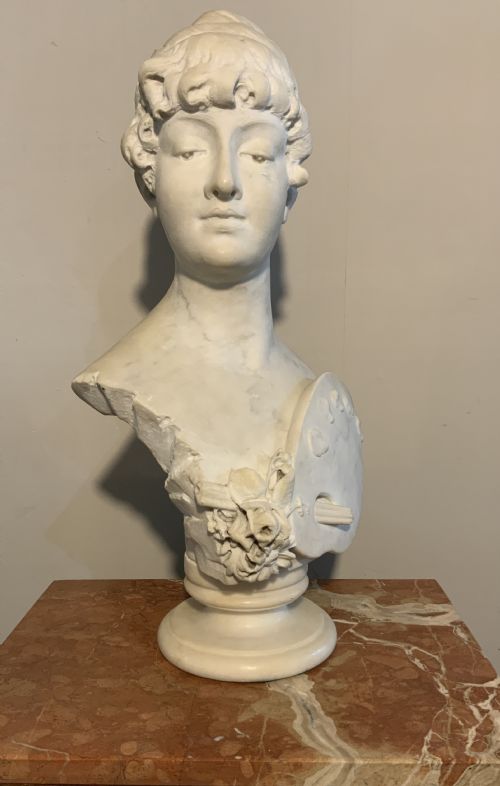
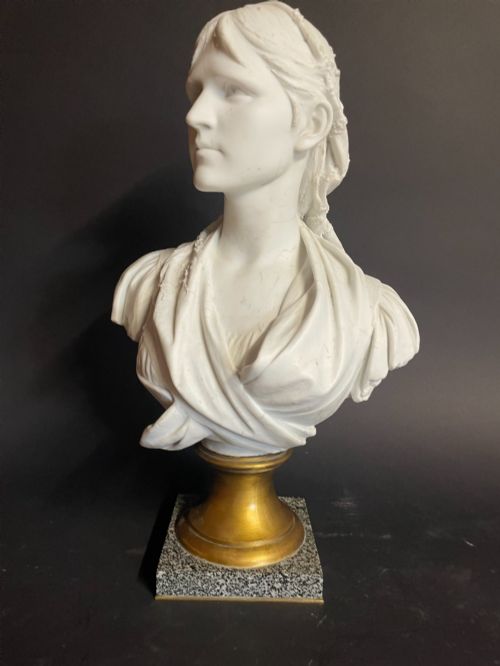
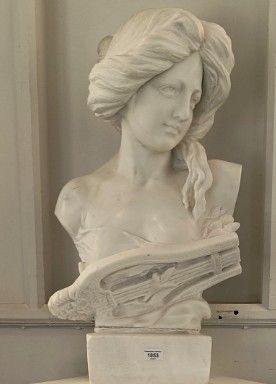
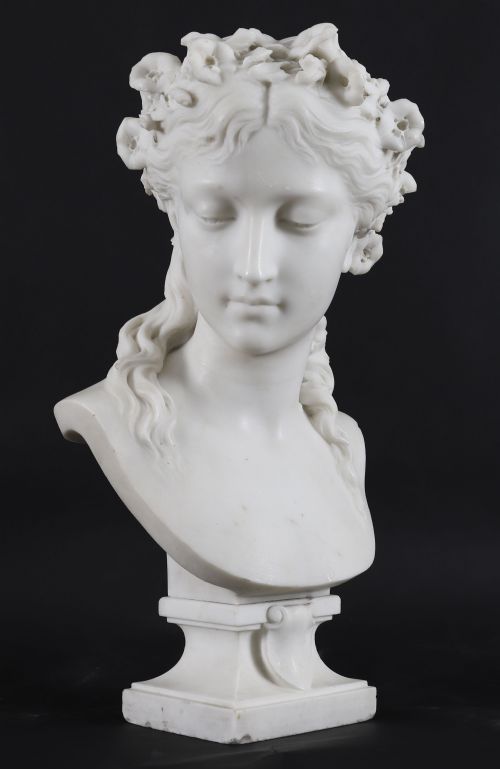
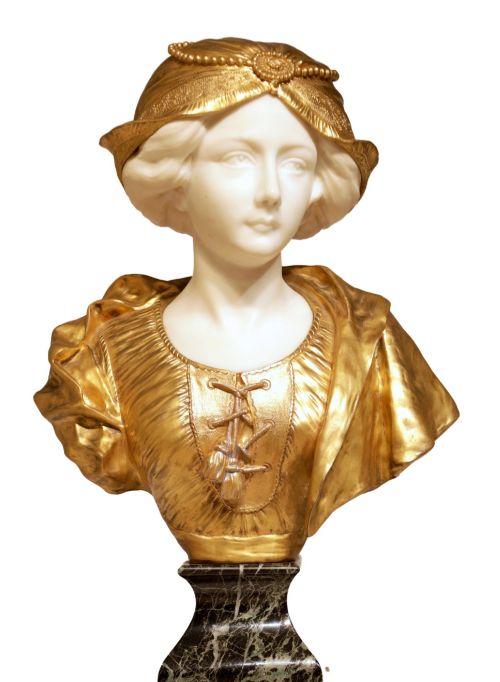
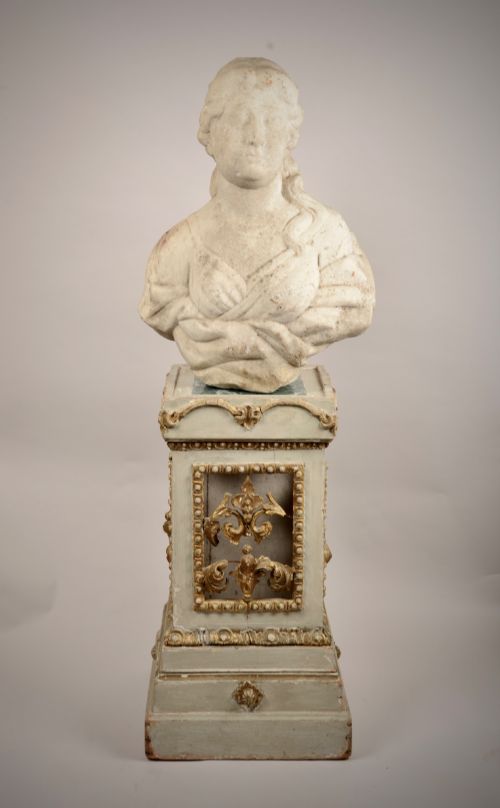
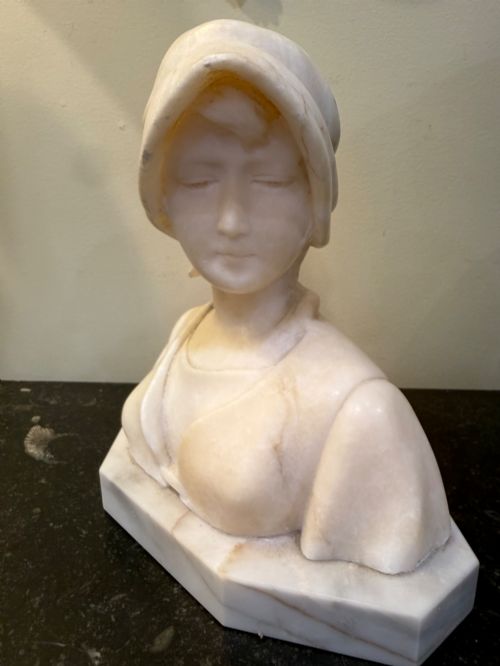
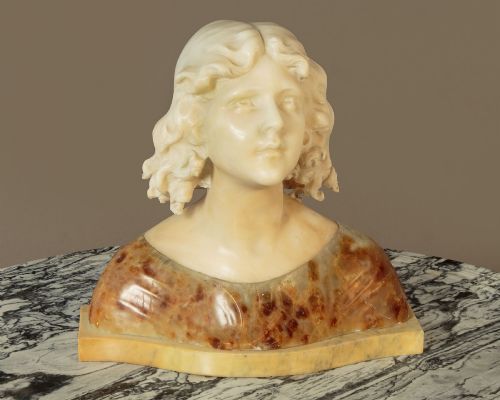
A white marble female bust captures classical goddesses, mythological muses, and historical ladies across diverse historical periods. When searching for a white marble female bust, buyers encounter sculptural works ranging from seventeenth-century Italian pieces to nineteenth-century Neoclassical and Victorian portraits. These sculptures frequently depict young women, veiled ladies, and allegorical figures carved with meticulous detail.
The nineteenth century dominates the selection, offering numerous Carrara marble and alabaster depictions shaped by Neoclassical and Art Nouveau aesthetics. Works span from Grand Tour souvenirs to signed pieces by European sculptors, incorporating supplementary materials like bronze and ormolu. Forms vary from intimate portrait heads to larger sculptural compositions set upon contrasting marble bases.
Materials and carving techniques
White Marble Female Bust Retail Price Guide 2026
Typical asking prices for white marble female bust among the pieces listed under this phrase on Sellingantiques today, from the lower quarter to the upper quarter. They describe what is for sale here now, not the wider market.
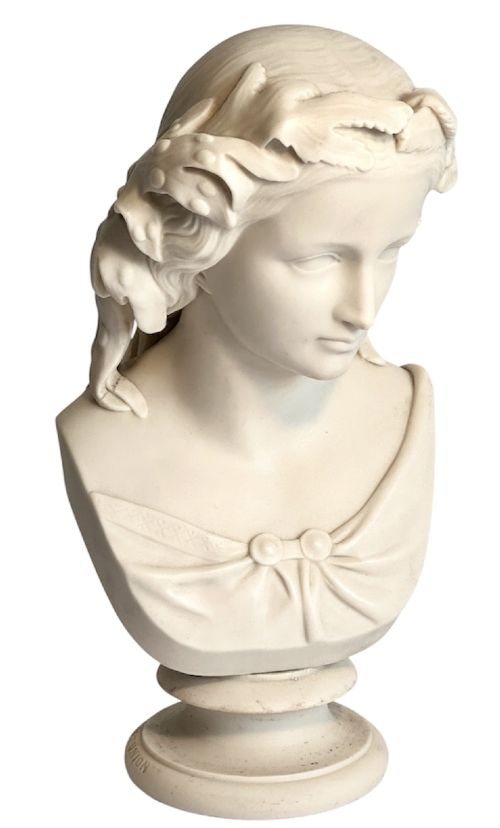
Listings feature works spanning from the seventeenth century through to the early twentieth century, utilising marble, alabaster, stone, and Parian porcelain.
Assessing sculptural execution
Quality rests entirely in the sensitivity of the carving, visible in the treatment of hair, the fall of fabric, and the expression in the eyes. Master carvers render subtle transitions in muscle and bone beneath the stone, whereas lesser works remain stiff and generalized. The purity and consistency of the marble or alabaster block directly affect the visual harmony of the finished portrait.
Signatures by documented makers and foundries elevate the stature of a piece, distinguishing workshop output from individual artistry. Furthermore, the integration of multi-media elements, such as combined bronze mounts or distinct coloured marble bases, demonstrates higher ambition in the finished composition.
Affortunato Gory·Eugene Aizelin·Auguste Henri Carli·G.V. Vaerenbergh·Auguste Moreau
The White Marble Female Bust Glossary
- Carrara marble
- A type of white or blue-grey marble mined from the city of Carrara in Tuscany, Italy. Sculptors have favoured this specific stone since classical antiquity for its fine, uniform grain.
- Alabaster
- A fine-grained, translucent stone often used for sculptural carvings. It offers a softer texture than marble, allowing light to penetrate slightly beneath the surface.
- Neoclassical
- An artistic movement drawing inspiration from the art and culture of classical Greece and Rome. Works in this style emphasise austere dignity, restraint, and mythological subjects.
- Parian porcelain
- A type of bisquely fired porcelain developed in Britain that imitates the appearance of Parian marble. It was widely utilised during the Victorian era for portrait busts and literary figures.
- Grand Tour
- A traditional trip of Europe undertaken by upper-class European young men of sufficient means. Travellers frequently collected small sculptures and antiquities as souvenirs.
- Ormolu
- Finely ground high-carat gold cast and applied to bronze objects. It provides a bright golden finish that complements white marble and dark stone bases.
White Marble Female Bust: Frequently Asked Questions
Where should I display a marble bust?
Place the sculpture on a sturdy console table, pedestal, or mantelpiece where adequate lighting highlights the contours of the face and drapery. Ensure the support can comfortably bear the significant weight of solid stone.
Keep the piece away from direct heat sources and strong sunlight to prevent thermal shock or uneven discolouration over time.
How can I tell if a bust is marble or Parian porcelain?
Examine the sculpture closely for parting lines or seams left by manufacturing moulds, which indicate ceramic slip casting rather than hand carving. Touch the material gently to check for temperature; genuine stone feels noticeably colder to the touch than porcelain.
Look at the underside or base where unglazed areas or tool marks reveal the true internal composition of the medium.
What does a signature on the base indicate?
A signature or foundry mark identifies the artist who modelled or carved the piece, or the workshop that produced the edition. Signed works often carry greater historical documentation regarding the date and origin of creation.
Compare the signature style against known examples from the period to understand the context of the sculpture's production.