

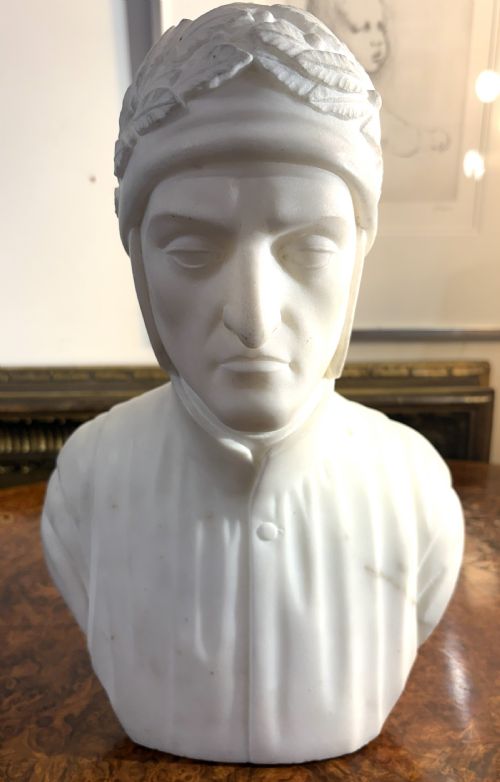


Italian Stone Bust
An italian stone bust brings classical presence into a room, offering carved marble and alabaster portraits rooted in centuries of sculptural tradition.
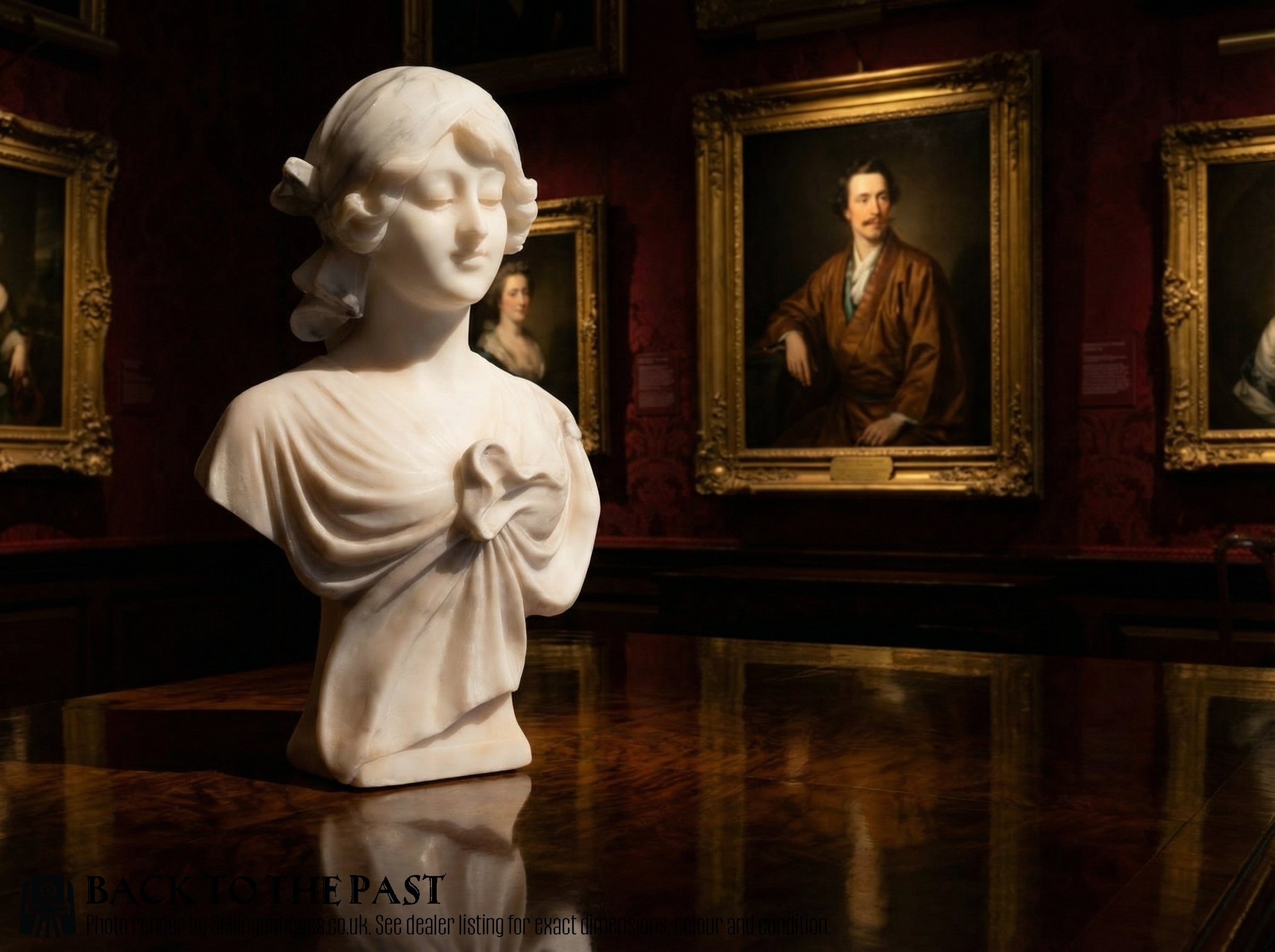
Italian Stone Bust
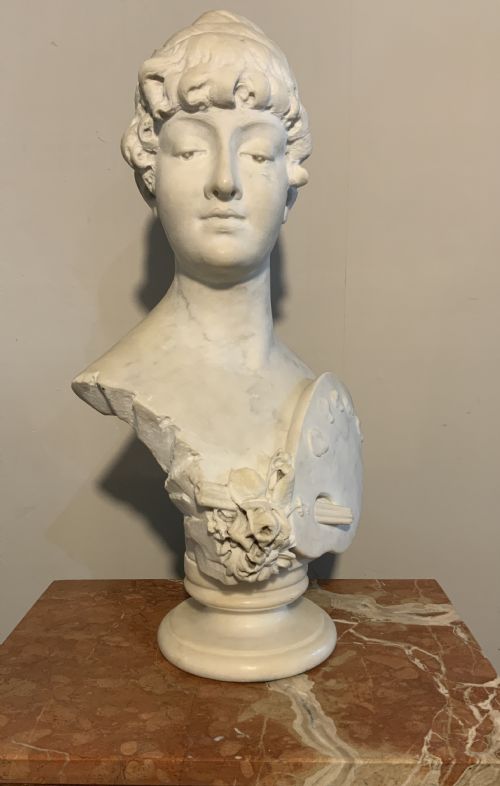
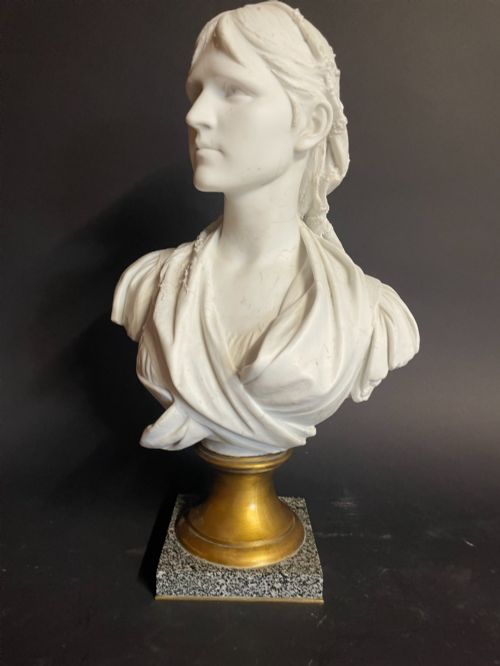
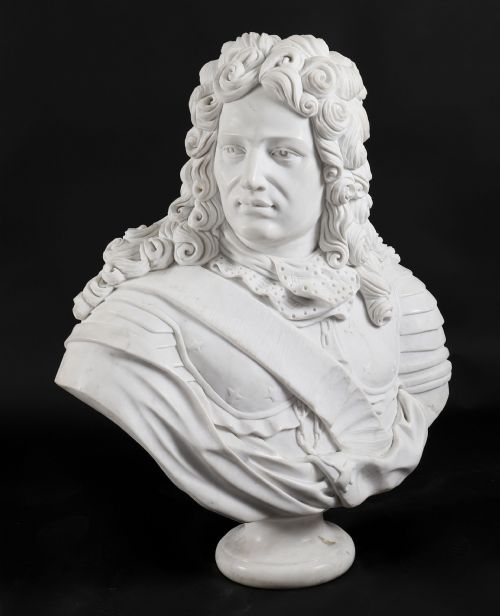
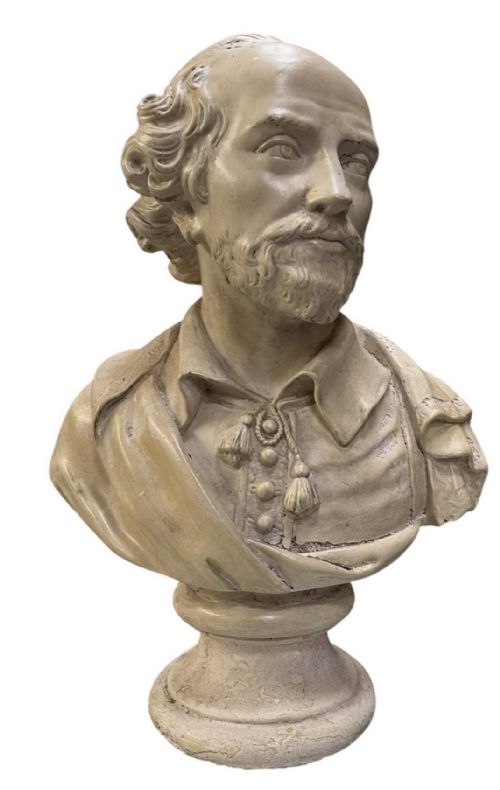
An italian stone bust encompasses carved marble portraits, classical figures, and historical likenesses originating from Italian workshops across several centuries. Buyers seeking an italian stone bust most frequently encounter nineteenth-century Carrara marble carvings and alabaster depictions of noblemen, literary figures, and mythological subjects.
The selection ranges from early seventeenth-century fragments to twentieth-century library pieces and grand tour souvenirs. Formats extend beyond single portraits to include relief plaques, bas-relief profile portraits, and sculptural pairs mounted on pedestals or torcheres.
Materials and carving techniques
Carvers shaped these works primarily from white marble, Carrara marble, and translucent alabaster, often utilising specialised chisels and rasps to achieve detailed drapery and facial expressions. Plaster also appears alongside stone, serving as a medium for detailed portrait casts by named sculptors.
Makers occasionally combined different materials, mounting marble figures on brass hardware or pairing them with specimen marble and scagliola pedestals. Surface finishes vary from highly polished skin tones to matte drapery that accentuates the natural grain of the stone.
Listings feature works spanning from the seventeenth century through the mid-twentieth century, predominantly rendered in Carrara marble, white marble, and alabaster.
Assessing sculptural execution
The distinction between standard workshop output and superior work rests on the precision of the carving, particularly in the rendering of hair, eyes, and the folds of fabric. Master carvers captured psychological depth and anatomical nuance, whereas lesser pieces rely on mechanical repetition and simplified contours.
Material selection and the integrity of the stone significantly influence the character of the piece, with flawless Carrara marble and richly figured alabaster commanding greater visual weight. The presence of a clear signature or attribution to a documented carver elevates both historical interest and execution.
Raffaelo Monti·R. Mattei·Antonio Rossellino·Pugi·A.Cipriani
The Italian Stone Bust Glossary
- Carrara marble
- A type of white or blue-grey marble quarried in the city of Carrara in Tuscany, prized by sculptors for its fine grain and uniform consistency. It has served as the primary material for monumental and portrait sculpture since Roman times.
- Alabaster
- A soft stone composed of mineral gypsum or calcite, easily carved and distinguished by a natural translucency that allows light to penetrate the surface. It was frequently utilised in nineteenth-century Italian studios for domestic portraiture.
- Scagliola
- A composite material made from selenite, glue, and pigments, beaten and plastered onto a core to imitate marble and other hard stones. It appears on pedestals designed to display sculptural busts.
- Grand Tour
- A traditional trip of Europe undertaken by upper-class European young men of means in the seventeenth, eighteenth, and nineteenth centuries. Souvenirs from these journeys included carved marble busts, relief plaques, and architectural fragments.
- Bas-relief
- A sculptural technique where the figures project only slightly from the background plane, creating a shallow depth. This method was commonly used for profile portraits of Roman emperors and classical figures.
Italian Stone Bust: Frequently Asked Questions
How do I identify a grand tour piece?
Grand tour pieces often date from the eighteenth and nineteenth centuries, taking the form of souvenir marble busts, cameo bas-reliefs, or miniature architectural models. They were acquired by travellers touring Italy and typically reflect classical or Renaissance subjects.
Look for the characteristic weathering of nineteenth-century stone and mounting styles typical of European souvenir framing from that era.
What is the difference between marble and alabaster?
Marble is a hard metamorphic rock formed from recrystallised carbonate minerals, offering high durability and a solid opaque appearance. Alabaster is a softer stone based on gypsum or calcite, notable for a waxy translucency when held to the light.
Alabaster scratches more easily than marble and tends to warm up faster to the touch in a domestic interior.
How should I display a stone bust at home?
Stone busts require stable support due to their significant weight, making sturdy wooden tables, marble consoles, or dedicated pedestals essential. Positioning them away from direct heat sources and high-traffic corridors protects the stone from accidental impact.
Lighting from the side rather than directly overhead enhances the carved contours of the face and the depth of the drapery.
How do I clean carved stone and alabaster?
Dust marble and alabaster surfaces regularly with a dry, soft microfibre cloth to prevent particulate buildup in the carved recesses. Avoid using water, oils, or household detergents, particularly on alabaster, which is water-soluble and easily stained by moisture.
Professional conservation advice should be sought if the stone requires deeper cleaning or has structural cracks.