



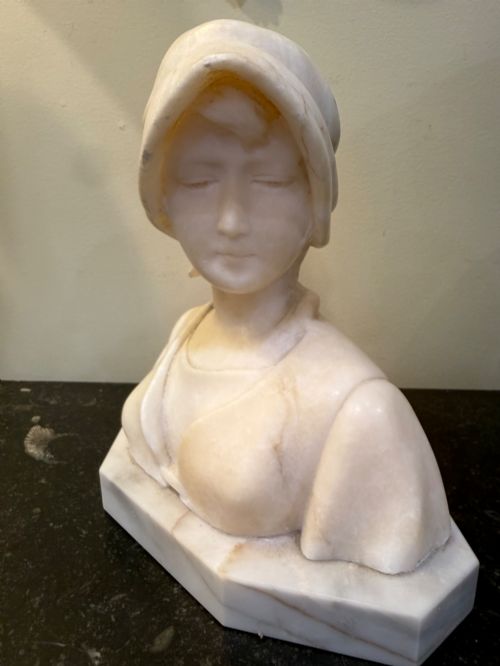


Victorian Marble Portrait Bust
A victorian marble portrait bust brings nineteenth-century presence into a room, capturing historical sitters and literary figures in carved stone.
Victorian Marble Portrait Bust
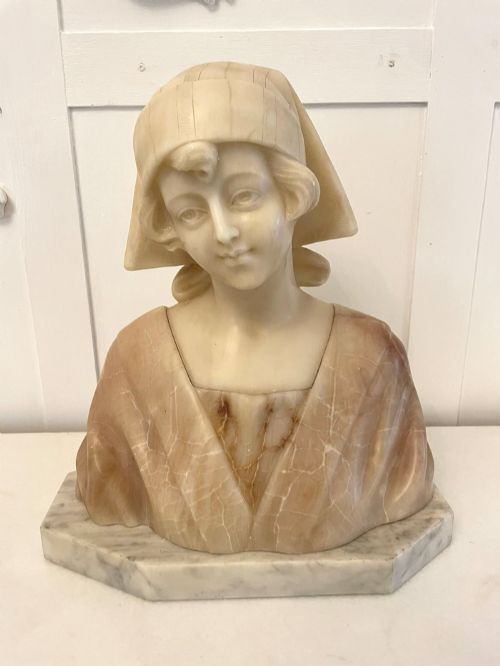
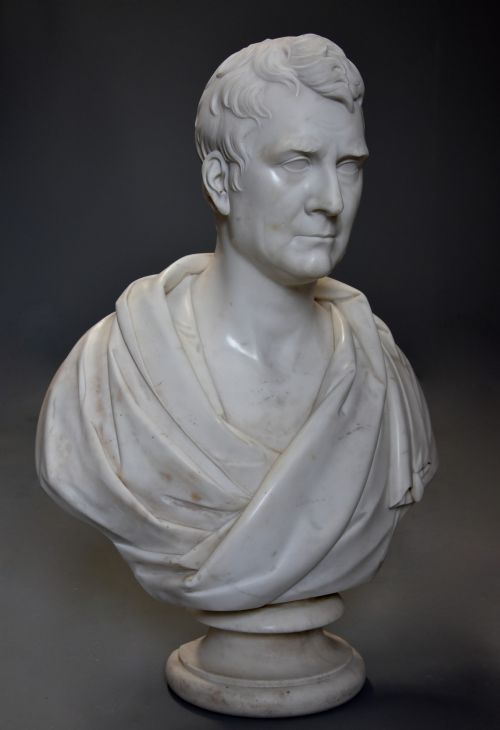
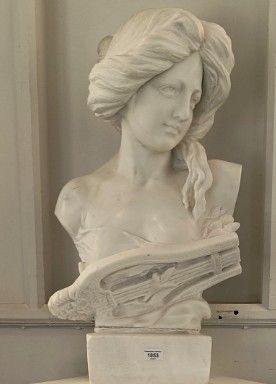
A victorian marble portrait bust portrays specific individuals, classical figures, or character studies carved during the nineteenth century. These sculptures range from civic portraits of named gentlemen and politicians to idealized representations of mythological muses, young girls, and veiled ladies.
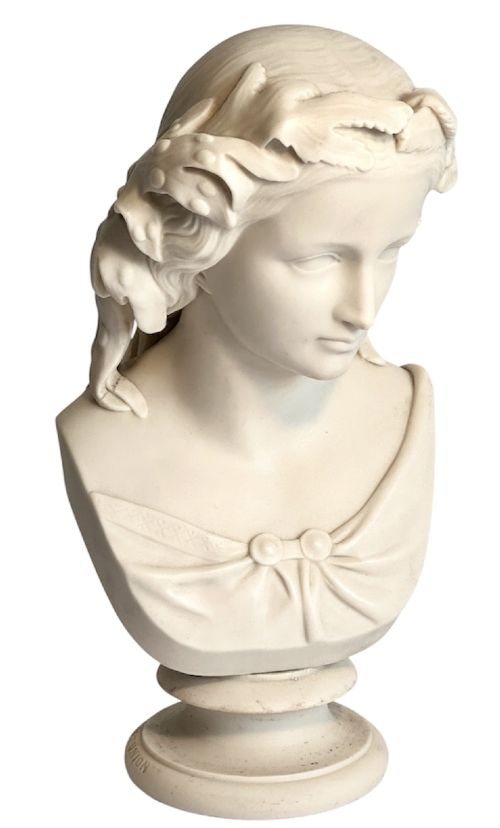
The versions most commonly met on this page include nineteenth-century Italian and French carved white marble, Carrara marble, and statuary marble pieces. Alongside pure stone examples, related materials such as alabaster, bronze, and Parian porcelain appear within the grouping.
Makers and subjects vary widely, spanning British parliamentary figures, literary characters like Miranda and William Shakespeare, and continental studies of children or orientalist figures. Many sit on contrasting socles or plinths made of black marble or prato verde.
How they were made
Carvers shaped these sculptures primarily from blocks of white marble, Carrara marble, or statuary marble using traditional hand-chisingel and polishing techniques. Alabaster was also utilised for softer, more translucent effects on select nineteenth-century pieces.
Foundry-cast bronze occasionally supplements carved stone within the selection, often mounted directly onto contrasting marble bases. Parian porcelain provides a ceramic alternative used by factories to replicate the smooth finish of carved marble for literary subjects.
Victorian Marble Portrait Bust Retail Price Guide 2026
Typical asking prices for victorian marble portrait bust among the pieces listed under this phrase on Sellingantiques today, from the lower quarter to the upper quarter. They describe what is for sale here now, not the wider market.
Listings feature works spanning the nineteenth century, including specific dates from 1839 to 1900 alongside general Victorian and Neoclassical periods.
What varies in quality
Depth of carving and anatomical precision separate standard decorative works from master-carved portraits. Details such as the crisp rendering of hair, the delicate fall of drapery, or the convincing texture of a veil distinguish superior execution.
The choice of stone and base materials dictates visual impact, with statuary and Carrara marble offering brighter, more uniform surfaces than heavily veined alternatives. Signed pieces or works attributable to recorded sculptors carry distinct provenance.
J Francis·John Wenlock Rollins·Mieczyslaw Leon Zawiejski·Alajos Strobl·Eutrope Bouret·Eugene Laurent
The Victorian Marble Portrait Bust Glossary
- Socle
- A short plinth or pedestal supporting a bust. It elevates the sculpture and provides a stable foundation.
- Carrara marble
- A type of white or blue-grey marble from the city of Carrara in Italy. It was widely utilised by nineteenth-century sculptors for portraiture.
- Parian porcelain
- A bisquefine porcelain developed in the nineteenth century to imitate carved marble. It gained popularity for literary figure sculptures.
- Alabaster
- A fine-grained stone used for carving sculptures. It offers a softer texture and greater translucency than traditional marble.
- Torchere
- A tall ornamental stand or pillar. Several examples accompany or match sculptural works in nineteenth-century interiors.
Victorian Marble Portrait Bust: Frequently Asked Questions
Where were these busts displayed?
Nineteenth-century households placed these sculptures on mantelpieces, libraries, or dedicated pedestals and torcheres. Grand tour travellers also brought smaller bronzes and marbles back from Italy to display in domestic halls.
Public figures and civic leaders commissioned large marble portraits for municipal buildings and galleries. Domestic settings favored literary characters or idealized studies to demonstrate cultural refinement.
How do I clean a marble bust?
Dust the surface regularly with a soft, dry cloth or a gentle brush to prevent grime accumulation. Avoid harsh chemical cleaners or excess water, which can damage porous stone and alabaster.
Professional conservators should handle stubborn staining or historical wax buildup. Unsealed marbles absorb oils easily, so handling the stone with bare hands should be kept to a minimum.
What is a Grand Tour piece?
Grand Tour sculptures were acquired by wealthy young travellers touring cultural sites in Italy and Europe during the nineteenth century. These objects served as sophisticated souvenirs of classical art and antiquity.
Subjects often included historical figures, mythical characters, or miniature bronzes of well-known statues. They reflect the educational ideals of the period.
How do I identify alabaster from marble?
Alabaster feels noticeably softer than marble and can often be scratched with a metal point or fingernail. It also possesses a natural translucency when held near a light source.
Marble presents a harder, more opaque crystalline structure with higher resistance to abrasion. Alabaster objects typically display warmer, slightly honeyed tones compared to bright white statuary marble.