


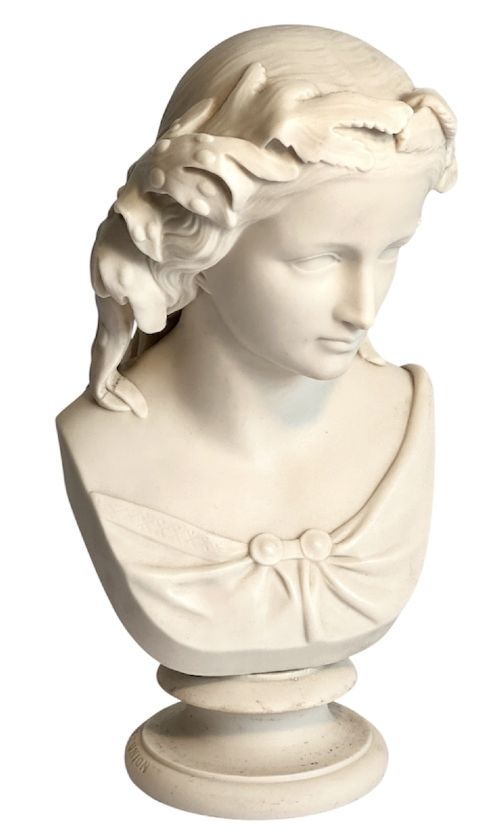
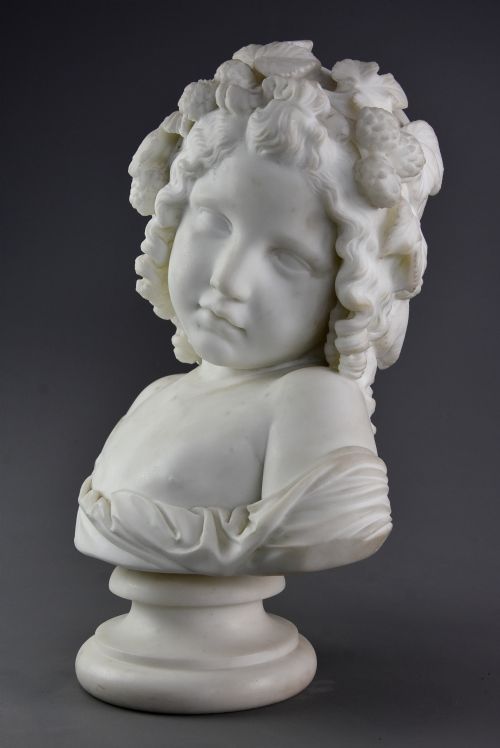
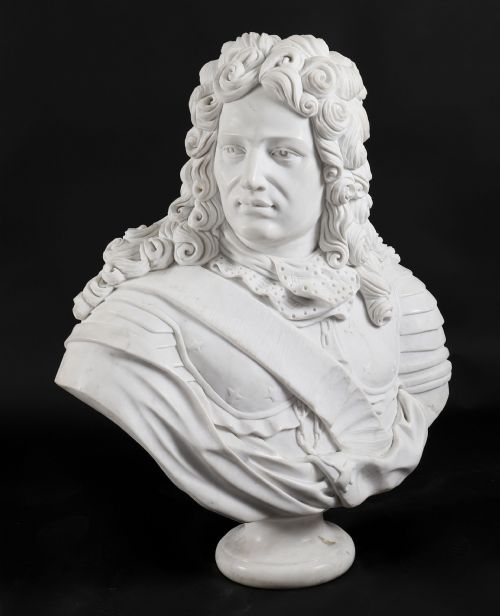
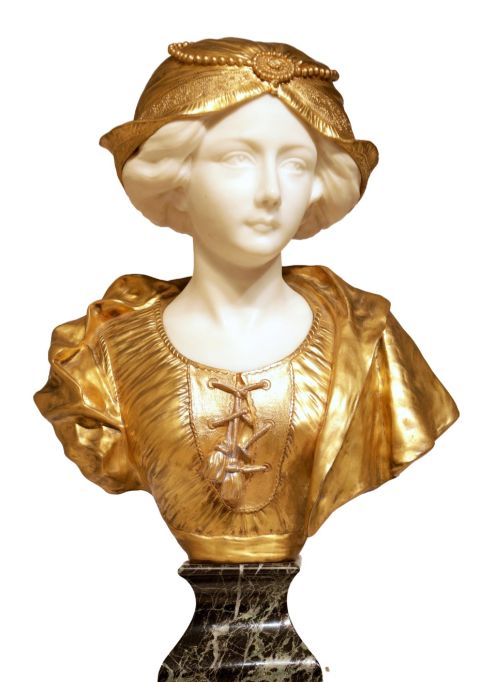


White Marble Bust Sculpture
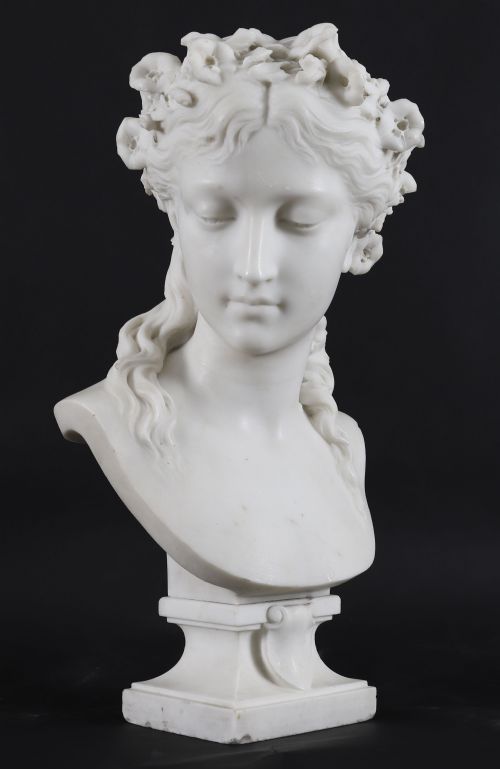
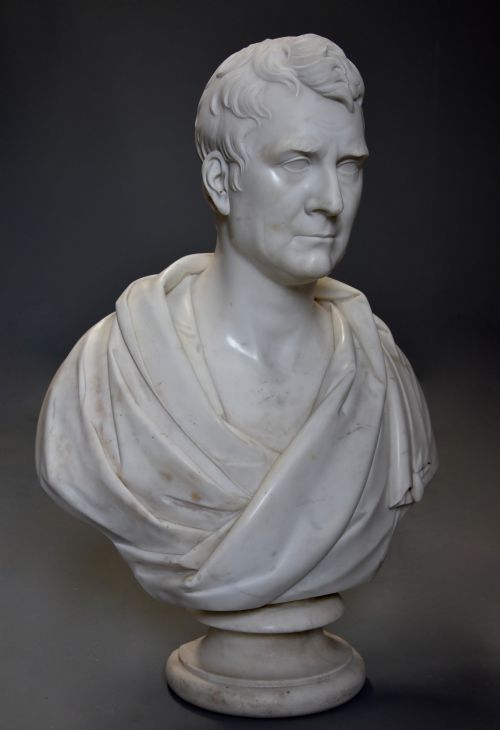
When you search for a white marble bust sculpture, you are looking at carved likenesses of historical figures, classical figures, and unknown sitters spanning centuries of portraiture.
White Marble Bust Sculpture
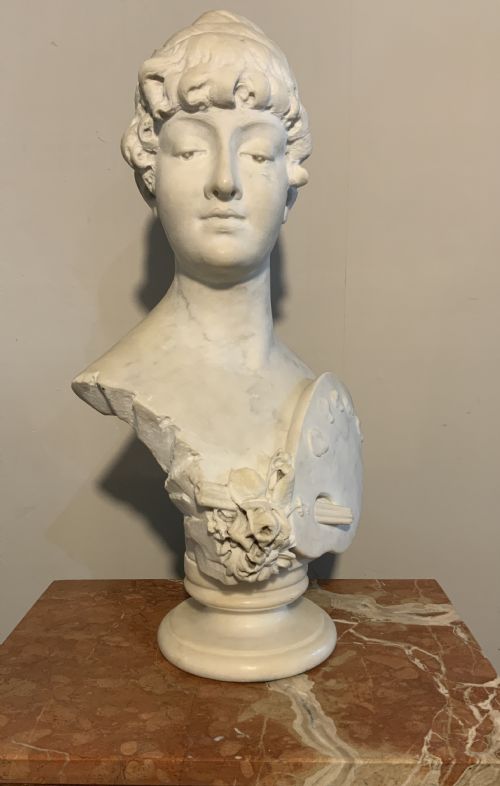
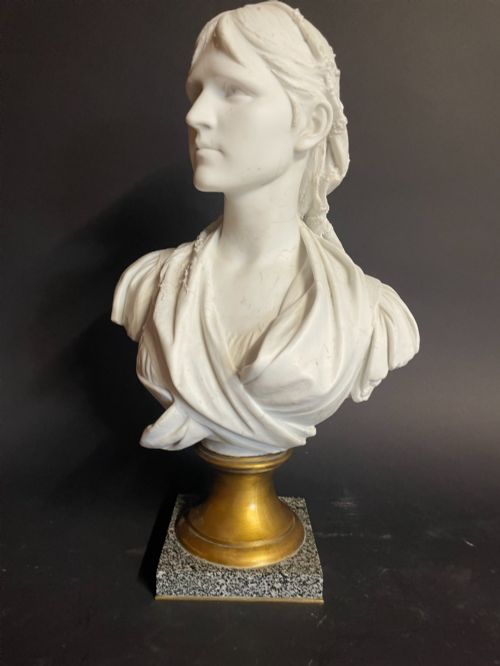
A white marble bust sculpture captures the head and shoulders of a subject, often drawing on classical mythology, historical personages, or contemporary sitters. These pieces appear frequently in nineteenth-century interpretations, channelling earlier aesthetic movements like the Renaissance and classical antiquity.
The format ranges from monumental portraiture intended for civic spaces to smaller library busts designed for domestic display. Subjects include Roman emperors, literary figures like Dante, and anonymous local nobility or young women.
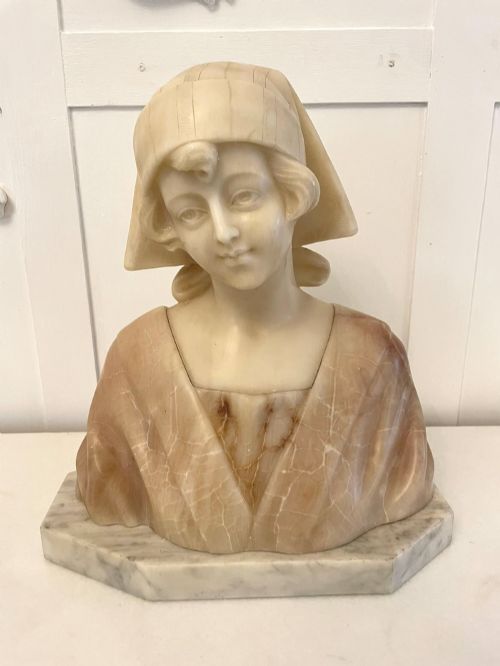
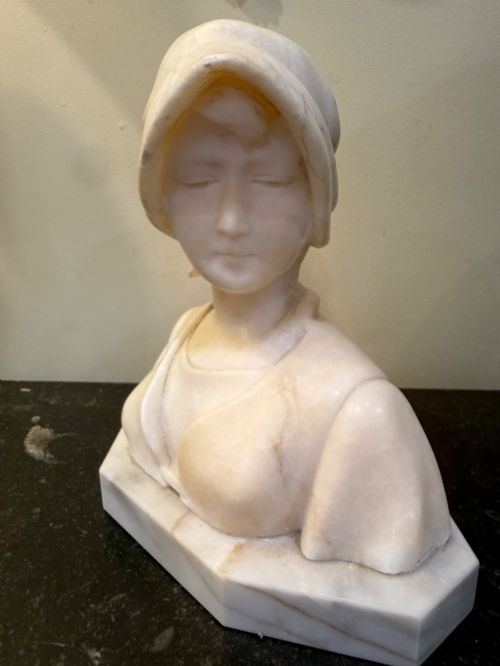
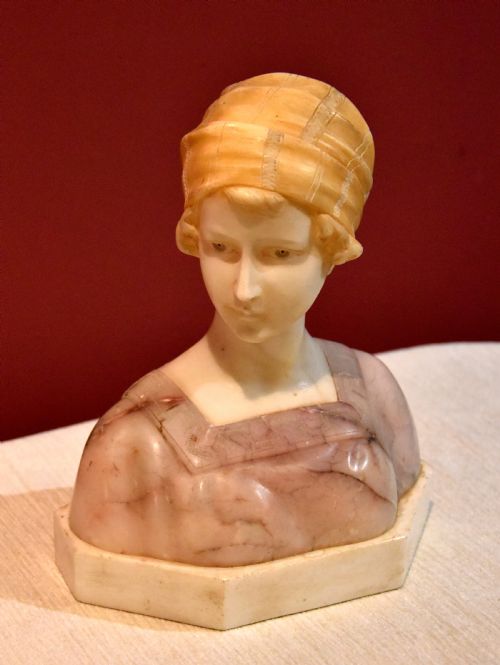
Makers often drew inspiration from the Grand Tour, producing Italian works in Carrara marble alongside English and French interpretations. Collectors encounter both pure carved stone and mixed media pieces incorporating alabaster or bronze.
Evaluating the work
Quality rests in the naturalism of the carving, particularly how the stone mimics skin texture, fabric tension, and hair strands. Weaker pieces display rigid symmetry and mechanical finishing that lacks the softness of human anatomy.
Signatures by recorded sculptors elevate a piece, distinguishing workshop output from master carvers. The choice of marble also plays a role, with pure white Carrara commanding attention for its lack of distracting veining.
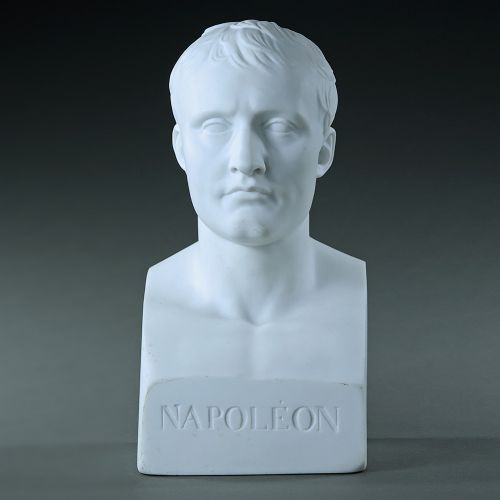
Listings feature works spanning from the seventeenth century through the twentieth century, executed in marble, alabaster, and Parian porcelain.
Affortunato Gory·Eugene Aizelin·John Wenlock Rollins·Auguste Henri Carli
The White Marble Bust Sculpture Glossary
- Carrara marble
- A type of white or blue-grey stone quarried in Tuscany, prized for its use in classical sculpture. It provides the smooth, consistent ground necessary for fine portrait carving.
- Parian porcelain
- A bisquepair ceramic material developed in the nineteenth century to imitate carved marble. Figures cast in this medium offered an accessible alternative to stone sculpture.
- Grand Tour
- A traditional trip through Europe undertaken by upper-class young men in the eighteenth and nineteenth centuries. Travellers frequently returned with carved marble busts and plaques purchased in Italy.
- Neoclassical
- A Western cultural movement drawing inspiration from the art and culture of classical antiquity. This style heavily influenced nineteenth-century sculptors depicting historical and mythological figures.
- Alabaster
- A fine-grained stone that is softer and more translucent than marble. It was often utilised for nineteenth-century portrait busts of women and children.
White Marble Bust Sculpture: Frequently Asked Questions
How do I clean a marble bust?
Dust the surface regularly with a soft, dry brush to prevent dirt accumulation in the carved crevices. Avoid using household cleaning products, water, or oils, as these can permanently damage the porous stone.
For stubborn marks, consult a professional conservator rather than attempting chemical treatments at home. Unsealed marble absorbs liquids easily, meaning moisture can leave lasting stains.
Were these always displayed indoors?
Most portrait busts were created for interior placement in libraries, halls, and studies during the nineteenth century. Grand Tour pieces and garden statues occasionally spent time outdoors, though weather exposure degrades fine carving.
Displaying them on sturdy pedestals or library shelves protects the stone from accidental knocks. Indoor environments also prevent frost damage and moss growth associated with exterior stone.
How can I tell the period?
Examine the undercuts in the hair and the execution of the drapery for clues regarding the date of production. Nineteenth-century pieces often exhibit machine-assisted finishing combined with hand-chiselling, while earlier examples rely entirely on manual tool marks.
Signatures, foundry marks, or biographical details of the sitter provide further chronological anchors. Comparing the style of the clothing or armour to historical records helps narrow down the decade.
What is the difference between marble and alabaster?
Marble is a metamorphic rock formed from recrystallised carbonate minerals, offering high hardness and durability. Alabaster is significantly softer and possesses a translucent quality that allows light to penetrate the surface.
Carvers could achieve finer, more delicate details in alabaster, but the material scratches much more easily than marble. Alabaster pieces are also generally smaller in scale due to the limitations of the raw stone blocks.