



Italian Marble Sculpture Bust
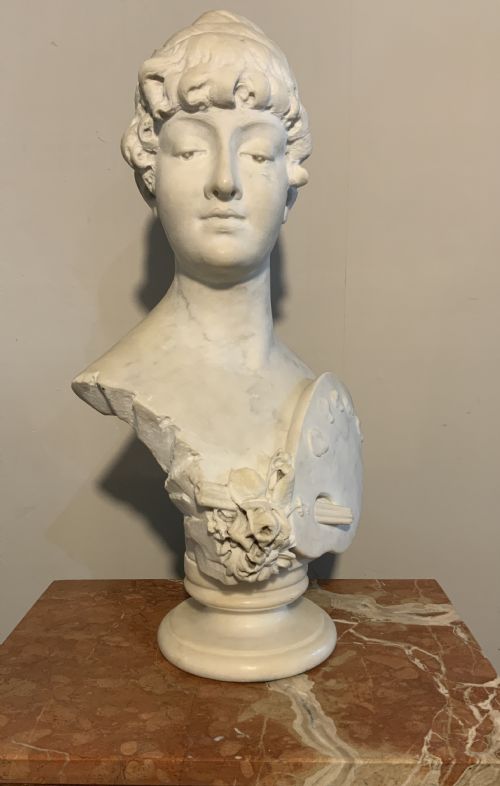
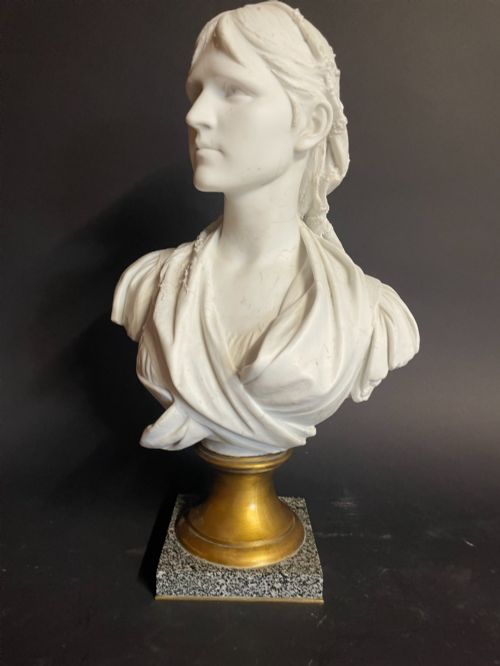
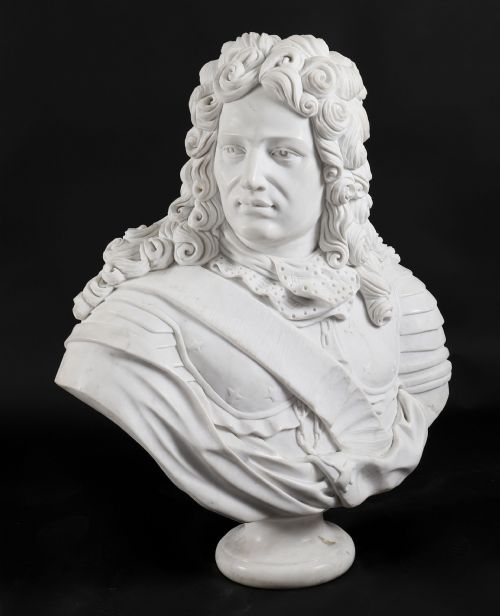
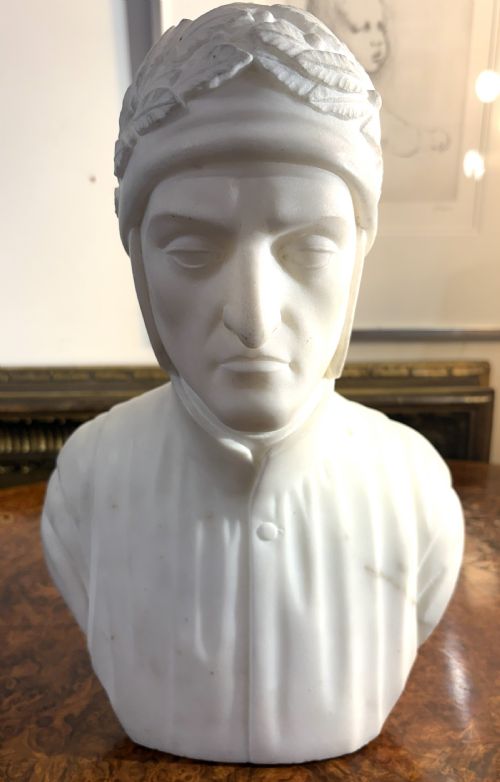
An italian marble sculpture bust brings classical presence and carved detail into a room, capturing historical figures and classical deities in solid stone.
Italian Marble Sculpture Bust
An italian marble sculpture bust focuses on carved representations of human subjects, ranging from mythological figures and literary poets to noblemen and young children. Buyers searching for an italian marble sculpture bust encounter works shaped across the seventeenth, nineteenth, and early twentieth centuries.
The objects take various physical forms, including freestanding library busts, profile relief plaques, and larger sculptural studies mounted on contrasting marble or bronze bases. Nineteenth-century examples often reflect grand tour influences and classical revival aesthetics.
Makers and signatures appear on select pieces, connecting works to specific nineteenth and early twentieth-century workshops and sculptors. These sculptures function as interior focal points, drawing attention through their carved facial expressions and detailed drapery.
Materials and Techniques
Carvers shaped these works primarily from white marble, Carrara marble, and alabaster, utilising stone's natural density to achieve smooth facial contours and intricate hair. Artisans combined these white and veined stones with secondary materials like bronze, brass, granite, and scagliola for bases and structural mounts.
Sculptors employed traditional chiselling and polishing techniques to create contrast between the matte texture of skin and the polished surfaces of garments or pedestals. Signed works demonstrate individual mastery over the stone, with carved details reflecting neoclassical and art nouveau stylistic influences.
Current listings feature pieces spanning the seventeenth through the mid-twentieth century, constructed from Carrara marble, alabaster, bronze, and vert de mer marble.
Judging Quality
The handling of the material distinguishes standard works from finer studio productions, particularly where the natural veining of the marble enhances the sculptural form. Signed pieces and those retaining specific period character command greater attention from collectors.
R. Mattei·Antonio Merente·Pugi·Gory·Richard Aurili
The Italian Marble Sculpture Bust Glossary
- Carrara marble
- A type of white or blue-grey marble quarried in the city of Carrara in Tuscany, prized by sculptors for its fine grain and uniform texture. It forms the primary material for many nineteenth-century carved busts.
- Grand tour
- A cultural trip through Europe undertaken by wealthy young men in the eighteenth and nineteenth centuries, resulting in the acquisition of classical souvenirs. Many carved marble busts and bronzes trace their origins to this collecting tradition.
- Scagliola
- A composite substance made from selenite, glue, and pigments, mimicking the appearance of natural inlay and marble. It appears on decorative pedestals and architectural supports.
- Vert de Mer
- A dark green decorative marble with white calcite veins, frequently utilised for sculptural bases and pedestals. It provides a strong visual contrast to white marble portrait heads.
- Portoro
- A black Italian marble with distinctive gold veins, often used for luxury architectural elements and sculptural bases. This material highlights the carved white marble figures mounted upon it.
Italian Marble Sculpture Bust: Frequently Asked Questions
What is an italian marble sculpture bust?
These pieces are carved stone portraits depicting historical figures, mythological deities, and anonymous subjects created across several centuries.
They serve as decorative works designed for display on library shelves, mantelpieces, or dedicated pedestals within domestic interiors.
How do I identify a nineteenth-century piece?
Nineteenth-century works often reflect grand tour aesthetics, neoclassical revival styles, and specific carving techniques associated with Italian workshops of that era.
Examining the treatment of the stone, the style of the signature, and the composition of any supporting base helps determine the period.
Where were these sculptures displayed?
Historically, these busts occupied libraries, studies, and drawing rooms as symbols of classical learning and refined taste.
Today, they function similarly in modern interiors, placed on tables, brackets, or stone columns to create architectural height and focal points.
What is the difference between marble and alabaster?
Marble is a metamorphic rock formed from limestone, offering high durability and a crystalline structure suitable for detailed carving.
Alabaster is a softer, gypsum-based stone that allows for a translucent quality, often utilised for smaller or more delicate figural sculptures.
How should I clean a marble bust?
Dust the surface regularly with a soft, dry cloth to prevent the accumulation of particles in the carved crevices and details.
Avoid using harsh chemical cleaners or excess water, as these substances can damage the porous surface of the stone.