

Antique Female Head Bust
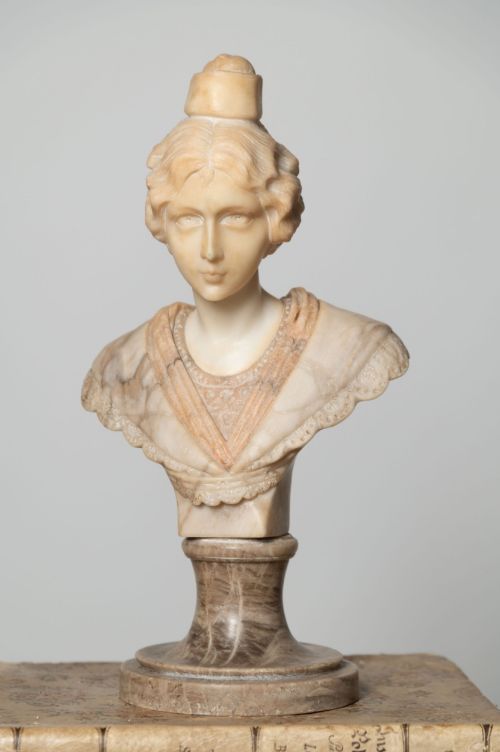
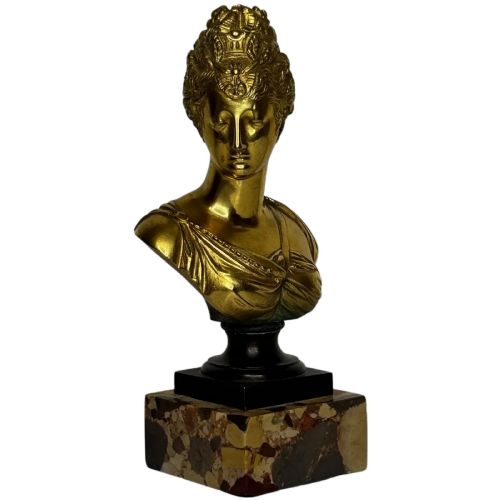
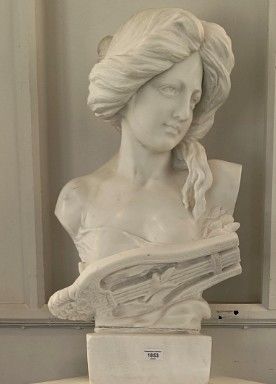
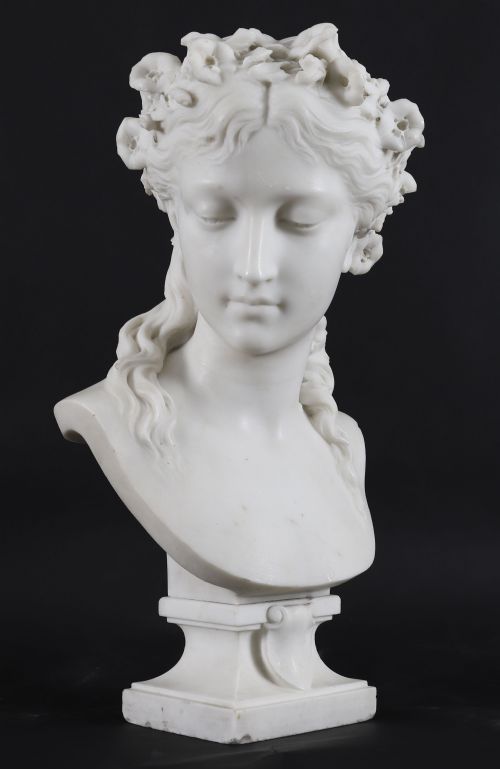
These antique female head bust sculptures capture historic likenesses in marble, bronze, and alabaster for your collection.
Antique Female Head Bust
An antique female head bust presents sculptural likenesses of women rendered in three dimensions, drawing heavily on classical mythology, historical figures, and portraiture. The pieces span from the seventeenth century through to the Art Deco era, encompassing Neoclassical, Art Nouveau, and Renaissance Revival styles.
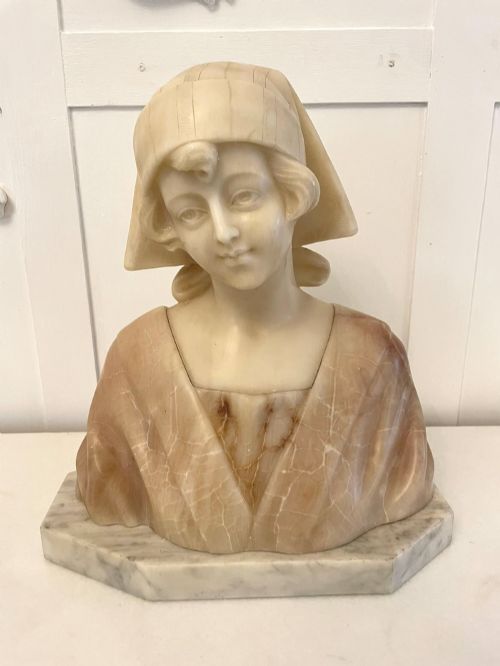
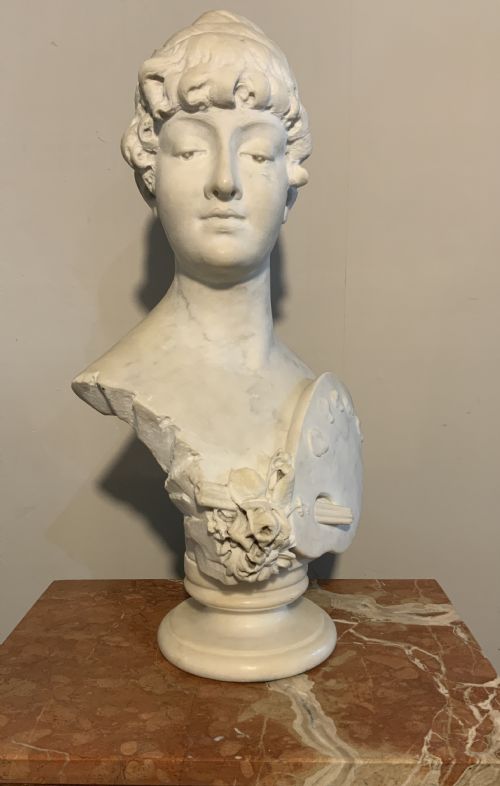
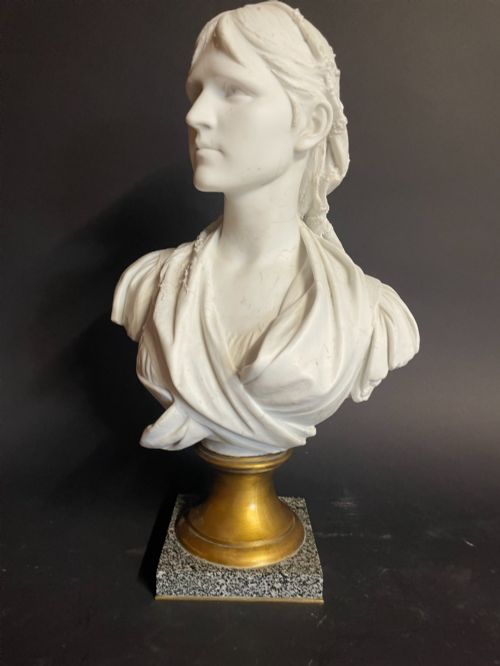
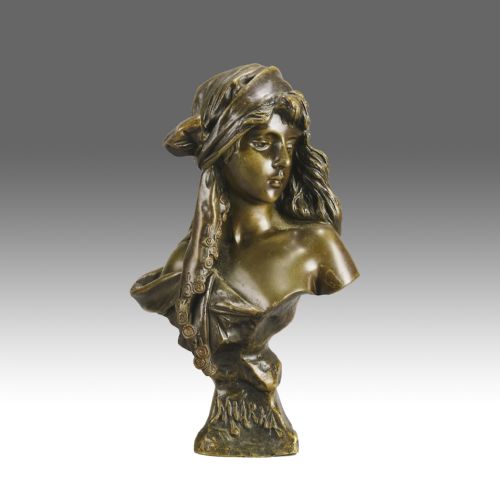
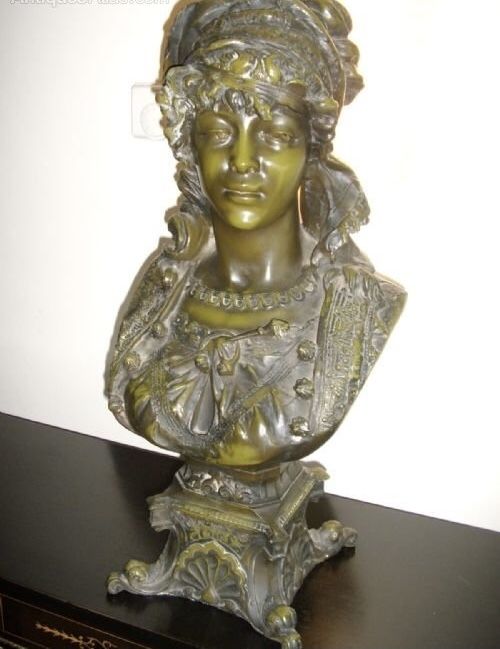
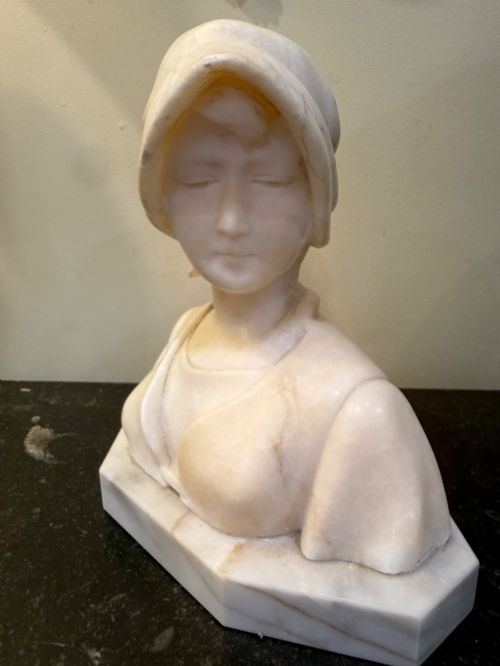
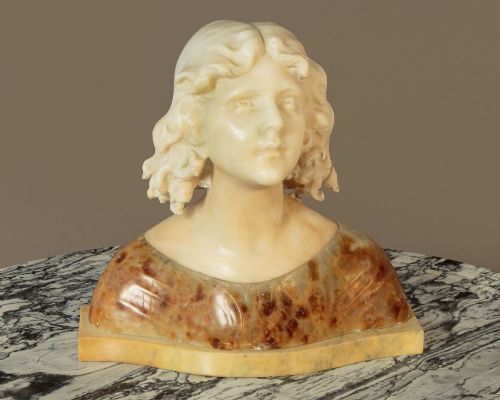
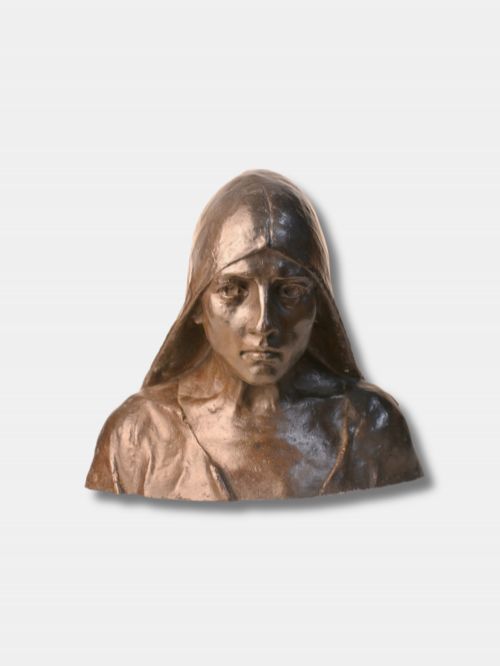
The version most commonly encountered on this page is the nineteenth-century carved marble or cast bronze portrait, often originating from French and Italian workshops. These works frequently depict classical deities, muses, or young ladies modelled with expressive detail.
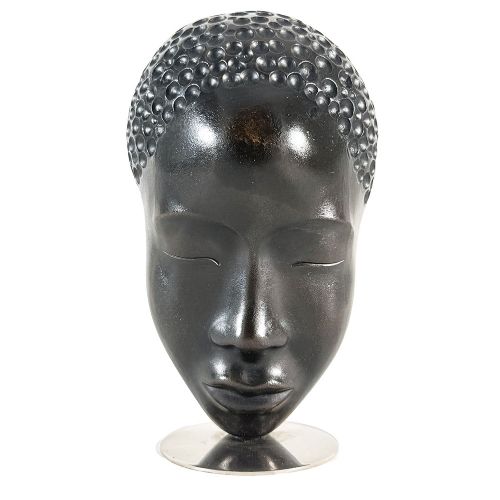
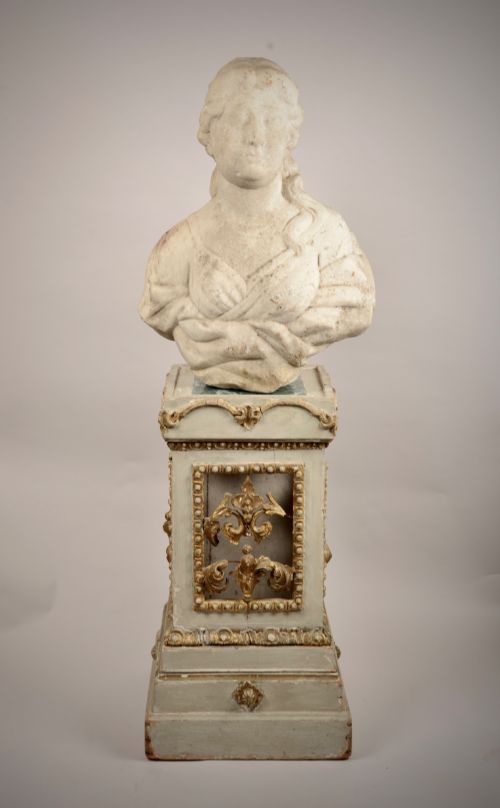
Beyond traditional stone and metal, the selection includes painted plaster, carved wood, terracotta, and shop display mannequins. These diverse objects range from modest Edwardian desk sculptures to large decorative figures on marble bases.
Materials and construction
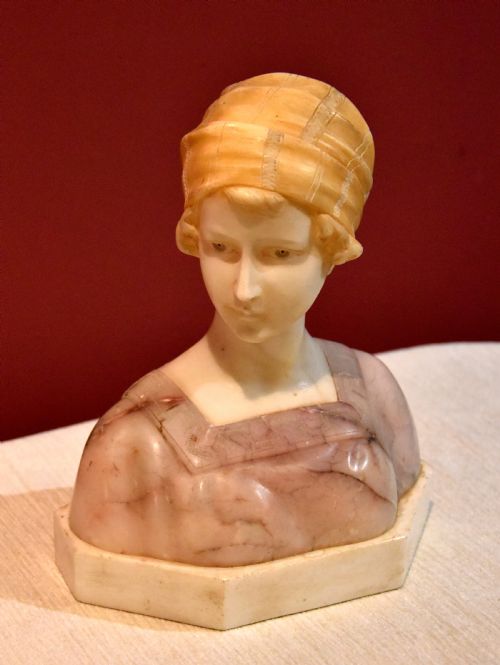
Carved pieces utilise fine stones such as Carrara marble, alabaster, and mixed marbles, shaped with chisels and polished to reveal the grain and texture of the material. Wooden examples employ skilled hand-carving to define hair and drapery.
French and Italian classical styles dominate the selection, depicting mythological figures, muses, and noble ladies.
Judging quality
The finesse of the carving or casting determines the refinement of the piece, particularly in the rendering of facial expression, hair texture, and the fall of fabric. Superior examples show anatomical precision and careful attention to the subject's gaze.
The choice of base materials and secondary stones, such as contrasting vert de mer marble or ormolu mounts, elevates the presence of the sculpture. Signed works by documented sculptors carry greater distinction through proven artistic attribution.
Eugene Aizelin·Emmanuel Villanis·Henry Wissen Senior·Auguste Henri Carli·Emile Jespers·Gilbert Privat·Boudewijn Tuerlinckx·Georges Morin·Bohumil Rezl
The Antique Female Head Bust Glossary
- Carrara marble
- A type of white or blue-grey marble from the city of Carrara in Italy, widely used for classical sculpture. It is prized for its fine, uniform grain.
- Patina
- The surface sheen or coloration developed through age or chemical treatment on bronze and metal sculptures. This finish enhances the depth of the modelled details.
- Terracotta
- Baked clay used unglazed for sculptural portraits, allowing earthy tones and matte textures. It requires careful handling due to its brittle nature.
- Orlomu
- Gilt bronze mounted onto furniture or sculpture bases for decorative effect. The technique involves applying a gold-mercury amalgam to bronze.
Antique Female Head Bust: Frequently Asked Questions
What materials are used for these busts?
Sculptors utilised traditional materials including Carrara marble, alabaster, bronze, terracotta, wood, and plaster. Some works incorporate mixed stones and ormolu mounts for contrast.
These varied mediums dictate the weight, finish, and display requirements of each individual sculpture.
How do I identify the period of a bust?
Stylistic clues such as Neoclassical drapery, Art Nouveau flowing hair, or Art Deco geometric lines help determine the era. Signatures, foundry marks, and material choices further confirm the date.
Comparing the subject matter and costume to known historical periods narrows down the decade of creation.
Where should I display a marble bust?
Heavy stone and bronze pieces require a sturdy surface such as a dedicated column, console table, or heavy sideboard. Placement should account for the weight and the viewing angle of the carved face.
Keeping the sculpture away from direct heat sources protects materials like wood, plaster, and painted terracotta from drying out.
Are these sculptures signed by the artist?
Many pieces bear signatures, monograms, or foundry stamps cast directly into the metal or incised into the stone base. These markings connect the work to documented European sculptors.
Unsigned examples frequently reflect the broader stylistic trends of French and Italian workshops from the nineteenth century.