

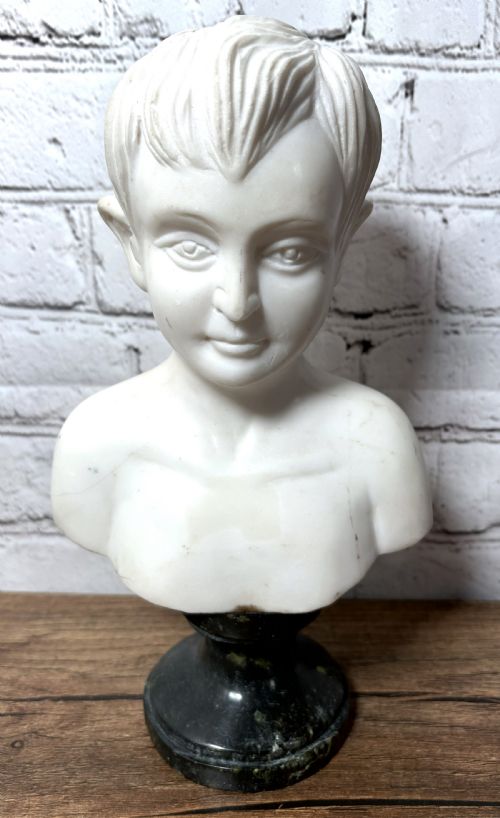


Grand Tour Marble Portrait
Grand tour marble portrait sculptures bring classical figures and historical rulers into a room through carved stone.
Grand Tour Marble Portrait
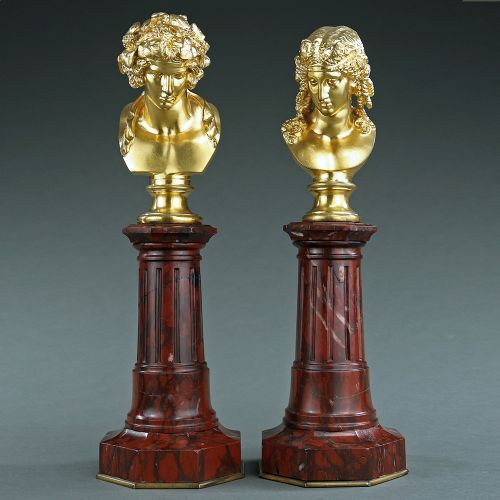
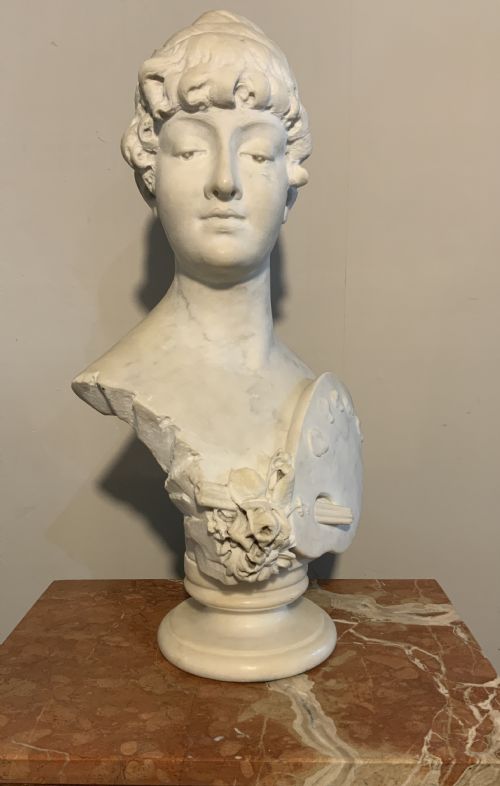
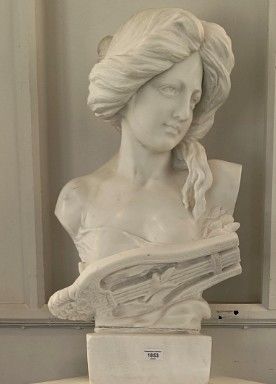
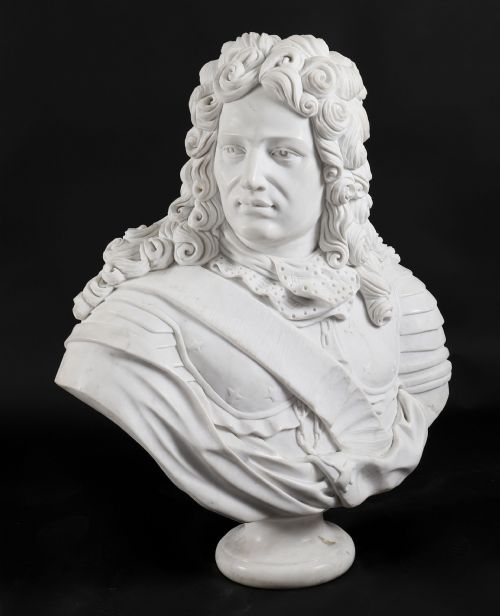
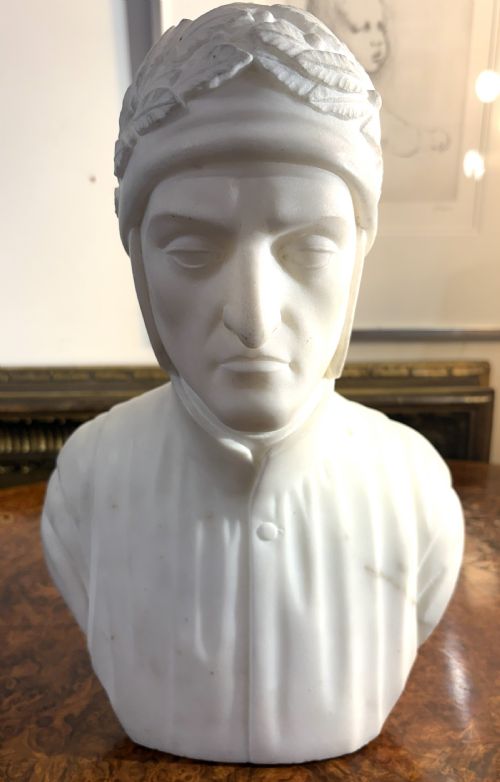
Grand tour marble portrait pieces are carved sculptures, busts, and wall plaques created as souvenirs for travellers exploring Italy and Europe during the eighteenth and nineteenth centuries. These works depict classical philosophers, Roman emperors, mythical figures, and literary greats like Dante and Virgil.
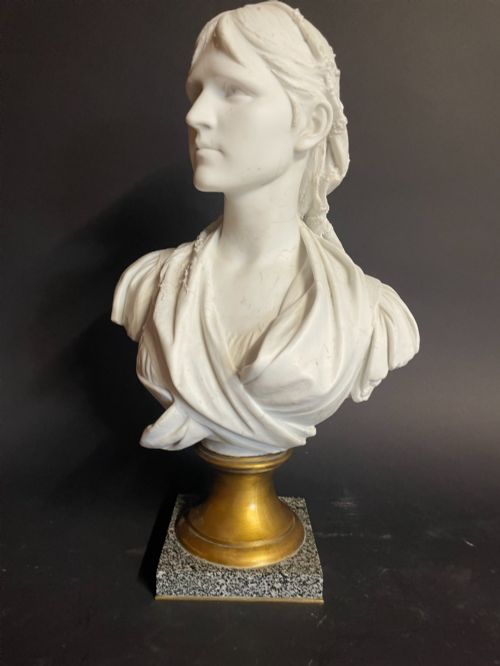
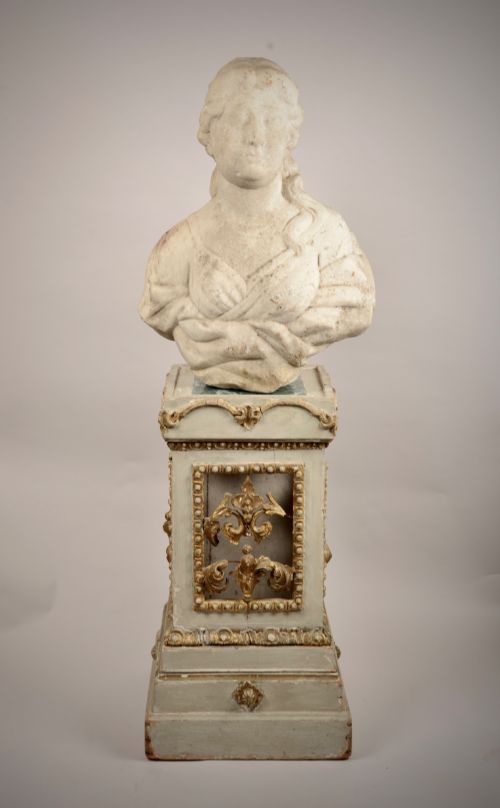
The most common examples on this page are nineteenth-century white and Carrara marble busts and profile plaques, alongside seventeenth and eighteenth-century sculptural fragments and souvenirs. Makers often mounted these stone portraits on contrasting plinths or integrated them into inkstands using lava cameos and prato verde marble.
Materials and construction
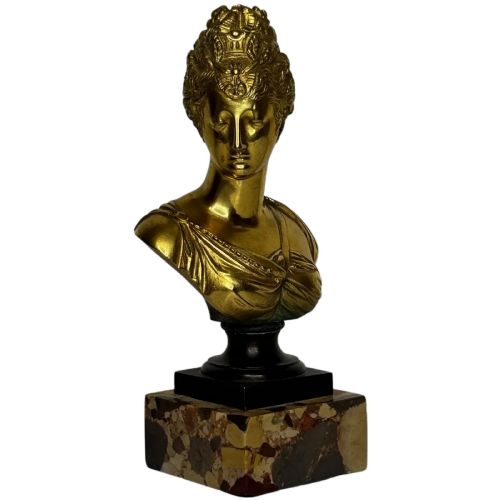
Carvers shaped these portraits primarily from white, Carrara, and mixed marbles, occasionally combining stone with bronze, gilt bronze, or brass mounts. Workshops also utilised dark stones and lava for contrast, particularly in profile plaques and inkstands.
Sculptors executed the portraits using hand chisels and drills to capture facial details, hair texture, and classical drapery. Plaque makers relied on bas-relief techniques to set profiles against darker marble grounds.
Roman emperors and poets spent centuries travelling across Europe a second time inside gentlemen's luggage.
Distinctions in quality
Quality rests in the precision of the carving, particularly in the rendering of facial expression, hair, and the folds of classical drapery. Superior pieces display anatomical accuracy and fine polish, whereas simpler works remain more schematic in execution.
The choice of material also dictates distinction, with solid statuary marble and well-matched contrasting bases outperforming mixed stone assemblages with lesser finishing.
Thorvalsen Workshop
The Grand Tour Marble Portrait Glossary
- Carrara marble
- A type of white or blue-grey marble quarried in the city of Carrara in Tuscany, widely used for classical sculpture. Sculptors favoured this stone for its fine grain and consistent texture.
- Grand Tour
- A traditional trip of Europe undertaken by upper-class European young men of sufficient means in the seventeenth through nineteenth centuries. Travellers collected antiquities and souvenir portraits as cultural proof of their travels.
- Bas-relief
- A sculptural technique where the figures project only slightly from the background plane. This method appears frequently on profile plaques depicting Roman emperors.
- Prato verde
- A green stone variety utilised in Italian souvenir pieces such as inkstands. It provides a dark contrasting surface for mounted cameos and intaglios.
- Intaglio
- A gem or stone carved in incised relief, often set into desk accessories or plaques alongside marble portraits.
Grand Tour Marble Portrait: Frequently Asked Questions
How were these marble portraits displayed?
Owners placed library busts on desks, bookshelves, and mantelpieces to signal classical learning and refined taste. Wall plaques hung in studies and antechambers alongside paintings and prints.
Smaller souvenir items, such as inkstands set with marble and lava cameos, combined decorative display with functional use on writing desks.
How do I tell nineteenth-century pieces from earlier works?
Nineteenth-century pieces often reflect the revival styles of the period, utilising machine-assisted finishing alongside hand carving to meet the demand of travellers. Eighteenth-century and earlier examples typically display greater hand tool work and different patination on the stone surface.
Stylistic cues, such as the specific cut of the bust or the treatment of the hair, also help assign pieces to periods spanning the seventeenth to the twentieth centuries.
What subjects do these portraits show?
The subjects are drawn from classical history and mythology, featuring Roman emperors like Augustus alongside philosophers such as Seneca and Hippocrates. Literary figures including Dante, Virgil, and Shakespeare also appear frequently.
Unnamed gentlemen, noblemen in armour, and ladies in classical drapery represent the broader portraiture purchased by travellers abroad.