




White Glazed Figures
White glazed figures bring sculptural form and crisp monochrome surface together, spanning centuries of European and Asian ceramic traditions.
White Glazed Figures
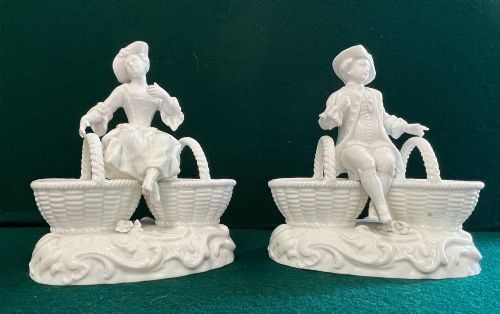
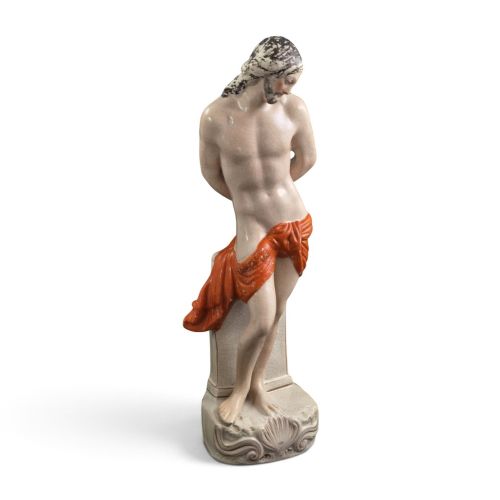
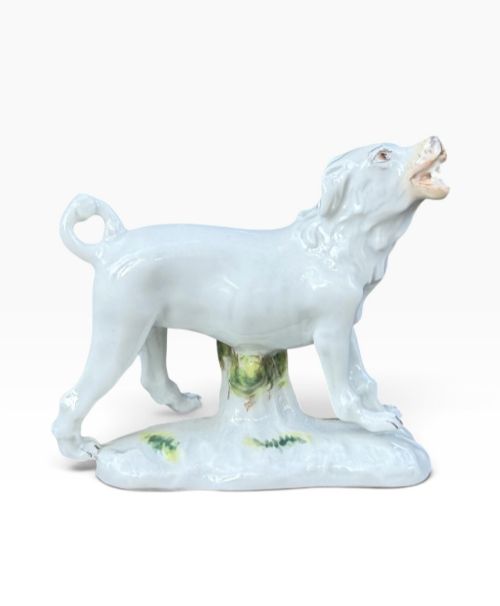
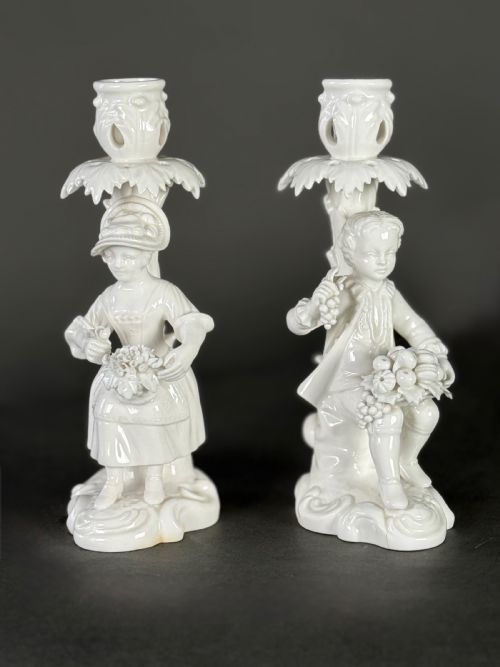
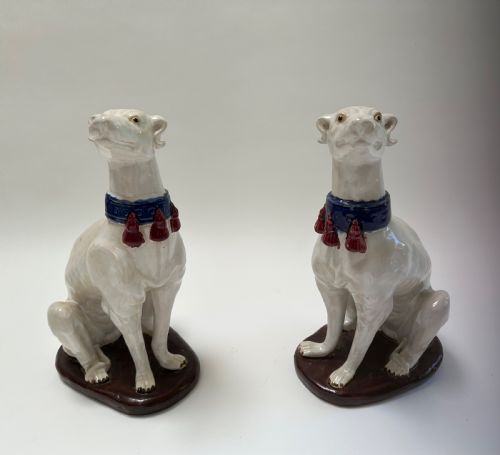
White glazed figures encompass ceramic sculptures, portrait groups, animal studies, and figural candlesticks produced across the eighteenth, nineteenth, and early twentieth centuries. These objects range from English earthenware flatbacks and Staffordshire dogs to German hard-paste porcelain figures and French soft-paste groups.
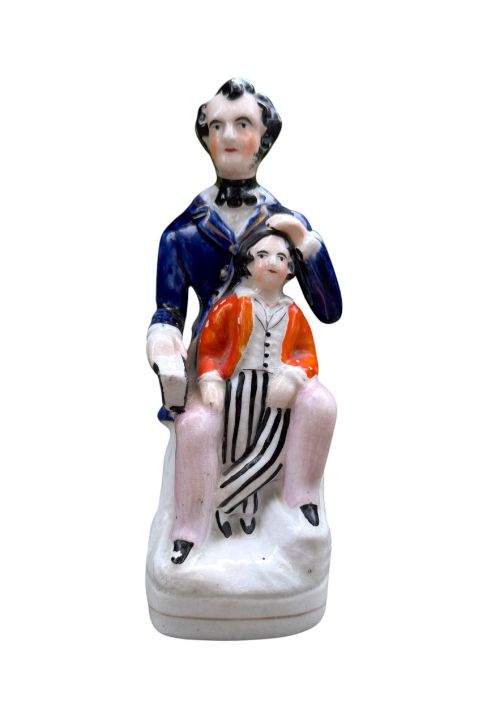
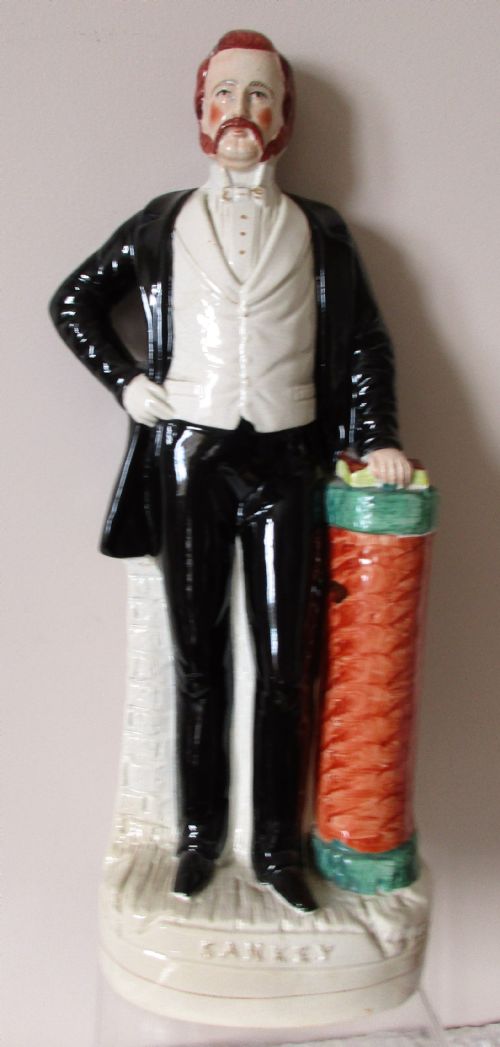
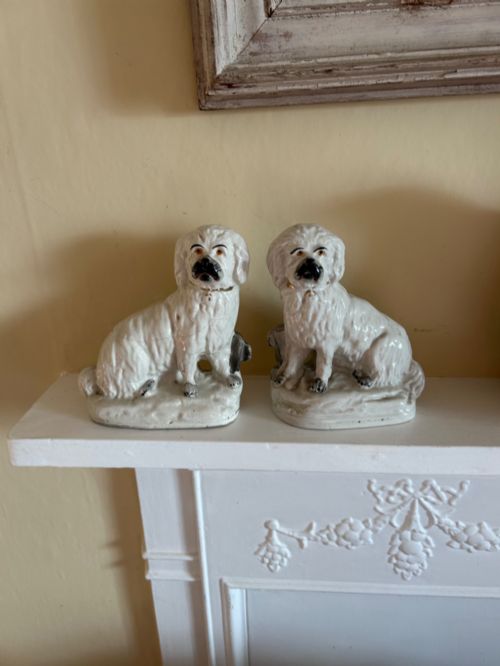
The most common examples encountered on this page are nineteenth-century Victorian Staffordshire pottery dogs, portrait figures, and pairs of decorative ornaments. Alongside these English earthenware pieces, continental porcelain factories and Dutch delftware workshops contribute animals, mythological subjects, and pastoral groups to the selection.
How they were made
Makers utilised earthenware, porcelain, and terracotta, applying lead glaze, tin glaze, or enamel paint to seal the ceramic body and create a smooth white surface. Hard-paste and soft-paste porcelain required high-firing temperatures, whereas earthenware pieces often relied on a tin or lead glaze layer over a buff or cream-coloured body.
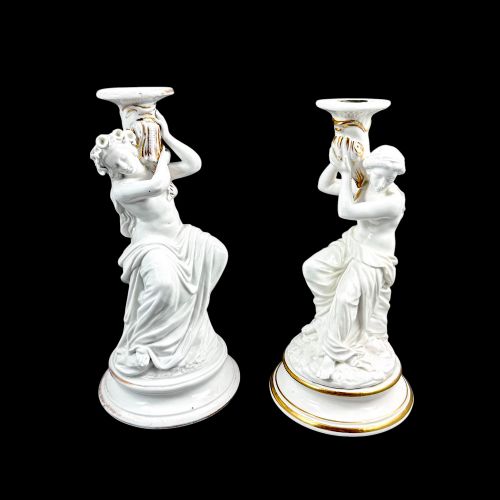
Modelling and moulding techniques defined the final shape, with many nineteenth-century Staffordshire and continental figures formed in press moulds and finished with hand-painted details. Candlestick holders, lamp bases, and sculptural groups combined functional elements with intricate figurative modelling.
Figurative forms range from animals and pastoral groups to portrait subjects and functional candlesticks.
What varies in quality
Early eighteenth-century works and pieces from established factories display a high standard of kiln control and paste preparation. Later mass-produced earthenware often shows simpler moulding and heavier glaze application, shifting the visual interest from delicate modelling to robust folk character.
Meissen·Thomas Parr·Paul Scheurich·Theo Voss
The White Glazed Figures Glossary
- Blanc de Chine
- A French term for white Chinese porcelain, specifically associated with the white-glazed wares produced at Dehua. This finish highlights the translucent quality of the paste and the purity of the sculptural form.
- Flatback
- A Staffordshire pottery figure designed with an unglazed or simply finished flat reverse to sit flush against a wall or mantelpiece. This method saved material and weight during production.
- Earthenware
- A porous ceramic body fired at lower temperatures than porcelain. It requires a glaze, such as tin or lead glaze, to become waterproof.
- Hard-paste porcelain
- A dense, vitrified ceramic composed of kaolin and petuntse, fired at high temperatures. It produces a durable, bright white body that resists scratching.
- Tin glaze
- An opaque white glaze containing tin oxide, typical of delftware and majolica. It provides a flat white ground suitable for painting or sculptural display.
White Glazed Figures: Frequently Asked Questions
What are white glazed figures?
White glazed figures are ceramic sculptures, animals, and portrait groups coated in a white glaze or enamel finish. They include earthenware, porcelain, and terracotta objects from various European and Asian traditions.
These pieces served as mantel ornaments, candlesticks, and decorative table centrepieces. Their neutral white surfaces emphasise the underlying modelling and sculptural detail.
How do I date an antique figure?
Dating relies on stylistic markers, manufacturing techniques, and underlying ceramic materials. Eighteenth-century pieces often feature soft-paste bodies and Rococo forms, while Victorian pieces lean toward robust earthenware and portrait subjects.
Examining the base, glaze texture, and any impressed marks provides further clues to the period of origin. Comparing the modelling style to documented factory outputs helps narrow down the decade of production.
Were these figures meant for display?
Most of these ceramic objects functioned as decorative ornaments for domestic interiors, displayed on mantelpieces, sideboards, and cabinets. Some examples incorporated practical uses, such as candlesticks, inkwells, or lamp bases.
Wealthy households displayed fine porcelain factories' sculptural groups, while simpler earthenware versions decorated everyday Victorian homes.
How should I care for ceramic figures?
Ceramic figures require gentle dusting with a soft, dry brush to prevent the accumulation of dirt on glazed surfaces. Avoiding harsh chemical cleaners preserves the integrity of the glaze and any subtle enamel painting.
Keeping them out of direct sunlight and unstable environments protects the ceramic body from thermal shock and fading. Secure placement on stable furniture prevents accidental knocks.