



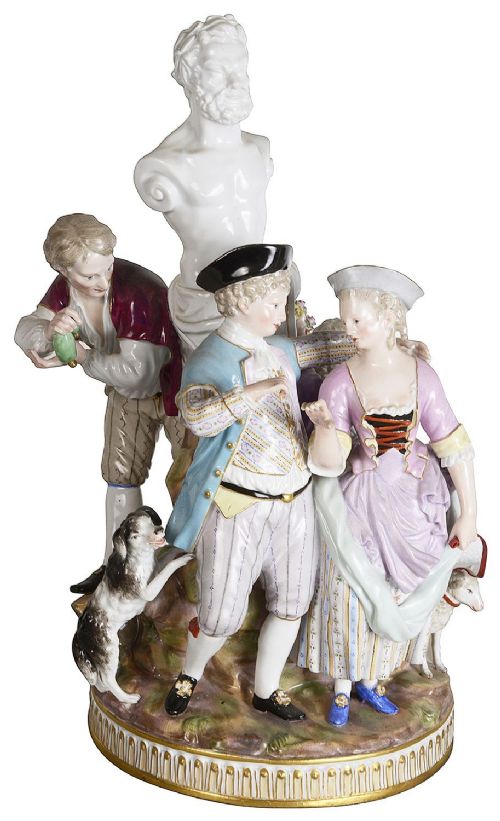


White Meissen Figurines
White meissen figurines are hard-paste porcelain sculptures spanning the eighteenth to early twentieth centuries, prized for their modelled detail and monochrome glaze.
White Meissen Figurines
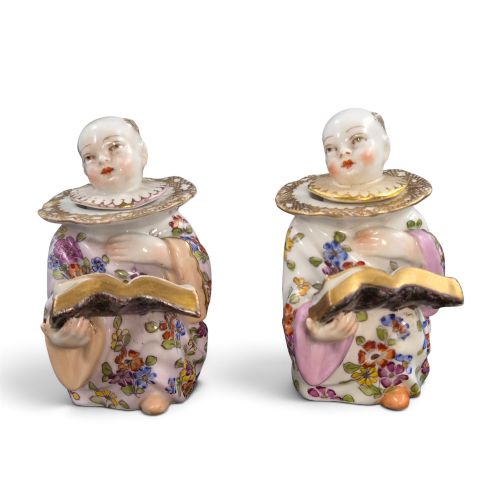
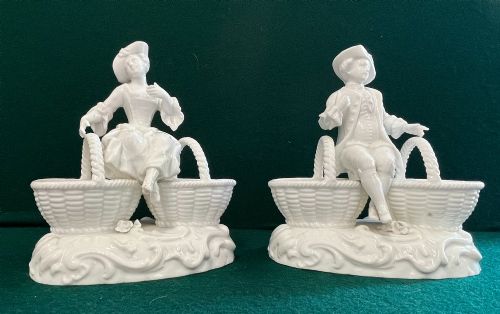
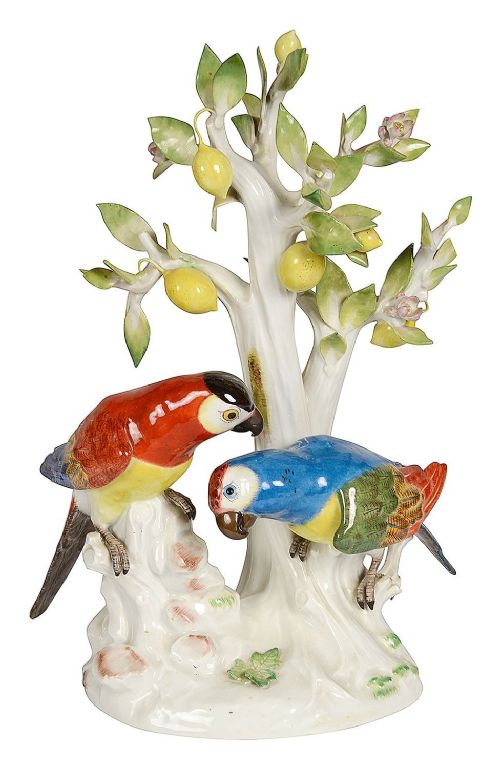
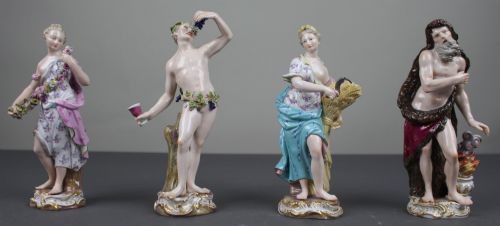
White meissen figurines encompass a wide variety of subjects, from allegorical sets like the four seasons to animals such as parrots, dogs, monkeys, elephants and cockatoos. You are likely to encounter pairs of figures, inkwells, sweetmeat baskets and figural groups produced in distinct historical periods.
The selection ranges from eighteenth-century pieces modelled in rococo styles to nineteenth-century historicism and early twentieth-century works, including creations by Paul Scheurich. Forms also extend to Edmé Samson productions and Sitzendorf figures that share similar manufacturing traditions.
These decorative objects functioned as centrepieces and ornaments for elite interiors, often depicting classical themes, romantic courting couples or exotic animals. Their survival in white glazed porcelain or blanc de Chine highlights the enduring appeal of unpainted sculptural forms from the Saxon manufactory.
Materials and Manufacture
Hard-paste porcelain forms the primary body of these works, fired at high temperatures to achieve a dense, vitrified structure. This ceramic material provides the necessary strength for intricate modelling without collapsing in the kiln.
Glaze and occasional touches of enamel or gold leaf finish the surfaces, though the defining pieces rely on a pure white glaze or blanc de Chine appearance. Craftsmen utilised intricate moulds to shape complex figural groups, birds and botanical elements prior to firing.
White Meissen Figurines Retail Price Guide 2026
Typical asking prices for white meissen figurines among the pieces listed under this phrase on Sellingantiques today, from the lower quarter to the upper quarter. They describe what is for sale here now, not the wider market.
Parrots, monkeys and elephants stand guard over nineteenth-century drawing rooms, proving that historic porcelain menageries were wonderfully untamed.
Assessing Quality
Quality rests upon the crispness of the modelling and the sensitivity of the sculptural hand, distinguishing finely articulated feathers, foliage and facial expressions from softer, worn impressions. The precision in anatomical rendering and compositional balance separates masterworks from standard production pieces.
The purity of the hard-paste porcelain body and the evenness of the glaze application also dictate value. Superior examples maintain sharp underglaze definition and structural integrity across delicate appendages and complex groupings.
Meissen·Edmé Samson·Sitzendorf·Paul Scheurich
The White Meissen Figurines Glossary
- Hard-paste porcelain
- A true porcelain composed of kaolin and petuntse, fired at high temperatures to produce a hard, vitrified body. This material allows for thin, crisp modelling.
- Blanc de Chine
- A French term for white Chinese porcelain, later used to describe European white-glazed figures lacking polychrome decoration. It emphasises the purity of the monochrome ceramic surface.
- Sweetmeat dish
- An ornamental vessel designed for confectionery, often incorporated into figural arrangements. These pieces combined utility with decorative display on formal dining tables.
- Rococo
- An ornate decorative style prevalent in the eighteenth century, characterised by asymmetry, curves and naturalistic motifs. Many figural compositions reflect this theatrical aesthetic.
White Meissen Figurines: Frequently Asked Questions
How do I identify eighteenth century white meissen figurines?
Eighteenth century pieces typically exhibit rococo styling, lighter modelling and the characteristic paste and glaze of the period. Examining the form and any baseline indicators helps distinguish them from later nineteenth century interpretations.
Studying the complexity of the subject matter, such as allegorical figures or mythological scenes, further clarifies the date of production.
What subjects are common in these porcelain figures?
Subjects range from human figures like gardeners, bagpipers and courting couples to exotic animals including parrots, monkeys, elephants and cockatoos. Allegorical sets representing the four seasons also appear frequently.
Many pieces incorporate functional elements such as inkwells or sweetmeat baskets alongside sculptural displays.
Where were these ceramic figures displayed historically?
These figures served as table centrepieces and decorative ornaments within elite drawing rooms and dining rooms. They were designed to catch the light and display wealth and cultural refinement to guests.
Collectors today place them on mantelpieces, in display cabinets or on dedicated console tables where their monochrome forms can be appreciated.
How do meissen figures differ from sitzendorf pieces?
Meissen figures originate from the primary Saxon manufactory established in the early eighteenth century, known for pioneering European hard-paste porcelain. Sitzendorf represents a later nineteenth century tradition producing figures in a similar historicist style.
Comparing the modelling depth and the specific handling of ceramic bodies helps differentiate the two manufactories.