


Welsh Oak Linen Press
These welsh oak linen press examples combine practical storage with centuries of regional woodworking skill, offering any room robust character.
What They Are
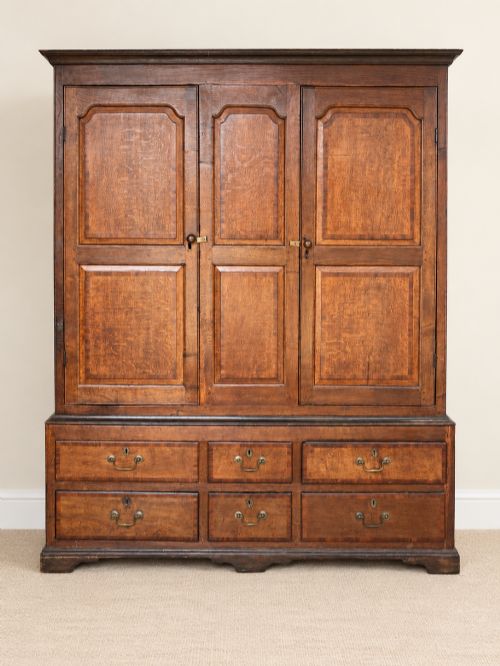
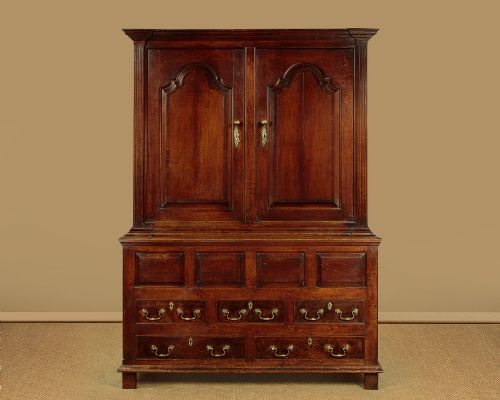
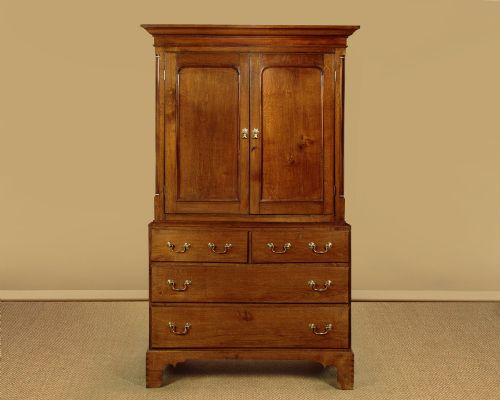
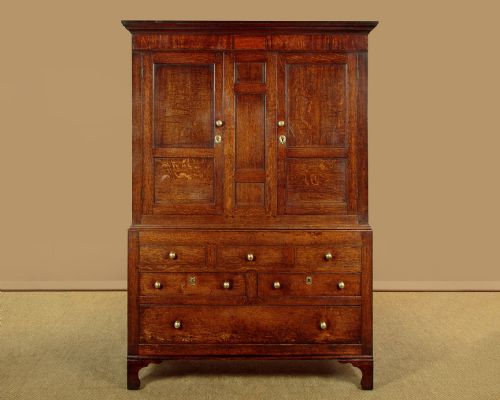
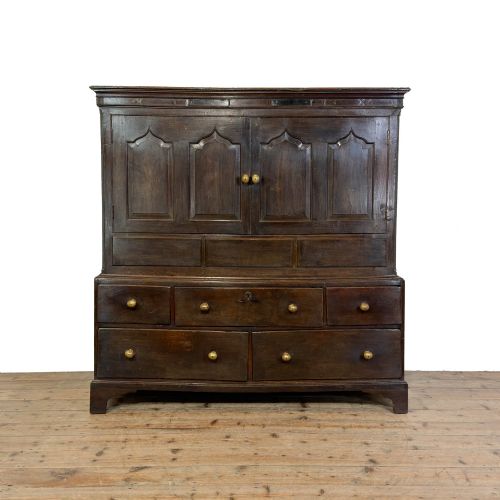
A welsh oak linen press is a substantial storage furniture piece originating from Wales, appearing in forms such as press cupboards and livery cupboards. These items served traditional households for storing textiles and garments before fitted wardrobes became common.
The pieces seen here span from the seventeenth century through the eighteenth century and into the nineteenth century. Regional variations include Georgian vernacular styles and Welsh country designs, such as the low press cupboard or the cwpwrdd deuddarn.
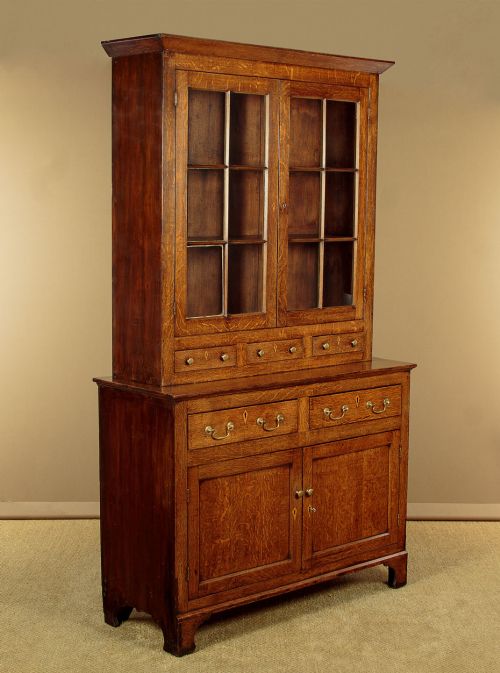
Most examples combine upper and lower cupboard sections, sometimes functioning as housekeepers cupboards or food cupboards. Buyers encounter forms ranging from tall hanging presses to smaller, low formats.
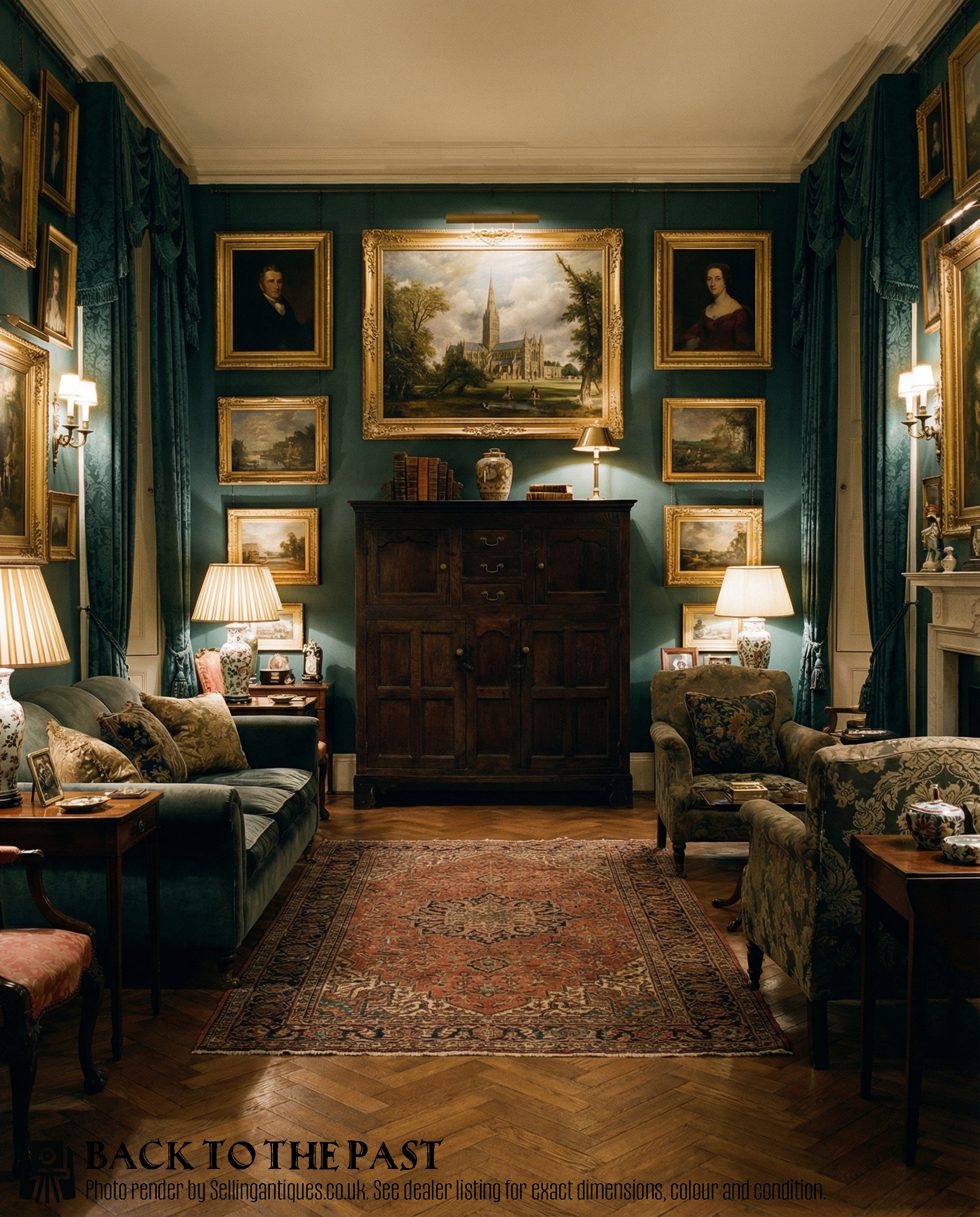
How They Were Made
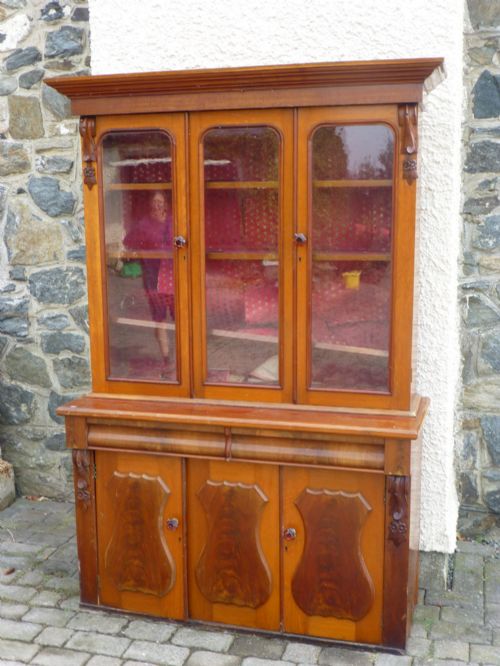
Makers utilised solid oak as the primary timber, constructing heavy frames and panelled doors that withstood decades of domestic use. Selected pieces incorporate brass hardware or later additions like Victorian glass handles.
Traditional joinery methods governed the construction, relying on pegged joints, panelled construction, and timber framing rather than modern adhesives. The surfaces developed deep patination over centuries through regular handling and wax application.
Retail Price Guide 2026
Typical UK retail prices for welsh oak linen press, calculated from the Sellingantiques database of over a million retail prices indexed since 2003. This retail price guide relies exclusively on Sellingantiques data; no external sources or auction records are used, so the figures do not describe the wider market.
Recorded periods span from the seventeenth century to the nineteenth century, executed primarily in solid oak with occasional brass and porcelain details.
What Varies in Quality
Proportion and scale distinguish finer examples, particularly where smaller dimensions or unique regional designs from areas like Cardiganshire are concerned. The balance between the upper and lower cupboard sections dictates the visual harmony of the piece.
The depth of the natural timber grain and the integrity of the original oak surfaces set superior specimens apart from altered items. Quality also rests in the retention of original panel work, hinges, and internal shelving arrangements.
The Welsh Oak Linen Press Glossary
- Livery Cupboard
- A traditional term for a storage cabinet used originally for food, provisions, or clothing. These pieces often feature panelled doors and sturdy internal compartments.
- Housekeepers Cupboard
- A large utility press designed for storing household linens, blankets, and dry provisions. They stood in domestic service areas and country houses.
- Vernacular Style
- Architecture and furniture built by local craftsmen using regional materials and traditional methods rather than high-fashion metropolitan designs. This approach prioritises utility and local aesthetic preferences.
Frequently Asked Questions
What is a welsh oak linen press used for?
These large timber cabinets served traditional households for storing household textiles, folded linen, and garments. Today, owners utilise them as statement wardrobes or general storage furniture in living spaces and bedrooms.
Their substantial internal capacity allows for organising bulkier items while adding strong historical character to a room. The combination of cupboard doors and hanging space offers flexible storage options.
How do I date a welsh oak linen press?
Dating relies on observing construction techniques, timber characteristics, and stylistic traits typical of seventeenth, eighteenth, or nineteenth-century cabinet making. Earlier pieces often display simpler pegged joinery and hand-carved details.
Later nineteenth-century examples may incorporate different handle styles, such as Victorian glass knobs. Comparing the proportions and panel designs against known regional formats helps narrow the period of origin.
Where were these press cupboards made?
Makers constructed these pieces within Welsh workshops, utilising local timber and traditional regional styles. Specific pieces trace their origins to rural districts like Cardiganshire or mid Wales.
Local craftsmen adapted prevailing Georgian fashions to suit rural Welsh domestic requirements, creating distinct vernacular interpretations.
How do I care for antique oak furniture?
Maintain antique oak by keeping it away from direct heat sources and sudden humidity changes to prevent timber splitting. Regular gentle dusting and occasional applications of traditional beeswax help preserve the surface sheen.
Avoid modern silicone polishes, which can build up on the aged timber surface over time. Allowing the oak to breathe naturally maintains its historic patination.