




Welsh Country Oak Box
These welsh country oak box examples bring robust vernacular timberwork into domestic spaces, prized for honest construction and rich historical character.
Welsh Country Oak Box
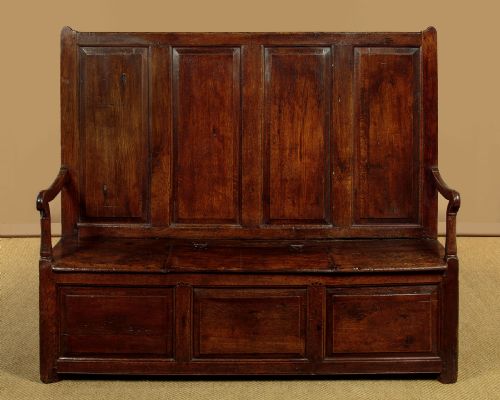
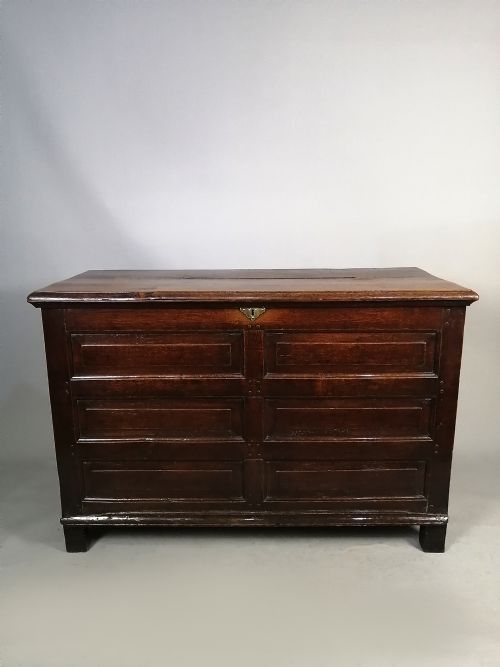
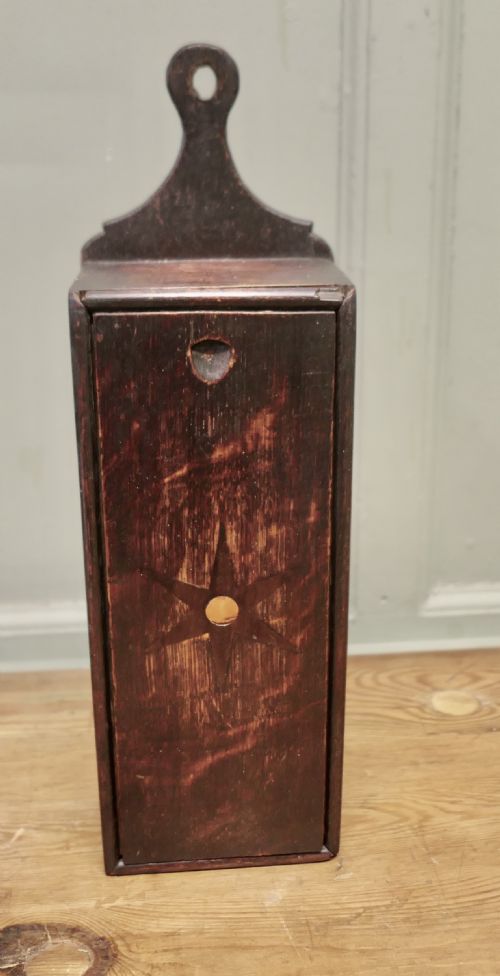
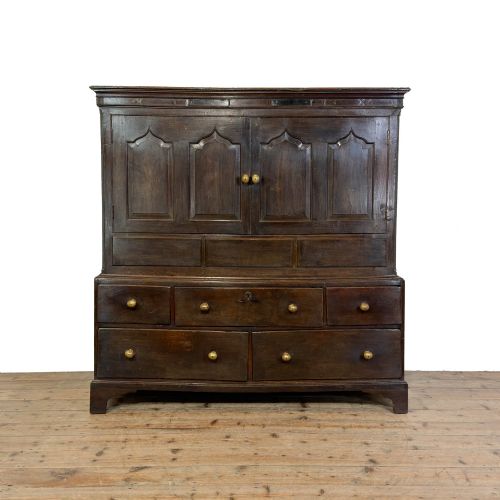
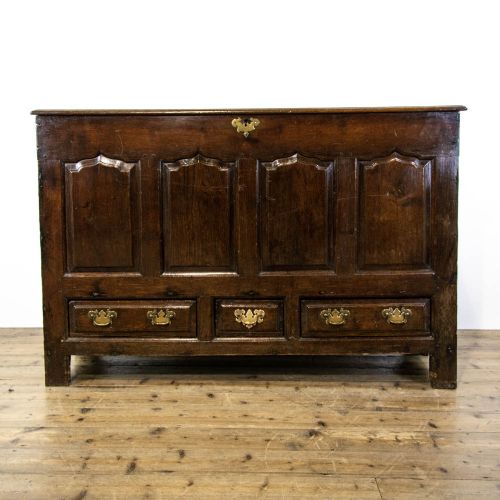
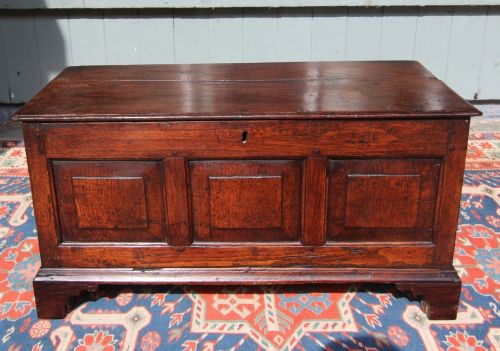
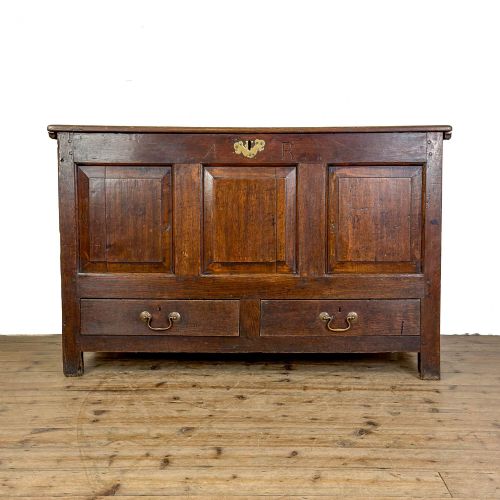
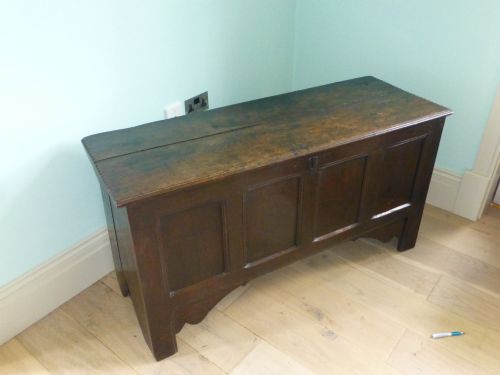
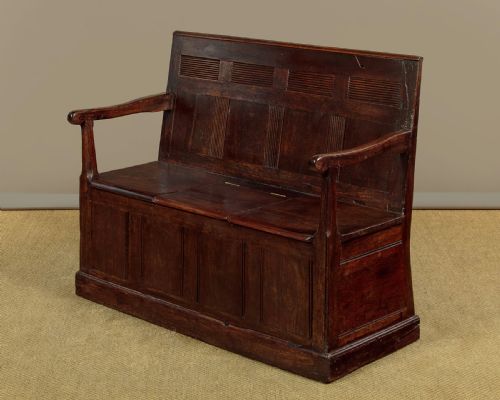
A welsh country oak box encompasses a diverse array of vernacular storage forms, ranging from miniature coffers and wall-hanging candle boxes to larger mule chests and box settles created during the seventeenth and eighteenth centuries. These utilitarian objects were essential fixtures in Welsh domestic interiors, designed to safely store household provisions, linens, and personal valuables.
Materials and Construction
Local timber forms the foundation of these pieces, utilising solid oak supplemented by fruitwood inlay and occasional painted wood finishes. Blacksmith-made iron hardware and brass fittings secure lids and hinges, while traces of red paint sometimes survive on utilitarian surfaces.
Joinery methods rely on traditional pegged framing and chip-carved ornamentation rather than elaborate industrial techniques. The resulting surfaces often display deep patination achieved through centuries of handling and wax polishing.
Several survival items include original owner initials and dates hand-carved directly into the oak timber.
Assessing Quality and Character
Distinctions in quality rest upon the integrity of the original construction, the depth of the surface patina, and the survival of primary hardware such as hinges and locks. Pieces retaining untouched timber surfaces and vernacular detailing command greater attention from collectors.
Proportion and regional idiosyncrasies also define the upper tier of these objects, particularly where chip carving, inscribed initials, or well-turned feet elevate standard storage into distinct examples of local craftsmanship.
The Welsh Country Oak Box Glossary
- Coffer bach
- A small Welsh miniature chest or coffer traditionally used for storing valuables or important household documents. These scaled-down pieces mirror the construction of larger blanket chests.
- Box settle
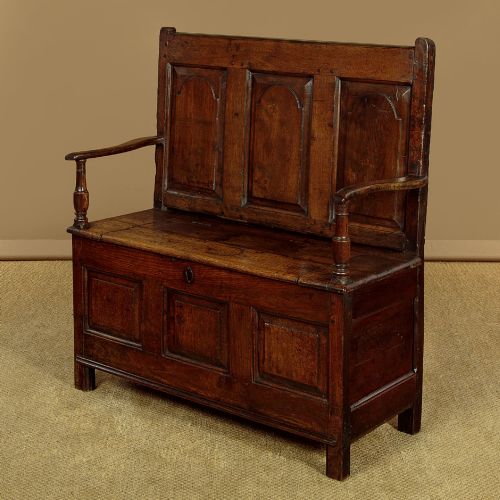
- A dual-purpose domestic seat featuring a high wooden back and a hinged storage compartment beneath the bench. It provided shelter from drafts in rural kitchens.
- Mule chest
- A storage chest equipped with one or more drawers built into the base beneath the main compartment. This form bridges the evolution between simple coffers and full drawer chests.
- Chip carved
- A method of ornamentation where small chips are carved directly into the solid timber surface using gouges or knives. This creates geometric patterns characteristic of early vernacular work.
- Grain ark
- A specialised wooden storage container used in Welsh agricultural settings for holding grain or meal. These robust structures often display regional Snowdonia characteristics.
Welsh Country Oak Box: Frequently Asked Questions
How do I identify a 17th-century box?
Seventeenth-century pieces typically display heavier framing, pegged joints, and simple chip carving rather than veneered surfaces. Iron hardware on these early examples is usually hand-forged.
Surface patination on pieces from this era tends to be deep and dark through centuries of exposure.
Where were these boxes used?
These items originated in rural Welsh homes, farmhouses, and regional cottages for daily storage needs. Smaller versions hung on walls or rested on tables for easy access.
Larger forms like box settles served simultaneously as seating by the hearth and enclosed storage space.
What is a box settle?
A box settle is a wooden bench combining a high back with a lidded compartment built into the seat base. It kept household items dry while offering protection from cold drafts in domestic rooms.
Examples from Wales utilise solid oak construction and vernacular framing traditions.