



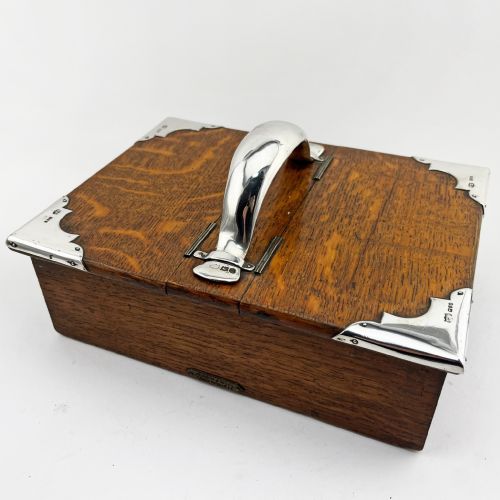


Antique Oak Jewellery Box
An antique oak jewellery box offers solid timber construction and period character, keeping your most treasured possessions secure.
Antique Oak Jewellery Box
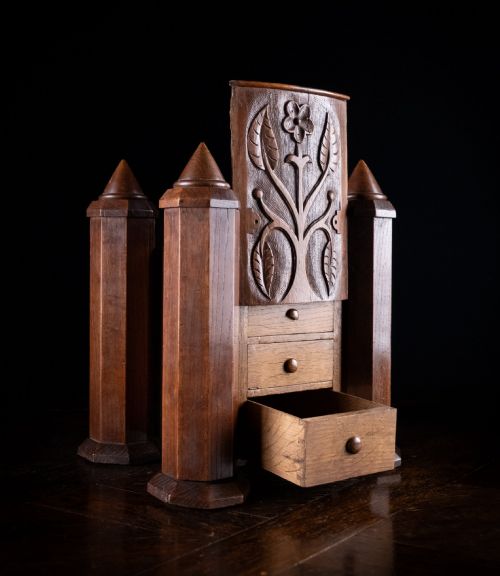
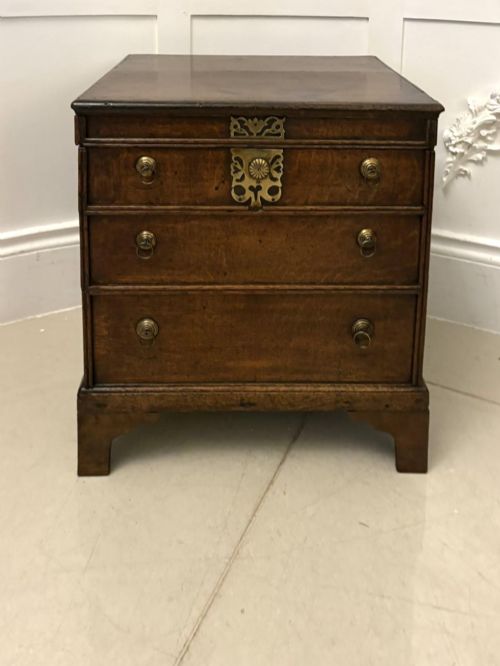
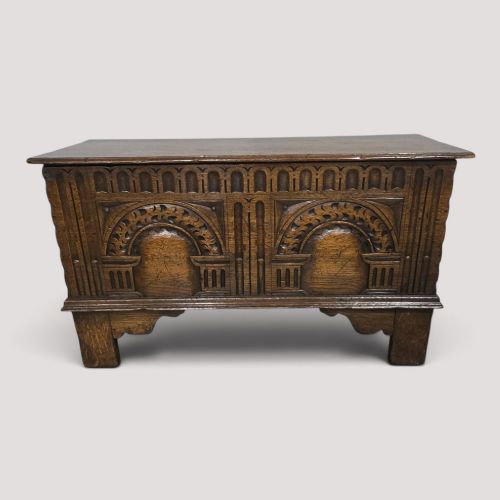
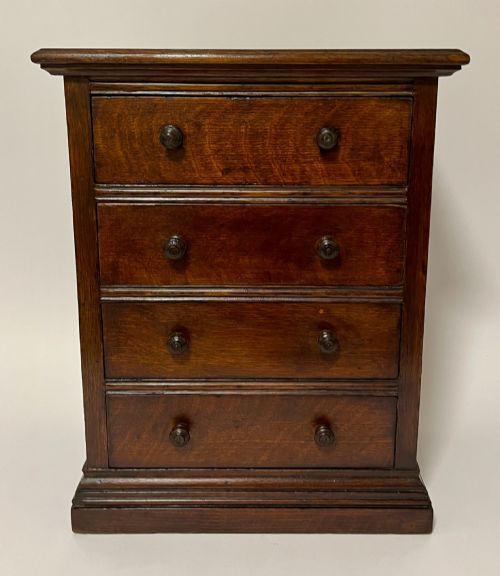
An antique oak jewellery box spans centuries of craftsmanship, taking forms such as tabletop chests of drawers, miniature coffers, and fitted caskets. The pieces available here range from austere seventeenth-century chip-carved designs to elaborate Victorian and Edwardian specimens.
Buyers frequently encounter miniature furniture and collector cabinets alongside traditional lidded caskets. These diverse objects reflect utilitarian origins adapted for keeping valuables, sewing accessories, and keepsakes.
Origins stretch from British workshops to continental Europe, encompassing Welsh regional pieces and Anglo-Indian colonial examples. The selection demonstrates how makers applied domestic timber to small-scale storage across the Georgian, Victorian, and Edwardian eras.
How they were made
Carpenters utilised solid oak alongside pollard oak and burr oak veneers to create robust carcass structures. Surfaces frequently display intricate chip carving, paneling, and applied mouldings that highlight the natural grain of the timber.
Hardware played an integral part in construction, utilising brass hinges, escutcheons, and complex steel locks. Interior compartments often integrated textile linings, mirrored glass, and fitted drawers for specialised storage.
Antique Oak Jewellery Box Retail Price Guide 2026
Typical asking prices for oak jewellery box among the pieces listed under this phrase on Sellingantiques today, from the lower quarter to the upper quarter. They describe what is for sale here now, not the wider market.
Listings feature oak, brass, iron, and sterling silver across Victorian, Edwardian, and seventeenth-century periods.
What varies in quality
The standard of carving and the crispness of detail separate standard utility boxes from exceptional collector pieces. Superior examples feature deeply sculpted motifs, balanced proportions, and sophisticated interior layouts.
Integrity of original hardware and mechanisms distinguishes finer items. Original complex steel locks and working keys add considerable distinction to seventeenth-century safes and nineteenth-century caskets.
Mappin and Webb
The Antique Oak Jewellery Box Glossary
- Coffor Bach
- A small Welsh chest traditionally constructed in oak. These miniature lidded coffers often feature small drawer compartments beneath the main till.
- Chip carving
- A decorative technique where small chips are removed from a single surface of wood with gouges and knives. This method creates geometric patterns characteristic of seventeenth-century work.
- Compactum
- A multi-compartment wardrobe or cabinet scaled down for tabletop use. They provide structured internal storage with multiple small drawers.
- Escutcheon
- A flat plate of brass surrounding a keyhole. It protects the surrounding wood from wear and enhances the visual appearance of the lock.
- Burr oak
- Wood taken from a tree growth where grain has grown in a deformed manner. It yields highly figured patterns prized for decorative veneering.
Antique Oak Jewellery Box: Frequently Asked Questions
What periods do these boxes span?
The pieces available originate from the seventeenth century through to the early twentieth century. This timeline covers Charles II, Georgian, Victorian, and Edwardian eras.
Each period brings distinct construction methods and decorative styles, ranging from austere chip-carved surfaces to polished burr veneers.
How were miniature chests used?
Miniature chests and apprentice pieces served multiple domestic purposes, acting as repositories for jewellery, letters, and sewing paraphernalia.
Craftsmen also created them as masterworks to demonstrate skill or as personal travel chests for gentlemen and officers.
Are original locks common?
Original steel locks and matching keys survive on several seventeenth-century safe boxes and Edwardian cabinets. These mechanisms demonstrate period blacksmithing and locksmith skill.
Working locks add significant historical interest to a piece, though many older boxes retain their locks purely for decorative effect.
What woods besides oak appear?
While oak forms the primary structural material, makers incorporated brass, iron, glass, and sterling silver into fittings and mounts. Pollard oak and burr oak veneers also appear for decorative contrast.
Hardwoods and lacquer surface treatments occasionally feature in continental European and colonial examples.