


Welsh Country Chest
A welsh country chest brings robust regional utility into a room, fashioned from native timbers like oak and pine for generations of domestic storage.
Welsh Country Chest
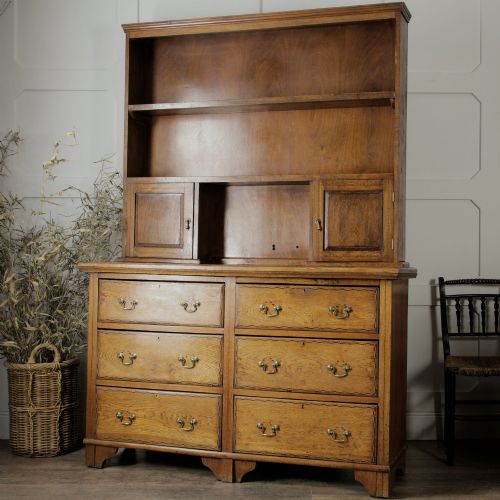
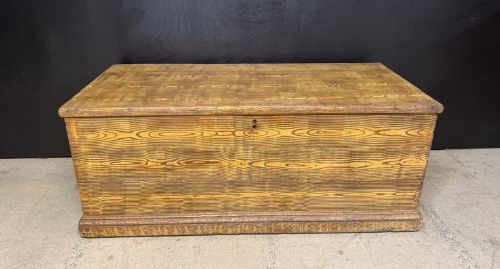
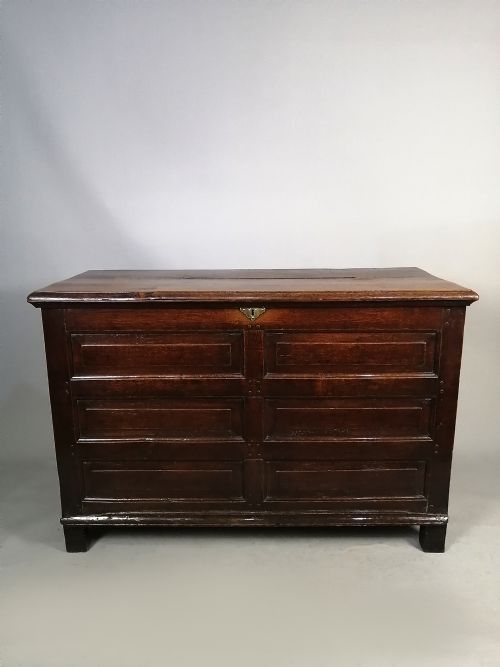
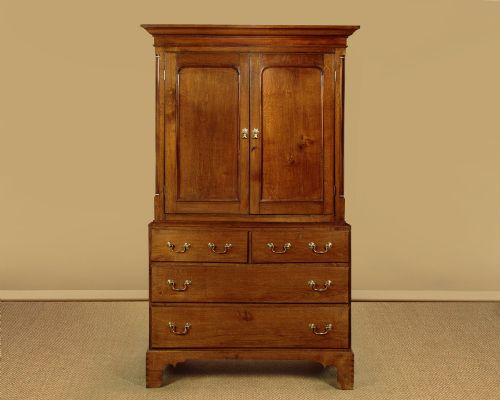
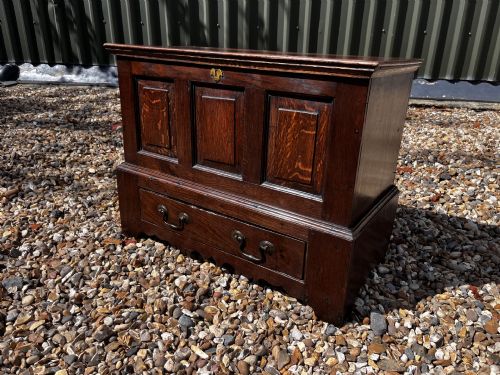
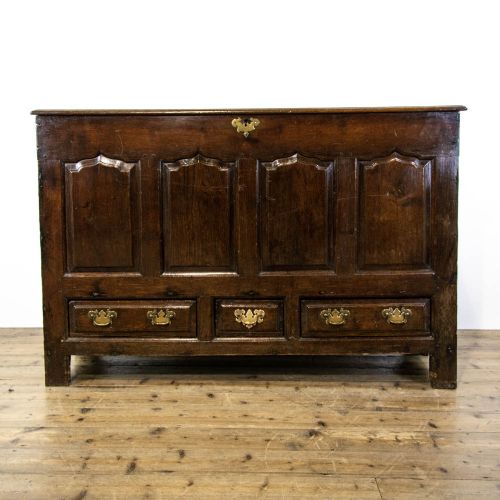
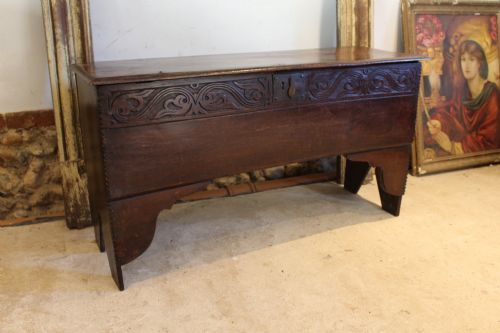
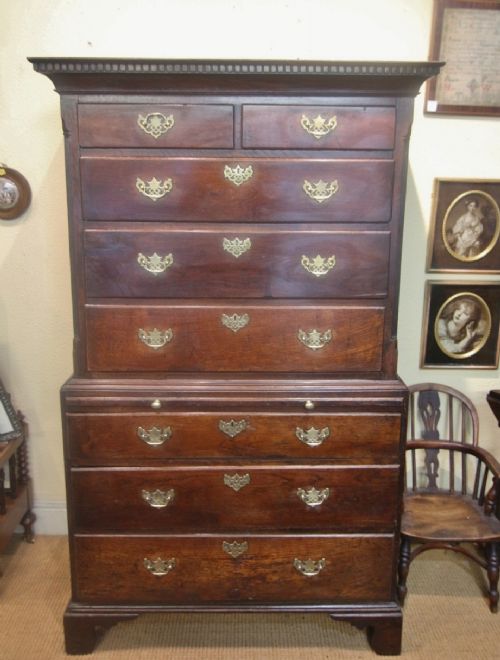
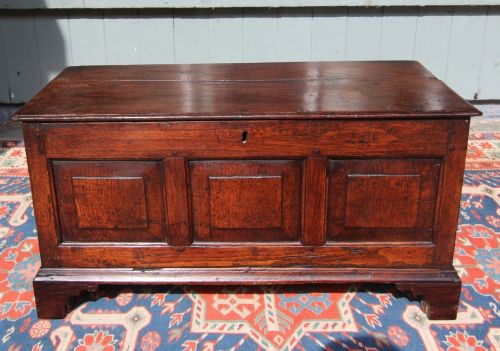
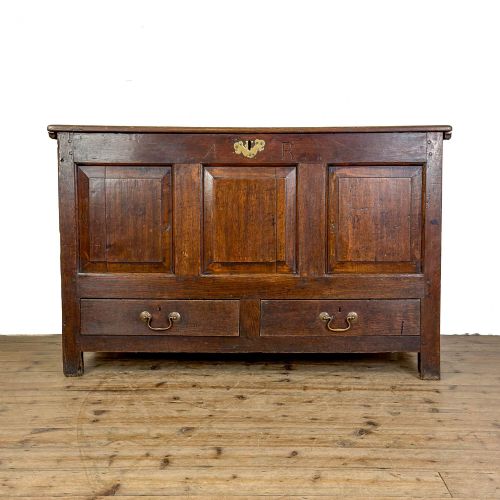
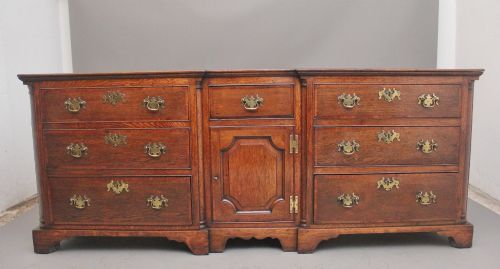
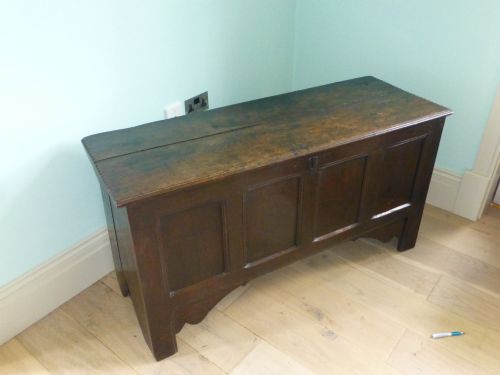
A welsh country chest encompasses various domestic storage forms created across different centuries, ranging from six-plank coffers and mule chests to miniature coffer bach boxes and larger drawer units. These pieces emerge from Welsh vernacular traditions, reflecting the specific needs of rural households through practical design and regional construction methods.
The selection commonly includes robust oak examples from the seventeenth and eighteenth centuries alongside later nineteenth-century pine storage boxes and painted pieces. Buyers frequently encounter forms featuring integrated drawers, lower stands, or compartmented interiors tailored for linen, documents, and domestic provisions.
Materials and construction
Makers utilised native hardwoods and softwoods, predominantly solid oak, elm, and pine, often joined with pegged mortise and tenon joints or simple six-plank construction. Surfaces display the natural grain of the timber or historical painted finishes, sometimes enhanced with chip carving, brass fittings, or iron hardware.
Structural integrity relied on heavy framing and local joinery techniques suited to regional timber availability. Regional workshops produced distinctive variations, from miniature chests on turned feet to large two-stage press cupboards and grain arks.
Regional variations documented include pieces originating specifically from Snowdonia, South Wales, and the Gower peninsula.
Assessing the craftsmanship
The standard of a welsh country chest rests upon the integrity of the timber selection, the subtlety of regional joinery, and the preservation of original surfaces. Pieces retaining authentic patination, early hardware, and untouched structural members demonstrate higher integrity than those with extensive timber replacement or unsympathetic modern repairs.
Proportion and scale distinguish finer vernacular examples, particularly in miniature forms like the coffer bach or regional specialisms from areas such as the Gower peninsula or Snowdonia. The presence of original painted finishes or crisp chip carving further separates standard utility items from more considered regional works.
The Welsh Country Chest Glossary
- Coffer bach
- A small Welsh box or chest, traditionally made as a gift to hold documents or valuables. These miniature pieces mirror the construction of larger coffers.
- Mule chest
- A chest featuring one or more drawers beneath the main storage compartment. This form bridges the traditional coffer and the modern chest of drawers.
- Press cupboard
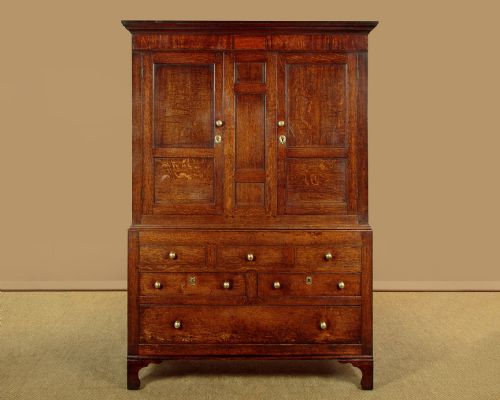
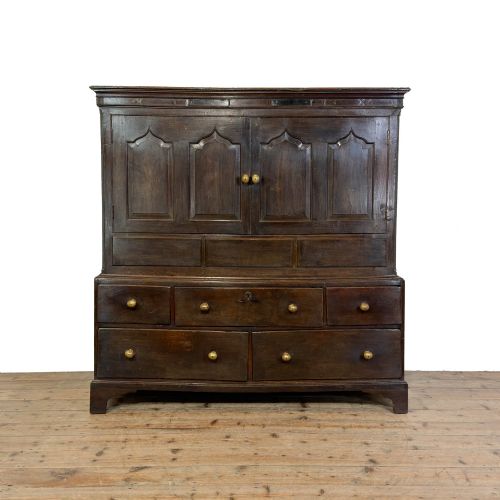
- A large storage item comprising upper and lower sections, typically used for linens and clothing. Lower stages often incorporate drawers or enclosed shelving.
- Six-plank
- A primitive construction method utilising six individual boards joined edge to edge for the sides, top, and bottom. It represents an early and robust form of box-making.
- Vernacular
- Architecture and furniture built by local craftsmen using traditional regional methods and local materials rather than academic architectural designs.
Welsh Country Chest: Frequently Asked Questions
What is a welsh country chest?
A welsh country chest is a traditional storage piece, such as a coffer, mule chest, or drawer unit, made by regional craftsmen using local timbers like oak and pine.
These items reflect the domestic requirements of Welsh households across the seventeenth, eighteenth, and nineteenth centuries.
How were these chests used?
Households utilised these chests to store textiles, household linens, grain, and personal documents securely away from damp stone floors.
Smaller variants like the coffer bach served as specific presentation pieces for family valuables or marriage textiles.
How do I date a piece?
Dating relies on examining the construction methods, such as pegged joints, hand-cut boards, and the evolution from six-plank coffers to multi-drawer units.
Timber choice and regional styles, including specific vernacular details from areas like Snowdonia, provide further chronological clues.
Where should I place one?
These versatile storage items suit hallways, living spaces, and bedrooms where their robust character adds functional surface area and texture.
Placing them away from direct heat sources helps preserve the native timber and historical patination of the surface.