
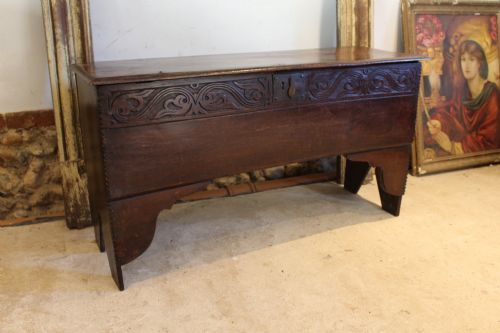


Carved Elm Chest
When you want a carved elm chest, you are looking for robust timber work shaped by centuries of use, from regional British coffers to continental commodes.
Carved Elm Chest
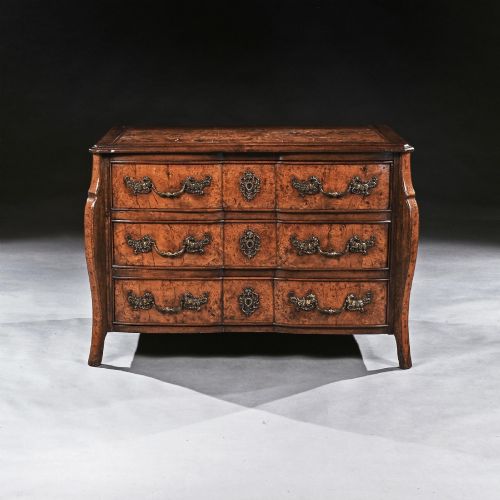
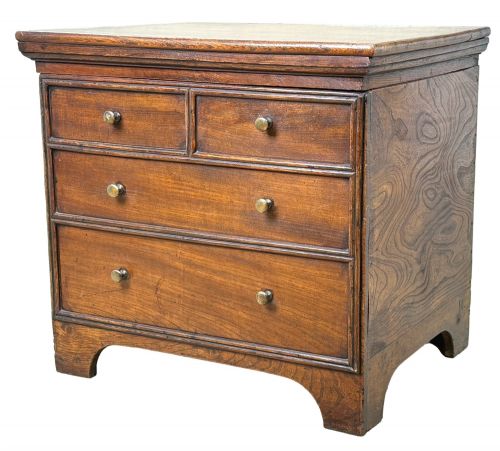
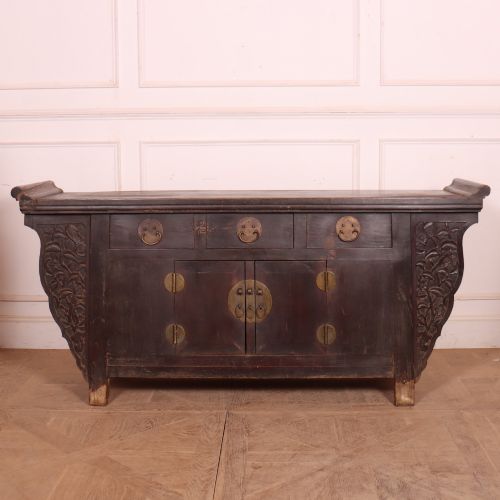
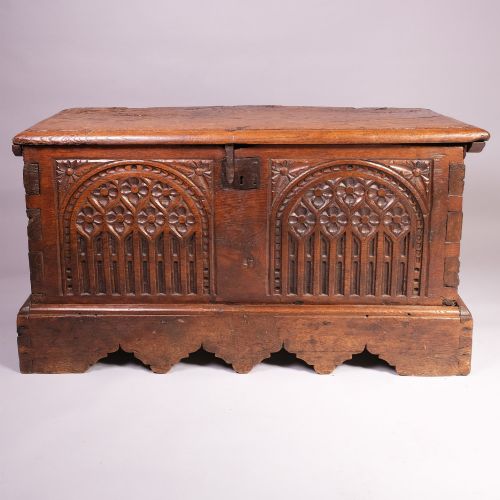
A carved elm chest is a sturdy storage piece defined by the distinct grain of the wood and regional woodworking traditions. When you search for carved elm chest, you encounter forms ranging from early six plank coffers to Georgian commodes and Chinese wedding chests.
The pieces on this page span several centuries, including pre-sixteenth century Gothic joinery, eighteenth century provincial furniture, and nineteenth century Scandinavian and Chinese examples. These items serve as practical storage containers while displaying varied surface carving and structural joinery.
The most common forms include heavy coffers, blanket chests, and chests of drawers utilising solid timber. Each regional style brings distinct construction methods, from Welsh vernacular planking to French provincial commodes.
What varies in quality
Quality rests in the selection of the timber, particularly figured burr elm or densely grained heartwood. The integrity of the original construction and the crispness of the hand carving separate standard utilitarian boxes from exceptional examples.
Proportion and surface patina dictate the standing of a piece. Retaining original brass or iron hardware and untouched historical surfaces elevates the execution of the work.
Listings feature elm combined with oak, brass, iron, and bronze across periods spanning the fifteenth to the twentieth centuries.
The Carved Elm Chest Glossary
- Elm
- A tough, durable hardwood known for an interlocking grain that resists splitting. It was frequently utilised for heavy domestic furniture and damp resistant storage.
- Burr elm
- A growth deformity in the tree that produces highly figured, swirling wood patterns. It is prized by makers for decorative panel fronts and commode tops.
- Coffer
- A large wooden chest traditionally used for storing valuables, linen, or documents. Early examples often employ heavy six plank construction.
- Commode
- A low French or continental cabinet fitted with drawers or doors. Eighteenth century provincial versions frequently incorporate shaped drawer fronts and cabriole legs.
- Cellarette
- A lockable container designed to hold bottles of wine or spirits. These vessels often feature fitted interiors and heavy timber construction.
- Six plank chest
- A primitive box construction formed from six broad boards joined at the edges. It represents one of the earliest forms of case furniture.
Carved Elm Chest: Frequently Asked Questions
How do I date an old elm chest?
Dating relies on examining the joinery methods, tool marks left on the timber, and regional design traits. Hand wrought ironwork and pegged tenons point to earlier periods.
Changes in hardware styles and secondary woods also help place a piece within specific centuries, from Gothic coffers to nineteenth century Scandinavian chests.
Is elm good for furniture?
Elm offers exceptional strength and resistance to splitting due to its tangled grain structure. This made it the preferred choice for heavy storage furniture and seating.
Its tendency to move with humidity changes required makers to employ specific joining techniques that allowed the timber to settle over time.
What is burr elm?
Burr elm comes from a wart like growth on the tree that creates intricate, swirling grain patterns. Cabinet makers utilised these sections as decorative veneers or solid panels on high status furniture.
Because of its striking visual texture, pieces featuring burr elm command strong interest from collectors.
How were early chests used?
Early chests served multiple domestic purposes including seating, tables, and secure storage for family valuables, linen, and church plate. Their heavy construction made them portable strongboxes.
As domestic interiors evolved, specialised forms such as bible boxes, cellarettes, and commodes emerged from these basic storage designs.