



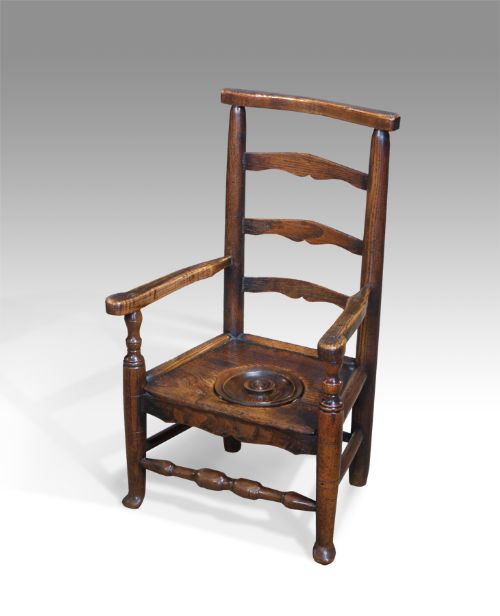


Antique Elm Commode
An antique elm commode brings together robust provincial timber and sophisticated cabinet-making traditions, offering rich grain and practical storage for the home.
Antique Elm Commode
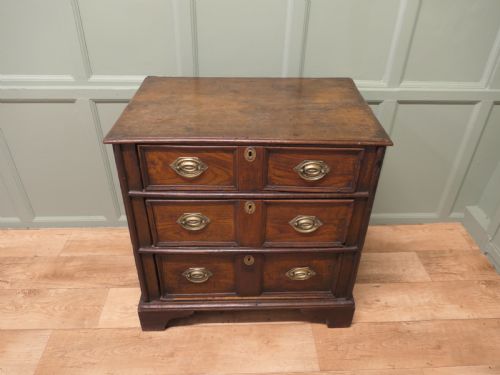
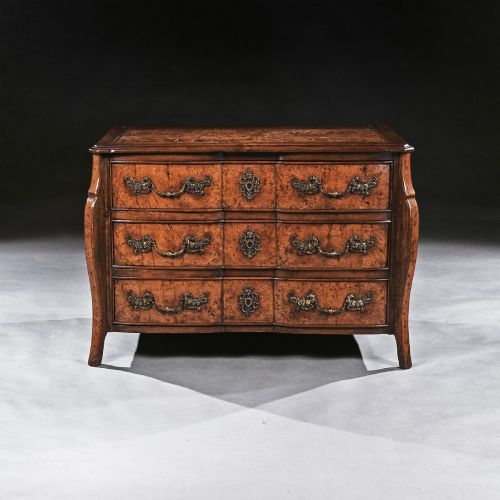
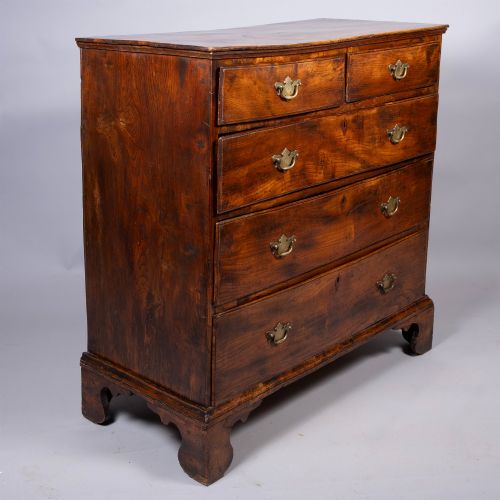
An antique elm commode encompasses a variety of timber storage pieces, ranging from eighteenth-century provincial drawer units to nineteenth-century continental examples. Buyers searching for an antique elm commode encounter everything from Dutch shaped-front chests to French Provincial and Swedish designs.
The selection includes specialised forms alongside standard chests of drawers, such as close stools, bedside cabinets, and diminutive commode chairs. These pieces reflect diverse domestic uses across Georgian Britain, eighteenth-century France and the Netherlands, and nineteenth-century Scandinavia.
Materials and construction
Cabinet-makers utilised solid elm and highly figured burr elm veneers, frequently combining the timber with oak for drawer linings and internal framing. Decorative enrichment relied on contrasting wood inlay, carved details, and occasional applications of burr yew.
Surface detailing frequently incorporated heavy cast brass handles and escutcheons, while select continental and later pieces featured fitted marble tops. Construction methods varied from provincial pegged frames to sophisticated cabinet work found in shaped-front Dutch and French examples.
Antique Elm Commode Retail Price Guide 2026
Typical asking prices for elm commode among the pieces listed under this phrase on Sellingantiques today, from the lower quarter to the upper quarter. They describe what is for sale here now, not the wider market.
Several listings disguise personal sanitation as polite furniture, offering child's potty chairs and close stools cleverly disguised as small bedside chests.
Assessing quality and craftsmanship
Quality in these pieces rests primarily on the choice of timber, with highly figured burr elm surfaces commanding greater attention than plain boards. The handling of the wood grain across shaped fronts and drawer tiers demonstrates the skill of the original maker.
Structural integrity and the retention of original brass hardware and marble tops significantly influence the character of each piece. Finer examples display meticulous joinery and proportion, whether executed in a Louis XV provincial style or a George III neoclassical design.
The Antique Elm Commode Glossary
- Burr elm
- A growth deformity in the elm tree that produces highly swirled, knotty grain patterns prized for decorative veneer work. It creates striking patterns across drawer fronts and commode tops.
- Commode
- Originally a low cabinet or chest of drawers, often featuring doors or multiple tiers. In antique furniture, the term spans sophisticated drawer units and enclosed commode chairs.
- Demi-lune
- A half-moon or semicircular shape applied to furniture design, particularly prevalent in late eighteenth-century commodes. This form allows the piece to sit flush against a wall while offering a curved front profile.
- Close stool
- An enclosed wooden chair or cabinet concealing a chamber pot, serving as a precursor to modern indoor sanitation. Many surviving examples mimic the appearance of small bedside chests.
- Provincial
- A term describing furniture made in regional areas outside metropolitan centres, often reflecting local interpretations of major stylistic movements like Louis XV. These pieces utilise regional timbers with robust construction.
Antique Elm Commode: Frequently Asked Questions
How do I distinguish eighteenth-century pieces?
Eighteenth-century examples often display regional continental styling, such as Louis XV provincial curves or Dutch shaped fronts, alongside deep burr elm figuring. Construction techniques from this period typically involve hand-cut dovetails and solid timber framing suited to the robust nature of elm.
Nineteenth-century pieces, by contrast, frequently showcase Scandinavian or Biedermeier influences with cleaner lines and distinct inlay work. Examining the secondary timbers, such as oak drawer linings, helps confirm the age and origin of the piece.
Where were these commodes made?
Surviving pieces originate from various European workshops, reflecting distinct regional preferences in cabinet-making and timber selection. Dutch and French makers frequently employed burr elm veneers on shaped carcass structures, while British makers utilised solid elm and ash for regional chests and chairs.
Mid-nineteenth-century examples frequently emerge from Scandinavian workshops, where carvers applied traditional techniques to local elm stock. Each geographic origin imparts specific stylistic traits to the finished furniture.
How do I care for antique elm furniture?
Maintaining antique elm involves placing pieces away from direct heat sources and dramatic humidity fluctuations to prevent timber movement. Regular dusting with a soft, dry cloth preserves the finish without requiring heavy polishes.
Applying microcrystalline wax occasionally helps protect the surface and nourish the dry grain of older woods. Careful placement ensures the timber and any incorporated marble tops remain stable over time.