

Antique Nightstand Drawers
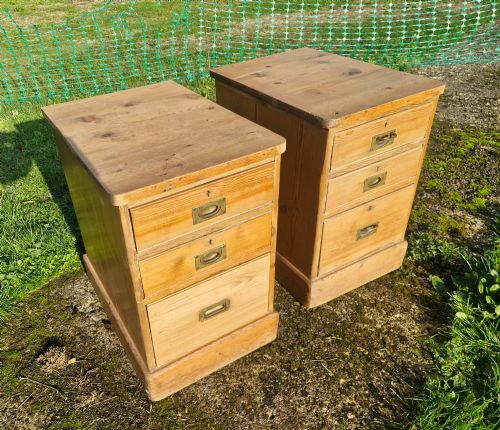
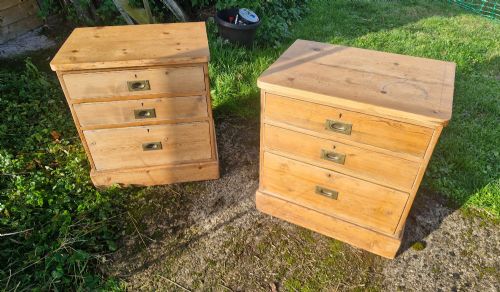
These antique nightstand drawers bring compact storage and period character to a bedroom, combining practical surfaces with fitted compartments.
Antique Nightstand Drawers
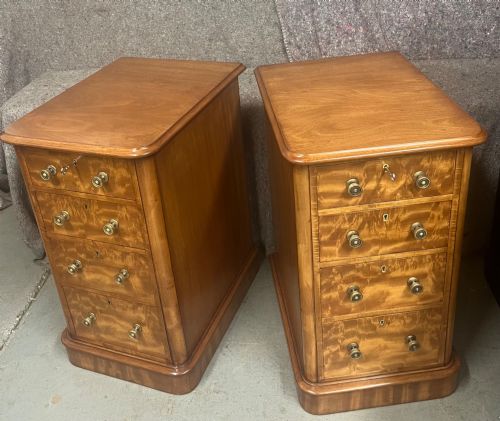
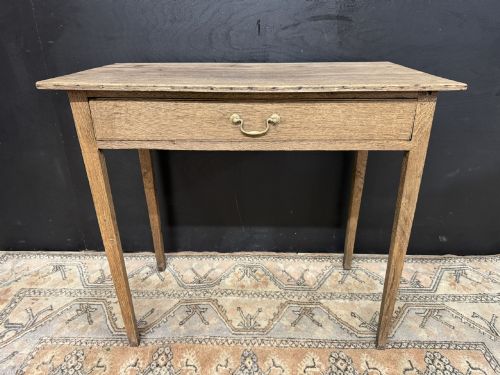
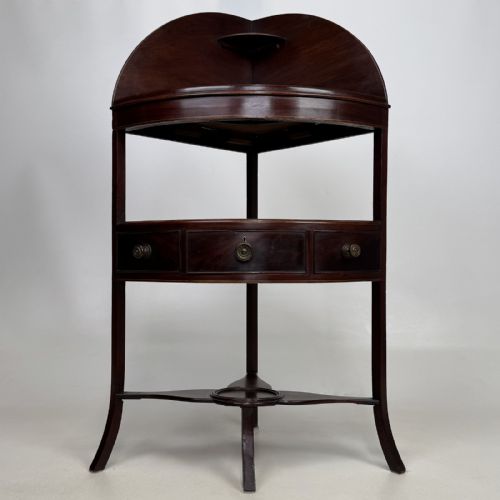
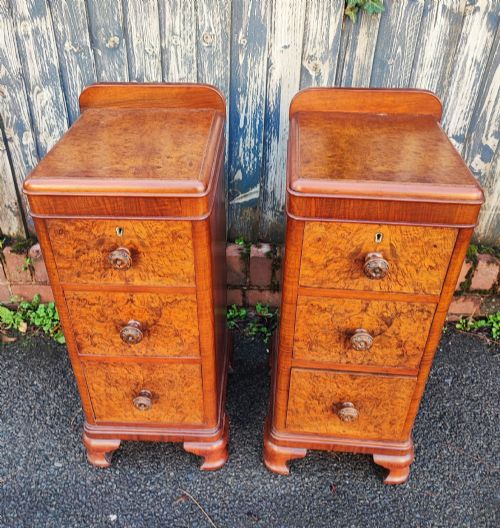
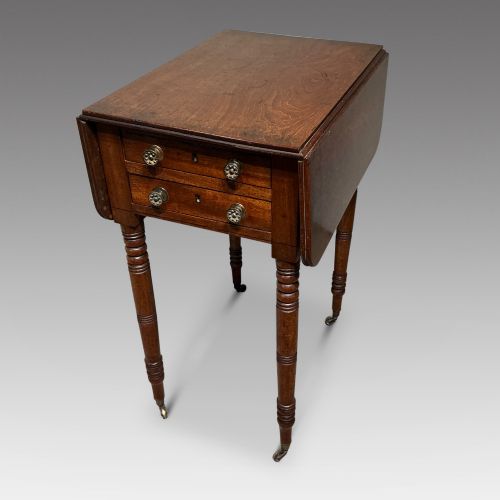
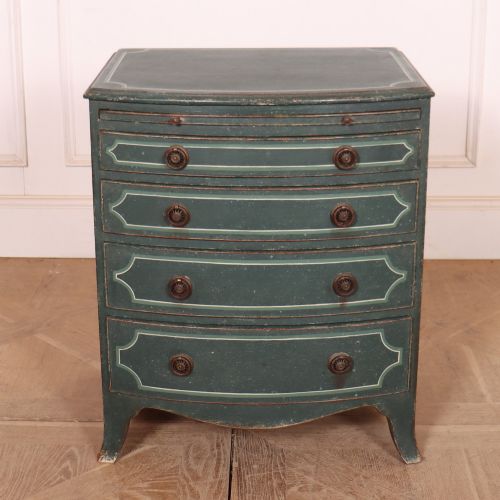
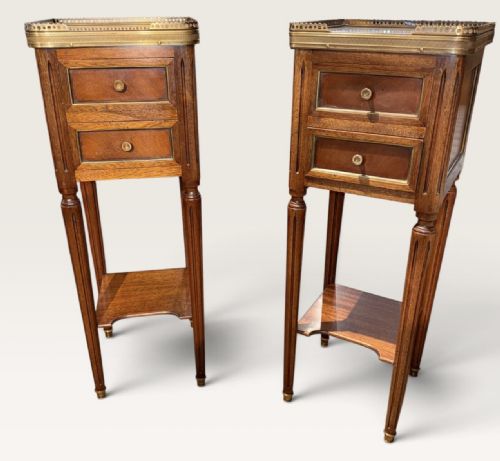
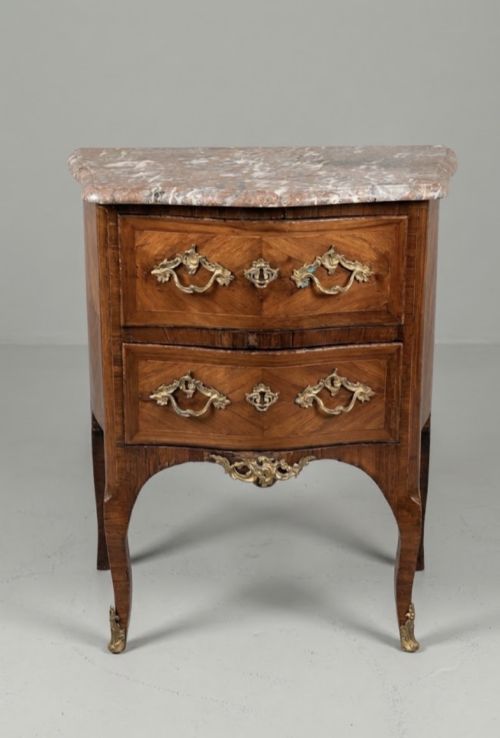
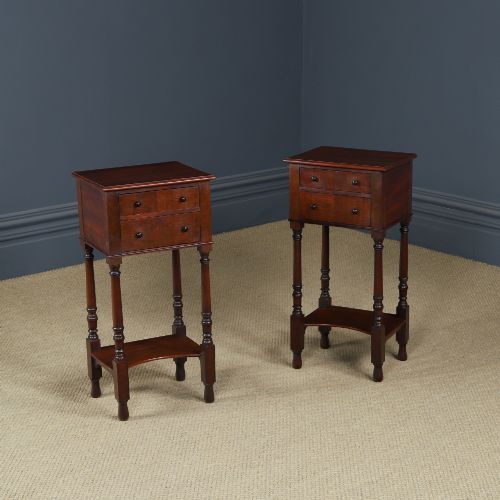
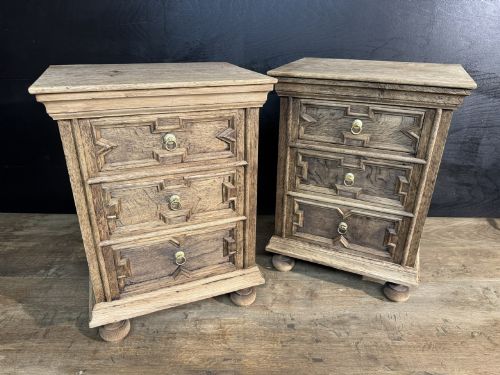
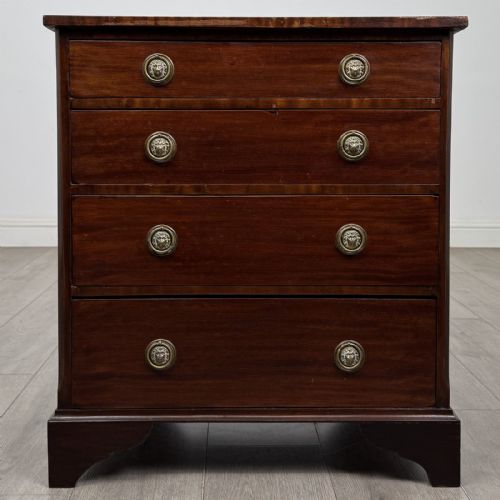
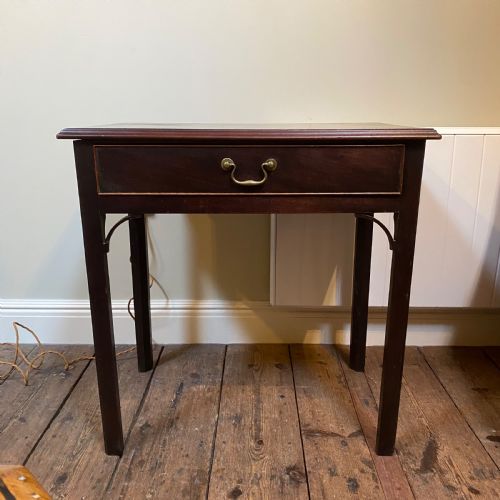
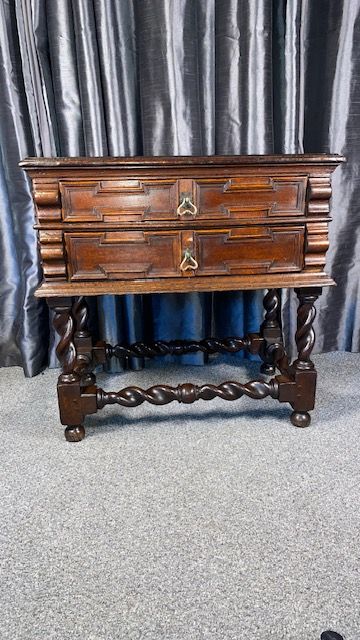
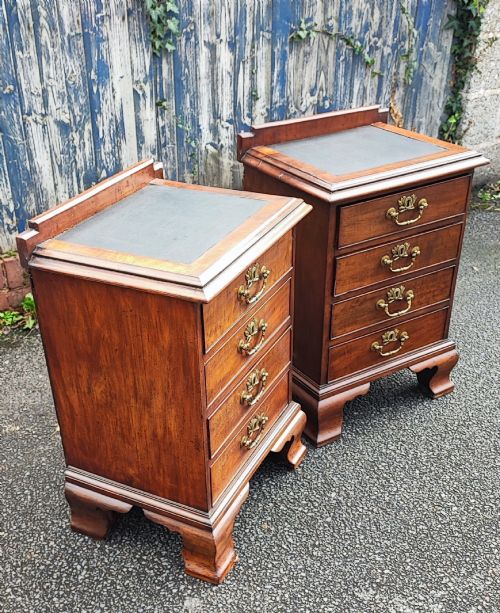
When you search for antique nightstand drawers, you encounter a variety of bedside pieces designed to hold personal items near a bed. The selection includes compact chests of drawers, bedside cabinets with cupboards, and small side tables fitted with single drawers.
The pieces span multiple eras, with Victorian and Edwardian examples appearing frequently alongside Georgian, Art Deco, and 1930s designs. Many originate from English and French workshops, ranging from modest oak tables to grander satinwood and walnut cabinets.
Forms vary from simple two-drawer oak tables to tall four-drawer chests and serpentine bedside lamp chests. Buyers select these items for their functional proportions and the warmth of their timber surfaces.
How they were made
Cabinet makers relied on solid timbers such as mahogany, walnut, oak, and satinwood, often enhancing surfaces with burr walnut or marquetry veneers. Structural framing utilised traditional joinery to ensure stability in daily use.
Many cabinets incorporate decorative mounts in brass or ormolu, alongside marble tops for added durability and a contrasting finish. Waxed and polished treatments protected the wood while highlighting the natural grain.
Antique Nightstand Drawers Retail Price Guide 2026
Typical asking prices for nightstand drawers among the pieces listed under this phrase on Sellingantiques today, from the lower quarter to the upper quarter. They describe what is for sale here now, not the wider market.
Gentlemen's nightstands once hid discrete compartments for midnight reading lamps and pocket watches.
What varies in quality
The standard of construction relies heavily on the choice of primary timber and the precision of the veneer work, particularly in burr walnut and satinwood pieces. Superior examples display careful matching of wood grains across drawer fronts and cabinet doors.
Hardware selection and decorative elements differentiate standard utility items from finer workshop output. Original brass handles, detailed marquetry, and fitted marble slabs elevate the execution of the piece.
Warings Liverpool·Gill & Reigate
The Antique Nightstand Drawers Glossary
- Bedside Cabinet
- A small enclosed piece of furniture featuring a door and often an internal shelf or drawer. These units conceal stored items while providing a top surface for a lamp.
- Marquetry
- The art of applying decorative veneer pieces in wood, shell, or ivory to form geometric patterns or pictorial designs. This technique decorates the surfaces of French and English case furniture.
- Serpentine
- A furniture front or tabletop curved in a convex-concave-convex shape. This flowing line adds visual movement and requires skilled woodworking.
- Ormolu
- Gilded bronze mounts applied to furniture for decorative effect. The technique gained prominence on French cabinets and side lockers.
- Satinwood
- A durable hardwood with a lustrous, golden-yellow sheen used extensively in fine cabinet making. It provides a bright surface finish for Edwardian and Georgian tables.
Antique Nightstand Drawers: Frequently Asked Questions
How do I choose the right height for a nightstand?
Measure the top of your mattress to ensure the bedside table sits level with or slightly below it for comfortable access. Nightstands and bedside chests vary across periods, so matching dimensions prevents awkward reaches during the night.
Consider the storage capacity you require, as taller four-drawer chests offer significantly more room than open side tables. Taller models suit high-frame beds while compact two-drawer tables fit lower traditional frames.
Were these pieces originally used as nightstands?
Many antique bedside chests and cabinets served specific domestic functions in bedrooms, holding chamber pots, washbasins, or personal items before modern plumbing. Over time, their compact proportions made them ideal contemporary nightstands for lamps and books.
Side tables and small chests from the Georgian and Victorian eras easily transition to modern bedrooms. Their drawers provide practical concealment for small objects while occupying minimal floor space.
How do I care for antique wood surfaces?
Apply quality beeswax periodically to nourish mahogany, walnut, and oak timbers while maintaining a soft, protective sheen. Avoid placing furniture in direct sunlight or near heat sources to prevent the wood from drying and splitting.
Use coasters under glasses and wipe spills immediately to protect polished or waxed finishes. Gentle dusting with a soft cloth preserves the original patina without abrasive cleaners.
How do I distinguish Edwardian pieces from Victorian ones?
Victorian bedside furniture often utilises darker solid mahogany and heavy proportions with minimal inlay. Edwardian pieces frequently employ lighter timbers like satinwood, alongside delicate stringing and inlaid motifs.
Edwardian design typically reflects a lighter aesthetic following the heavier forms of the late Victorian era. Examining the interior secondary woods and construction marks helps confirm the period.