

Small Wooden Drop Leaf Table
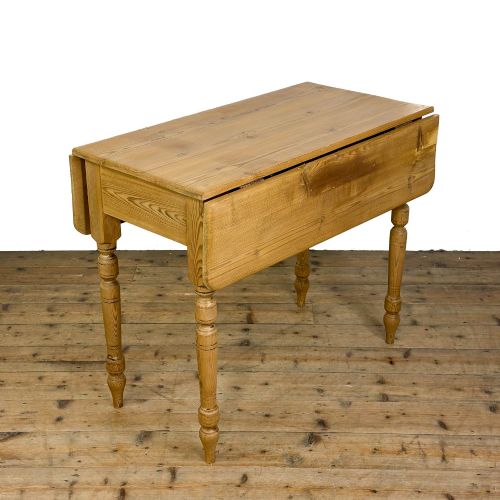
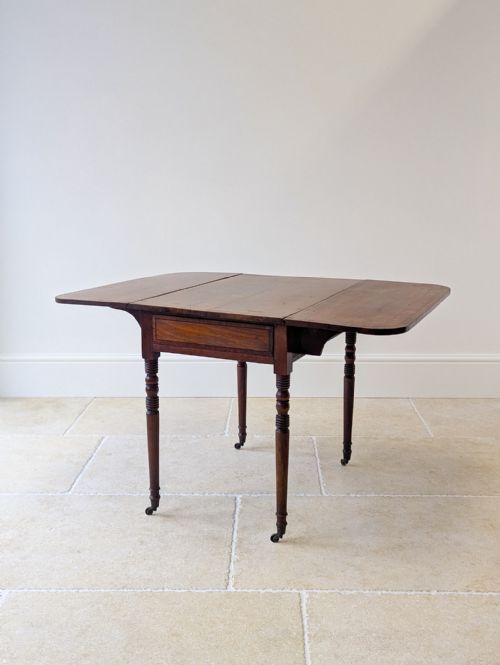
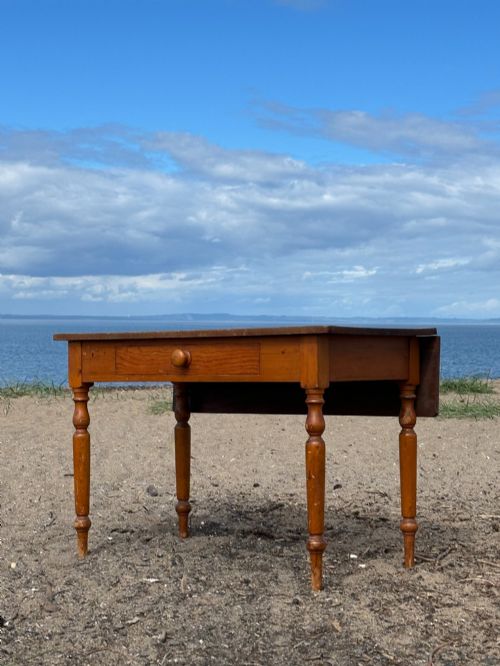
A small wooden drop leaf table provides compact versatility through folding flaps that expand surface space when needed.
Small Wooden Drop Leaf Table
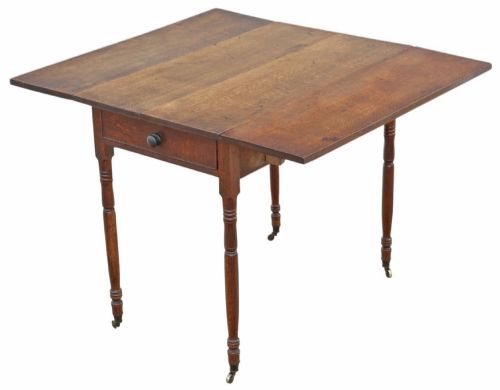
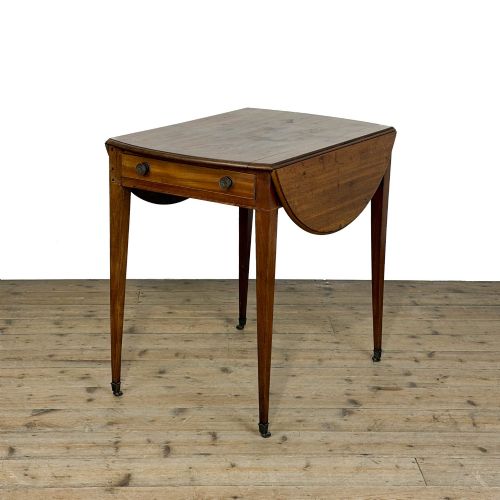
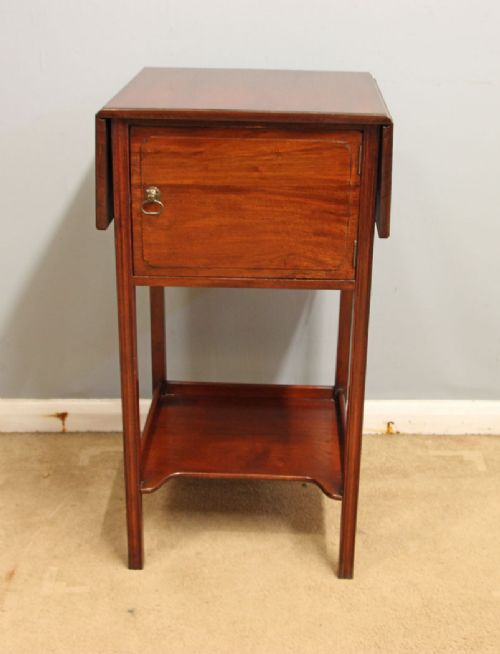
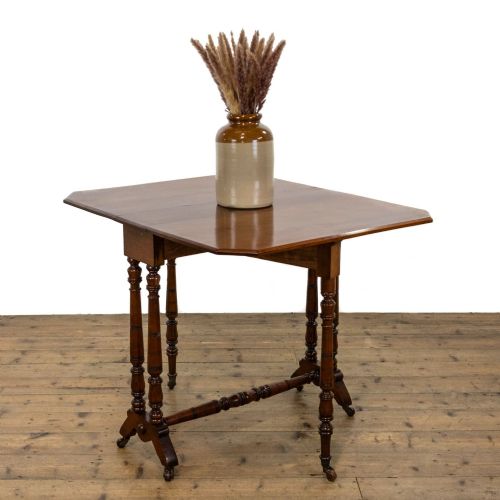
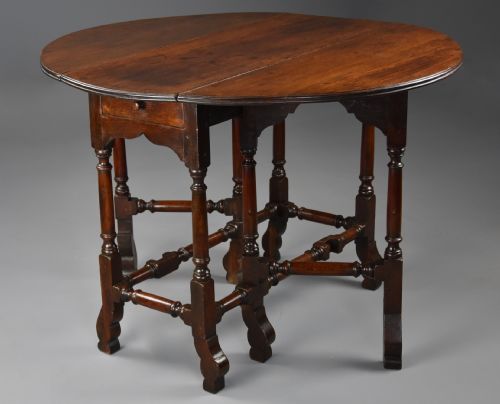
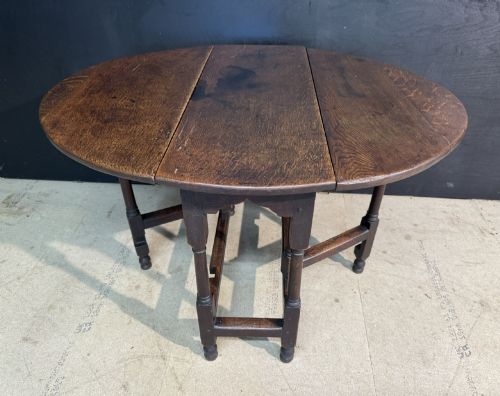
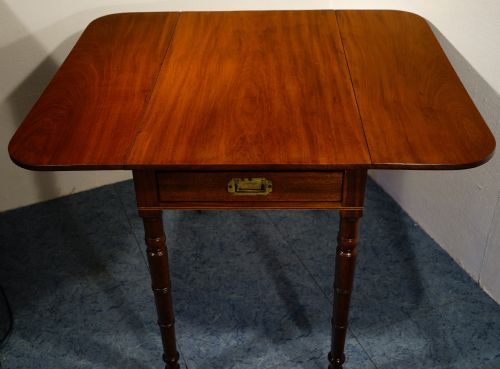
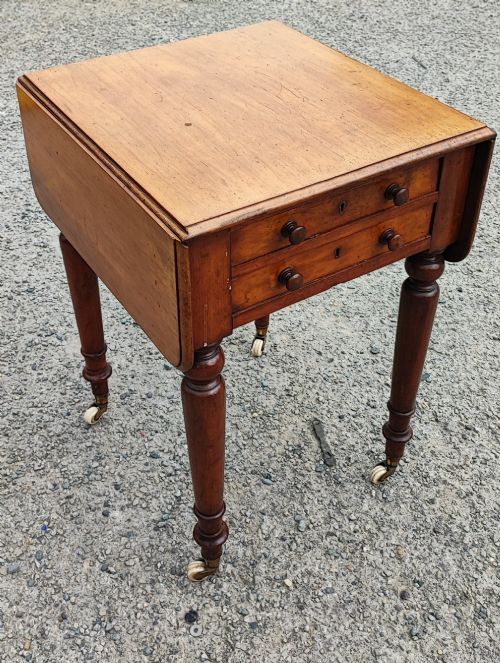
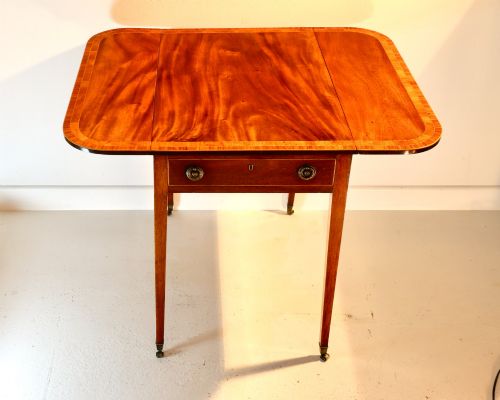
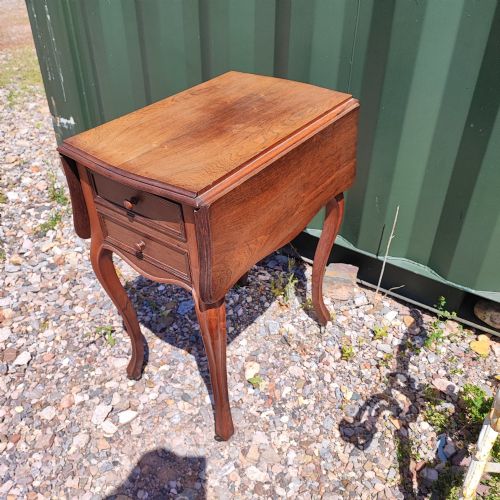
A small wooden drop leaf table appears in several historical forms, ranging from Pembroke and gateleg designs to Sutherland and occasional tables. These pieces served versatile functions in period homes, easily tucked away or opened out for dining, writing, or bedside use.
Buyers meet examples spanning the Georgian, Regency, Victorian, and Edwardian periods, as well as later vintage pieces from the early twentieth century. Mahogany and oak dominate the selection, alongside walnut, rosewood, pine, fruitwood, and satinwood.
The assortment includes side tables, lamp tables, work tables, and kitchen tables constructed in varied regional styles like French Provincial and Jacobean Revival. Dimensions remain modest, suiting smaller rooms or targeted spaces within a home.
Materials and construction
Cabinet makers utilised dense hardwoods such as mahogany, oak, walnut, and rosewood, often selecting figured timbers like burr walnut or satinwood for visible surfaces. Softer woods such as pine and fruitwood appear on kitchen and provincial tables, sometimes paired with painted finishes.
Hinged leaves rely on drop flap mechanisms, folding brackets, or swinging gateleg frames to support the extended surface. Brass fittings frequently secure drawers and mobility castors, while decorative touches include inlay work and turned bobbin or spider legs.
Materials range from dense hardwoods like rosewood and satinwood to practical utility timbers including pine and fruitwood.
Markers of distinction
Superior execution shows in the choice of timber figure, such as richly grained mahogany or burr walnut, matched across the flaps and top. Refined cabinet work appears in neat joinery, well-fitted drawers, and stable folding mechanisms that operate smoothly without sagging.
Pointers of distinction include crisp carving, elegant leg turning, and period brass hardware rather than later replacements. The integrity of the timber's surface polish or natural patina distinguishes finer workshop production from simpler utilitarian pieces.
Gillow·Morison of Ayr
The Small Wooden Drop Leaf Table Glossary
- Pembroke table
- A small rectangular table with two hinged side flaps and usually one or two small drawers. It gained popularity during the eighteenth century for breakfast or occasional writing use.
- Gateleg table
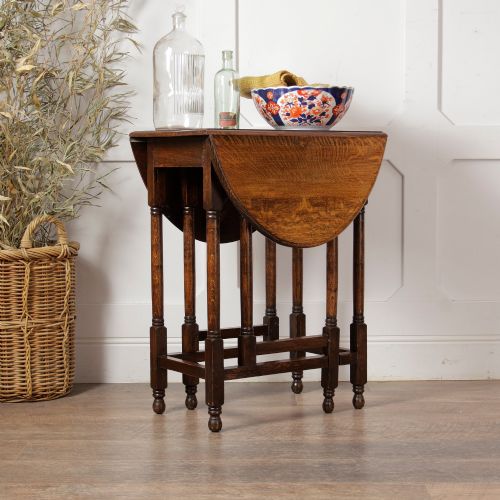
- A table with hinged leaves supported by legs that swing outward like a gate. This design provides sturdy support for the extended drop leaves.
- Sutherland table
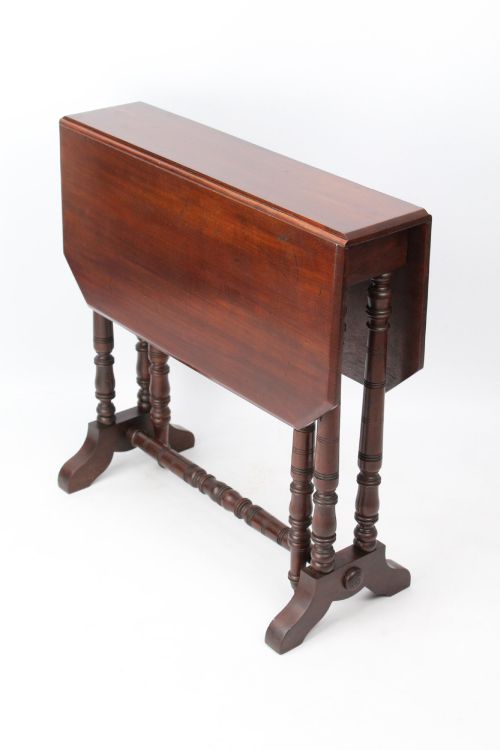
- A narrow table featuring exceptionally slender drop leaves and thin gatelegs designed to fold down completely flat. It became especially popular during the Victorian and Edwardian eras.
- Spider leg table
- A form distinguished by extremely slender, delicate turned legs joined by thin stretchers. This style is frequently found on eighteenth-century and nineteenth-century occasional pieces.
- Patina
- The surface sheen and mellowing developed by wood over long periods of handling and age. Collectors value this natural indicator of historical depth.
Small Wooden Drop Leaf Table: Frequently Asked Questions
How were small drop leaf tables used historically?
These tables functioned as flexible furniture that moved easily around the room for dining, tea service, or bedside tasks. Their folding leaves allowed owners to conserve floor space when the extra surface was not required.
In domestic settings, they stood beside seating areas as lamp or work tables, or acted as primary dining tables in more compact chambers.
How do I identify a Victorian Sutherland table?
Victorian Sutherland tables are recognised by their particularly narrow central top and exceptionally wide drop leaves that hang almost vertically when folded down. They stand on slender, often turned gatelegs connected by low stretchers.
This specific proportion allows the entire table to fold into a very compact footprint for storage against a wall.
Which woods were most commonly used?
Mahogany and oak appear most frequently across the historical periods represented on this page, offering durability and rich grain patterns. Walnut and rosewood were selected for finer decorative occasional tables.
Softer timbers like pine and fruitwood are typically found on provincial, work, and kitchen tables intended for everyday practical use.
How do I care for a wooden drop leaf surface?
Maintain timber surfaces by dusting regularly with a soft, dry cloth and avoiding placement near direct heat sources or strong sunlight. Excessive moisture can damage historical polishes and joints.
Occasional application of appropriate wax polish helps nourish older hardwoods and preserves the natural finish of the timber.