
Georgian Wooden Drawers
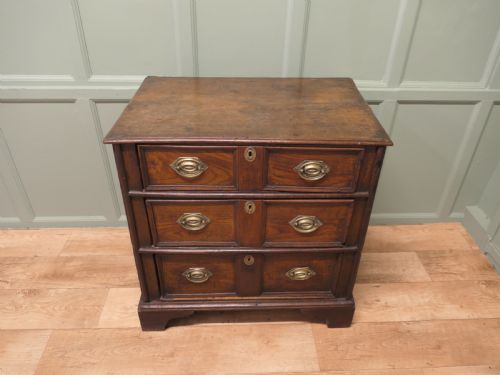
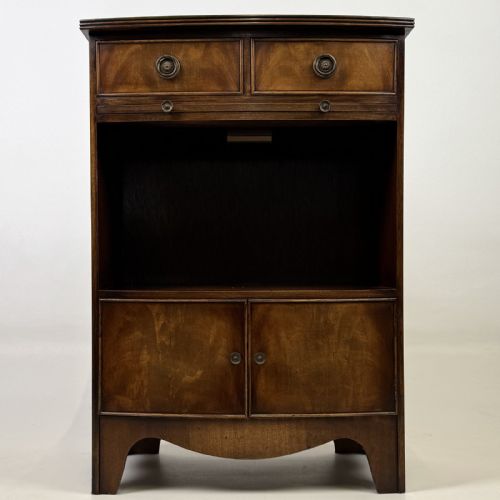
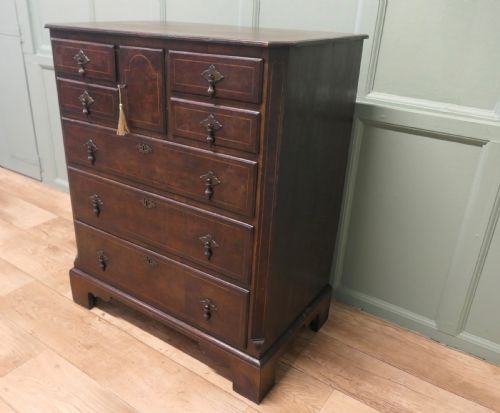
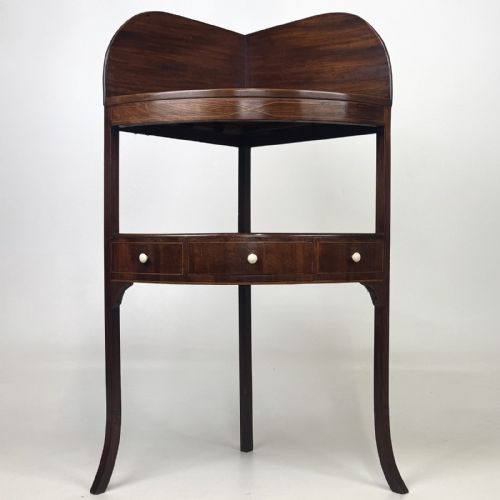
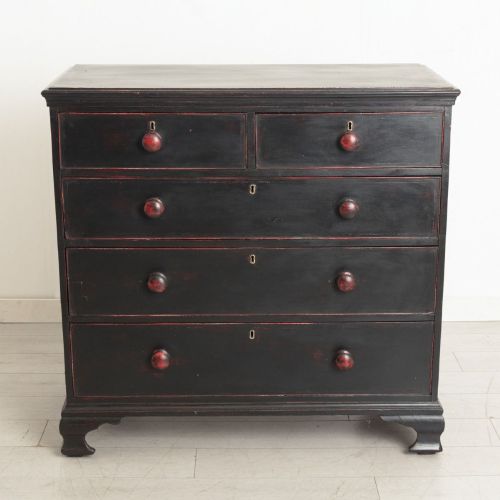
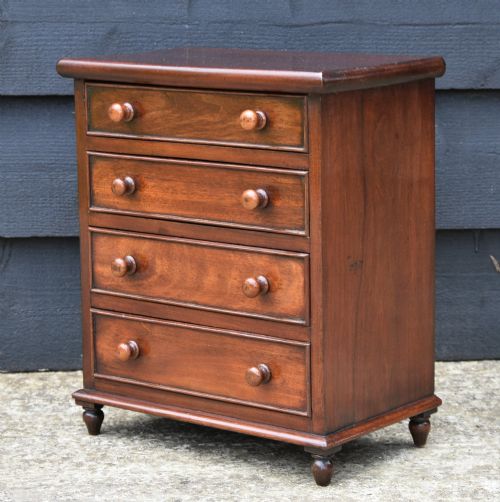
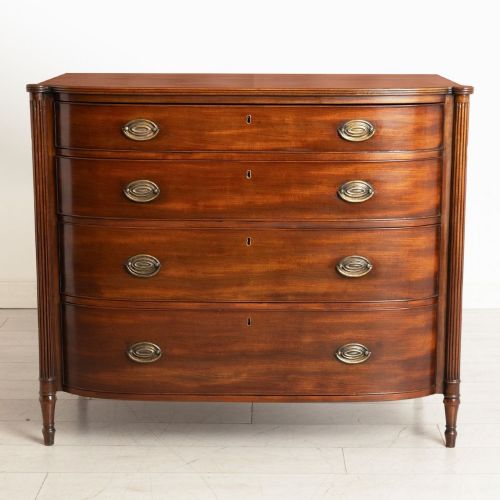
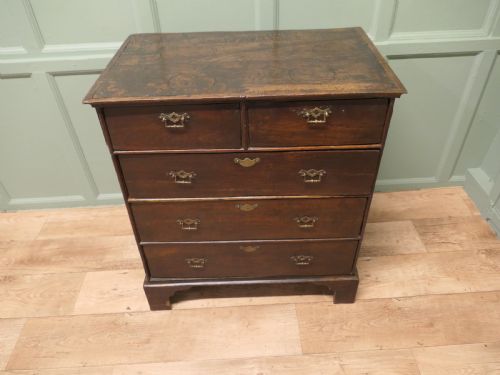
Georgian wooden drawers are classic storage pieces offering timeless utility, and you will find them here in mahogany, oak and walnut.
Georgian Wooden Drawers
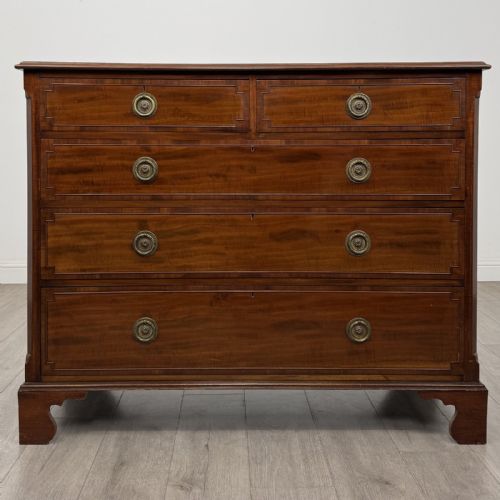
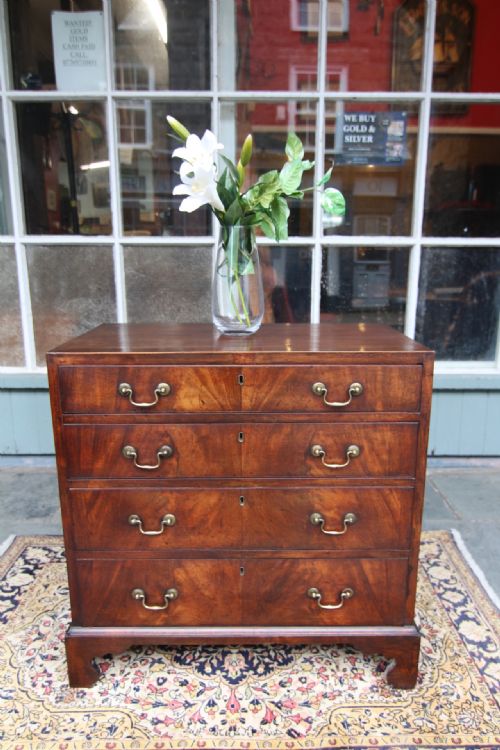
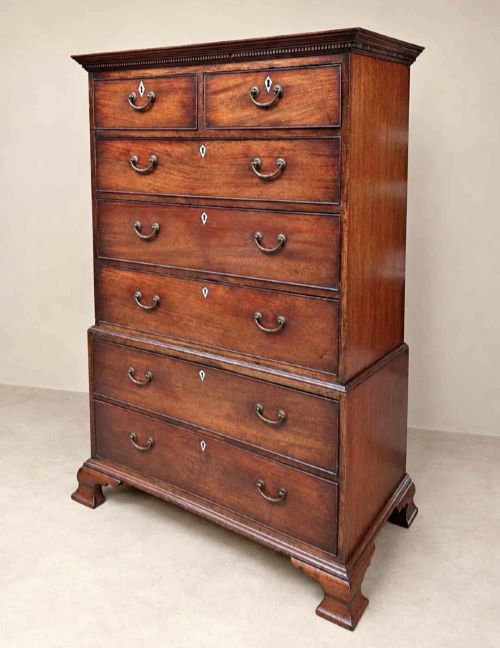
When you search for georgian wooden drawers, you encounter chests of drawers, chest on chest forms, and tallboys originating from the Georgian, Regency and 18th century periods. These items served as domestic storage for clothing and linens in period homes.
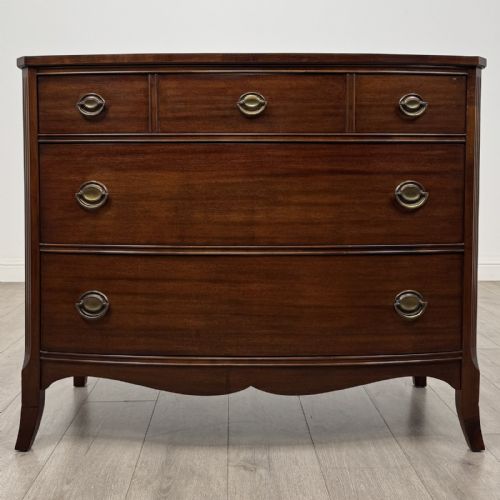
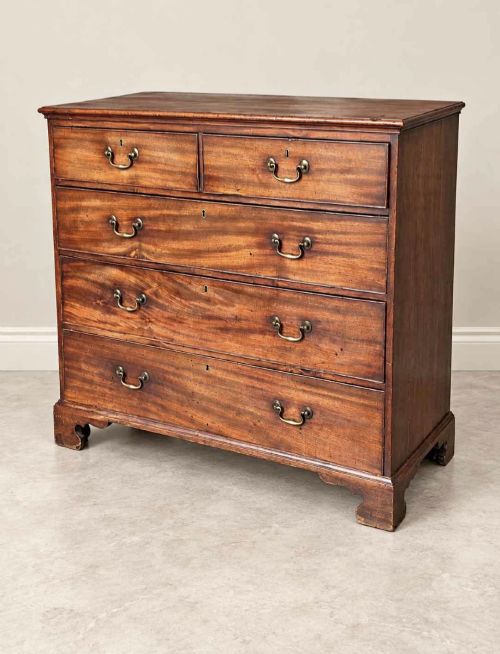
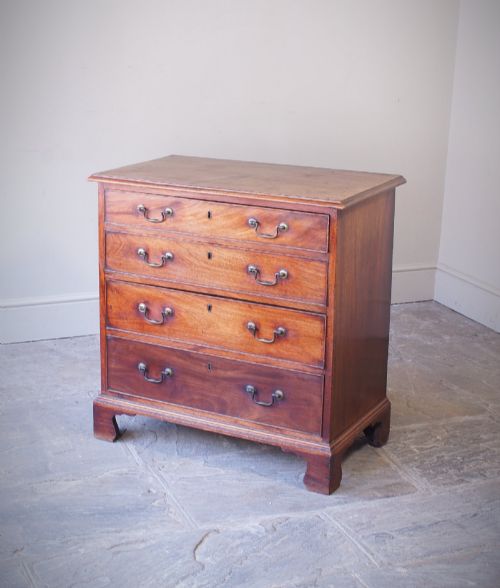
The most common versions on this page are mahogany and oak chests featuring bow fronts or straight profiles, often fitted with original brass hardware. Pieces range from compact small chests to large bank of drawers formats.
Makers and periods span the 17th century through to later revival styles, encompassing walnut commodes and specialised items like chests on stand.
How they were made
Cabinetmakers utilised solid timbers alongside flame mahogany veneer, burr walnut and crossbanded details to construct these storage items. Timber selection dictated the visual grain pattern, particularly on figured walnut and flame mahogany fronts.
Construction involved traditional joinery techniques paired with brass handles, escutcheons and sometimes glass components. Drawers operated within carcases built from oak or deal, joined with dovetailed joints that ensured structural rigidity.
Some chests hide pull-out brushing slides meant for folding garments before dressing gowns were invented.
What varies in quality
The distinction between standard examples and top tier pieces rests upon timber selection and surface figure, such as the depth of a flame mahogany veneer or the complexity of burr walnut. Finer items exhibit superior grain matching across multiple drawer tiers.
Execution of secondary details, including the crispness of mouldings and the retention of original brass hardware, separates utilitarian storage from exceptional cabinet work.
Whytock and Reid·J Moorcroft
The Georgian Wooden Drawers Glossary
- Bow front
- A convex curved cabinet front that projects outward in a smooth arc. This shape gained popularity during the late 18th century.
- Chest on chest
- A tall storage unit formed by stacking a smaller chest of drawers directly on top of a larger base chest. It is also frequently called a tallboy.
- Brushing slide
- A pull-out shelf integrated into the furniture frame above the top drawers. It provided a surface for sorting items or brushing garments.
- Crossbanding
- A decorative border technique where thin strips of veneer are laid with the grain running perpendicular to the surrounding wood. This method frames drawer fronts and tabletops.
Georgian Wooden Drawers: Frequently Asked Questions
What is a chest on chest?
A chest on chest is a tall two-section storage item where a slightly narrower chest sits atop a wider base chest. This configuration maximises vertical storage space in a bedroom.
Such pieces often combine significant height with compact floor footprints, housing numerous internal drawers for garments.
How do I identify a George III chest?
George III pieces date from the reign spanning the late 18th to early 19th centuries, typically rendered in mahogany or oak. They often display straight or bow fronts with fitted brass hardware.
Construction details include hand-cut dovetailing on the drawer boxes and native timber secondary woods inside.
What is a brushing slide?
A brushing slide is a pull-out wooden shelf positioned just beneath the top surface or upper drawers of a chest. It served as a temporary writing or sorting ledge.
Users pulled out the slide to fold garments or inspect items without needing a separate table.
Where were these pieces used?
These storage items stood principally in bedrooms, dressing rooms and parlours of period houses. They held personal attire, linens and household valuables.
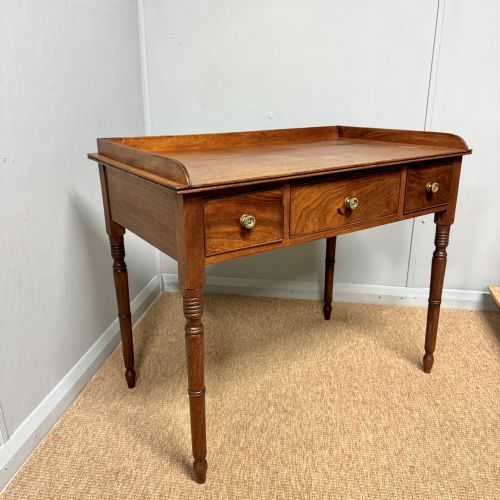
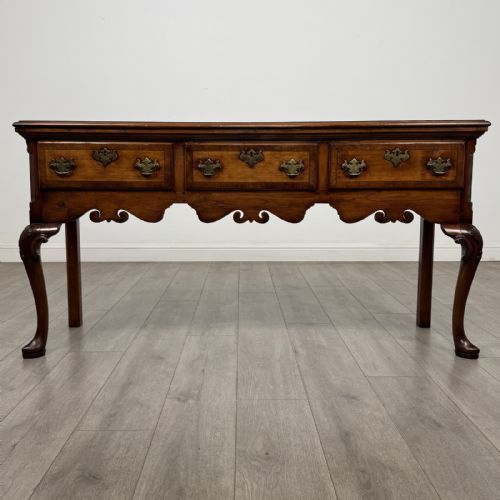
Smaller variants also functioned as side tables or commodes in living spaces.