



Nordic Chest
These nordic antique chest examples bring enduring regional character to any room through centuries of Scandinavian craftsmanship and paintwork.
Nordic Chest
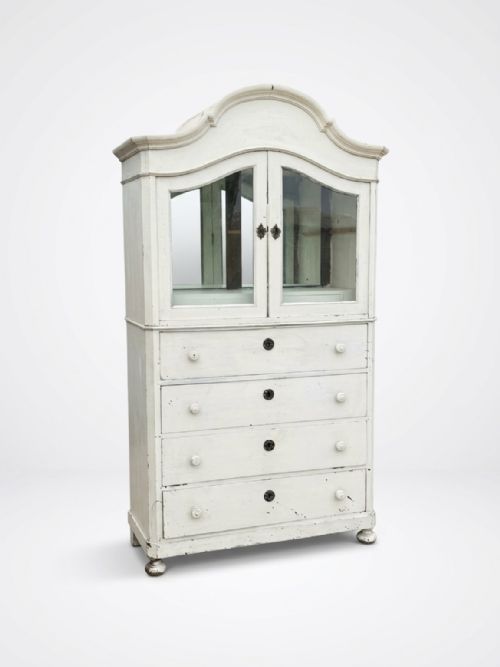
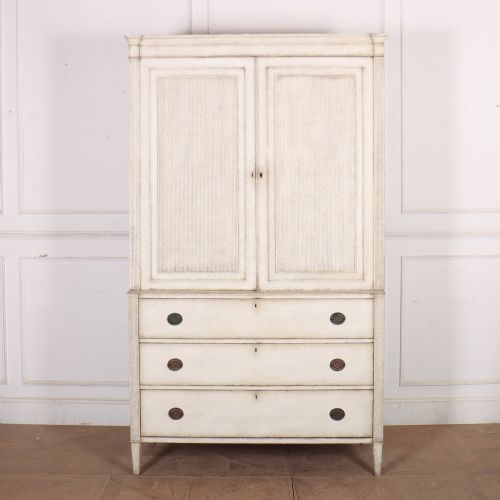
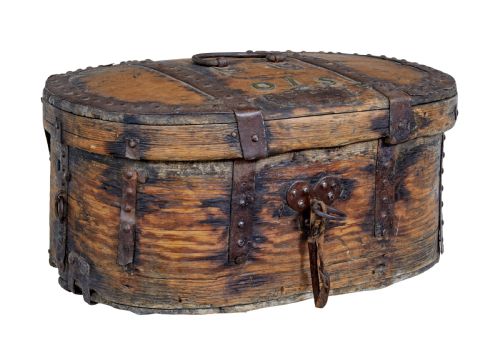
When you search for a nordic antique chest, you encounter storage furniture originating from Scandinavia across the eighteenth and nineteenth centuries. These pieces encompass utilitarian trunks, heavy coffers, refined commodes and tall cabinets.
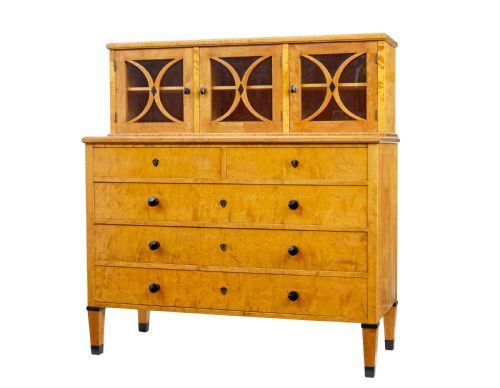
The versions you meet most frequently on this page are nineteenth-century painted pine chests and birch chests of drawers. They combine practical compartment storage with the distinct aesthetic traditions of Swedish country and folk art styles.
Makers ranged from rural carpenters crafting sturdy pine storage to urban cabinetmakers working in Empire Revival and Art Nouveau idioms. Their output serves as both functional domestic furniture and decorative folk history.
How they were made
Construction relies heavily on native timbers such as pine, birch, oak and elm, joined to withstand heavy daily use. Iron, wrought iron and brass provide robust hardware including strap hinges, locks and drop handles.
Surface decoration defines the genre, featuring hand-applied paint finishes, ebonised wood details and occasionally intricate inlay work. Many storage boxes and chests bear dates or painterly motifs characteristic of Scandinavian folk traditions.
Listings feature eighteenth-century Baroque oak pieces alongside nineteenth-century painted pine chests, birch commodes and Art Nouveau cabinets.
What varies in quality
The distinction between ordinary utility items and finer examples lies in the sophistication of the joinery and the preservation of the original painted surface. Untouched historical paint layers and skilled hand-painting elevate a piece above standard domestic storage.
Materials also dictate tier, with select examples utilising figured birch or inlaid elm rather than plain softwood. Hardware integrity and the retention of period locks or iron banding further distinguish superior specimens.
The Nordic Chest Glossary
- Commode
- A low chest of drawers or cabinet on legs, popular in eighteenth and nineteenth-century Scandinavian interiors.
- Gustavian
- The Swedish neoclassical style spanning the late eighteenth and early nineteenth centuries, characterised by restrained elegance and pale painted finishes.
- Biedermeier
- A Central European and Scandinavian style emphasising utility, clean lines and warm veneers without excessive ornamentation.
- Folk Art
- Utilitarian objects decorated by self-taught rural artisans, often featuring traditional motifs and vibrant painted surfaces.
- Iron Bound
- A chest or box reinforced with exterior wrought iron straps and brackets for structural strength and security.
Nordic Chest: Frequently Asked Questions
What is a nordic antique chest?
It is a piece of storage furniture originating from Scandinavian regions during the eighteenth and nineteenth centuries. These items include pine chests of drawers, painted trunks and folk art boxes.
They reflect the domestic traditions and regional cabinetmaking styles of countries like Sweden. Each piece combines practical utility with distinct surface decoration or timber work.
How were these chests used?
Historically, households utilised these chests and boxes for storing textiles, winter clothing, valuables and household provisions. Large trunks served both as storage and as seating benches in rural homes.
Cabinets and commodes provided more formal storage in living quarters. Their robust construction allowed them to withstand generations of domestic service.
How do I clean a painted pine chest?
Maintain the surface by dusting gently with a dry, soft cloth to prevent dirt accumulation. Avoid modern chemical cleaners, abrasive pads or excess water that might damage fragile historic paint.
Wax can sometimes be applied sparingly if the wood is dry, but painted finishes require caution. Preservation of the original decorative surface takes priority over deep cleaning.
How do I tell nineteenth century pieces apart?
Distinguish periods by examining construction methods, hardware types and stylistic influences such as Empire Revival or Art Nouveau. Earlier nineteenth-century examples often feature rustic painted pine, while later decades introduce birch veneers and different decorative motifs.
Cabinet construction evolved from simple pegged joinery to more complex factory-assisted methods by the late Victorian era. Examining the interior timber and secondary woods clarifies the date.