


Wedgwood Fairyland Lustre Bowl
A wedgwood fairyland lustre bowl brings extraordinary fantasy designs and iridescent colours into a room, made for collectors who appreciate vivid ceramic artistry.
Wedgwood Fairyland Lustre Bowl
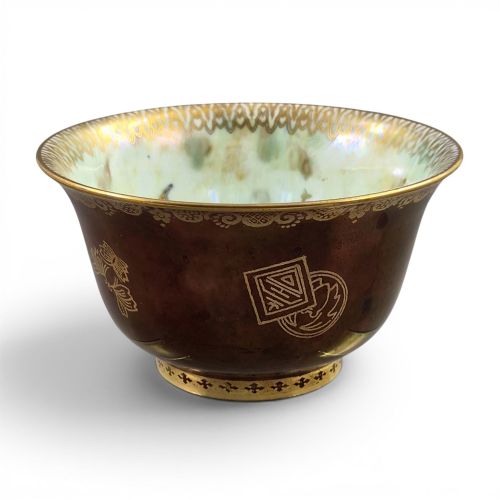
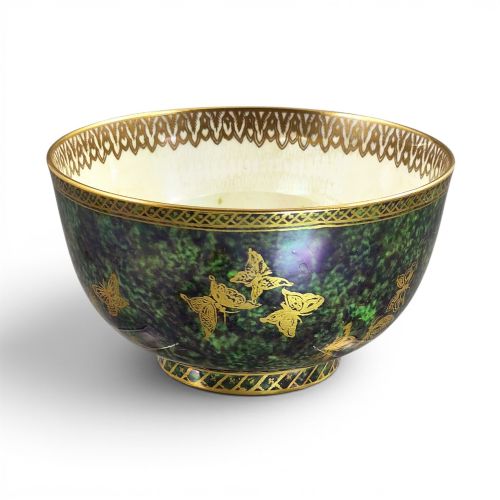
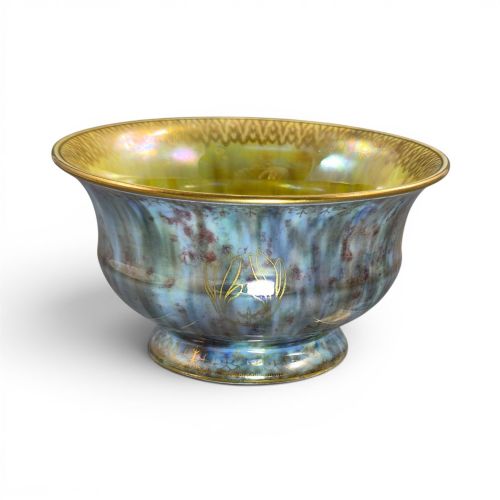
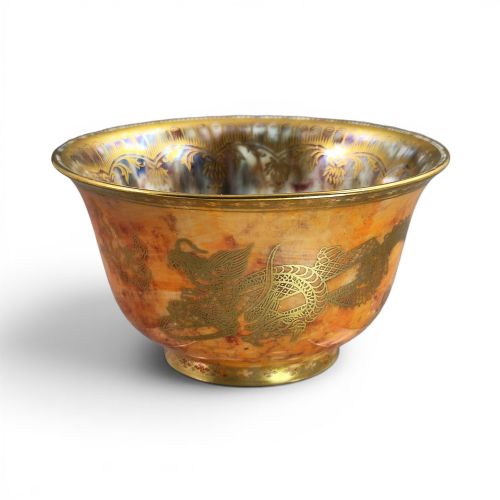
A wedgwood fairyland lustre bowl represents the pinnacle of early twentieth-century ceramic design, combining mythical subjects with complex decorative schemes. These pieces emerge primarily from the Edwardian period and the 1910 to 1920 decades, reflecting Art Nouveau and Art Deco sensibilities.
The forms span standard decorative bowls, large octagonal bowls, and miniature cups or tea bowls. Motifs focus heavily on dragons, butterflies, fish, and fantastical landscapes that define the fairyland series.
How They Were Made
Makers utilised porcelain and bone china as the base bodies for these vessels, applying intricate enamel paints alongside lustre glaze to achieve the characteristic metallic sheen. Artisans incorporated gold leaf, gilt, and gold gilding to highlight detailed patterns and borders.
The production relied on meticulous hand-crafting techniques to apply complex transfer and hand-painted designs across curved and octagonal surfaces. Multiple firings were required to set the iridescent lustre glazes and the rich enamel colours properly.
Listings feature porcelain and bone china bodies finished with lustre glaze, enamel, and gold gilding across Edwardian, Art Nouveau, and Art Deco styles.
What Varies in Quality
The complexity of the pattern dictates much of the distinction between examples, with elaborate multi-tiered mythological scenes demanding higher artistic skill than simpler geometric or single-motif layouts. Richness in the application of gold gilding and the depth of the iridescent lustre glaze also separate standard output from masterworks.
The crispness of the transfer printing combined with hand-painted enamel details shows the care taken during production. Larger octagonal formats and specific named patterns often display more ambitious compositions than smaller miniature cups.
Daisy Makeig Jones·Wedgwood
The Wedgwood Fairyland Lustre Bowl Glossary
- Lustre Glaze
- A ceramic finish containing metallic oxides that creates an iridescent, pearlescent sheen upon firing. This technique produces the shifting, rainbow-like light reflections seen across the surface.
- Bone China
- A type of soft-paste porcelain incorporating animal bone ash, providing high strength and a bright white body. It serves as a smooth canvas for delicate enamel painting.
- Gold Gilding
- The application of fine gold leaf or gold powder onto the ceramic body to accentuate rims, handles, and decorative motifs. It adds a warm metallic contrast to the colourful lustre background.
- Octagonal Bowl
- A vessel featuring eight distinct flat exterior sides rather than a standard round profile. This geometric form requires precise moulding and careful alignment of the painted panels.
- Enamel
- Opaque glass-like pigments applied over the fired glaze and subjected to an additional low-temperature firing. These paints provide the vibrant reds, blues, and greens found in the fairy motifs.
Wedgwood Fairyland Lustre Bowl: Frequently Asked Questions
How do I identify a fairyland lustre bowl?
Examine the piece for iridescent lustre glazes combined with fantastical subjects like dragons, butterflies, or mythical landscapes. Look for pattern numbers and maker marks on the underside to confirm origin.
Check whether the form is round or octagonal, as these shapes correspond directly to documented production designs from the 1910s and 1920s.
Were these bowls used for food?
These pieces served primarily as decorative display items rather than functional tableware due to their intricate enamel work and applied gold gilding. Their vibrant colours and complex scenes were meant to be showcased on cabinet shelves or mantelpieces.
Using them for daily dining would risk damaging the delicate lustre glaze and precious metallic highlights.
How should I clean my lustre bowl?
Dust the surface gently with a soft, dry cloth to prevent accumulation without abrasive contact. Avoid using chemical cleaners, scouring pads, or immersion in water, which can harm the sensitive enamel and gold gilding.
Keep the vessel away from direct sunlight to preserve the rich tones of the lustre glaze over time.
What periods do these bowls come from?
The majority of these ceramics date from the Edwardian era through the 1910s and 1920s, bridging Art Nouveau and Art Deco styles. Production during this specific window captured the peak popularity of fantasy-themed earthenware and porcelain.
Dates are often supported by pattern codes and backstamps registered during those decades.