




Edwardian Wedgwood Porcelain
Edwardian wedgwood porcelain brings together vibrant ceramic forms and intricate glaze work that define early twentieth-century British design.
Edwardian Wedgwood Porcelain
When you search for edwardian wedgwood porcelain, you encounter a specialised selection of decorative bowls, dishes, vases, and ceramic figures produced during the early twentieth century.
The objects span periods from nineteen hundred through the nineteen twenties, capturing transitional aesthetics from Edwardian elegance into Art Nouveau and Art Deco movements.
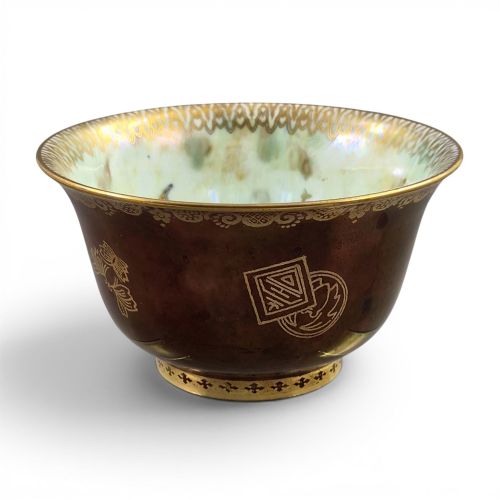
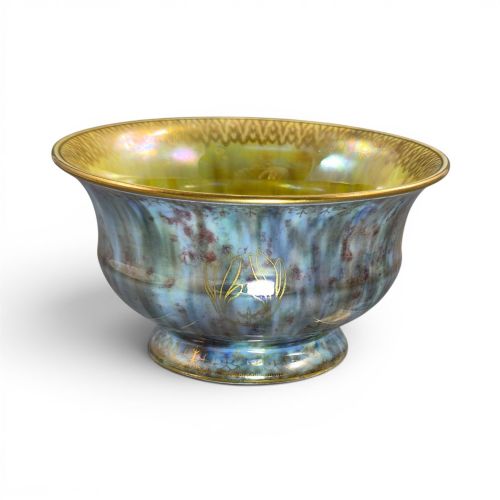
Decorative bowls and miniature cups dominate the selection, often taking octagonal or rounded forms decorated with imaginative motifs.
Materials and Manufacture
Potters shaped these pieces from fine porcelain, bone china, and earthenware before applying complex glaze systems.
Artisans built rich visual depth by combining lustre glaze, enamel painting, and applied gold leaf or gilt details.
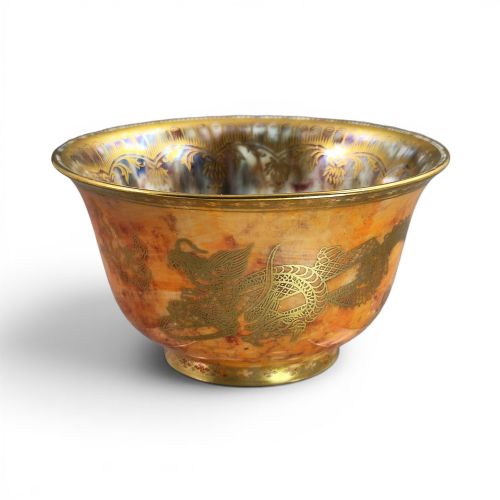
Celestial dragons and mischievous butterflies coil endlessly across polished ceramic surfaces, guarding tiny tea cups.
Judging Quality
Quality rests upon the precision of the hand-painted enamel work and the vibrancy achieved within the lustre glaze.
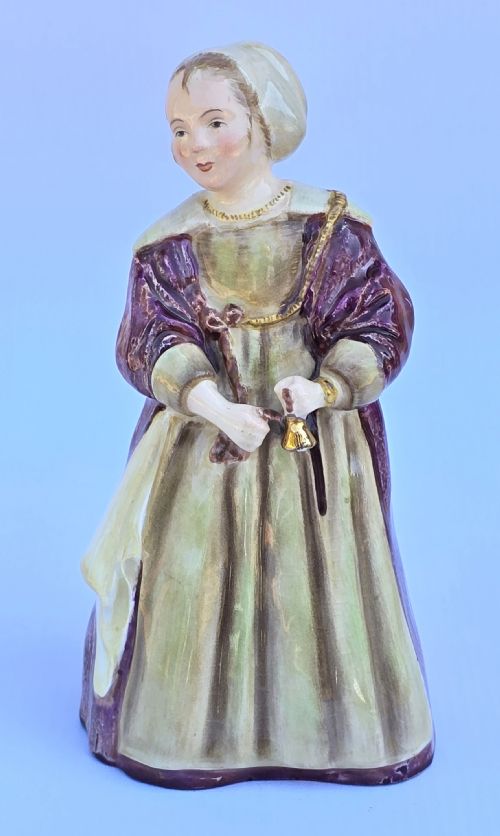
Complex motifs such as celestial dragons or figurative subjects require exceptional technical control during high-temperature firing.
Daisy Makeig Jones·James Hodgkiss·Wedgwood and Co Ltd
The Edwardian Wedgwood Porcelain Glossary
- Lustre glaze
- A metallic ceramic finish that creates an iridescent, shimmering surface effect when fired. This technique produces the signature colourful sheen seen on many decorative bowls.
- Bone china
- A type of porcelain enriched with bone ash to increase strength and translucency. It allows for thinner vessel walls while maintaining structural integrity.
- Gold leaf
- Hammered sheets of gold applied to ceramic surfaces for ornamentation. It accents specific design elements within the enamel patterns.
- Earthenware
- Porous pottery fired at lower temperatures than porcelain. It provides a sturdy body for shaped dishes and figurative works.
Edwardian Wedgwood Porcelain: Frequently Asked Questions
What is Fairyland Lustre?
Fairyland lustre represents an imaginative line of decorated ceramics developed during the early twentieth century. These pieces combine mythological imagery with complex iridescent glaze effects.
Artisans painted intricate scenes involving dragons, butterflies, and fantastical settings across bowls and vases.
How do I date these pieces?
Dating relies upon recorded production periods, specific pattern numbers, and stylistic markers. Most items originate between nineteen hundred and nineteen twenty.
Makers often incorporated impressed factory marks and pattern codes underneath the glaze to identify the exact series.
Are these items earthenware or bone china?
Production utilised multiple ceramic bodies including bone china, standard porcelain, and glazed earthenware. The chosen material depends on the specific vessel form and decorative intent.
Figures and utilitarian bowls each required distinct clay mixtures to achieve the desired weight and translucency.
How should I display them?
Display requires stable placement away from direct sunlight to preserve the delicate enamel and gold leaf details. Flat surfaces inside enclosed cabinets protect the iridescent surfaces from dust and accidental impact.
Adequate interior lighting enhances the metallic sheen of lustre glazes without exposing the ceramics to harmful environmental shifts.