

Warm Brown Wooden Desk
A warm brown wooden desk brings tangible character to a room, offering practical surface space rooted in centuries of traditional craftsmanship.
Warm Brown Wooden Desk
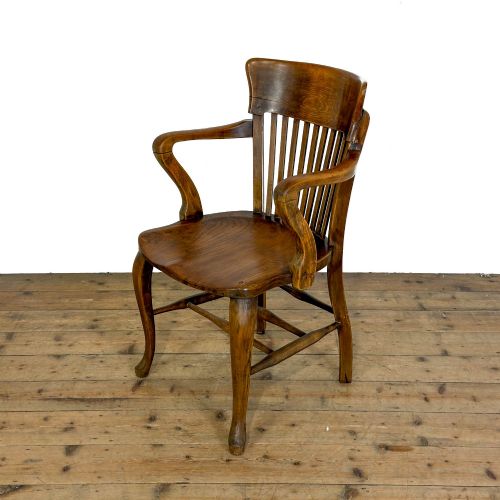
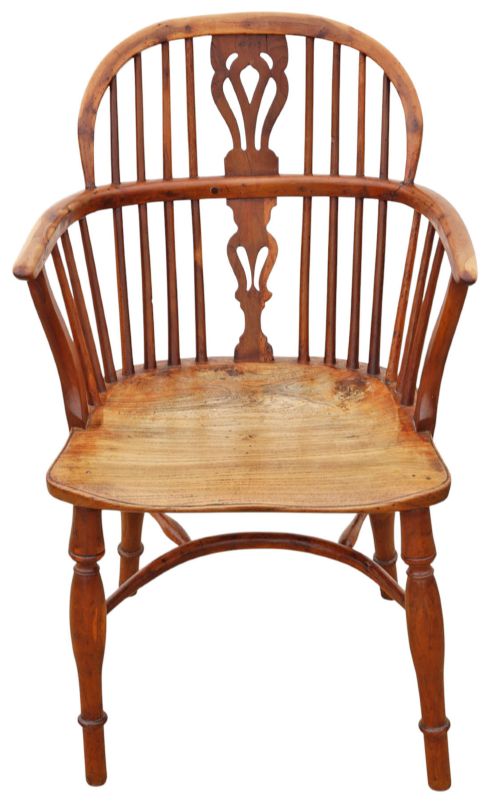
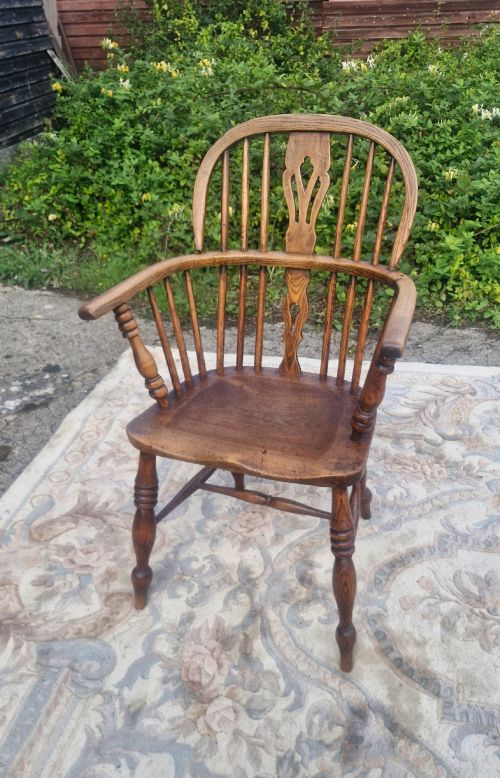
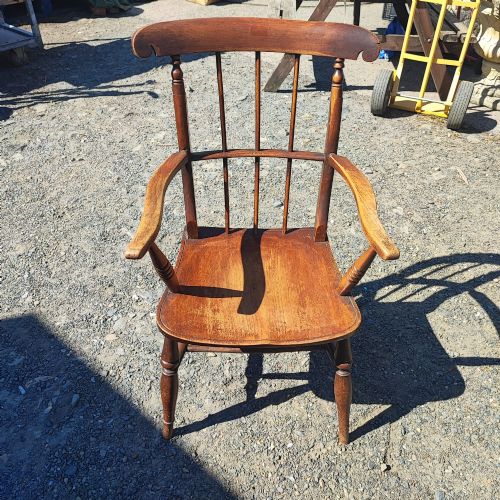
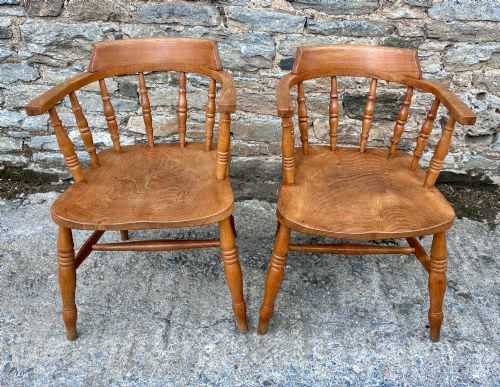
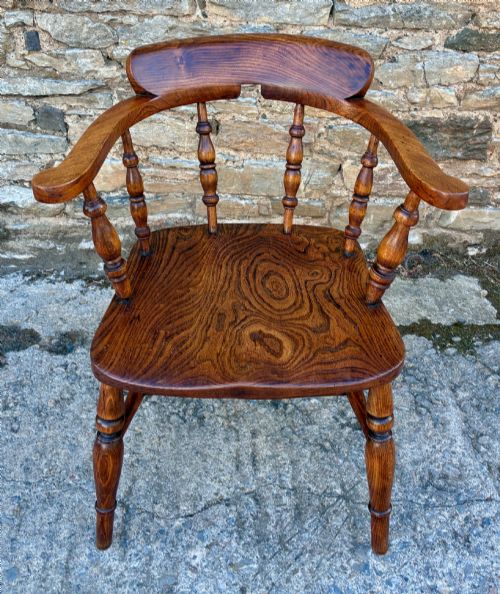
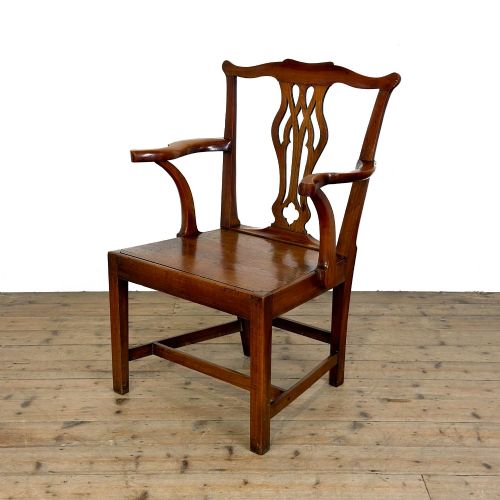
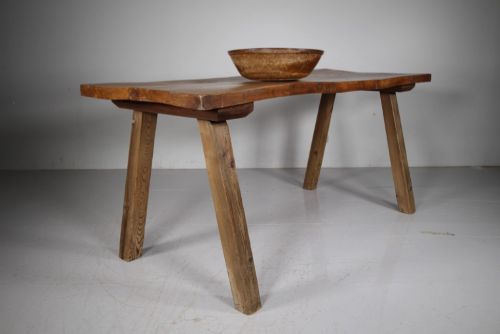
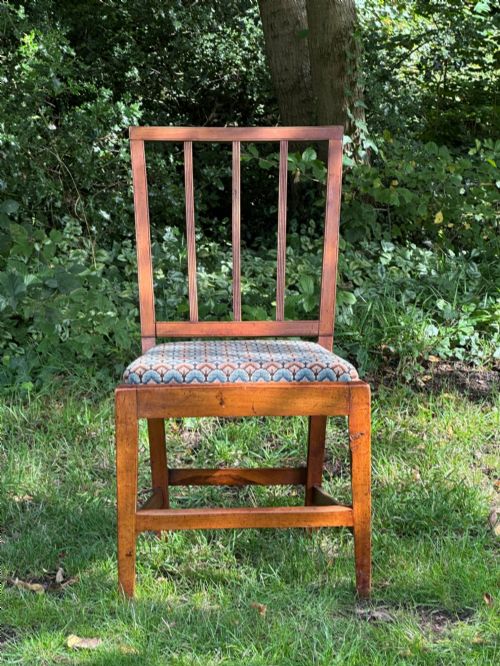
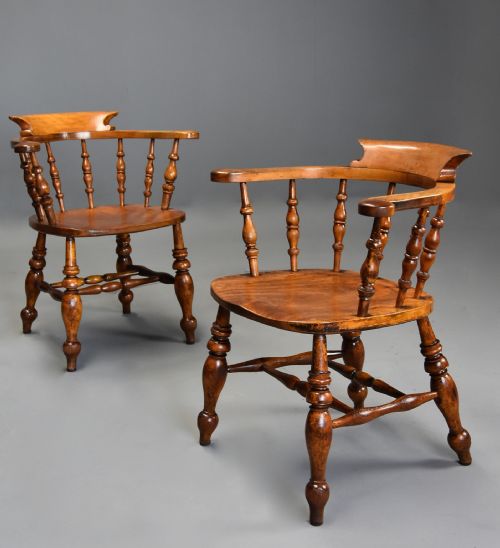
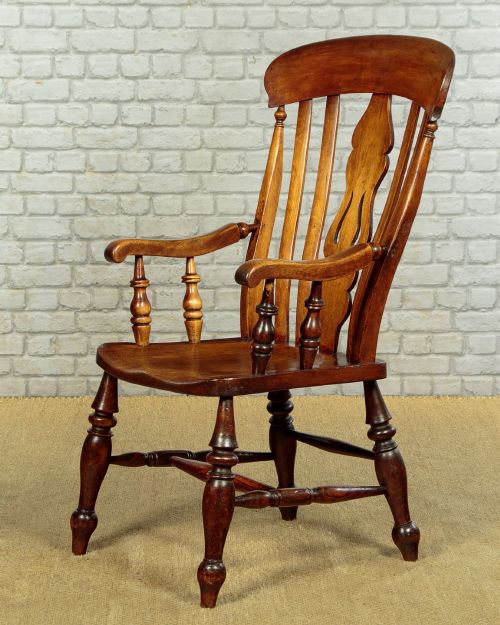
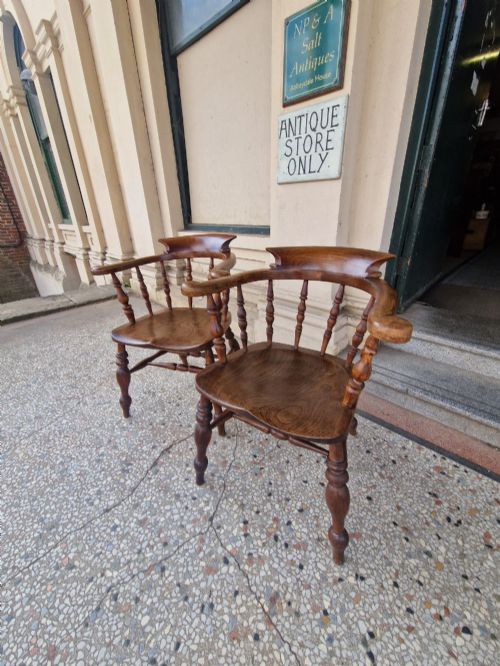
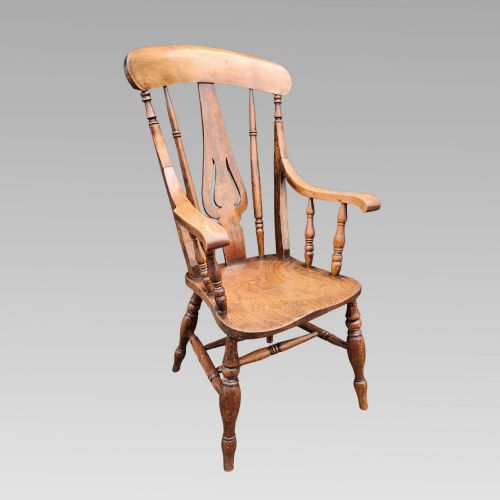
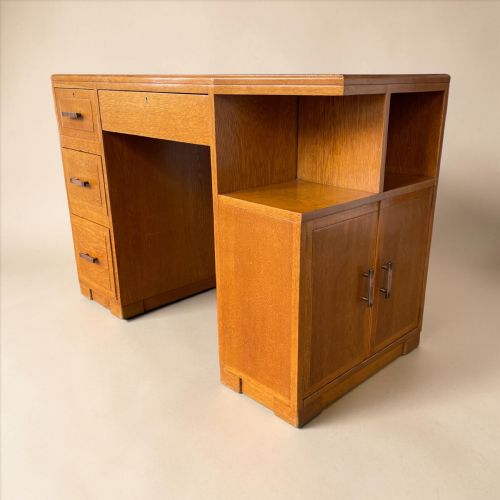
A warm brown wooden desk encompasses various timber work surfaces from the Georgian, Victorian, and later periods. While the search phrase points to desks, the available inventory heavily reflects the sturdy utilitarian forms of the era, including elm and yew Windsor armchairs, oak tables, and fruitwood dining pieces alongside occasional pedestal desks and bureaux.
How they were made
These pieces rely on solid regional timbers such as elm, ash, beech, yew, and fruitwood, often paired with brass fixings for handles or structural reinforcement. Craftsmen turned spindles, shaped solid plank seats, and joined frames using traditional techniques suited to heavy daily use.
Surfaces demonstrate the natural warmth of timber polished through decades of handling, highlighting visible grain patterns without heavy modern varnishes. Construction methods focus on mechanical strength, utilising pegged joints, hoop backs, and crinoline stretchers to support upright seating and robust tables.
Listings span the eighteenth, nineteenth, and early twentieth centuries, featuring elm, yew, oak, and fruitwood across tables and seating.
What varies in quality
Quality rests in the selection of timber contrast, such as yew wood bows matched with figured elm seats, which elevate a standard utilitarian item into a considered piece. The crispness of turned spindles and the preservation of original patination also distinguish superior examples.
Structural integrity and the retention of original components separate standard workshop output from finer survivals. Pieces retaining their early surface without excessive stripping or modern replacement parts command greater interest from traditional collectors.
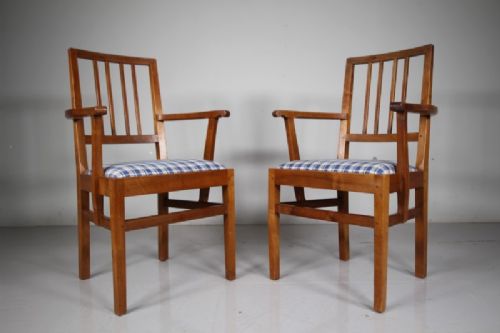
Maple & Co·Edward Barnsley
The Warm Brown Wooden Desk Glossary
- Windsor chair
- A wooden chair built with a solid sculpted seat into which the legs and back spindles are direct-inserted. They often combine different woods like elm seats with ash or beech frames.
- Patina
- The surface sheen and colour developed by timber over years of handling, polishing, and ageing. It serves as a visual indicator of a piece's age and history.
- Smokers bow
- A low-backed Windsor armchair designed for comfort, commonly found in offices, smoking rooms, and pubs during the nineteenth century. They typically feature a continuous curved arm rail.
- Crinoline stretcher
- A bent metal or wooden stretcher linking the legs of a chair in a horseshoe curve, providing extra stability. This design is particularly associated with mid-nineteenth-century Windsor seating.
Warm Brown Wooden Desk: Frequently Asked Questions
What woods are most common?
Elm appears frequently for seats, combined with beech, ash, yew, or fruitwood for the frames and spindles.
Other pieces utilise oak, birch, and mahogany depending on the specific form and period of manufacture.
How do I care for the wood?
Keep wooden furniture away from direct heat sources and sudden humidity changes to prevent timber splitting.
Apply traditional beeswax occasionally to nourish the surface and maintain the natural lustre.
Are these pieces suitable for daily use?
Many of these items were built for practical domestic or office tasks and remain structurally robust.
Checking joinery stability ensures they easily withstand regular seating or surface work today.
How do I identify the period?
Construction marks, timber choice, and turning styles help indicate whether a piece dates to the Georgian or Victorian era.
Secondary woods and fixing types offer further clues to the manufacturing decade.