




Antique Country Elm Occasional Table
An antique country elm occasional table brings honest rustic warmth and centuries of domestic utility to a room.
Antique Country Elm Occasional Table
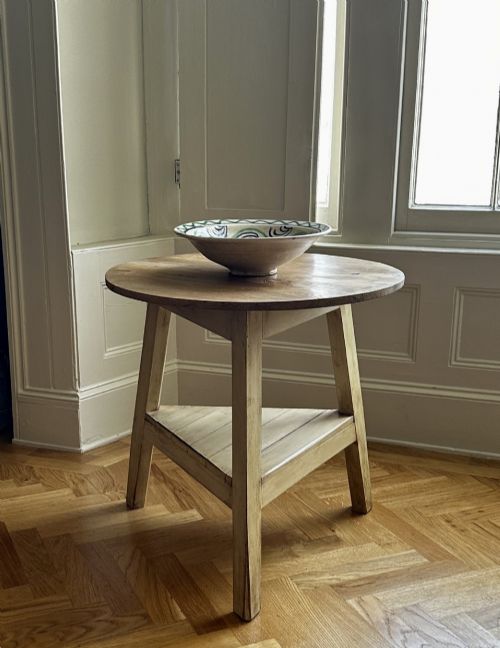
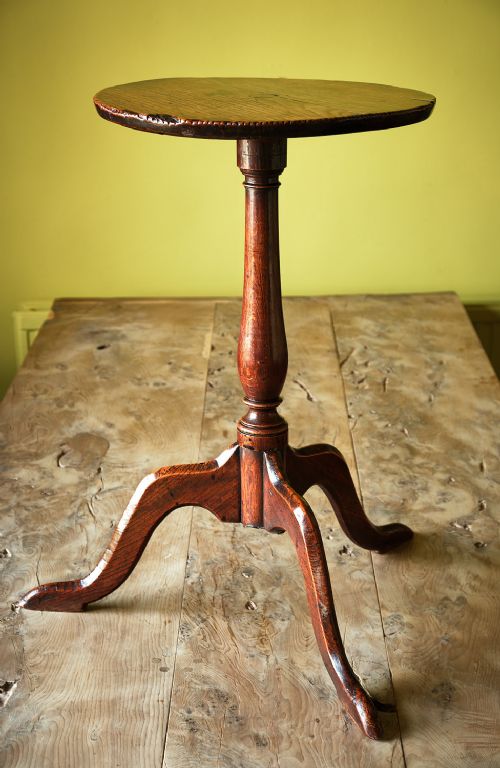
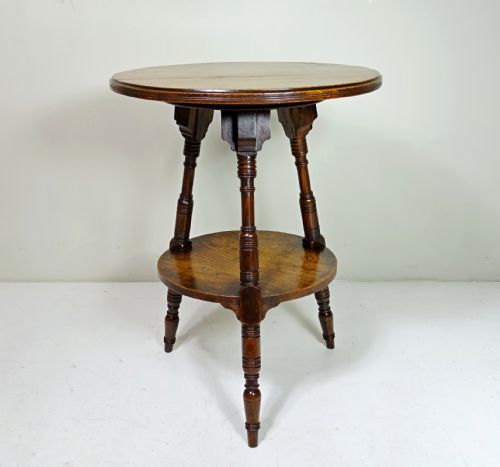
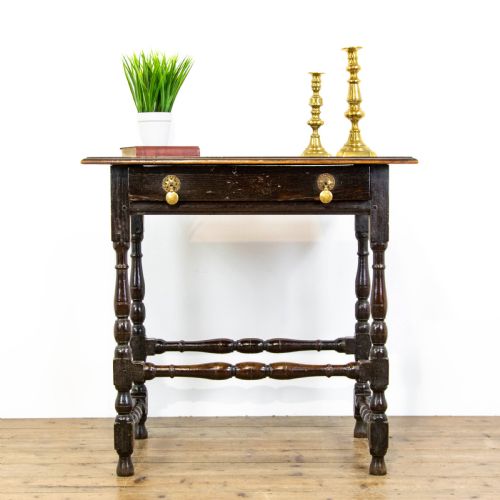
An antique country elm occasional table is a sturdy, unpretentious piece of domestic furniture built for everyday use in provincial homes. These tables span several distinct forms, including tripod tables, side tables, drop-leaf tables, and three-legged cricket tables.
The pieces listed here date predominantly from the eighteenth and nineteenth centuries, encompassing Georgian and Edwardian periods as well as English provincial and rustic farmhouse styles. One encounters both British vernacular examples and occasional pieces from further afield, such as Qing Dynasty Chinese elm furniture.
Buyers seek these tables for their rich, figured timber and unpretentious proportions that suit smaller spaces. They function naturally beside seating or in hallways, offering practical surface space without dominating a room.
How they were made
Makers relied on native hardwoods, pairing durable elm tops with oak frames, ash supports, or occasionally mahogany. Elm was chosen for its tough, interlocking grain that resisted splitting under heavy household labour, while oak provided sturdy structural framing for legs and stretchers.
Construction techniques are straightforward and honest, utilising pegged joints, pad feet, and tapered legs designed to stand firm on uneven flagstone floors. Tripod bases and three-legged cricket table designs ensured stability on farmhouse floorboards without rocking.
What varies in quality
Quality in an antique country elm occasional table lies in the character of the timber and the integrity of the surface patination. Tables with deeply figured elm tops and warm, mellow colour achieved through centuries of use stand apart from more uniform or dull examples.
Proportion and structural survival dictate desirability. Pieces that retain their original timber without excessive replacement parts or unsympathetic height alterations command greater appreciation among collectors of vernacular furniture.
The Antique Country Elm Occasional Table Glossary
- Cricket table
- A small three-legged occasional table, typically featuring a round wooden top and splayed legs designed for stability on uneven floors. These tables earned their name from their resemblance to the three-legged joint stools used by cricket players or scorers.
- Tripod table
- A small occasional table supported by a central pillar resting on three legs. This form became particularly popular during the Georgian period.
- Pad foot
- A simple rounded foot terminating the leg of a piece of furniture, resting flat on the floor without casters. It is commonly found on eighteenth-century country tables.
- Drop leaf table
- A table with hinged flaps on either side of the main top that can be folded down to save space. Edwardian and Georgian makers utilised this clever mechanism for versatile room layouts.
Antique Country Elm Occasional Table: Frequently Asked Questions
How were elm tables used originally?
In historic homes, these compact tables served flexible daily purposes, from holding candlesticks and spinning equipment to serving tea or meals beside a hearth. Their portability meant they moved wherever a small surface was needed.
Today, they perform a similar function as side, lamp, or occasional tables, fitting comfortably into tight corners or beside modern seating.
How do I care for an elm table?
Elm furniture thrives in stable indoor environments away from direct heat sources and drastic humidity changes, which can cause the timber to warp or split. Simple dusting with a dry cloth and occasional feeding with traditional wax preserves the historic finish.
Avoid using modern chemical polishes, which can strip away the mellow patination built up over centuries.
How can I tell the period of a table?
Dating relies on observing construction methods, timber choices, and stylistic cues such as leg shapes and edge mouldings. Earlier pieces from the seventeen-hundreds often feature hand-pegged joinery and distinct tool marks from primitive saws.
Later nineteenth-century and Edwardian examples show more standardised machine-sawn components while retaining traditional country forms.