






Victorian Elm Side Table
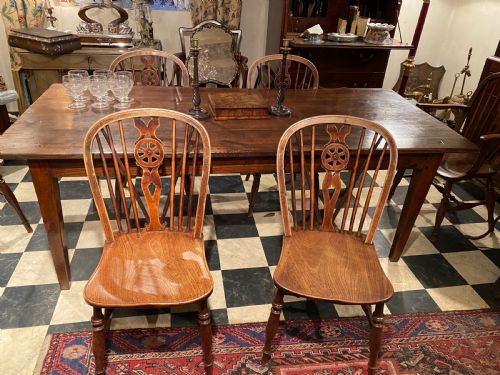
A victorian elm side table brings practical surface space and rich domestic character to a hallway, sitting room or study.
Victorian Elm Side Table
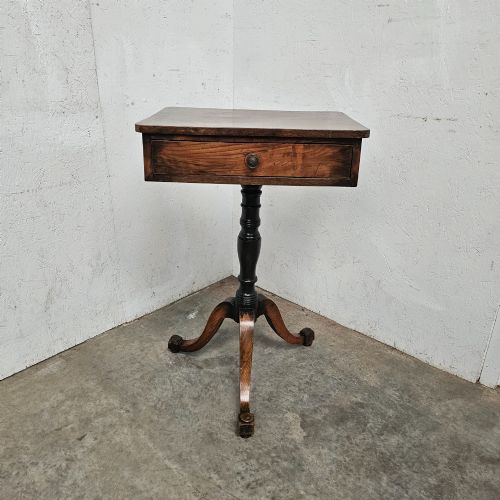
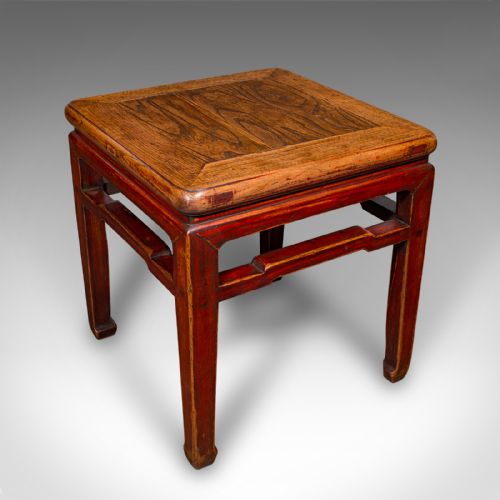
A victorian elm side table is a versatile nineteenth-century domestic furnishing designed for auxiliary use in the home. These pieces appear in forms ranging from simple country farmhouse tables with single drawers to octagonal wine stands and pedestal lamp tables.
Most examples originate from British country workshops or English and Scandinavian domestic settings, whilst others reflect nineteenth-century international trade through Japanese Meiji period influences. Buyers frequently encounter side tables, occasional pieces and compact lamp stands.
The aesthetic leans towards rustic farmhouse and English country styles, often showing straightforward utility combined with durable construction. Selecting the right version depends upon the intended placement, whether as a lamp support in a corner or a freestanding centre table.
Materials and construction
Solid elm forms the principal timber for these tables, chosen for its toughness and distinctive grain pattern, whilst burr elm surfaces provide decorative figured movement. Workshops occasionally paired elm with oak, walnut, rosewood or pine depending on the regional tradition and the specific table type.
Construction techniques focus on everyday utility, utilising sturdy joints, pedestal supports, drop leaves or brass fittings where appropriate. Surface treatments range from plain polished wood to ebonised finishes and lacquer work on Japanese export pieces.
Makers occasionally utilised the tough, twisting grain of elm to build milking stools and small tables that simply refused to wobble.
Distinctions in quality
Quality rests primarily on the character of the timber grain and the integrity of the original construction rather than elaborate decoration. Plain utilitarian examples rely on honest proportions and sturdy legs, whereas burr elm or speciman tops display highly prized natural figuring.
The distinction between standard domestic pieces and superior examples often lies in the sophistication of the joinery and the survival of original surface finishes. Tables retaining untouched patination command greater appreciation among collectors than those with heavy modern interventions.
The Victorian Elm Side Table Glossary
- Elm
- A dense, tough hardwood featuring an interlocking grain that resists splitting. It provides a durable surface for hardworking domestic furniture.
- Burr Elm
- A highly decorative timber growth displaying swirling, knotty patterns. It is typically utilised on prominent tabletops to create visual depth.
- Drop Leaf
- A table design featuring hinged flaps that fold down to save space or lift up to extend the surface area.
- Pedestal Table
- A single central column supporting the tabletop, resting on a sturdy base or foot arrangement.
- Cricket Table
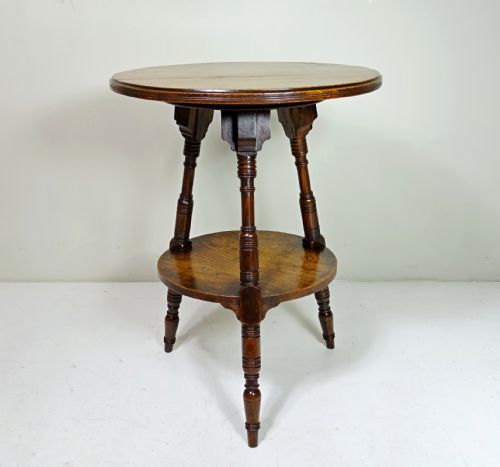
- A light, three-legged occasional table with a circular top, traditionally used in British country interiors.
Victorian Elm Side Table: Frequently Asked Questions
How do I care for elm wood?
Keep elm furniture away from direct heat sources and strong sunlight to prevent the timber from drying out or splitting over time. Dust gently with a dry cloth and occasionally apply a neutral wax to maintain the natural sheen of the wood.
Avoid using abrasive cleaning products or excess water, which can damage antique surface finishes and patination.
What is burr elm?
Burr elm comes from a natural growth on the tree that produces dense, swirling patterns of knots within the grain. Cabinetmakers prized this figured wood for tabletops because it creates a striking visual texture.
Tables featuring burr elm surfaces generally demand closer inspection to appreciate the intricate natural variations in the timber.
Are these tables sturdy enough for daily use?
Nineteenth-century elm furniture was built for practical domestic tasks, making most examples robust and durable for everyday living. Solid timber construction handles normal loads like lamps, books and cups without difficulty.
Check that joints remain firm and the legs sit level on the floor before placing heavy items on the surface.