

Warm Brown Pedestals
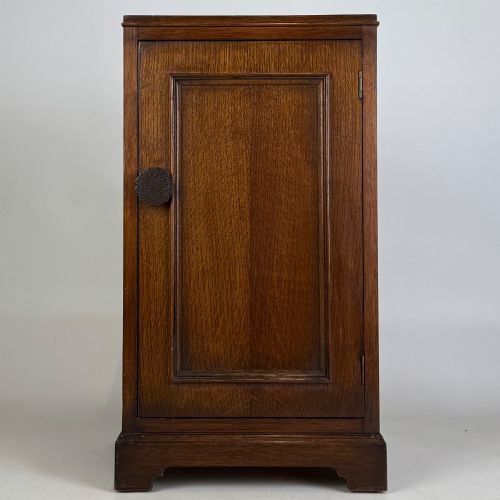
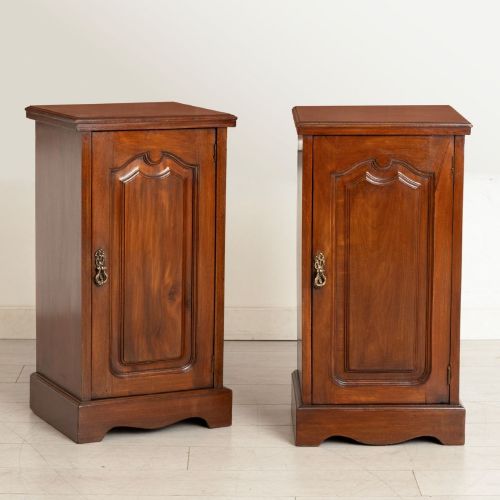
Warm brown pedestals bring rich timber tones and sturdy column supports to dining rooms and studies through centuries of cabinet-making.
Warm Brown Pedestals
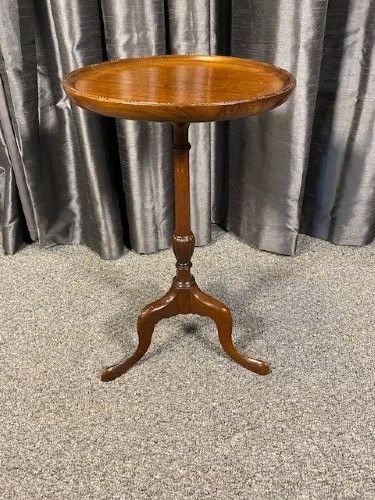
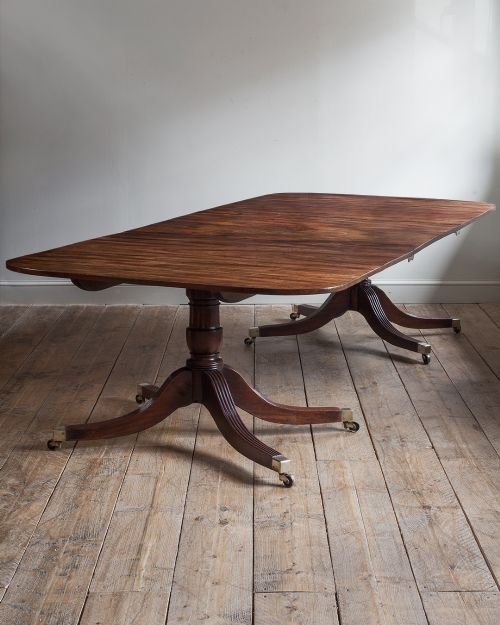
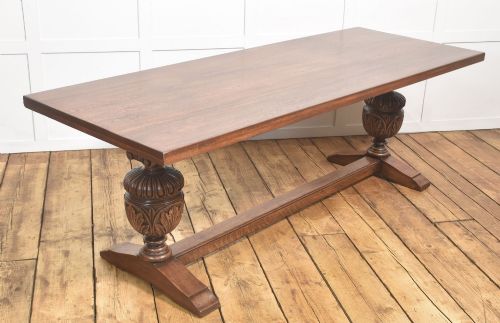
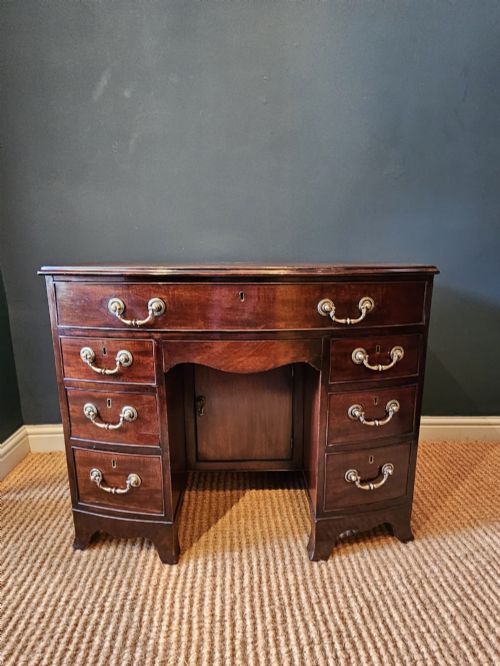
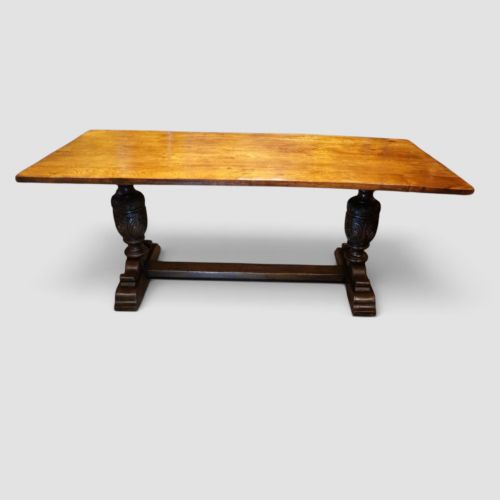
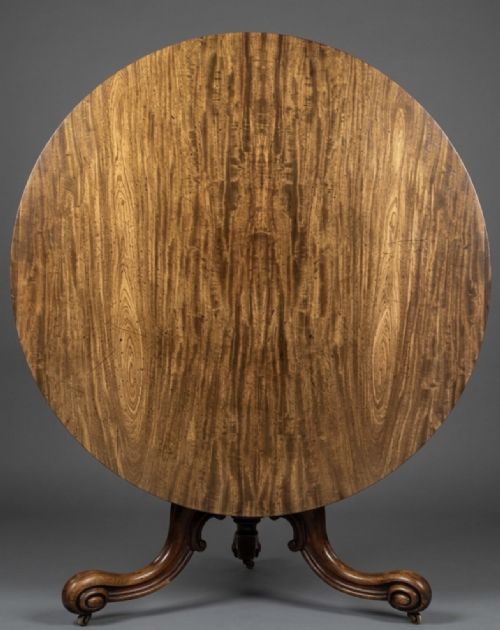
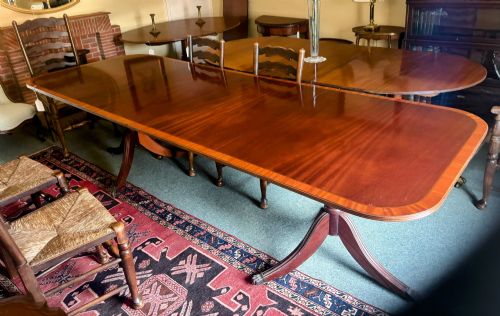
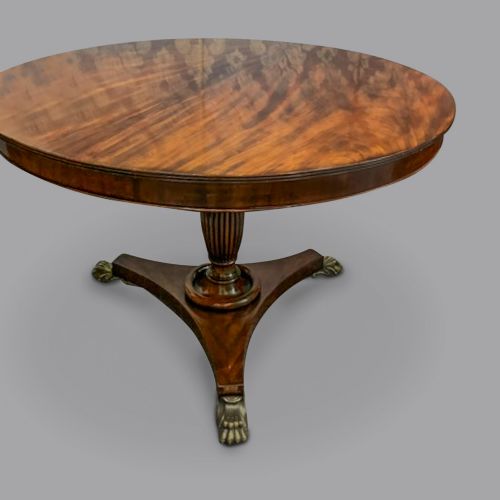
Warm brown pedestals encompass large dining tables supported by central columns alongside smaller occasional pieces designed for domestic utility.
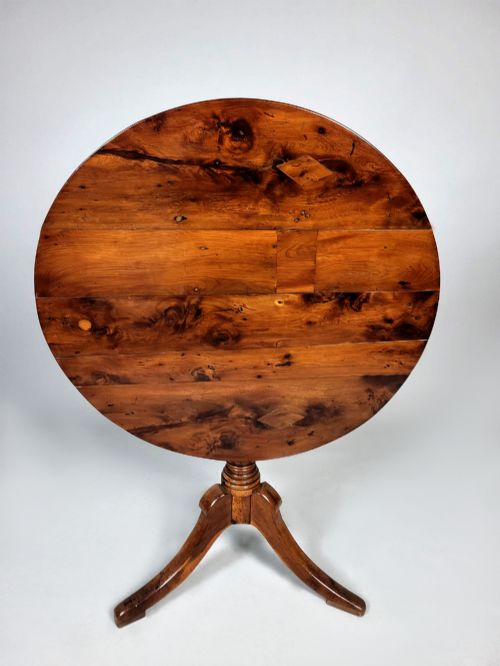
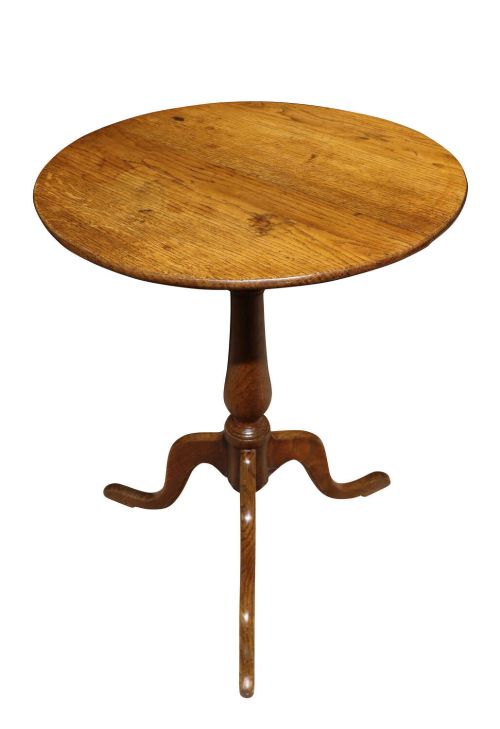
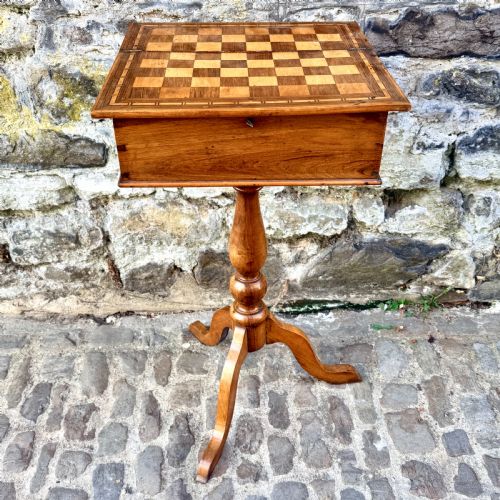
The pieces appearing under warm brown pedestals showcase dining tables with extending twin pillars and smaller tripod tables resting on single central supports.
Examples range from eighteenth-century Georgian designs to nineteenth-century Victorian pieces, utilising traditional forms and rich timber surfaces.
Materials and Construction
Cabinet-makers relied heavily on mahogany, walnut, and oak to build these tables and cabinets, often selecting timber with prominent grain patterns.
Secondary woods like elm and fruitwood appear in regional pieces, while brass hardware and glass elements provide functional details on desks and cabinets.
Charles Dickens managed to inspire a specific style of nineteenth-century writing desk bearing his name.
Distinctions in Quality
Quality rests on the selection of figured timbers like burr walnut or yew wood, alongside the precision of the joinery joining the pedestal to the top.
Fine pieces display considered proportions and subtle decorative elements such as marquetry inlay, distinguishing them from simpler utilitarian items.
Maple and Co·Maurice Adams
The Warm Brown Pedestals Glossary
- Pedestal
- A structural column or support base holding up a tabletop or cabinet body.
- Tilt top
- A tabletop mechanism allowing the surface to pivot vertically when not in use.
- Tripod table
- A small occasional table supported by three distinct feet radiating from a central pillar.
- Refectory table
- A long dining table traditionally utilised for communal dining in large halls.
- Kneehole desk
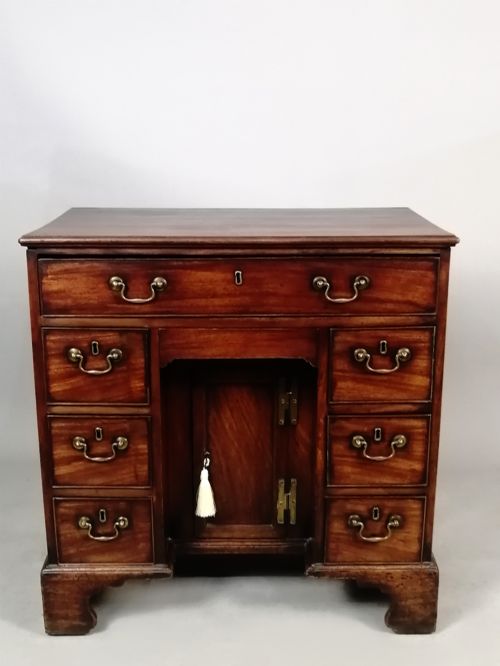
- A writing table featuring a central recess for the legs flanked by banks of drawers.
Warm Brown Pedestals: Frequently Asked Questions
What is a pedestal dining table?
A pedestal dining table relies on one or more central columns for support rather than four corner legs.
This design allows for easier seating arrangements around the perimeter of the table.
How do I date an antique table?
Dating involves examining the timber species, construction joints, and stylistic details associated with periods like Georgian or Victorian.
Tool marks and fixing methods beneath the tabletop offer further clues to the manufacturing era.
Where should I place a tilt top table?
Tilt top tables suit smaller spaces or hallways where they can stand vertically against a wall to display the tabletop.
When needed for serving, the top lowers horizontally onto the pedestal catch.
How do I care for mahogany furniture?
Mahogany surfaces benefit from regular dusting with a soft cloth and occasional applications of traditional wax polish.
Direct sunlight and extreme temperature changes should be avoided to protect the polished timber finish.