


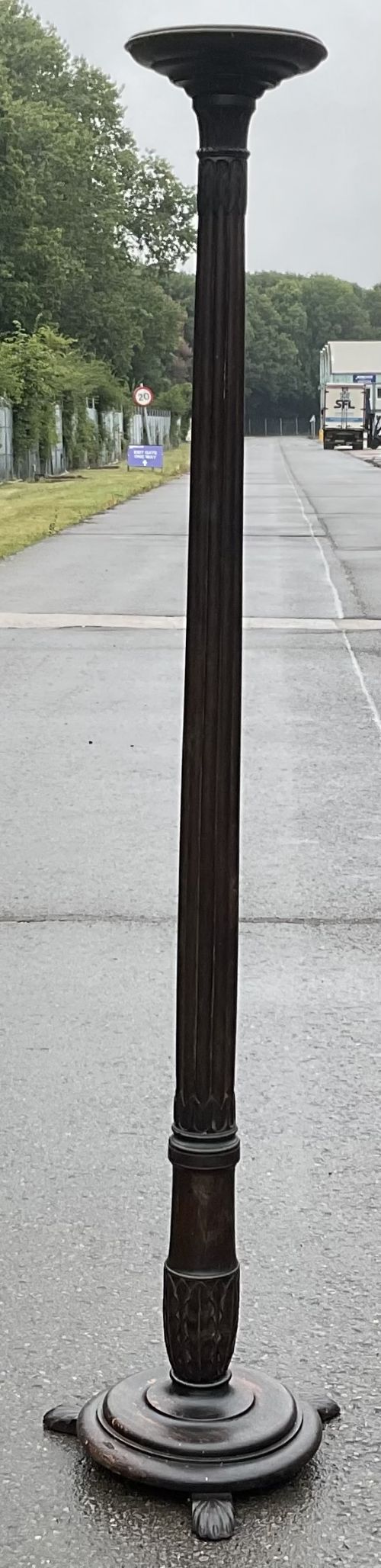


Victorian Fluted Display Columns
Victorian fluted display columns elevate sculpture and pottery with classical dignity, bringing architectural presence into the room.
Victorian Fluted Display Columns
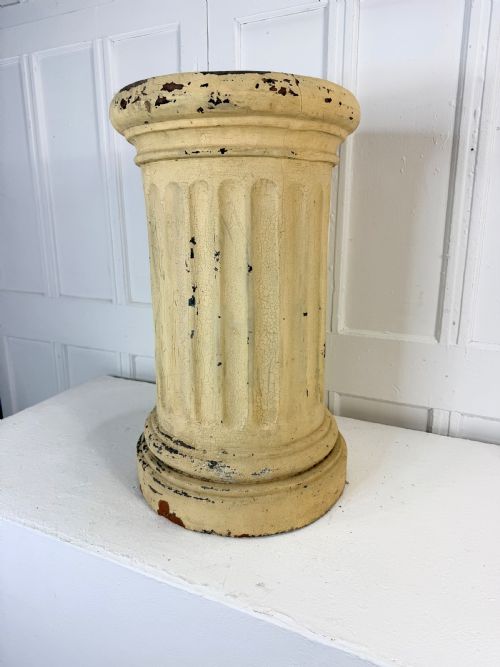
When you search for Victorian fluted display columns, you find architectural supports designed to elevate decorative objects within a room. These pieces range from tall column stands and torcheres to pedestals, often reflecting neoclassical and classical revival influences.
On this page, the pieces you are most likely to meet span the nineteenth century, including Victorian examples alongside related items like plant stands, pedestals and columns, and torcheres. They serve primarily to raise statues, vases, and urns to eye level.
Makers and craftsmen of the period drew upon Regency style and continental classical revival traditions to shape these supports. They form part of a broader group of furnishings that includes display columns and architectural pillars.
How they were made
Makers shaped these display columns using timber such as mahogany, rosewood, pollard oak, walnut, beech, and satinwood, alongside stone and terracotta. Woodworkers turned shafts on lathes to create crisp fluting and detailed architectural profiles.
Many examples incorporate brass, ormolu, and marble to accentuate capitals and bases, combining structural timber with decorative metalwork. Selected pieces feature glazed elements or fabric linings where columns double as cabinets or stands.
Listings feature pieces from the nineteenth century, including specific dates such as 1850, 1860, 1880, 1910, alongside Victorian, Georgian, and Regency periods.
What varies in quality
The distinction between standard utility stands and exhibition quality pieces lies in the choice of materials and the crispness of the turned fluting. Dense timbers and finely cast ormolu mounts indicate a higher standard of workshop production.
Proportion and architectural balance determine the visual success of a column, separating well-resolved classical designs from simpler upright supports. The execution of the capital and base shows the level of care invested by the cabinetmaker.
The Victorian Fluted Display Columns Glossary
- Torchere
- A tall, slender stand designed to hold a light or a decorative object. They often feature fluted shafts and circular tops.
- Fluting
- Parallel vertical grooves cut into the shaft of a column or pilaster. This technique derives from classical architecture.
- Capital
- The uppermost member of a column, serving as a crown above the shaft. It frequently incorporates classical leaf or scroll carving.
- Ormolu
- Gilt bronze mounted onto furniture or decorative objects. The technique involves applying a gold amalgam to bronze.
- Pedestal
- An upright architectural support or base for a statue or vase. They provide a stable platform for display.
Victorian Fluted Display Columns: Frequently Asked Questions
How were display columns used?
Victorian households utilised these columns to elevate art objects, urns, and portrait busts above floor level. Placing items on tall stands drew the eye upward and protected fragile ceramics from foot traffic.
They stood in drawing rooms, hallways, and libraries as part of a formal interior scheme. Their primary role was visual emphasis rather than storage.
What woods were used?
Cabinetmakers turned to dense hardwoods such as mahogany and rosewood for strength and fine grain. Walnut, beech, pollard oak, and satinwood also appear among nineteenth-century examples.
Makers selected these timbers for their ability to hold sharp architectural details like fluting without splitting. Dark polished finishes were common to mimic ancient stone or bronze.
How do I date a column?
Dating relies on timber selection, turning techniques, and stylistic references to periods like the Regency or classical revival. Nineteenth-century pieces often show hand-turned tool marks beneath the base or inside the hollow shaft.
Secondary woods and fixing methods help narrow down the decade of production. Comparing the capital design to architectural pattern books of the era provides further clues.
Can they hold heavy items?
Most solid wood and marble columns possess the structural capacity to support moderate weights like bronze figures or heavy ceramic vases. The wide base provides stability against tipping.
One should check the integrity of the joints where the shaft meets the base and top platform. Heavier stone pieces require careful placement on level flooring.
What is classical revival?
Classical revival describes the architectural and decorative movement that drew inspiration from ancient Greece and Rome. Designers borrowed column orders, fluting, and acanthus leaf motifs for nineteenth-century furniture.
This aesthetic suited grand Victorian interiors seeking formal balance and historical association. Columns from this movement emulate ancient temples on a domestic scale.