




Architectural Column Stand
An architectural column stand raises a bust, vase or plant to eye level, bringing classical form directly into the room.
Architectural Column Stand
An architectural column stand takes classical building elements and scales them down for domestic display, functioning as a pedestal, plinth or plant stand. These objects appear in forms ranging from straightforward turned wooden columns to elaborate stone shafts and multi-tiered garden plinths.
The selections span centuries of design, with eighteenth-century carved oak and Georgian mahogany examples sitting alongside nineteenth-century painted plaster, terracotta, cast iron and scagliola pieces. Buyers encounter both single statement pieces and matched pairs intended to frame a corner or support heavier display items.
Materials and construction
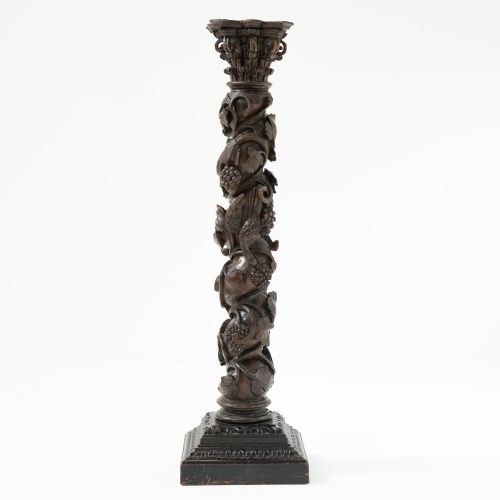
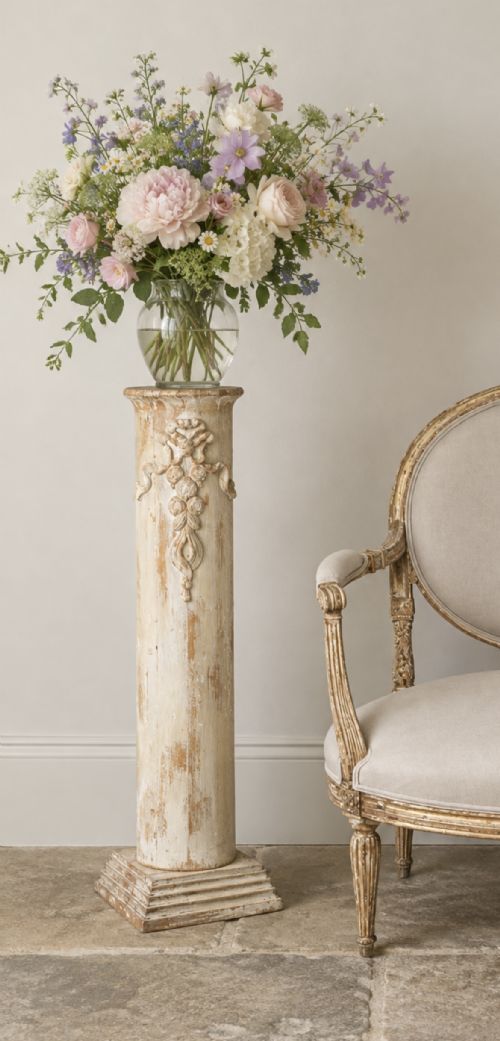
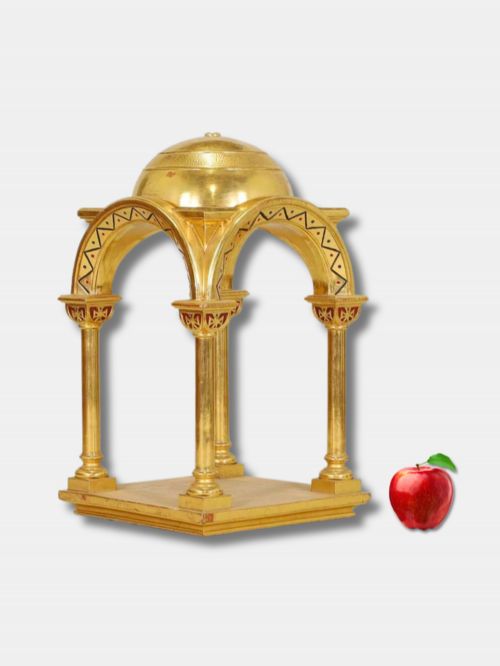
Carvers and joiners worked with native and imported timbers, utilising oak, pine and mahogany to turn structural columns or build architectural miniatures with secret compartments. Softwoods and hardwoods frequently received decorative treatments such as paint, gilding or gesso to imitate more costly materials.
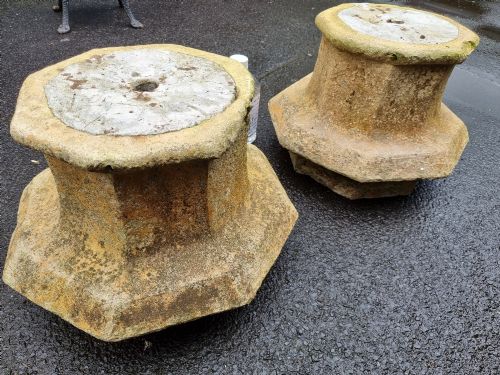
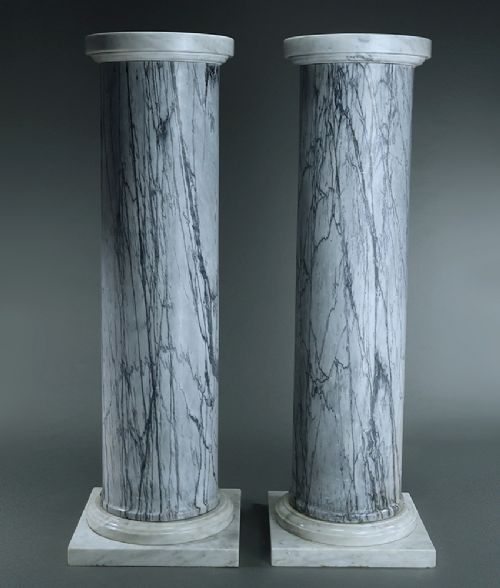
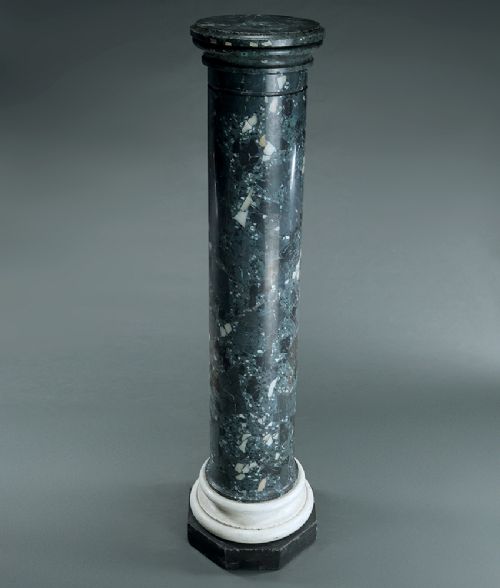
Masons and plasterers shaped stone, marble, alabaster and composite stone into classical orders, while specialist artisans poured scagliola to replicate the rich veining of bardiglio and carrara marble. Garden varieties utilised durable cast iron, stoneware and terracotta to withstand outdoor exposure.
Certain nineteenth-century wooden pedestals feature hidden secret compartments designed to keep valuables safely out of sight.
Assessing quality and execution
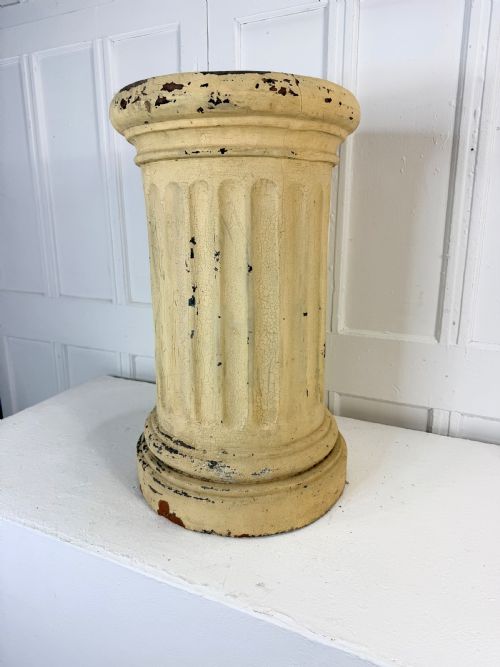
The distinction between ordinary and exceptional pieces rests on the crispness of the carving, the weight of the materials used, and the fidelity to classical proportions. Hand-turned wooden fluting and deeply chiselled acanthus leaves on capitals demand significant skill compared to simple lathe work or mass-cast plaster.
Surface finish dictates visual success, where honest aged patination on painted surfaces or high polish on scagliola and marble elevate a utilitarian support into a sculptural focal point. Structural stability remains paramount, as these tall forms must safely carry heavy statuary or planters without sway.
The Architectural Column Stand Glossary
- Scagliola
- A composite material made from pigmented selenite, glue and plaster, traditionally applied to a core and polished to imitate true marble.
- Plinth
- The square or rectangular base supporting the lower part of a column, pedestal or statue.
- Solomonic
- A column type characterised by a helical winding shaft that twists upwards like a spiral staircase.
- Socle
- A short plain plinth or pedestal serving as a flat foundation for a column or bust.
- Corinthian
- A classical order of architecture defined by slender fluted columns topped with ornate capitals decorated with acanthus leaves.
Architectural Column Stand: Frequently Asked Questions
What fits on a column stand?
These supports hold heavy stone planters, bronze busts, ceramic vases and decorative urns, lifting them clear of the floor to catch the light.
Larger variations function as hallway display surfaces or plant stands, while robust garden plinths handle exterior statuary through seasonal weather changes.
Where should I place one?
Columns work well in corners, empty hallways or flanking fireplace hearths to add vertical interest to a room.
Pairs can frame doorways or support matching table tops and large decorative vessels to create symmetrical balance in an interior.
Are these pieces waterproof?
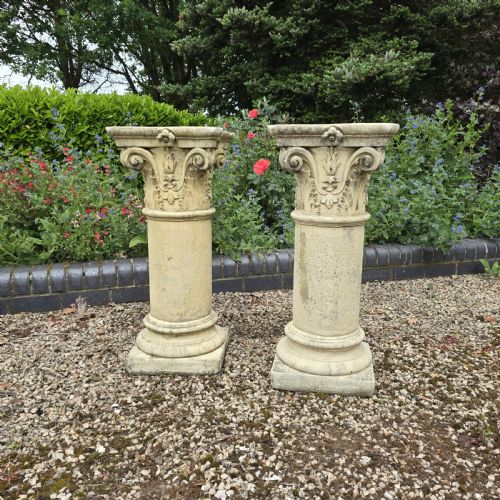
Stoneware, terracotta and cast iron versions tolerate damp outdoor conditions in gardens and conservatories.
Wooden, plaster and scagliola pieces require indoor placement away from moisture to protect painted finishes, gesso and polished surfaces.