

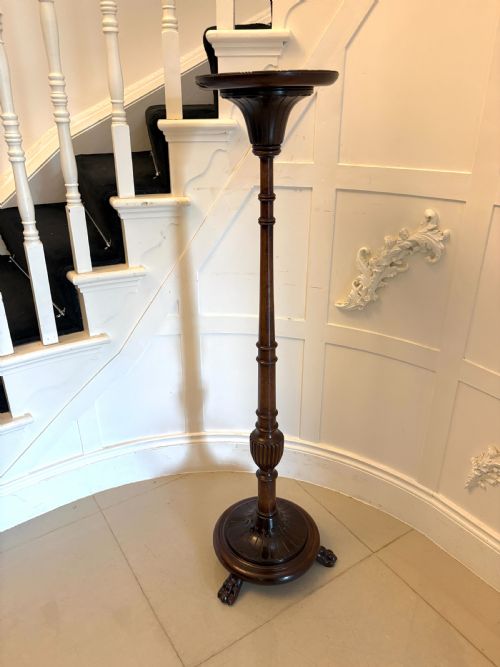
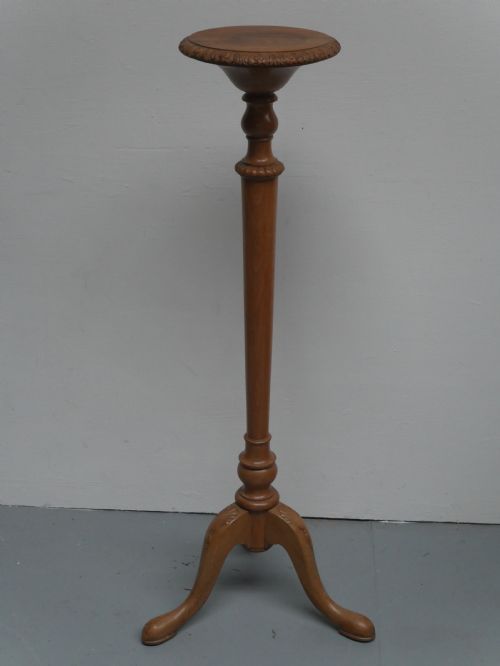

Tall Display Column
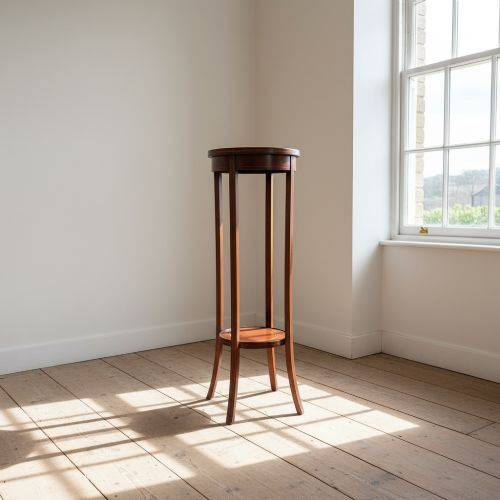
A tall display column lifts sculpture, plants and ceramics into the light, bringing architectural presence to a corner.
Tall Display Column
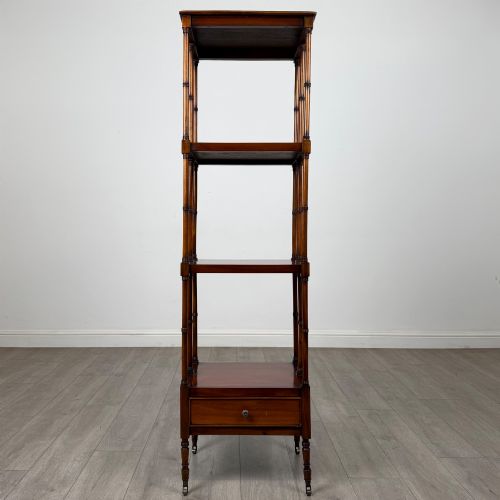
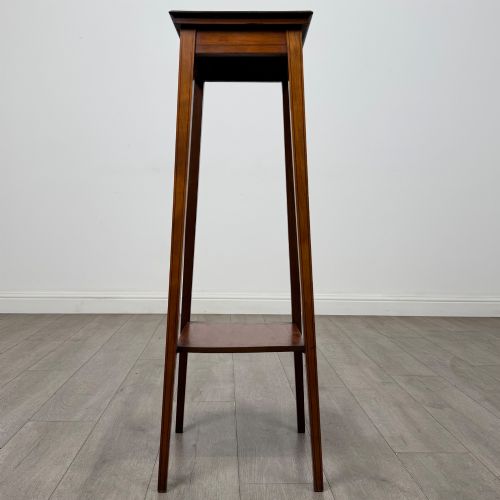
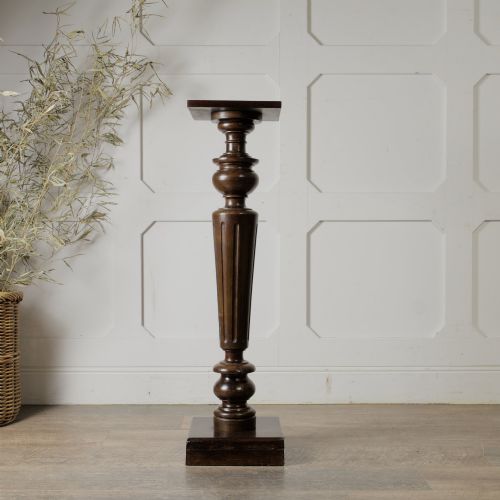
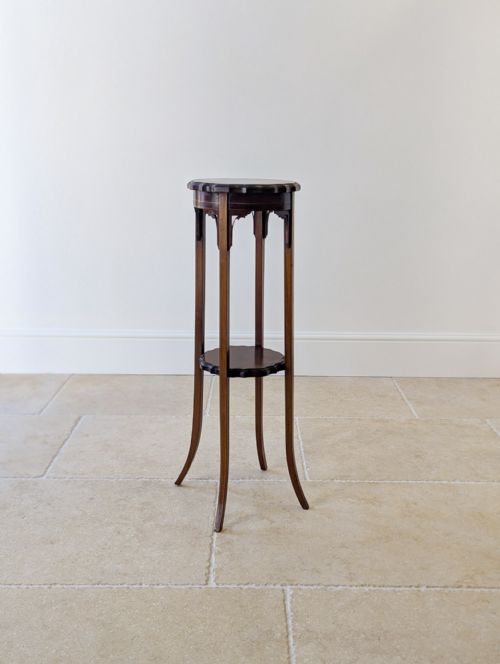
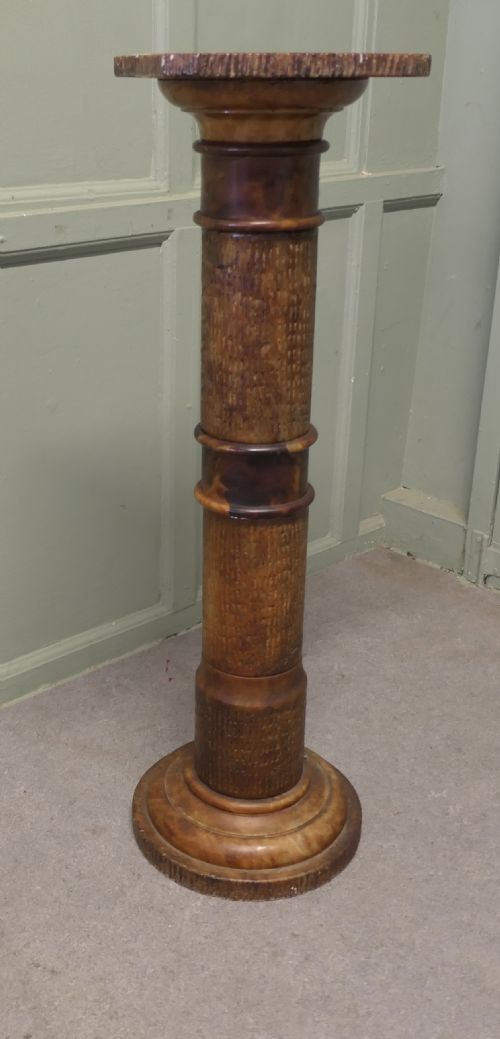
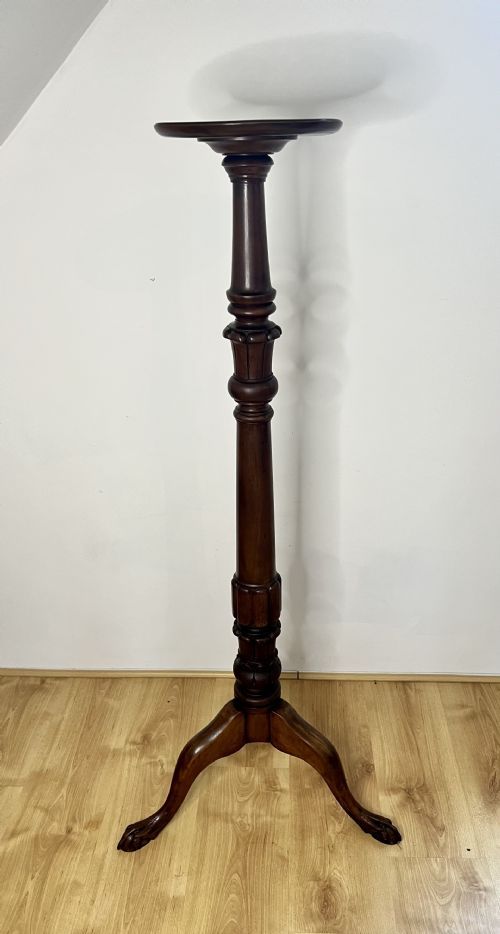
A tall display column serves primarily to elevate decorative objects, drawing the eye upward and defining interior spaces with verticality. When searching for a tall display column, buyers encounter various forms including pedestals, plant stands, torcheres, and plinths spanning from the nineteenth century into the twentieth century.
The selection here encompasses robust timber structures in mahogany, walnut, and oak alongside grander pieces fashioned from marble, onyx, and painted plaster. Styles range from strict neoclassical and classical revival designs to fluid art nouveau lines and unadorned twentieth-century functional stands.
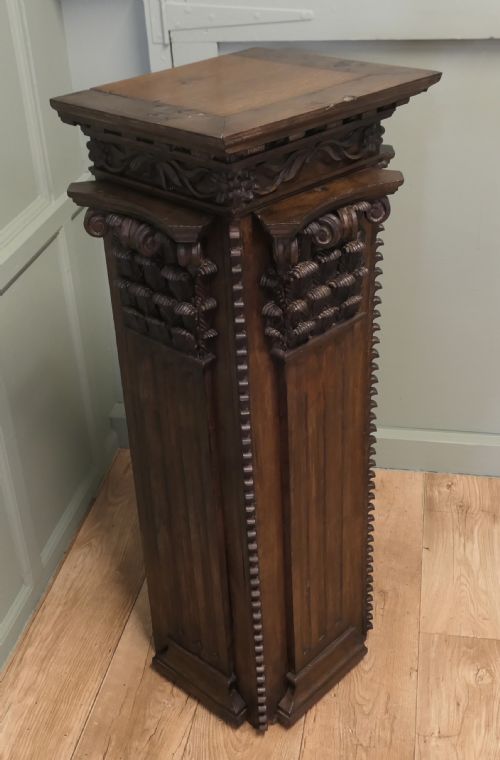
Most examples originate from the Victorian and Edwardian eras, reflecting the domestic appetite for displaying busts, jardiniere bowls, and decorative lamps at eye level. These pieces combine structural utility with ornamental carving, turning simple column supports into focal points of interior decoration.
Materials and construction methods
Cabinetmakers constructed these supports using dense timbers such as mahogany, walnut, oak, and satinwood, often employing solid turned shafts or joined panels to bear weight securely. Selected pieces integrate contrasting brass fittings, inlaid details, or surface treatments like gesso, ebonisation, and paint.
Stone variants utilise solid marble, including arabescato varieties, or onyx, requiring expert masonry to shape heavy cylindrical shafts and stable square or circular bases. Plaster and composition materials appear in moulded theatrical columns and sculptural stands, finished with paint or faux marble effects.
Assessing build and artistic execution
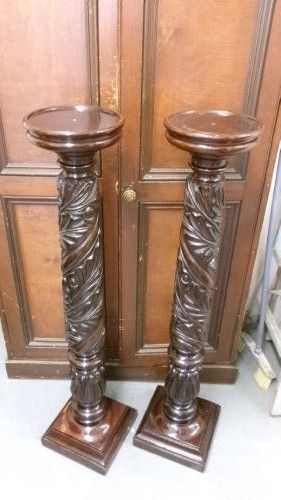
Quality reveals itself in the integrity of the materials and the precision of the joinery, distinguishing heavy, stable stone columns and solid hardwood turnings from lighter, composite builds. Finely carved acanthus foliage, crisp reeding, and deliberate inlay indicate superior workshop output compared to plain, mass-produced utility stands.
Proportion and balance dictate the success of a tall support, where slender shafts must meet substantial bases safely to hold heavy marble busts or large planters without tipping. The handling of surface finishes - whether polished mahogany grain, intricate ebonisation, or convincing faux marble paintwork - separates ordinary items from distinguished examples.
Shoolbred
The Tall Display Column Glossary
- Torchere
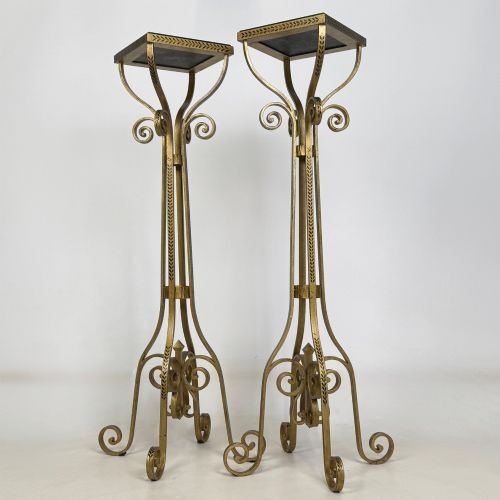
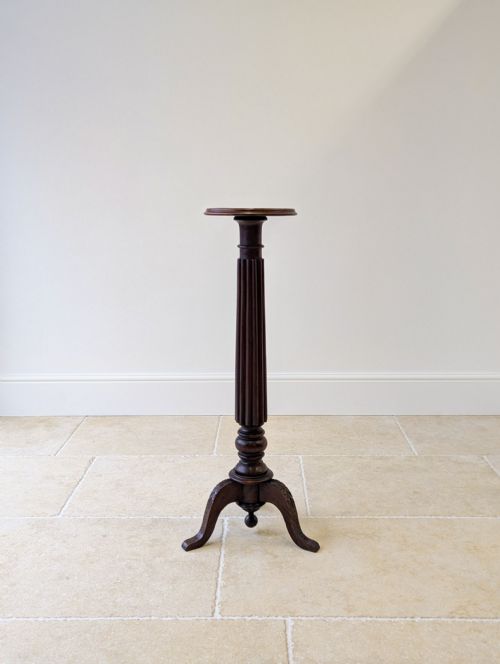
- A tall ornamental stand originally designed to hold a torch or candle, later adapted for lamps and small decorative objects. These slender supports often feature turned wooden shafts and tripod bases.
- Plinth
- A heavy flat-surfaced block or slab serving as a base for a statue, column, or standard. It provides essential weight at the bottom to ensure vertical stability.
- Jardiniere
- An ornamental pot or stand for holding plants and flowers, frequently paired with tall columns or pedestals in Victorian interiors. These stands bring greenery to elevated positions.
- Ebonisation
- A chemical or paint process applied to lighter wood to imitate solid ebony. This dark finish creates a dramatic, uniform surface popular in nineteenth-century decorative pieces.
- Gesso
- A plaster-like mixture applied to wood surfaces as a base for painting or gilding. It allows craftsmen to carve intricate relief ornamentation before applying gold leaf or colour.
Tall Display Column: Frequently Asked Questions
What is a tall display column used for?
These pieces elevate sculptures, urns, plants, and decorative lamps to create distinct focal points within a room. Their vertical height draws the eye upward, making efficient use of empty corners and floor space.
Historically, they formed part of grand interior schemes designed to showcase art and nature at eye level. Today, they serve a similar purpose in modern homes, supporting ceramics, bronze figures, or large floral arrangements.
How do I ensure a heavy marble column is stable?
Stability depends primarily on the weight and breadth of the base relative to the height of the shaft. Solid marble and onyx columns generally possess natural gravity to anchor themselves safely against minor bumps.
Position the column on an even, level floor rather than thick carpet where wobbling might occur. Distribute weight centrally on the top surface so that heavy items do not create an off-centre imbalance.
How do I clean wooden and marble display stands?
Wooden columns require dusting with a soft, dry cloth and occasional treatment with appropriate wax to nourish the timber grain. Avoid excess moisture, which can damage antique polish and veneers.
Marble and onyx surfaces benefit from gentle wiping with a damp cloth and mild soap, followed by thorough drying. Harsh chemical cleaners must be avoided, as they can etch polished stone finishes.
How can I tell a Victorian column from a later piece?
Victorian examples frequently display deep hand-carving, dense timbers like solid mahogany or walnut, and traditional joinery methods. They often reflect revival styles such as Neoclassical or William IV influences.
Later twentieth-century pieces often incorporate simpler turned elements, lighter woods like oak, or alternative materials such as painted plaster. Examining the underside and interior joints helps reveal the construction era.