



Victorian Painted Column
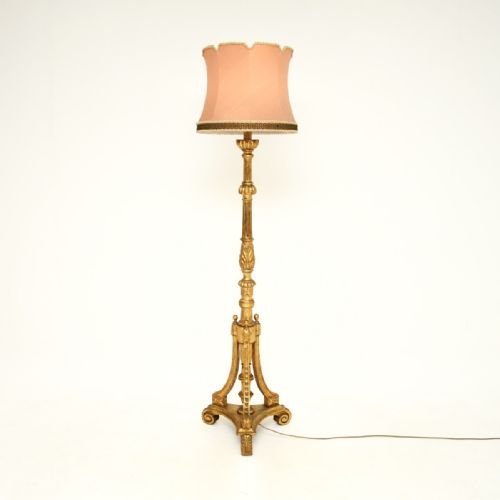
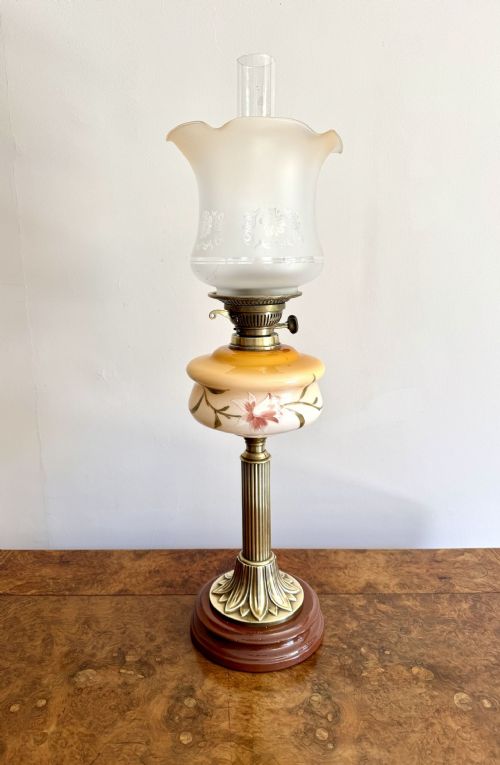
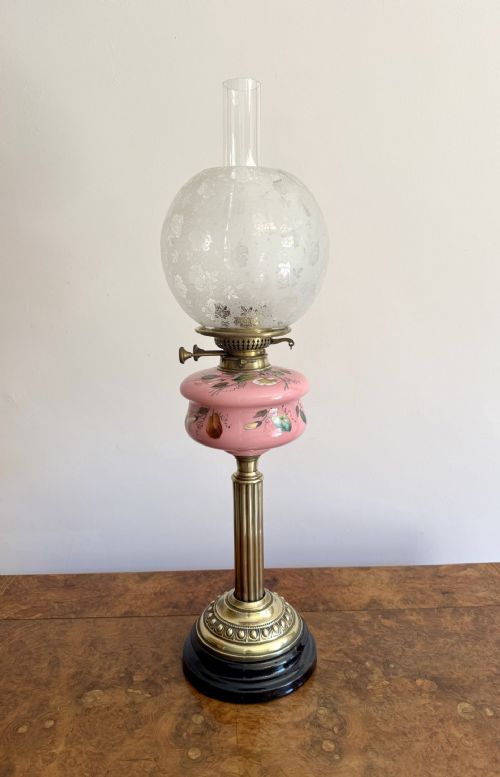
A victorian painted column brings architectural presence and hand-finished surface texture into a room, serving as a display stand or floor lamp.
Victorian Painted Column
When you search for a victorian painted column, you encounter architectural supports, display pedestals, and oil lamp bases originating from the nineteenth century. These objects function primarily as structural plinths for sculpture or as elevated lighting standards.
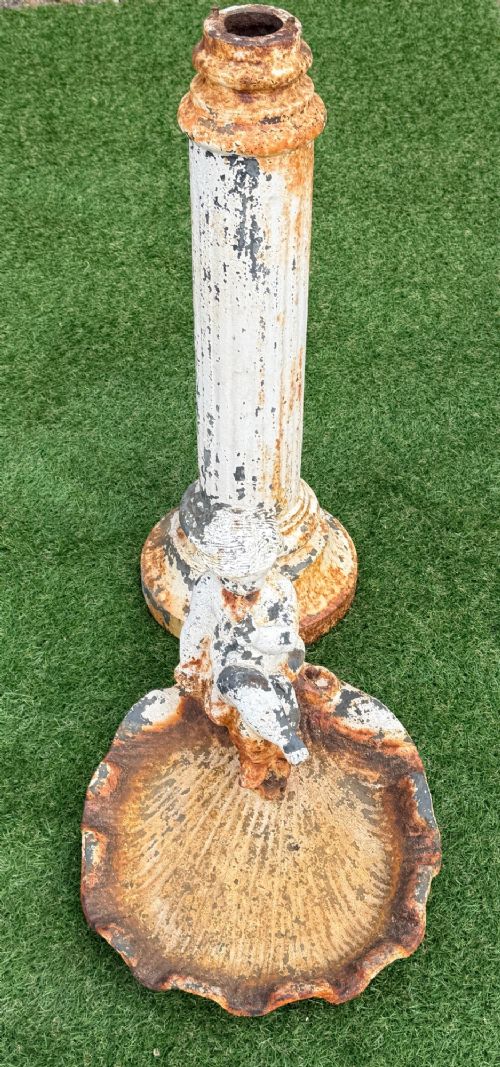
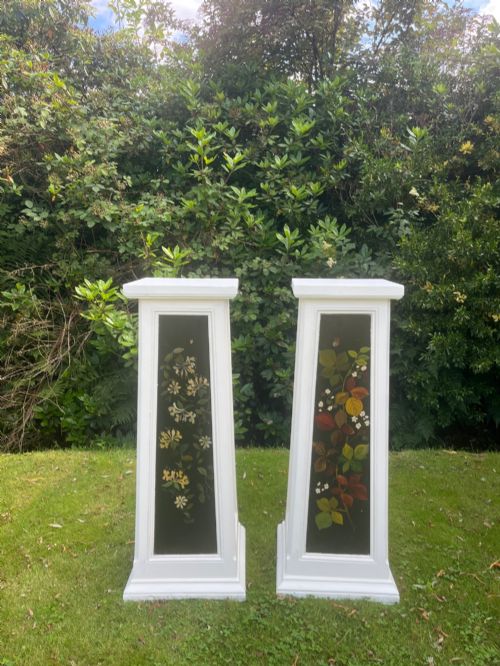
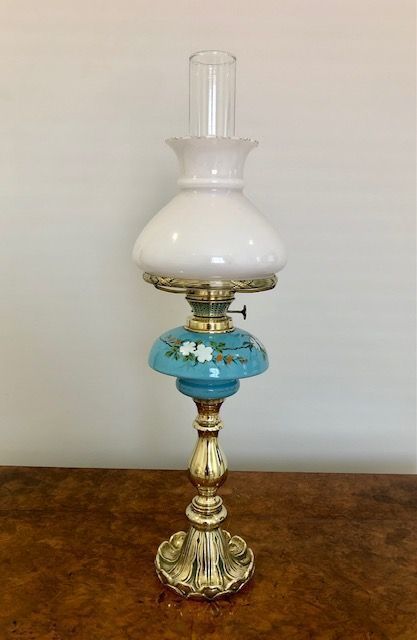
The versions most common on this page combine turned timber or cast metal with decorative paintwork mimicking stone or incorporating floral motifs. Many examples adopt classical proportions influenced by neoclassical revival taste.
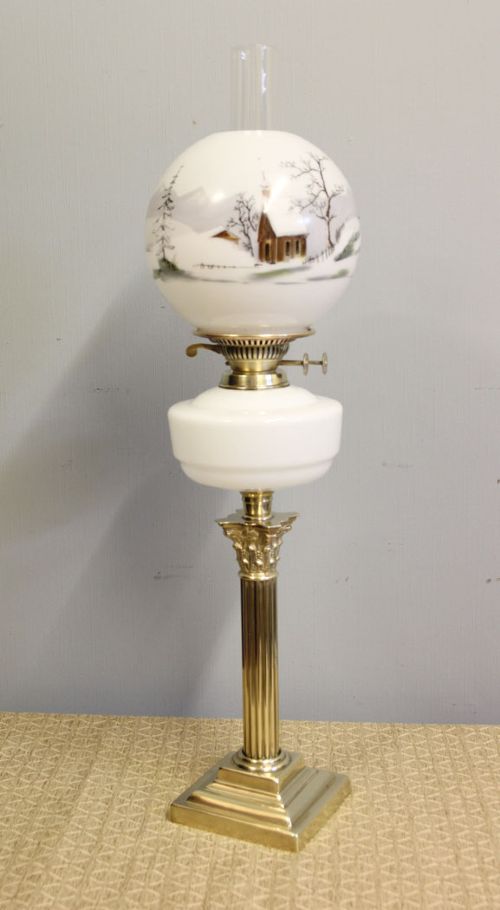
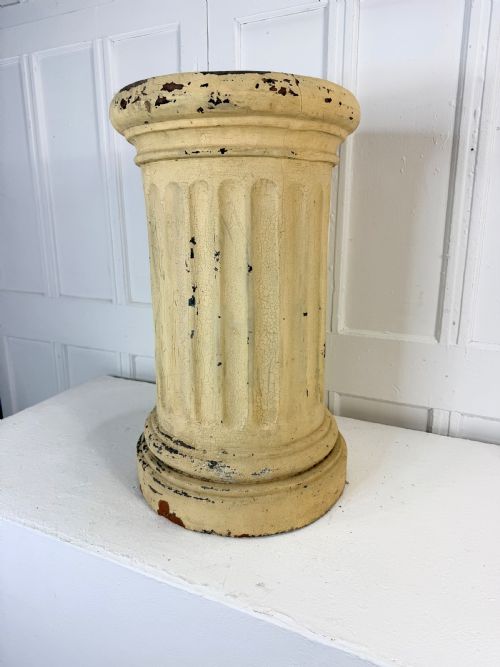
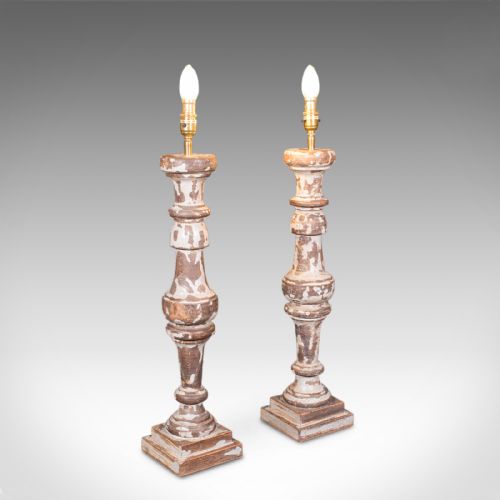
Makers of the period adapted architectural forms for domestic interiors, producing tapering shafts and fluted columns finished in faux marble, cream paint, or parcel-gilt details. These items range from sturdy pine display stands to slender brass and ceramic lighting columns.
Materials and construction
Makers utilised native softwoods such as pine alongside cast iron and brass, turning wood on lathes to achieve cylindrical or tapered column profiles. Gesso and paint layers were then applied to timber surfaces to create faux finishes or smooth cream grounds.
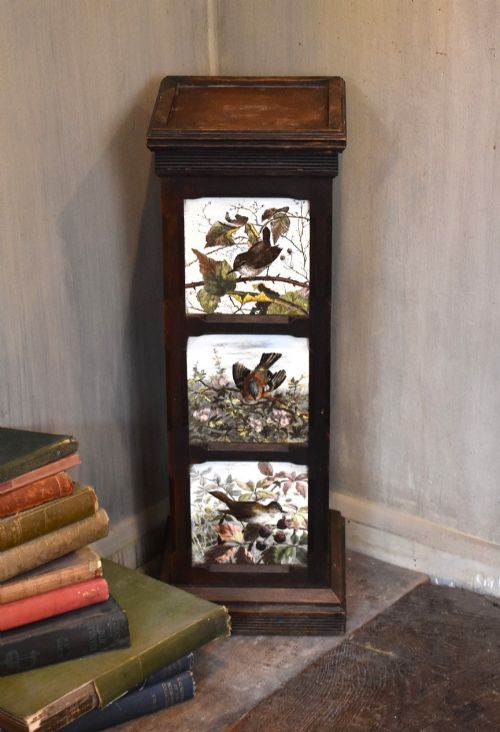
Decorative surfaces often rely on hand-mixed oil paints or lacquers, sometimes paired with applied ceramic tiles or parcel-gilt highlights. Structural stability depended on solid internal joinery and weighted bases, particularly for tall floor lamps and display pedestals.
Several columns double as Masonic candlesticks or secretive storage, proving that nineteenth-century makers loved a hidden utility.
Evaluating craftsmanship
The standard of a painted column rests on the crispness of its turned details and the execution of its decorative finish. Hand-rendered faux marbling and subtle parcel-gilt work require considerable skill to mimic natural stone convincingly.
Proportion and material integrity dictate the distinction between everyday utility pieces and finer decorative examples. Well-balanced forms with intact paint layers and solid timber or metal foundations command greater appreciation among collectors.
The Victorian Painted Column Glossary
- Corinthian column
- A classical architectural order identified by an ornate capital decorated with carved or cast acanthus leaves. This motif frequently appears on nineteenth-century oil lamp standards.
- Faux marble
- A surface finish painted by hand to imitate the grain and colouration of genuine stone. Artisans utilised this technique on wood and iron columns to achieve a grander appearance.
- Torchere
- A tall stand or floor lamp designed to hold a light source or display an object at height. These slender supports often feature turned wooden shafts and decorative painted finishes.
- Gesso
- A plaster-based mixture applied to wood surfaces to create a smooth ground for gilding or painting. It allows for crisp decorative moulding before the final colour layer is added.
- Parcel-gilt
- A decorative treatment where selected areas of an object are partially gilded with gold leaf while the remaining surface is painted or stained. This technique accentuates carved details and mouldings.
Victorian Painted Column: Frequently Asked Questions
What were painted columns used for originally?
Nineteenth-century interiors utilised these columns as pedestals for busts, urns, or floral arrangements to create focal points in a room.
They also served as vertical stands for oil lamps, elevating the light source to illuminate dark corners before the widespread adoption of electricity.
How do I care for painted wooden columns?
Dust surfaces regularly with a soft, dry cloth to prevent particulate buildup on delicate paint layers.
Keep pieces away from direct sunlight and moisture fluctuations to protect historical gesso and oil paint from cracking.
Are these columns structurally sound for heavy items?
Many nineteenth-century pedestals and cast iron columns were engineered to support substantial weight, such as heavy stoneware or bronze sculptures.
However, buyers should inspect the base stability and joint tightness before placing valuable or heavy objects on top.
How can I tell a Victorian column from later copies?
Examine the material composition, tool marks on the timber, and the natural ageing of the paint layers.
Nineteenth-century examples frequently show hand-turned inconsistencies and genuine wear beneath the paint that modern reproductions struggle to replicate accurately.