



Painted Timber Pedestal
These painted timber pedestal pieces bring character to a room, offering sturdy support for display while adding distinct historic charm through their varied finishes.
Painted Timber Pedestal
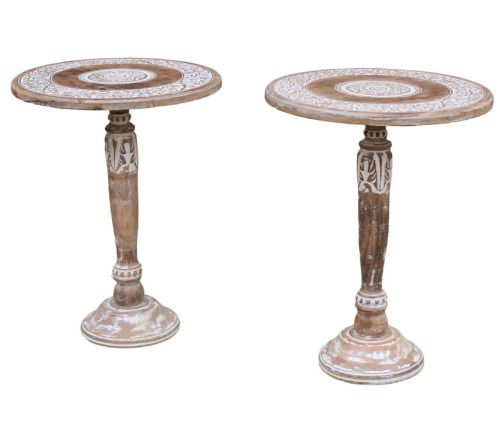
A painted timber pedestal serves as a decorative stand or structural support, appearing across various periods and regional styles. Buyers searching for a painted timber pedestal will encounter forms ranging from architectural columns and lamp tables to sculptors stands and display plinths.
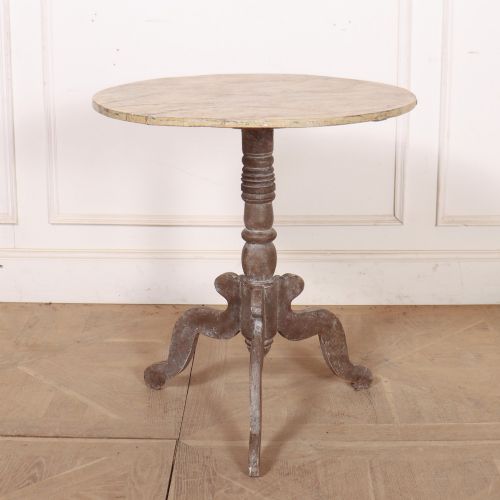
The selection on this page spans the eighteenth, nineteenth and early twentieth centuries, reflecting diverse aesthetic traditions such as Victorian, Swedish country, and Italian neo-classical design. These pieces utilise woods like pine and softwood, finished with paint, gesso, or decorative faux marble effects.
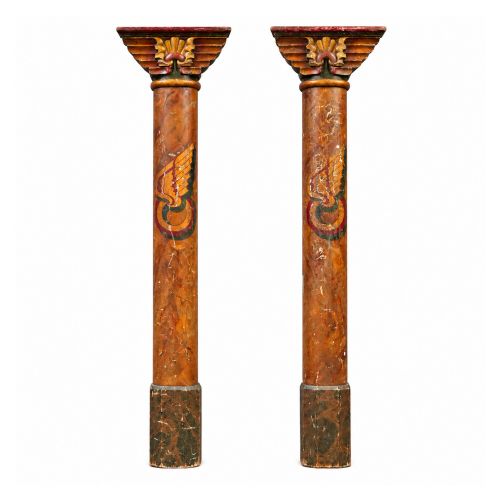
Functional items such as matched pairs of carousel fairground columns sit alongside single lamp tables and decorated stands. Each object demonstrates the utilitarian or decorative intent of its maker, tailored to domestic, studio or architectural use.
How they were made
Constructed primarily from pine and softwood, these supports rely on traditional carpentry techniques including turning and carving. Artisans shaped timber into columns and stands before applying protective and decorative coats of paint.
Surface treatments define much of the visual appeal, with craftsmen employing gesso layers and specialist painting techniques to create faux marble finishes. Polychrome details and aged paint layers record the practical methods of nineteenth and early twentieth-century workshops.
Painted Timber Pedestal Retail Price Guide 2026
Typical asking prices for painted timber pedestal among the pieces listed under this phrase on Sellingantiques today, from the lower quarter to the upper quarter. They describe what is for sale here now, not the wider market.
Listings feature items from the eighteenth, nineteenth, and early twentieth centuries, utilising pine, softwood, and painted gesso surfaces.
What varies in quality
The refinement of the carving and the execution of the painted surface distinguish finer examples from simpler utilitarian objects. Architectural columns and grander Italian console tables show sophisticated proportions and detailed hand-finishing.
Originality of the paint surface plays a significant role in character, where undisturbed age and authentic wear outrank later overpainting. The integrity of the underlying timber and the stability of turned or carved elements determine the structural merit of each stand.
The Painted Timber Pedestal Glossary
- Gesso
- A plaster-like mixture applied to wood as a base for paint or gilding. It provides a smooth surface for detailed decorative finishes.
- Faux marble
- A painted finish designed to imitate the appearance of genuine stone. Artisans use layered pigments to replicate natural marble veining.
- Polychrome
- Decorated in multiple colours. This term describes painted wooden figures and architectural elements featuring varied hues.
- Softwood
- Timber from conifer trees, such as pine, used widely for domestic furniture and structural stands. It offers a workable medium for turned and carved pieces.
Painted Timber Pedestal: Frequently Asked Questions
What were painted timber pedestals used for?
These pieces served practical and decorative roles in homes, studios, and public spaces. They functioned as supports for lamps, sculptures, and architectural displays.
Larger columns and stands also provided structural elements or theatrical backdrops, reflecting the specific demands of fairgrounds, workshops, and domestic interiors.
How do I style a pedestal at home?
A pedestal works effectively as a focal point in a hallway, corner, or living space to elevate art objects, vases, or table lamps. Pairing architectural columns with simple modern items creates a deliberate contrast.
Matching pairs can frame doorways or fireplaces, while single stands anchor sculptural pieces or large floral arrangements.
How can I tell the age of a pedestal?
Dating relies on examining the timber species, tool marks, and the composition of the paint layers. Nineteenth-century examples often feature hand-turned pine or softwood with distinct patina.
Stylistic cues, such as Victorian turning patterns or eighteenth-century Italian neoclassical proportions, further help place an object within its correct period.
Are these pedestals structurally stable?
Most timber pedestals are built to bear weight, designed originally to support heavy sculptures, lamps, or architectural elements. Solid construction using pine and turned wood ensures general durability.
Buyers should assess the base and joints to confirm the piece remains balanced and suitable for holding display items securely.