
Warm Brown Occasional Table
A warm brown occasional table brings rich timber grain and compact surface space to a room, drawing on Georgian, Victorian and twentieth-century traditions.
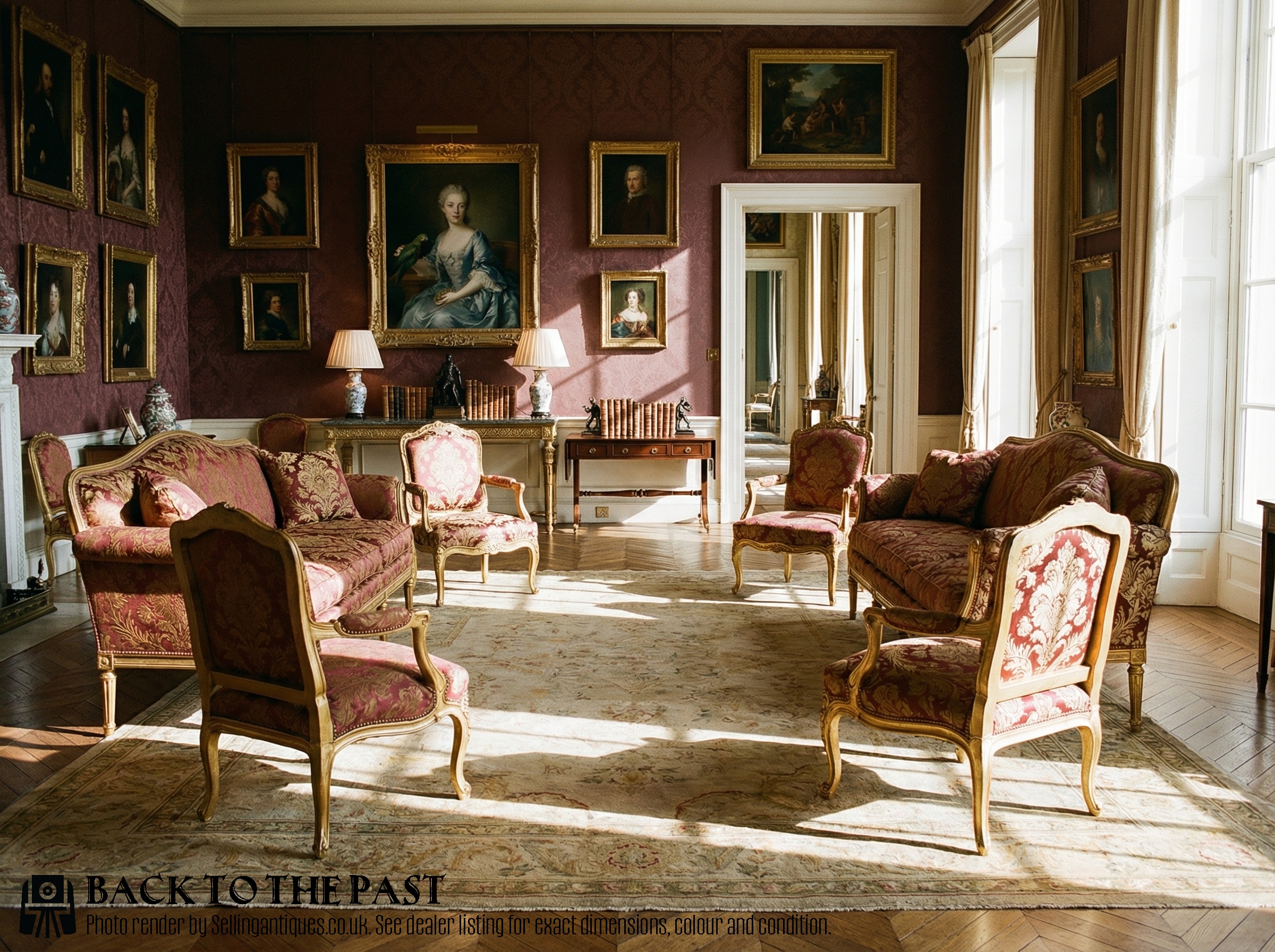
Warm Brown Occasional Table
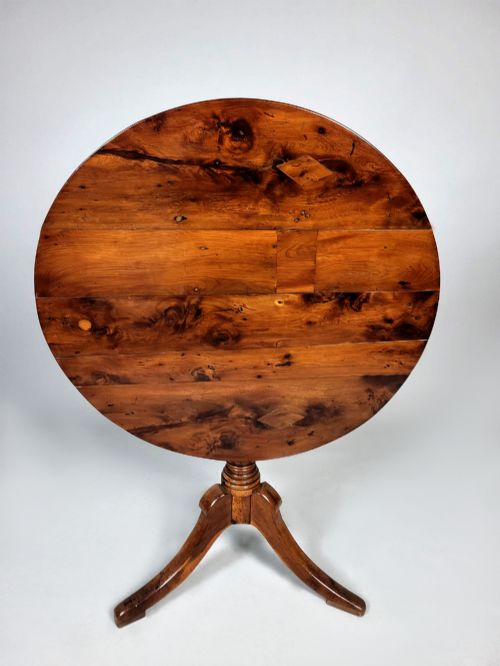
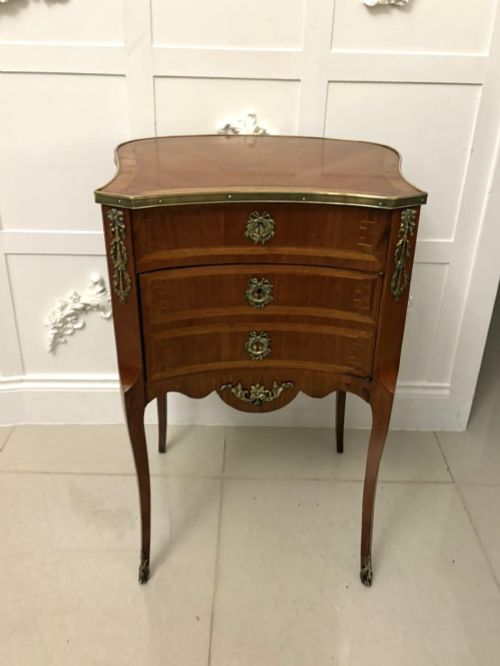
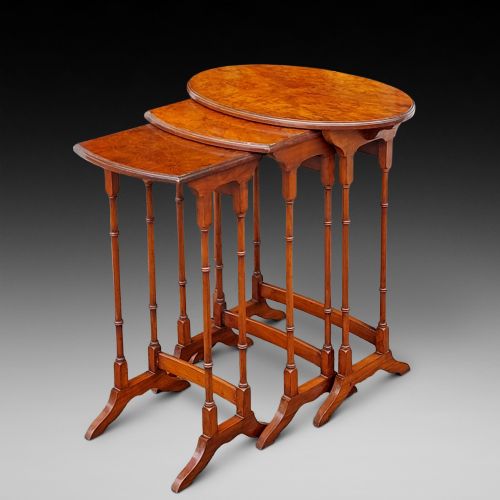
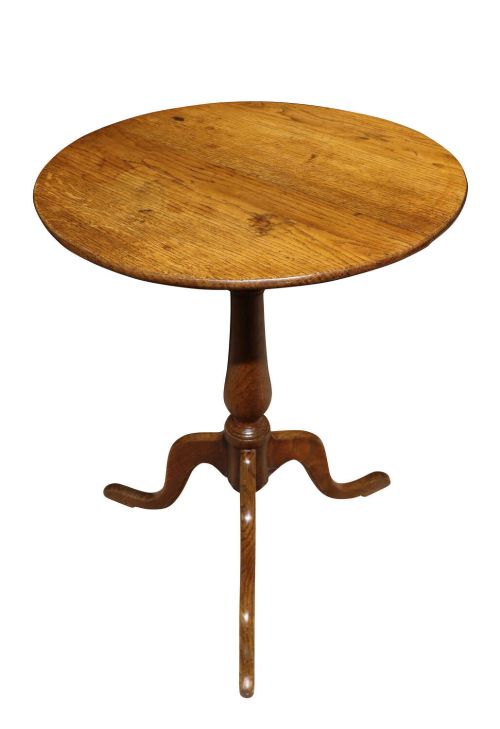
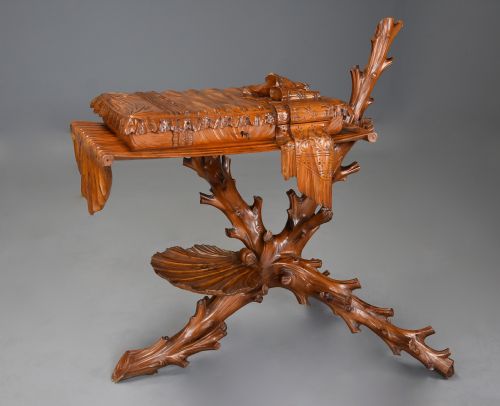
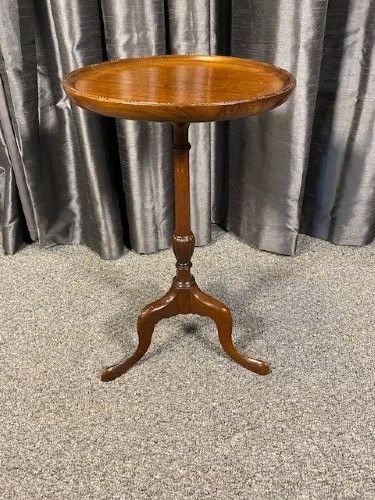
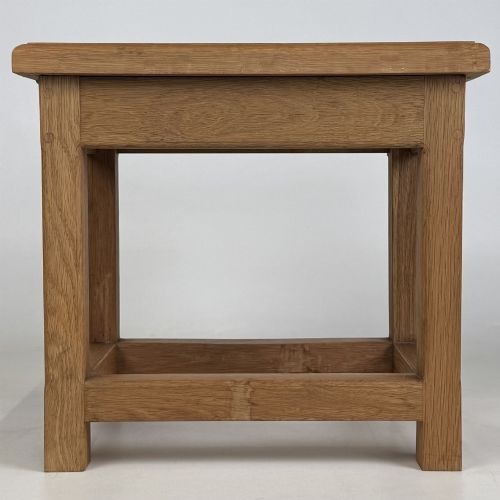
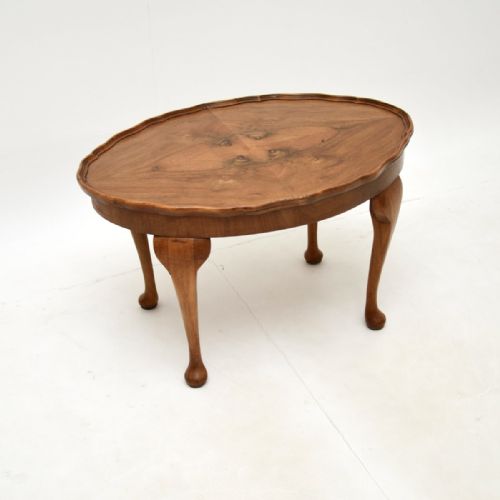
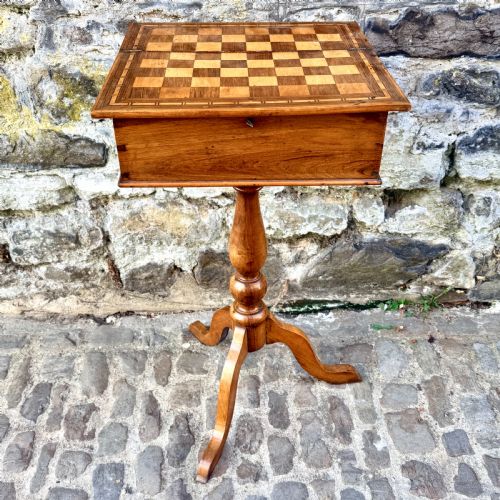
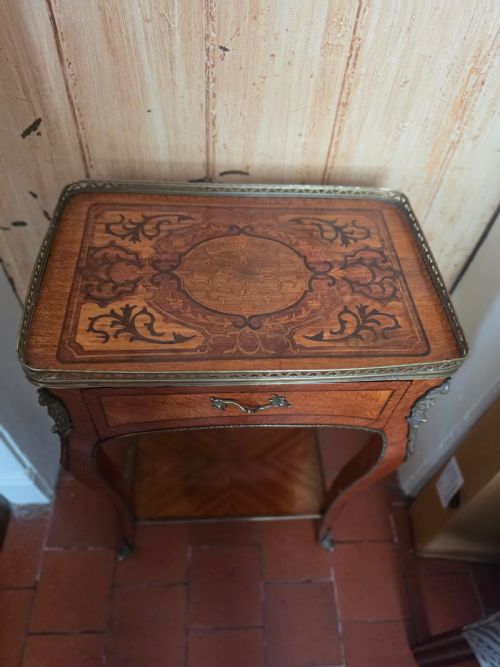
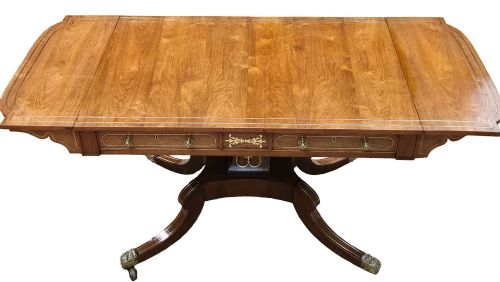
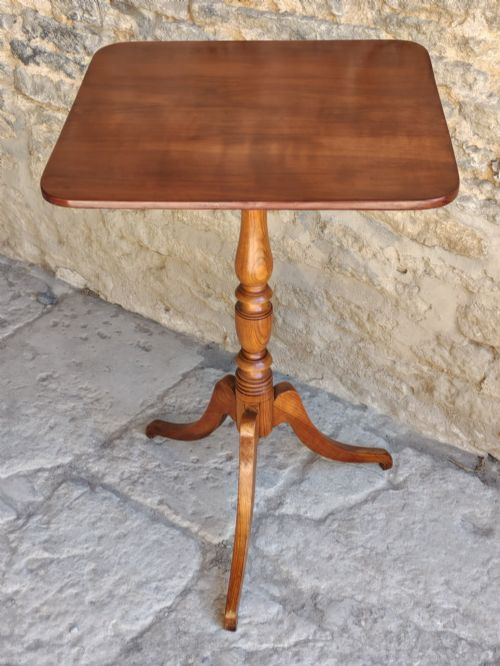
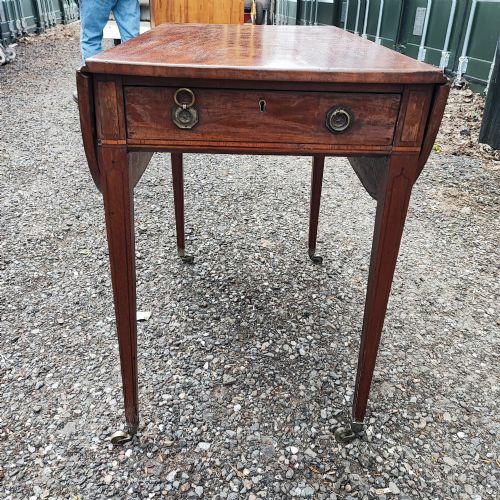
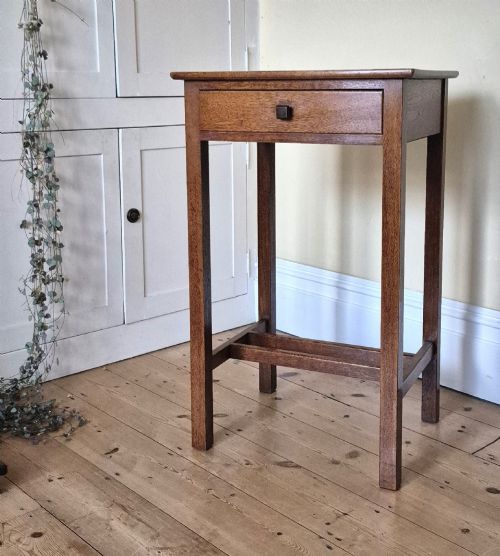
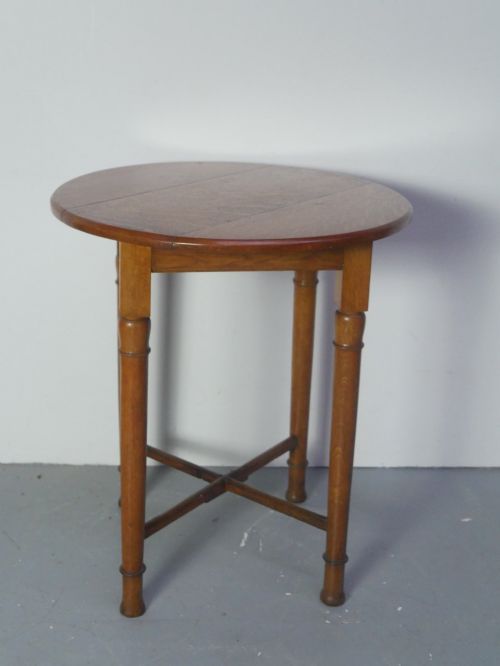
A warm brown occasional table covers a range of compact freestanding surfaces, from wine tables and tripod stands to small lamp tables and coffee tables. When searching for a warm brown occasional table, buyers encounter pieces spanning the eighteenth century through to the Art Deco period, finished in rich tones of mahogany, walnut, oak and fruitwood.
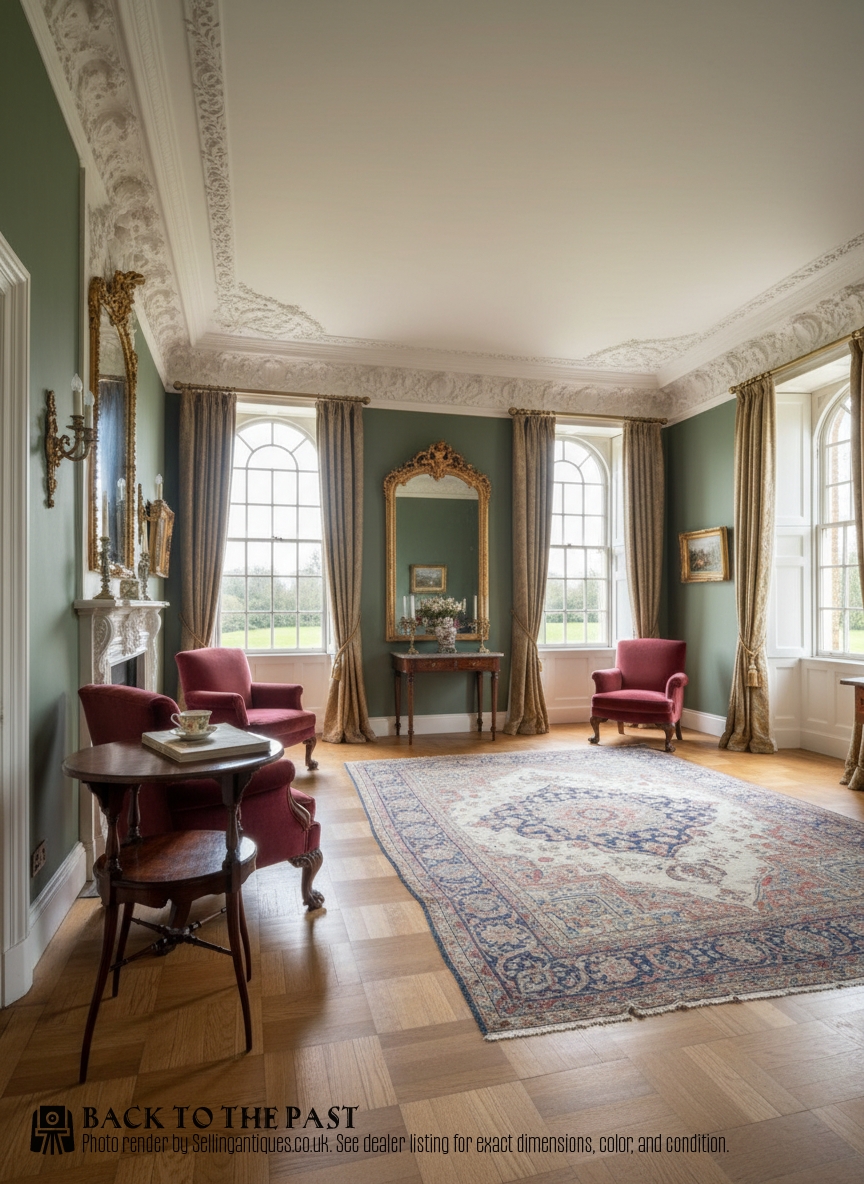
Materials and construction
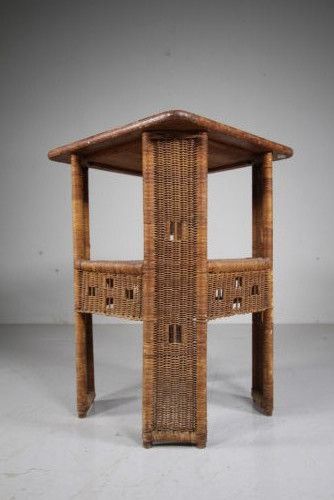
Cabinetmakers built these tables using dense hardwoods such as mahogany, walnut and oak, often highlighting natural figuring through veneers and cross-banding in satinwood or fruitwood. Softer timbers like pine, elm and fruitwood served for provincial and rustic pieces, while wicker appears in twentieth-century production.
Joinery methods range from pegged mortise and tenon joints on early oak pieces to intricate marquetry, parquetry and tripod turnings on later walnut and mahogany examples. Metal elements such as brass appear on campaign hardware and folding mechanisms.
Warm Brown Occasional Table Retail Price Guide 2026
Typical asking prices for warm brown occasional table among the pieces listed under this phrase on Sellingantiques today, from the lower quarter to the upper quarter. They describe what is for sale here now, not the wider market.
Listings feature timbers including walnut, mahogany, oak, fruitwood, elm, pine, satinwood and brass, spanning the eighteenth to twentieth centuries.
Distinctions in quality
The standard of a piece rests upon the selection of timber figures, such as burr walnut or figured mahogany, and the precision of the cabinetwork in veneers and edge banding. Finer examples display harmonious grain matching across the top and well-proportioned turning on pedestals and legs.
Dryad of Leicester·Maison Giroux·Hubert Simpson of Kendal
The Warm Brown Occasional Table Glossary
- Birdcage
- A timber framework beneath a tilt-top table that allows the surface to both rotate and tip flat when not in use.
- Cross-banding
- A narrow strip of veneer laid around the border of a table top so that the grain runs at right angles to the central panel.
- Tripod table
- A small freestanding table supported by a central pillar resting on three spreading feet.
- Lowboy
- A small kneehole dressing table or side table with one or more rows of drawers, dating primarily from the eighteenth century.
- Marquetry
- Decorative patterns formed by inserting pieces of coloured wood, ivory or shell into a veneered surface.
Warm Brown Occasional Table: Frequently Asked Questions
Where should I place an occasional table?
These compact pieces suit spots beside seating, corners requiring a lamp or spaces beside a bed where surface area is limited.
Their varied heights and footprints allow them to move easily between rooms as living arrangements change.
How do I care for antique wood?
Keep wooden surfaces away from direct heat sources and strong sunlight to prevent the timber and veneers from drying out or fading.
Applying a traditional beeswax polish occasionally helps nourish the grain and maintain the natural lustre of the finish.
How do I distinguish eighteenth-century tables?
Early pieces often display hand-cut joinery, solid timber construction rather than thick veneers, and deep patination accumulated over centuries.
Details like tripod leg profiles and timber choices such as fruitwood or early oak help indicate the period.