

Warm Brown Nightstand
A warm brown nightstand brings rich timber tones and practical bedside storage to a room, drawing on decades of traditional cabinetmaking.
Warm Brown Nightstand
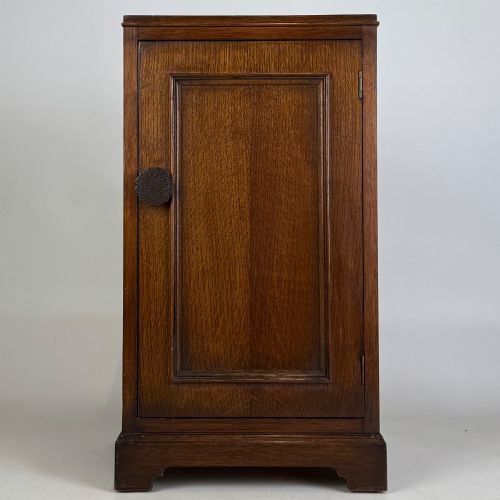
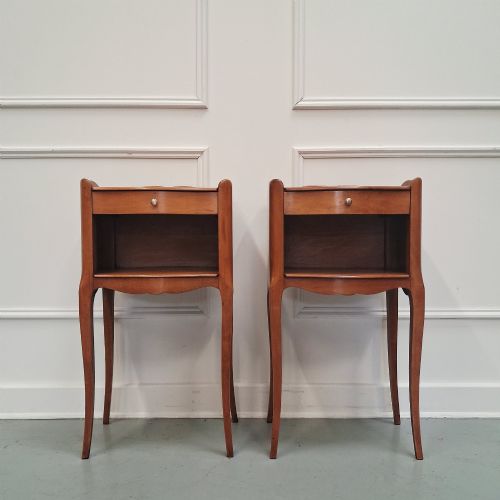
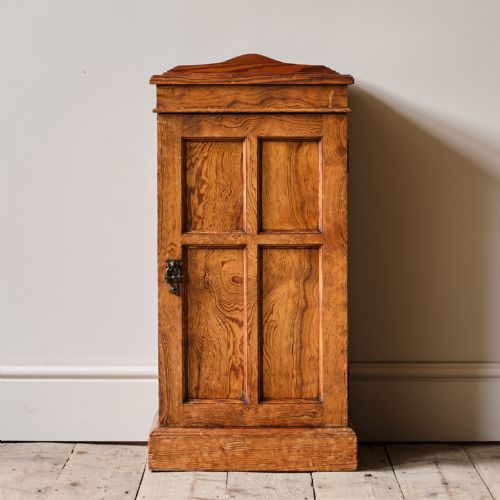
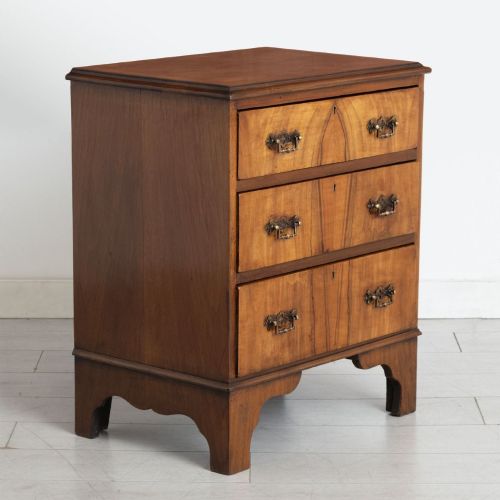
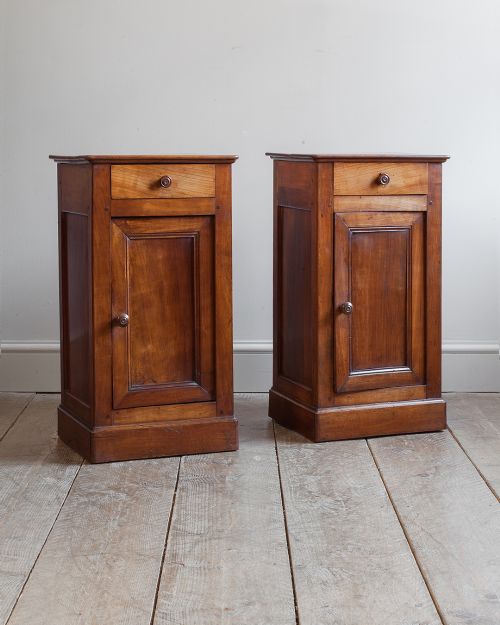
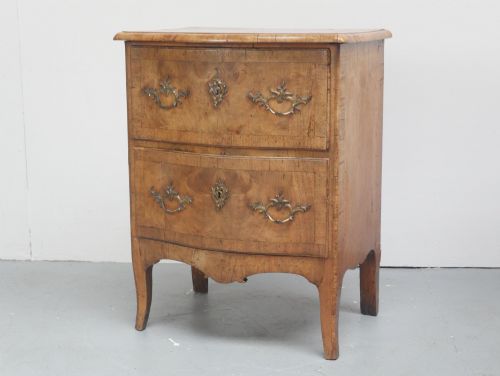
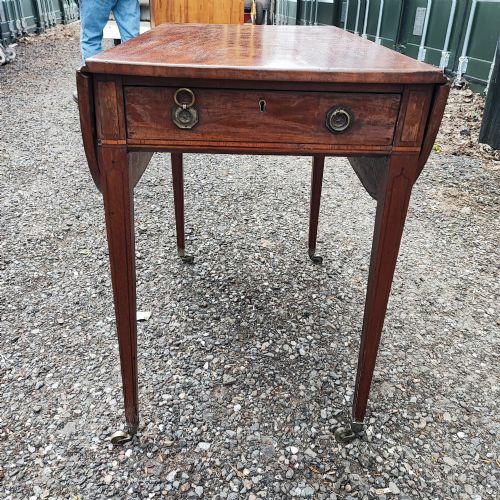
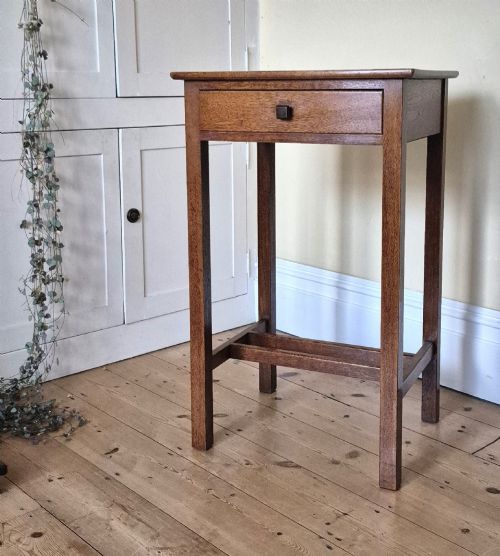
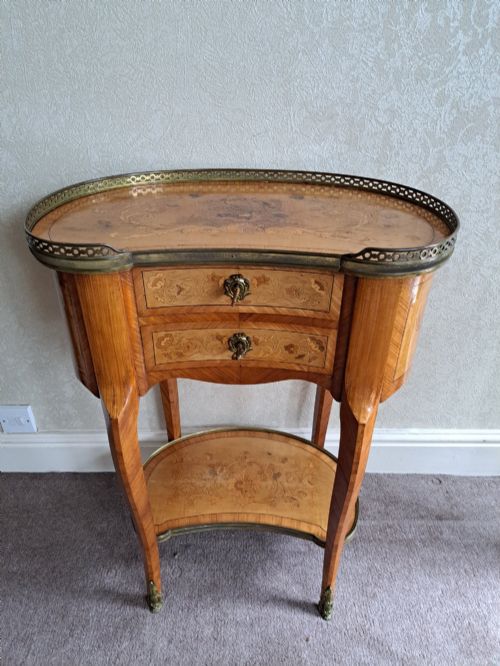
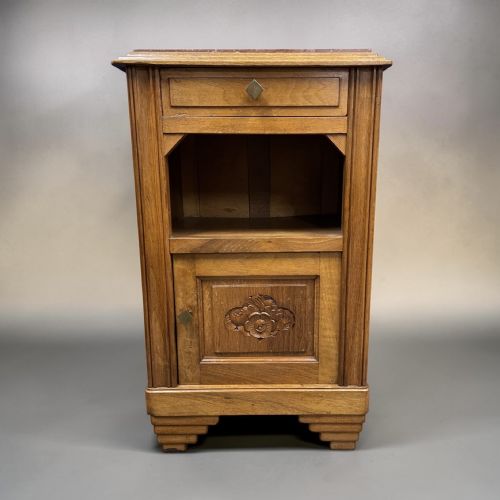
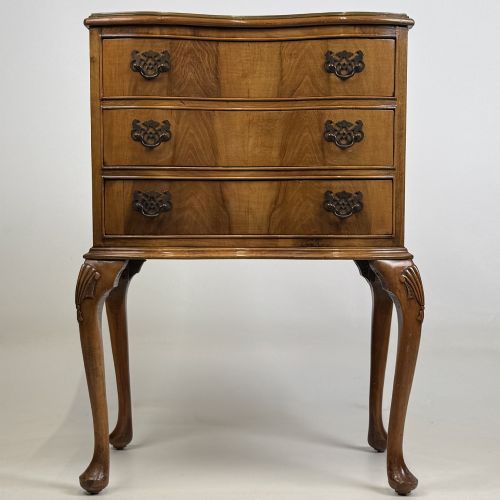
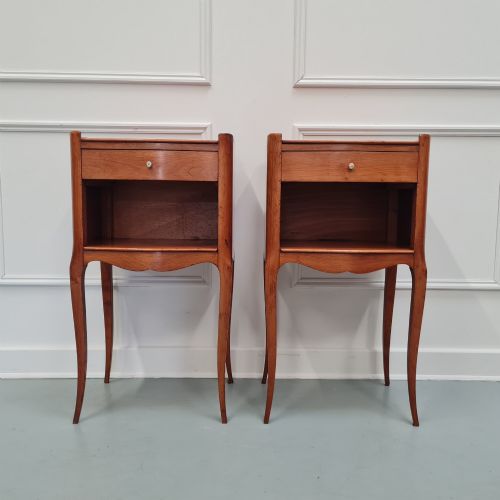
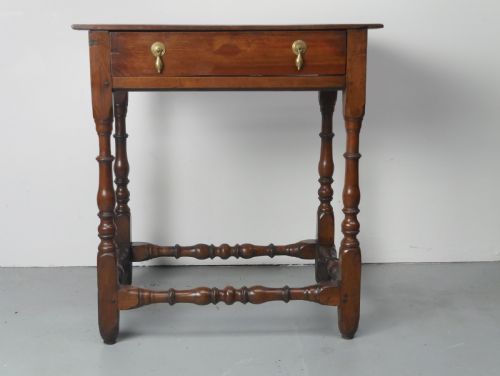
When you search for a warm brown nightstand, you are looking at a diverse group of small bedside tables, cabinets, and chests originating from periods ranging from the eighteenth century through to the Art Deco era. The selection spans distinct forms, from simple oak and fruitwood side tables to elaborate French marquetry and serpentine cabinets.
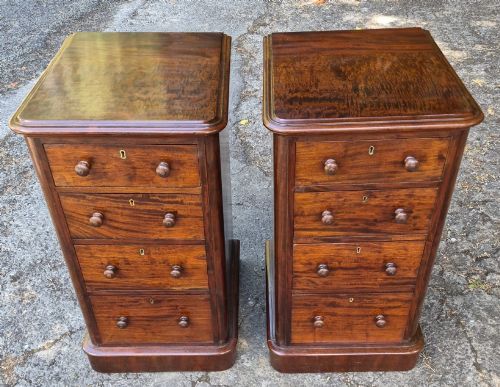
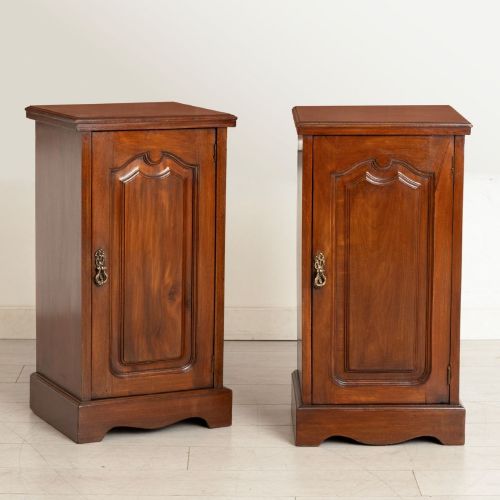
You are most likely to meet mahogany and walnut bedside cabinets from the Victorian and Edwardian periods, alongside oak and cherrywood examples from the early twentieth century. These pieces serve the practical function of bedside storage while displaying the characteristic rich brown colouration of traditional timber.
The assortment includes English regional pieces as well as French provincial designs, offering various configurations such as single drawer tables, pot cupboards, and compact chests of drawers. Each variant reflects the domestic requirements and stylistic preferences of its specific period.

How they were made
Cabinetmakers utilised solid and veneered timbers such as mahogany, walnut, oak, cherrywood, and fruitwood to construct these bedside pieces. Timber selection dictated both the structural integrity and the visible grain pattern of the finished table or cabinet.
Surface decoration frequently involved marquetry, crossbanding, and polished finishes that highlighted the natural warmth of the wood. Brass hardware, including handles and key escutearns, added functional detail to drawers and cupboard doors.
Joinery techniques ranged from traditional dovetail construction in drawer boxes to panelled assembly in bedside cupboards. These methods ensured the small-scale furniture remained durable through daily domestic use.
Warm Brown Nightstand Retail Price Guide 2026
Typical asking prices for warm brown nightstand among the pieces listed under this phrase on Sellingantiques today, from the lower quarter to the upper quarter. They describe what is for sale here now, not the wider market.
Several listings include historic close stools, offering compact eighteenth-century proportions for modern bedtime reading.
What varies in quality
The standard of timber selection and preparation marks the distinction between ordinary production and finer examples. Superior pieces display carefully matched grain patterns, high-grade veneers, and thoughtful use of cabinet timbers like burr walnut or figured mahogany.
Refinement in carving, marquetry inlay, and hardware detailing separates standard utilitarian furniture from exceptional craftsmanship. The precision of the joinery in drawers and cabinet doors further indicates the skill of the original maker.
Hubert Simpson of Kendal·Maurice Adams
The Warm Brown Nightstand Glossary
- Marquetry
- Decorative inlay work using various coloured wood veneers to create pictorial or geometric patterns on furniture surfaces. This technique appears frequently on French cabinets and tables.
- Pot cupboard
- A small bedside cabinet originally designed to enclose a chamber pot behind a single door. These pieces now function as compact nightstands.
- Crossbanding
- A narrow strip of veneer applied to the border of a table top or drawer front with the grain running at right angles to the central panel. It provides a neat, framed edge.
- Serpentine
- A gently undulating curved line forming the front edge of a chest or cabinet. This shape requires considerable woodworking skill to execute properly.
- Close stool
- An eighteenth-century piece of furniture resembling a small cabinet or commode, enclosing a seat and receptacle. They are valued today for their compact proportions and timber quality.
Warm Brown Nightstand: Frequently Asked Questions
How were bedside cabinets used historically?
Historically, small bedside cabinets and pot cupboards were designed to conceal chamber pots and hold nighttime requisites out of sight. Their enclosed doors and drawers kept bedrooms tidy before modern plumbing integrated bathrooms into homes.
Over time, these versatile pieces evolved into general lamp stands and nightstands for books and personal items. Today, they serve the same functional purpose while retaining their traditional craftsmanship and period character.
How do I style a nightstand?
Styling a period nightstand involves balancing practical needs with the aesthetic of the timber. Placing a small lamp on the surface provides necessary lighting, while leaving room for everyday items.
Because these pieces often feature detailed wood grains, marquetry, or brass mounts, keeping surrounding decor relatively simple allows the cabinet itself to stand out. Mixing antique wood tones with contemporary bedroom furnishings adds depth and contrast to the room.
How can I tell the period of a nightstand?
Determining the period of a bedside cabinet involves examining its construction materials, hardware, and stylistic details. Victorian and Edwardian pieces often utilise solid mahogany or walnut with simpler, functional lines, whereas eighteenth-century examples display distinct regional joinery and older timber patination.
French pieces from the nineteenth and early twentieth centuries frequently incorporate marquetry or specific regional woods like cherrywood and fruitwood. Comparing the drawer construction and overall proportions to known period styles helps clarify the date.