

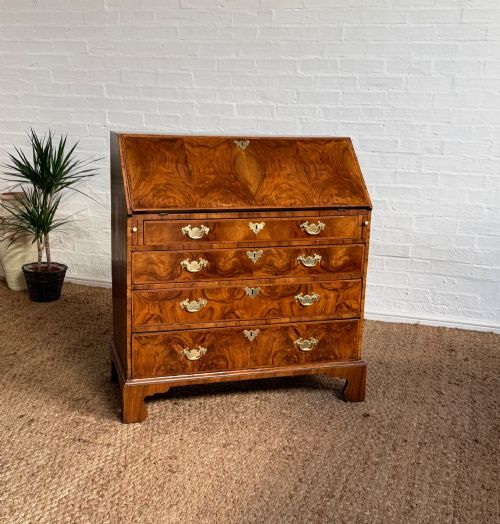
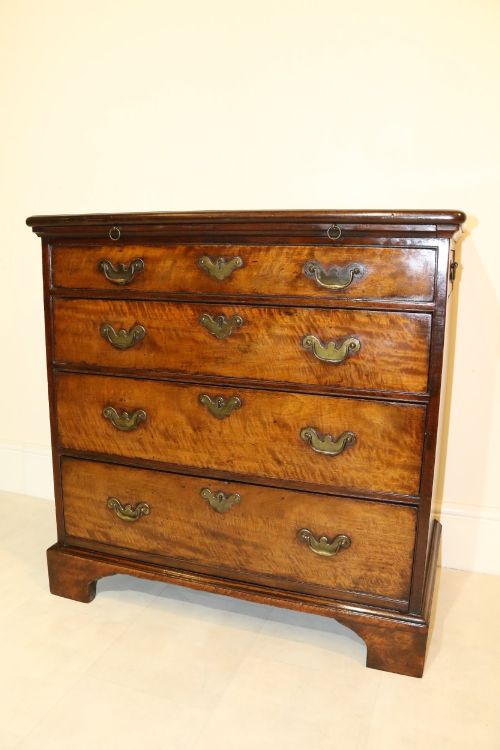
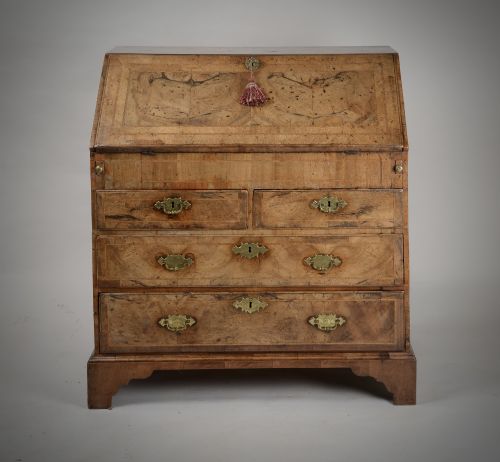
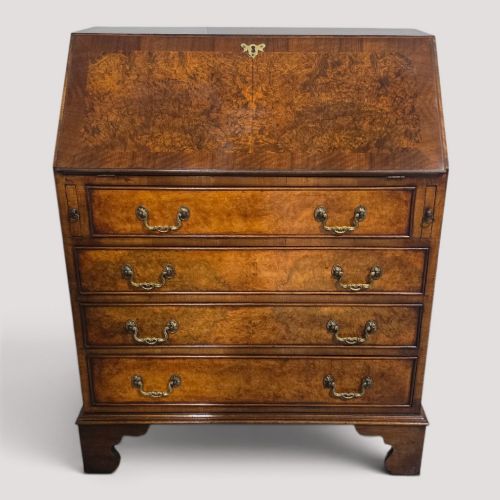
Walnut Writing Chest
A walnut writing chest brings together fine cabinetmaking and practical stationery storage, offering fitted drawers and a sloping fall front for correspondence.
Walnut Writing Chest
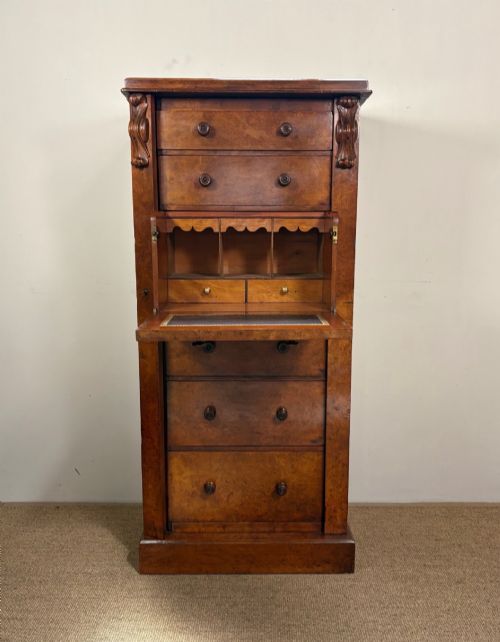
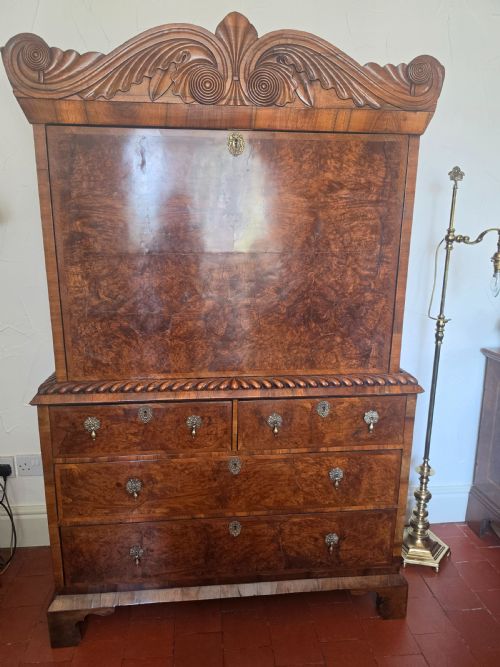
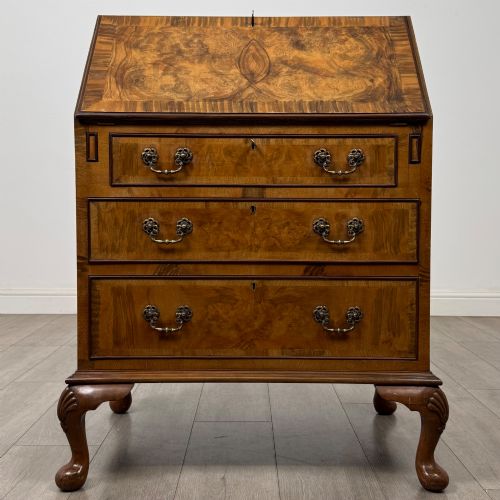
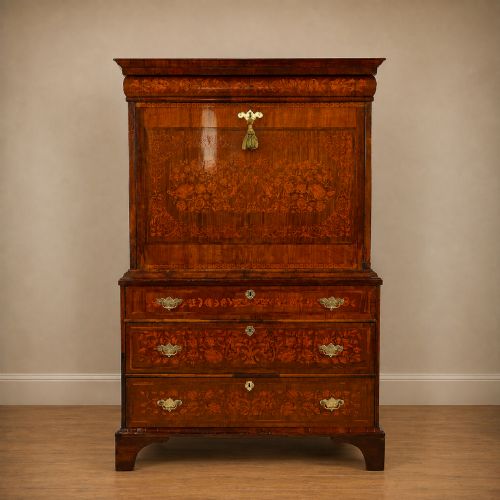
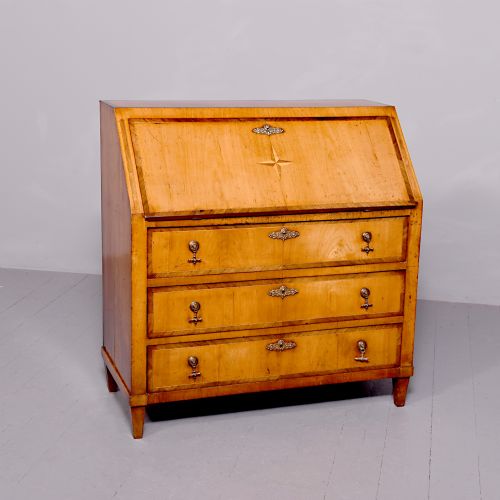
A walnut writing chest typically takes the form of a bureau, escritoire, or secretaire chest, combining a cabinet for storage with a dedicated writing surface. Buyers seeking this phrase encounter fall-front desks alongside bureau bookcases and kneehole writing tables.
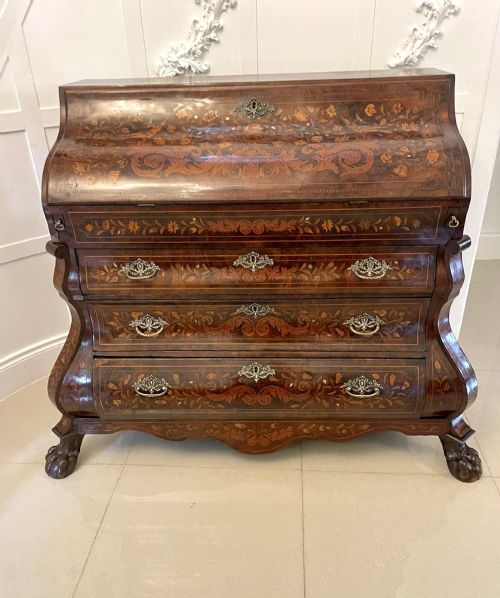
The pieces span several centuries, with prominent examples emerging from the seventeenth, eighteenth, and nineteenth periods, alongside twentieth-century revivals. Regional variations range from English figured walnut designs to continental marquetry and bombe-shaped forms.
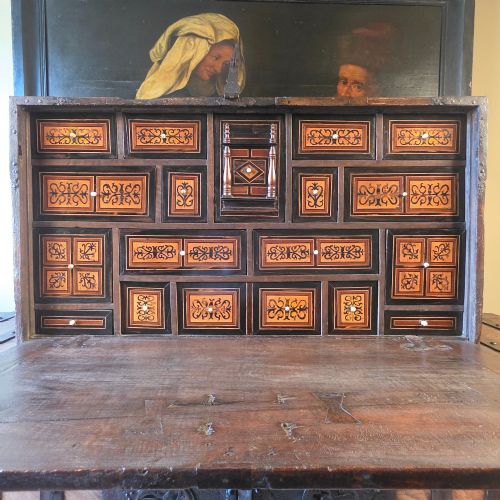
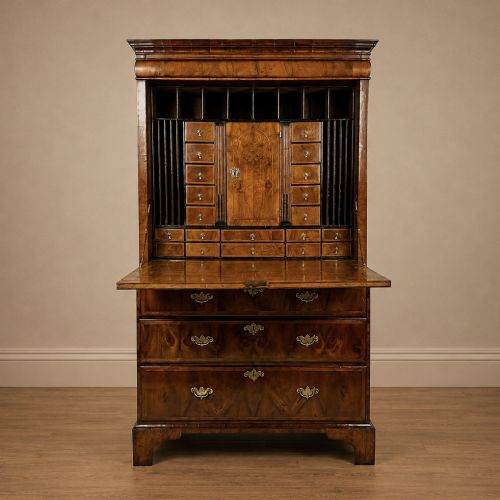
Forms vary from compact bachelor desks and correspondence boxes to large two-part bureau bookcases. The interior fittings generally house small pigeonholes, concealed compartments, and central well doors designed for ledgers and letters.
Materials and construction methods
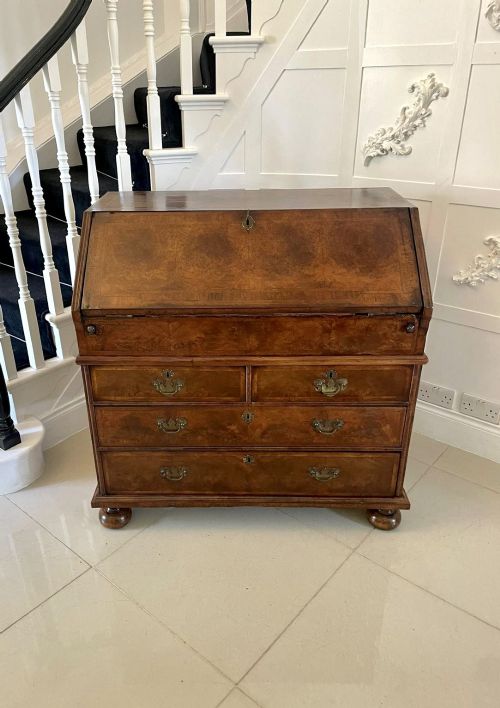
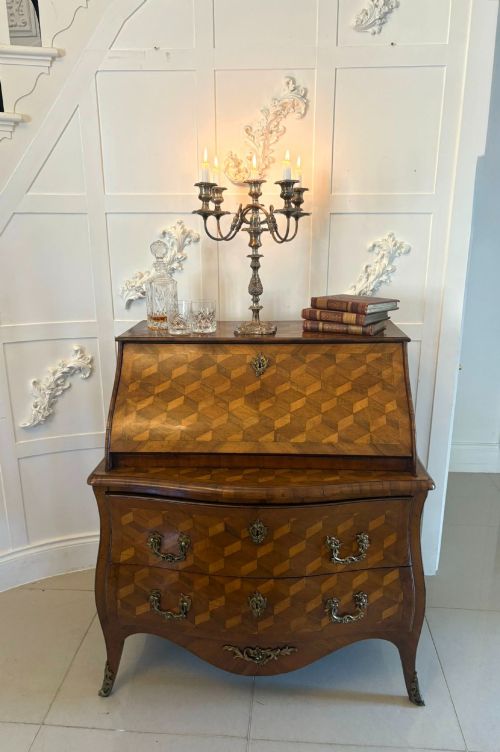
Cabinetmakers utilised solid walnut and decorative veneers such as burr walnut, applying them over secondary woods like oak and fruitwood. Herringbone stringing, floral marquetry, and geometric parquetry frequently adorn the exterior surfaces.
Hardware consists of brass drop handles, escutcheons, and hinges, occasionally accompanied by ironwork on early seventeenth-century examples. Writing surfaces are lined with materials such as red leather to provide a suitable writing plane.
Listings feature walnut writing chests spanning the seventeenth century through to the twentieth century, incorporating brass, iron, leather, and oak elements.
Factors that distinguish quality
Quality rests in the figuring of the walnut veneer and the precision of the marquetry or parquetry inlay. Grain patterns matched symmetrically across drawer fronts demonstrate superior craftsmanship by the cabinetmaker.
The integrity of internal pigeonholes, secret drawers, and original brass or iron hardware distinguishes finer examples. Construction details such as dovetailing on drawer construction and the stability of the fall-front hinges indicate high standards of execution.
The Walnut Writing Chest Glossary
- Bureau
- A writing cabinet featuring a sloping fall-front that opens to reveal drawers and pigeonholes. It rests upon a chest of drawers or a frame.
- Escritoire
- A tall writing cabinet or desk, often fitted with a drop-front writing surface and numerous internal compartments. These pieces date predominantly to the seventeenth and eighteenth centuries.
- Burr walnut
- A veneer sliced from walnut tree growths, producing an intricate, swirling grain pattern. It was favoured by cabinetmakers for decorative panels.
- Marquetry
- Inlaid patterns formed from pieces of various coloured woods and bone fitted into a veneer ground. Floral and geometric designs appear frequently on continental pieces.
- Bombe
- A swollen, bulging contour characteristic of continental furniture forms. This curved shaping requires advanced woodworking skill to veneer successfully.
Walnut Writing Chest: Frequently Asked Questions
What is a walnut writing chest?
A walnut writing chest is a piece of antique furniture designed for correspondence and storage, featuring a fall-front desk section combined with drawers.
These pieces range from compact tabletop writing slopes to tall bureaus and secretaire chests with fitted interiors.
How do I date a walnut bureau?
Dating relies on examining the construction methods, secondary timbers, hardware, and veneer styles. Seventeenth and early eighteenth-century pieces often display herringbone banding and walnut veneers over oak.
Later Victorian and twentieth-century revivals utilise different carcass construction and machine-cut dovetails, while specific reigns like Queen Anne or George I provide stylistic markers.
Where were these desks made?
Production spans England, continental Europe, and Ireland, with significant styles originating from Dutch workshops and Spanish centres. English makers focused on figured walnut and herringbone inlay, whereas Dutch pieces often feature elaborate floral marquetry.
Regional preferences influenced both the external decoration and the internal arrangement of pigeonholes and drawers.
How do I care for antique walnut?
Keep the wood away from direct sunlight and heat sources to prevent the walnut veneer from drying out or splitting. Maintain a stable room humidity and dust gently with a dry or slightly damp cloth without using silicone polishes.
Leather writing surfaces benefit from occasional conditioning with neutral wax or leather balm suited to antique pieces.