
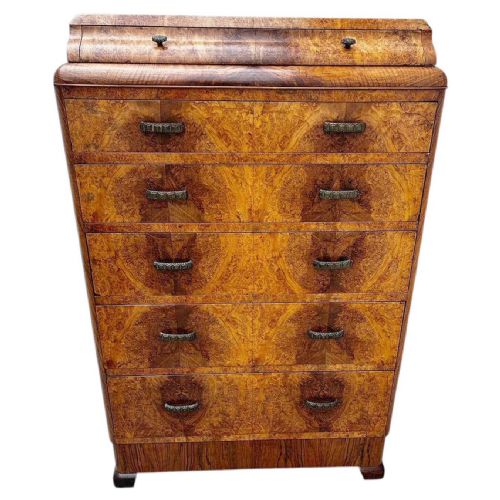
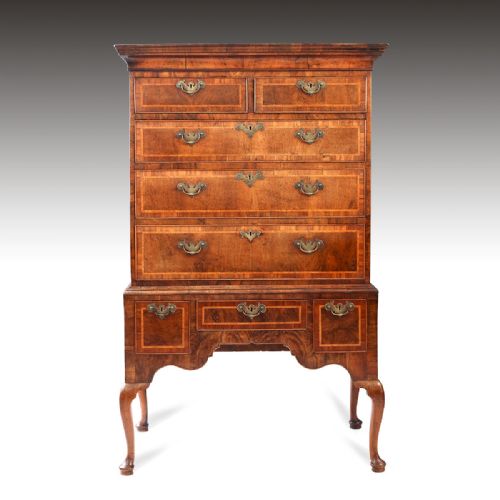
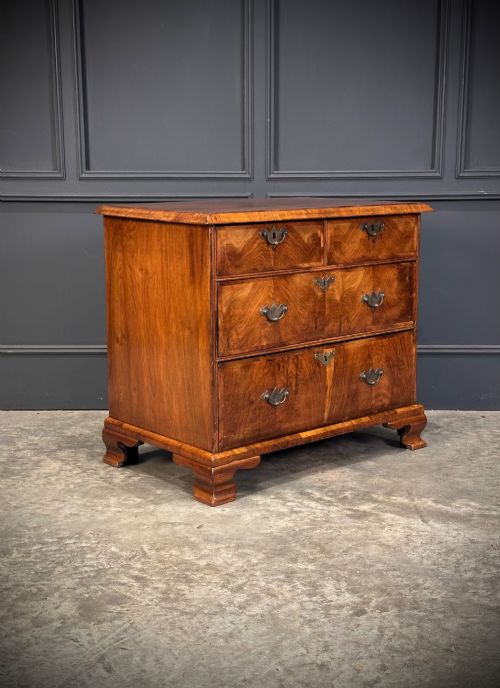
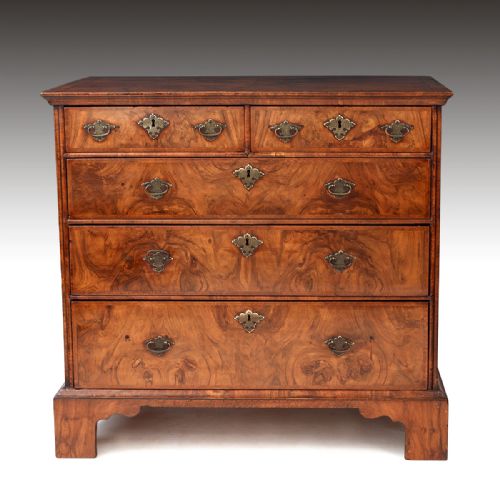
Walnut Tallboy Dresser
A walnut tallboy dresser combines stately vertical storage with the rich, warm grain of timber.
Walnut Tallboy Dresser
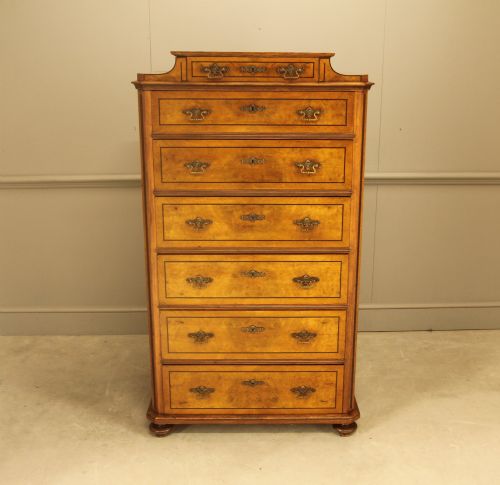
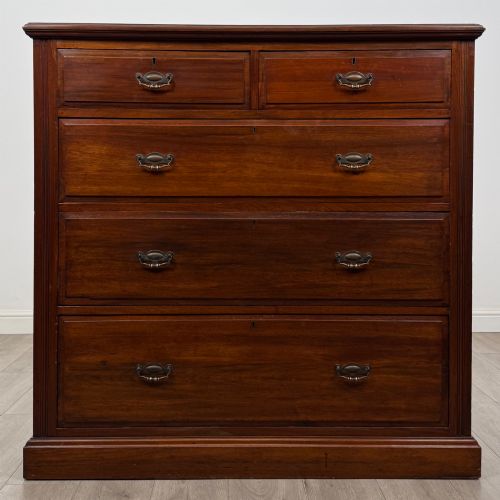
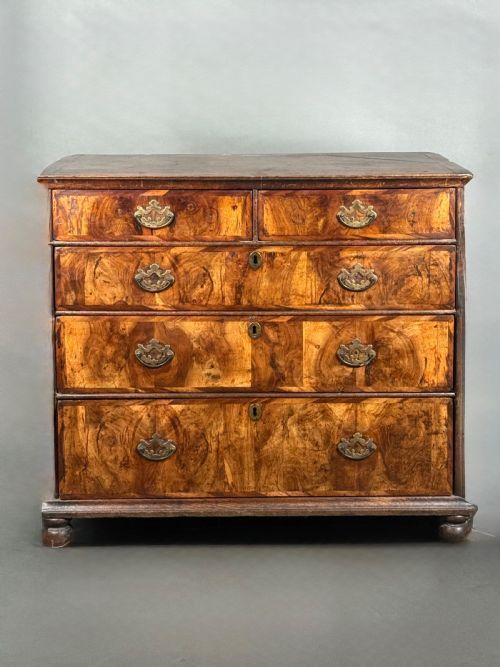
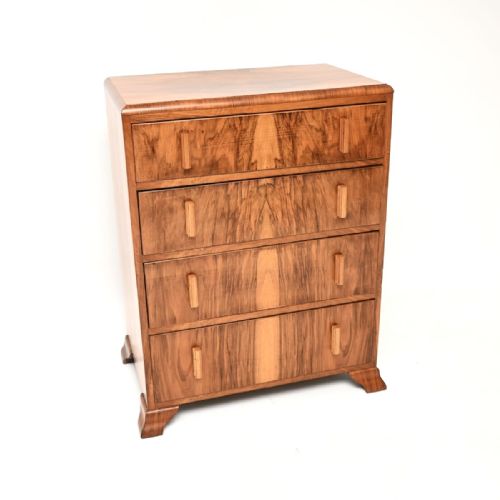
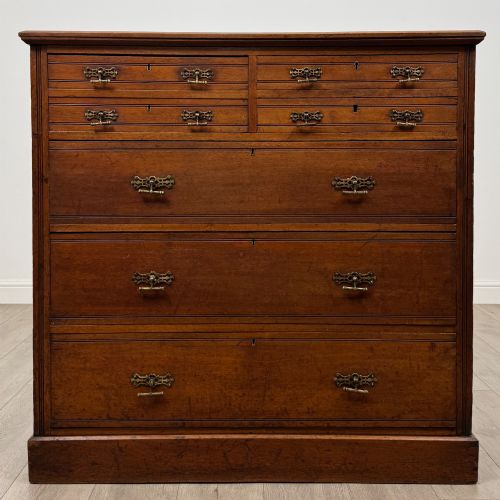
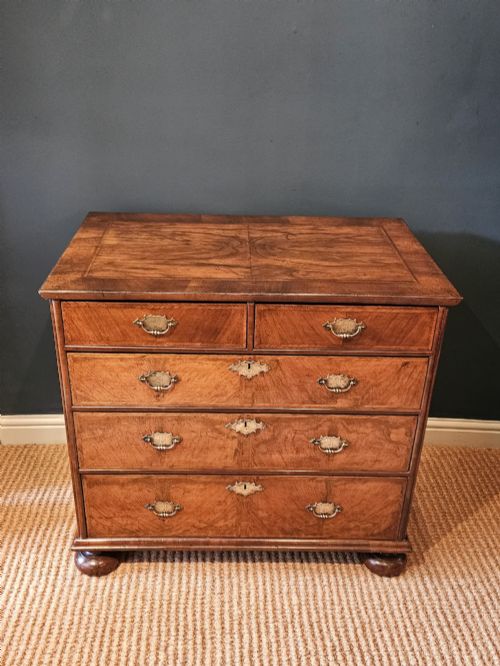
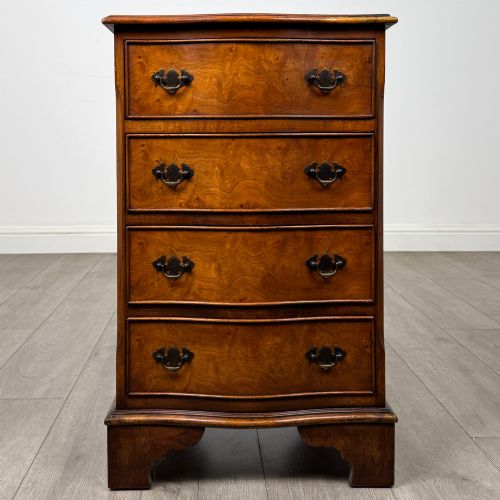
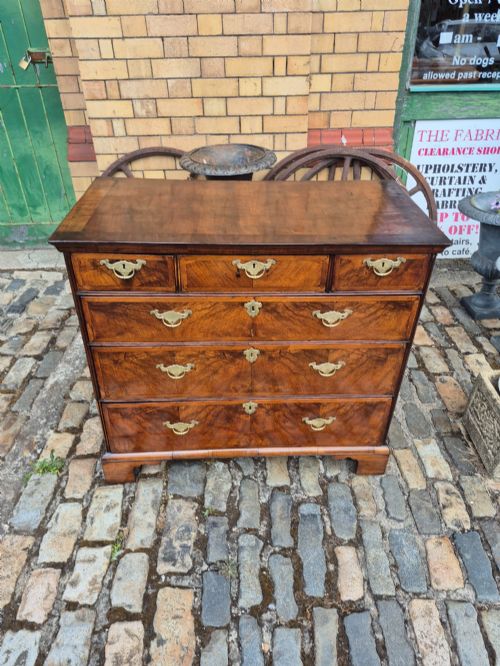
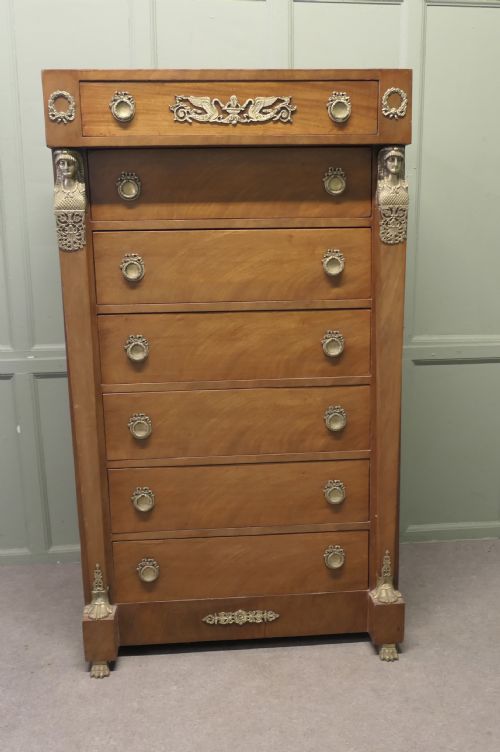
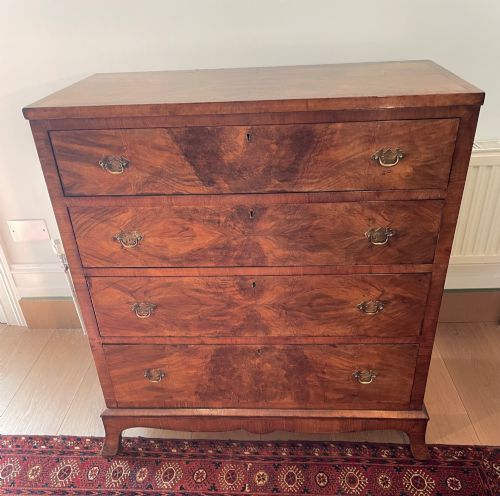
A walnut tallboy dresser delivers substantial vertical storage through stacked drawers, presenting a commanding presence in a room. When exploring walnut tallboy dresser options, buyers encounter forms ranging from 17th-century chests on stands to 18th-century Georgian designs and 1930s Art Deco interpretations.
The inventory on this page shows strong representation from the Georgian and Queen Anne periods, alongside William & Mary and later 20th-century movements. Forms appear as chests of drawers, chests on stands, and tall cabinets.
Origin details span English workshops, continental European examples, and regional pieces incorporating oak and brass hardware. These tall pieces suit bedrooms and dressing rooms where floor space is at a premium.
Materials and construction methods
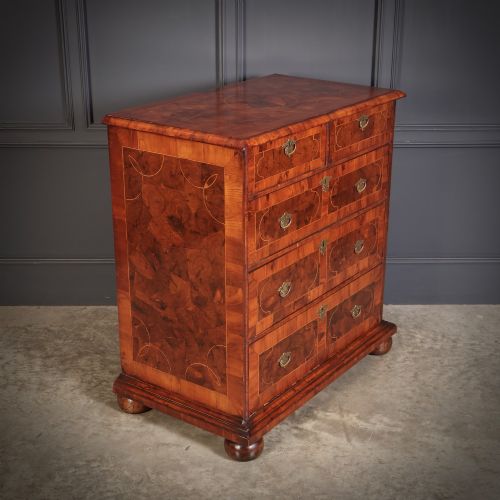
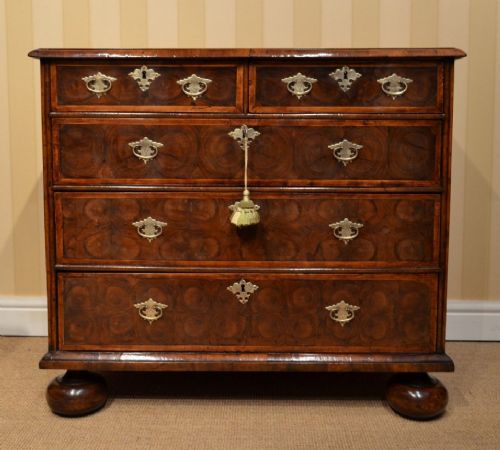
Cabinet makers utilised solid walnut, oak secondary timbers, and intricate veneers including burr walnut and figured walnut. Oyster veneering and marquetry patterns required immense skill to lay down small sections of timber grain symmetrically.
Surfaces frequently received herringbone banding, satinwood accents, and polished brass handles or escutcheons. Internal drawer linings commonly employ oak or pine, showing hand-cut dovetail joints.
Early cabinet makers loved hiding secret compartments behind the top frieze drawers of tall dressers for family heirlooms.
Assessing craftsmanship and condition
Quality rests in the selection of the timber veneer, where dense burr figures and matched grain patterns elevate a piece significantly. Crispness in marquetry detailing and the preservation of original brass hardware separate ordinary examples from exceptional ones.
Structural integrity of the drawer runners, stability of the tall frame, and depth of the timber patina dictate the overall standard. Pieces retaining their original stands or unblemished oyster veneers command greater attention from collectors.
Jas Shoolbred
The Walnut Tallboy Dresser Glossary
- Burr walnut
- A figured wood grain obtained from walnut tree growths, prized for its swirling patterns. It provides a highly decorative surface on drawer fronts.
- Oyster veneering
- A technique of slicing small branch timber transversely to create circular or oval patterns resembling oyster shells. This method defines many late 17th-century pieces.
- Herringbone banding
- An inlay of contrasting timber strips arranged in a V-shaped zig-zag pattern. It borders drawer perimeters on Georgian furniture.
- Chest on stand
- A tall drawer section elevated upon a separate table base with legs. This form predates the unified tallboy chest.
Walnut Tallboy Dresser: Frequently Asked Questions
How do I date a walnut tallboy?
Examine the construction methods of the drawers, timber choices, and overall hardware style to determine the period. Early pieces often feature hand-cut dovetails and oyster veneers, whilst 1930s examples display Art Deco geometry.
Secondary woods like oak inside the drawers also offer clues to the era of manufacture and regional origin.
Where should I place a tallboy?
Position these tall storage units in bedrooms or dressing rooms where vertical capacity maximises floor space. Ensure the room has stable humidity to protect delicate walnut veneers from drying out.
Secure tall furniture to the wall if stability requires it, protecting both the piece and the household.
What is the difference between a chest and a tallboy?
A standard chest of drawers sits low to the ground with a surface suitable for displaying objects on top. A tallboy stacks more drawers vertically, creating a much taller profile designed primarily for maximum garment storage.
Some variants sit upon a separate stand, further elevating the total height of the furniture.
How do I care for walnut veneer?
Dust surfaces regularly with a soft, dry cloth and avoid placing furniture in direct sunlight or near heat sources. Excessive temperature changes cause veneer to lift or crack over time.
Apply high-quality beeswax sparingly to nourish the timber and maintain the natural lustre of the finish.