
Walnut Stand with Drawer
A walnut stand with drawer is a compact timber furnishing combining display or storage with a functional pull-out compartment, spanning centuries of cabinet-making.
Walnut Stand with Drawer
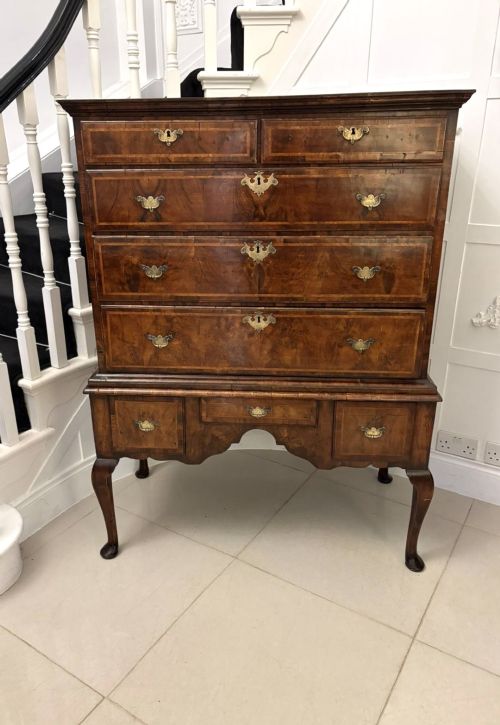
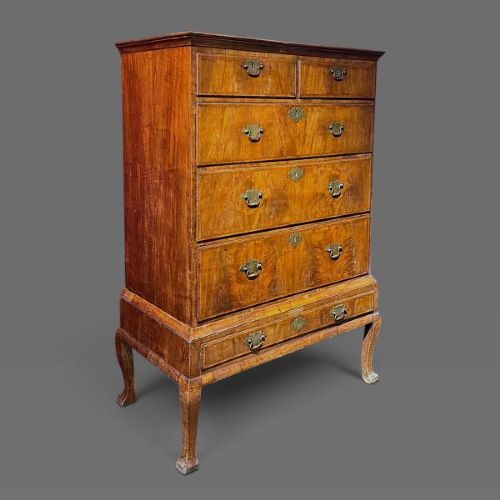
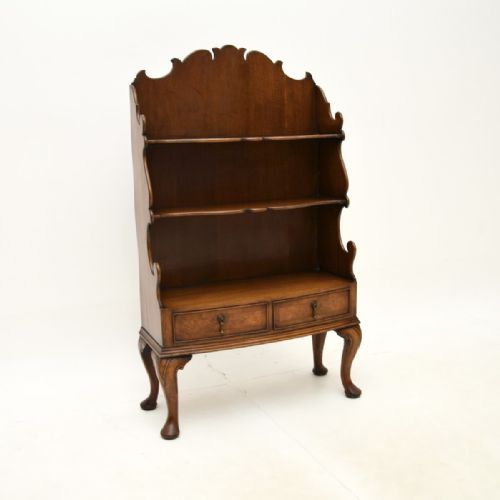
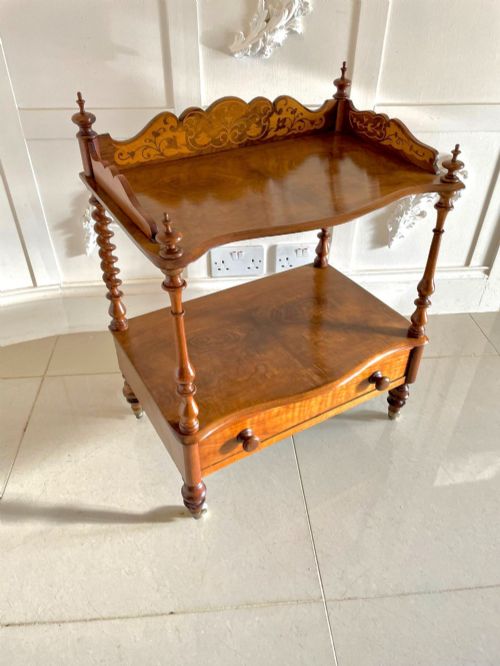
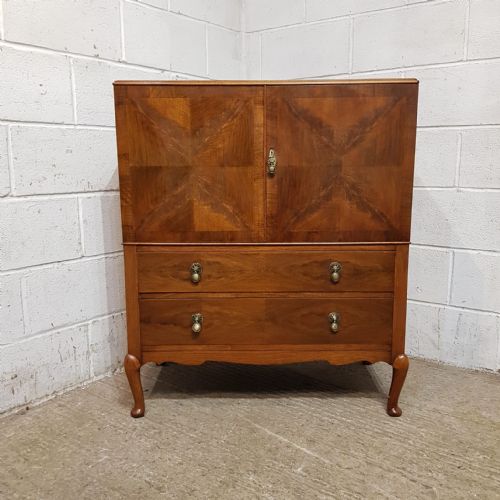
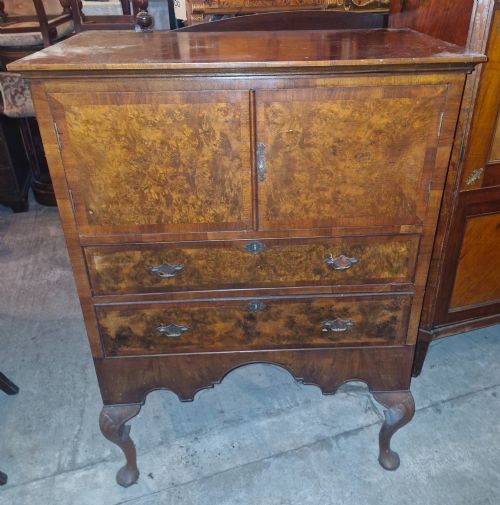
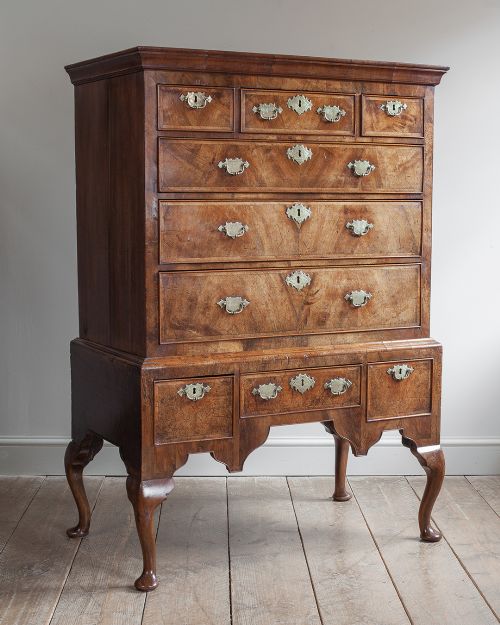
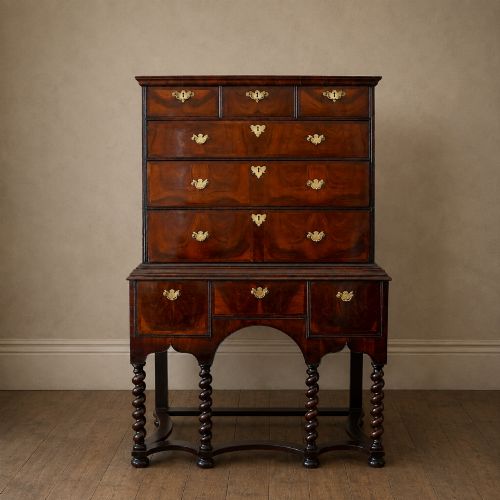
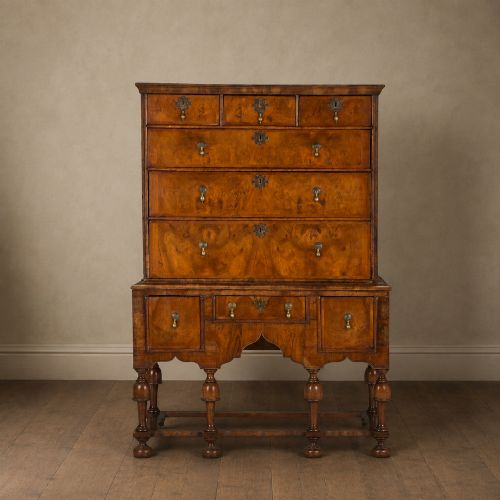
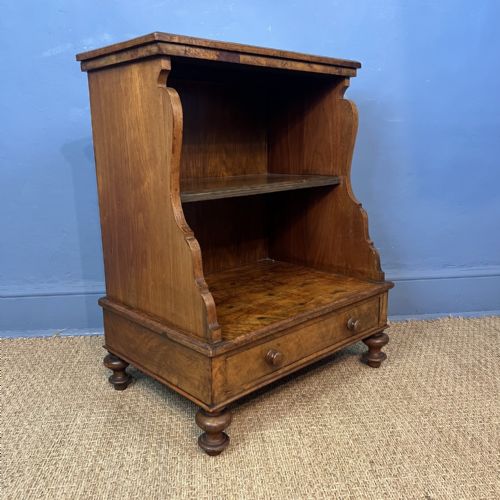
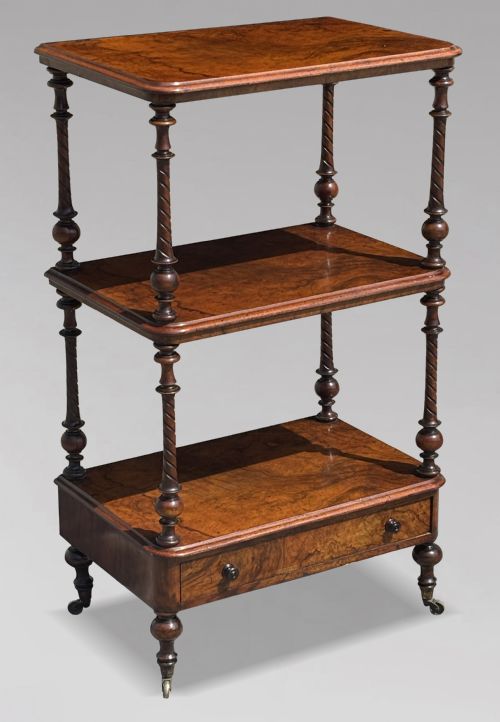
A walnut stand with drawer appears across numerous historical forms, including chests on stands, canterburys, washstands, and display cabinets. Buyers seeking this type encounter items ranging from early eighteenth-century Georgian examples to later Victorian pieces.
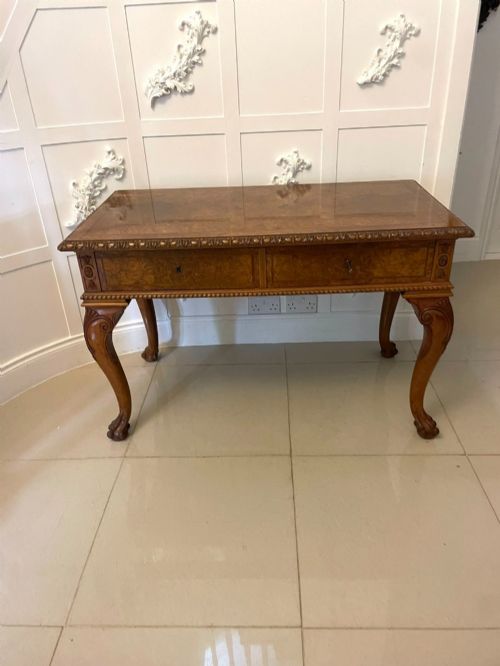
The selection encompasses elevated storage pieces, music stands, and side tables that incorporate a single drawer or multiple tiers. These items bridge the gap between ornamental display surfaces and practical household storage.
How they were made
Makers utilised solid walnut and decorative burr walnut veneers, frequently combining them with secondary timbers like oak. Surfaces often display contrasting stringing or crossbanding executed in boxwood and ebony.
Hardware such as brass drop handles and drawer pulls form integral functional components of the construction. Joinery methods range from pegged frames on earlier pieces to dovetailed drawer construction on nineteenth-century examples.
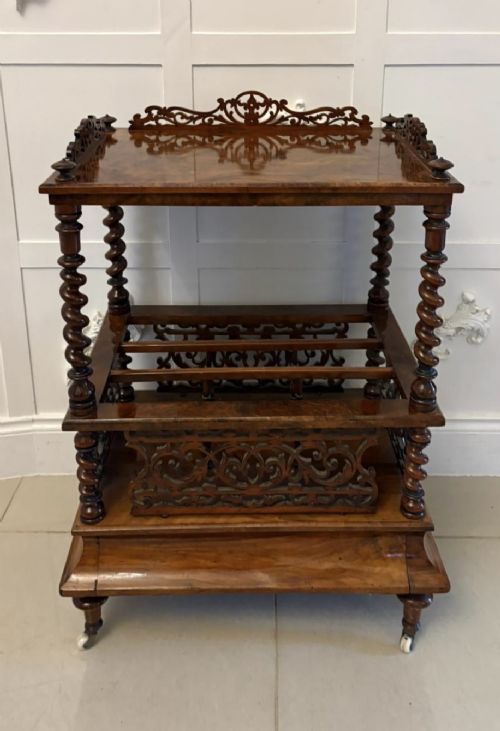
Music stands known as canterburys were named after an archbishop who requested a special stand for his scores.
What varies in quality
The grade of figuring in the walnut veneer heavily dictates the visual appeal of a piece, with richly patterned burr surfaces commanding greater attention. The crispness of carved details, such as cabriole legs or pierced fretwork, marks the hand of a more accomplished workshop.
Structural integrity relies upon the retention of original timber, matching brass hardware, and stable joints. Alterations to stands or replaced drawers alter the original character established by the maker.
Edwards & Roberts
The Walnut Stand with Drawer Glossary
- Burr walnut
- A figured wood grain obtained from the wart-like growths on walnut trees, prized for its swirling patterns. Cabinet-makers sliced this wood into thin veneers for decorative surfaces.
- Canterbury
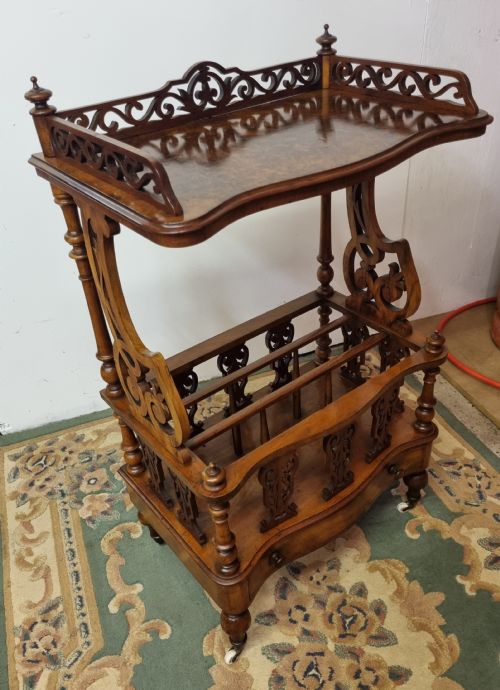
- A low stand featuring partitions, originally designed for holding sheet music or books, frequently incorporating a drawer beneath. Victorian examples often display elaborate fretwork.
- Chest on stand
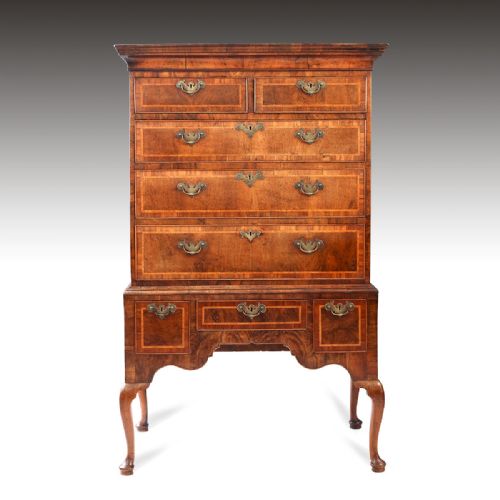
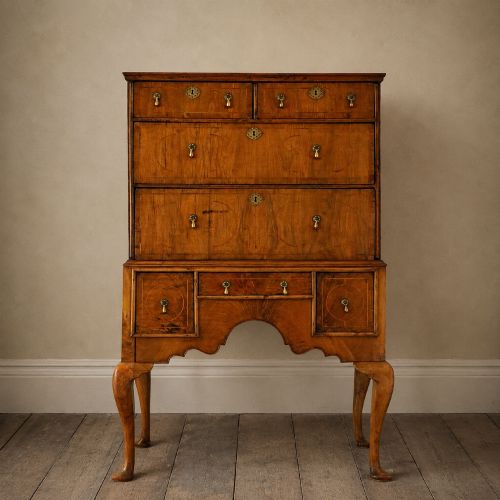
- A case of drawers raised upon an open framework or base with legs, common in eighteenth-century walnut furniture. This form lightens the visual mass of heavy storage units.
- Cabriole leg
- A furniture leg that curves outward and then tapers inward, ending in a pad or foot. This stylistic element appears frequently on early eighteenth-century stands.
- Crossbanding
- A narrow strip of veneer laid around the border of a panel so that the grain runs at right angles to the centre. It provides a neat, framed finish to drawer fronts and tabletops.
Walnut Stand with Drawer: Frequently Asked Questions
What is a walnut stand with drawer used for?
These versatile pieces served various domestic functions throughout history, from holding sheet music and magazines to providing surface space for washing equipment or display. The integrated drawer offered secure storage for smaller personal items.
In modern rooms, they function effectively as bedside tables, hallway surfaces, or accent furniture in living spaces. Their compact proportions allow them to fit into tight architectural corners while providing useful tabletop space.
How do I date an 18th century walnut piece?
Dating eighteenth-century walnut relies on observing structural characteristics like timber thickness, drawer construction, and leg styling. Early pieces often feature cabriole legs and feather banding before mahogany superseded walnut in popularity.
Later revivals in the Victorian period often copied these earlier silhouettes but utilised machine-cut joints and different secondary woods. Examining the interior construction and timber oxidation helps clarify the true age.
What distinguishes a canterbury from other stands?
A canterbury is specifically characterised by its partitioned upper section designed for holding folios, music, or periodicals. Many incorporate a shallow drawer at the base for smaller accessories.
While standard side tables or washstands offer flat or marble-topped surfaces, canterburys prioritise vertical dividers. They emerged in the Regency period and remained popular through the Victorian era in various woods.
How do I care for antique walnut furniture?
Preserving walnut furniture requires maintaining stable room humidity and avoiding direct sunlight, which can bleach burr veneers. Regular dusting with a dry cloth keeps the surface clean without needing harsh chemical polishes.
Applying a traditional wax periodically feeds the timber and enhances the natural grain. Avoiding placement near direct heat sources prevents the wood from drying and splitting.