

Walnut Press Cupboard
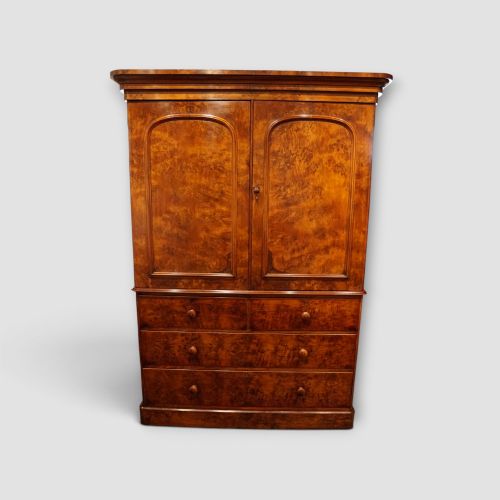
When you search for a walnut press cupboard, you are looking at substantial storage furniture built to hold linens and garments with considerable presence.
Walnut Press Cupboard
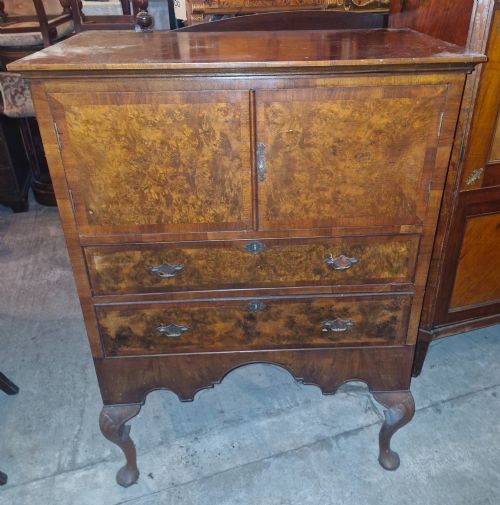
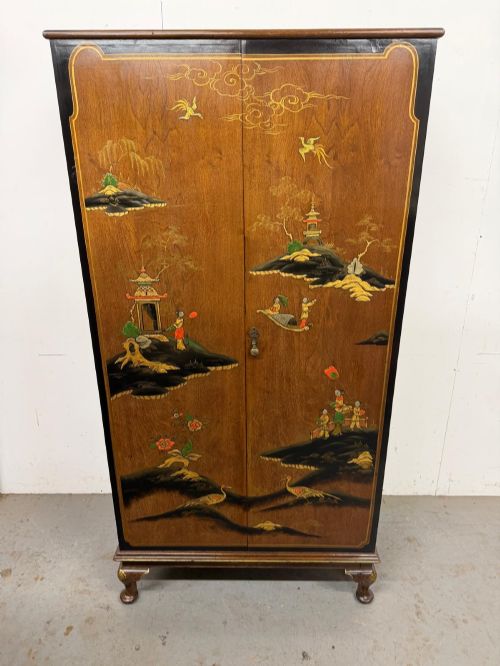
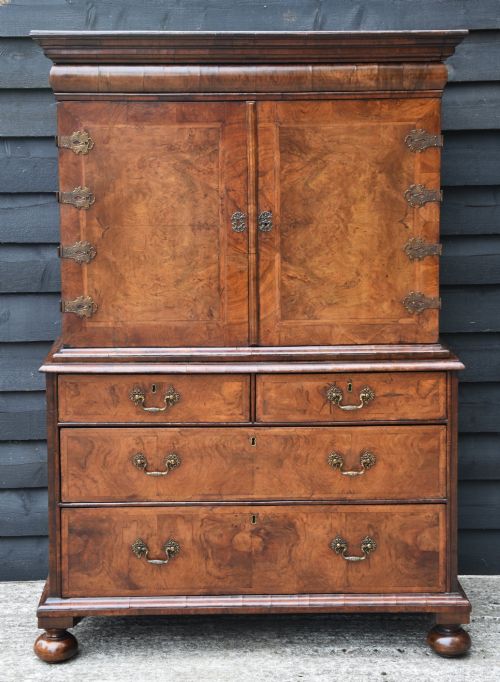
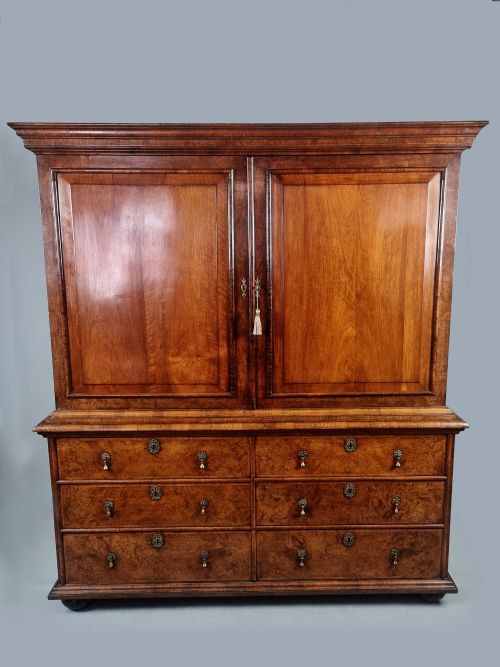
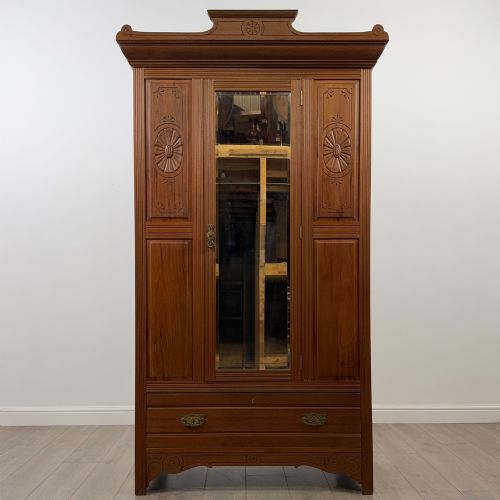
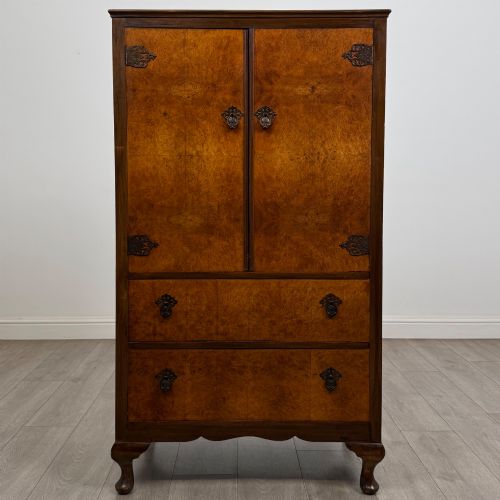
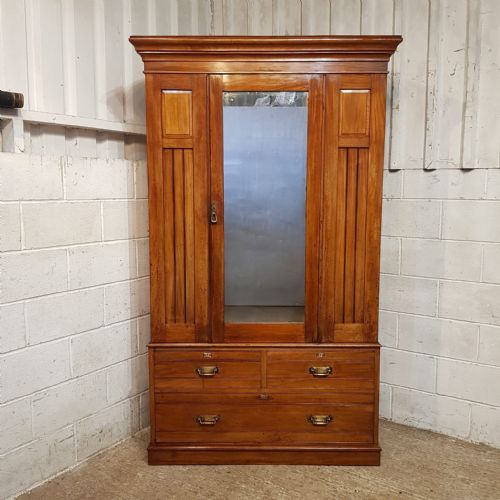
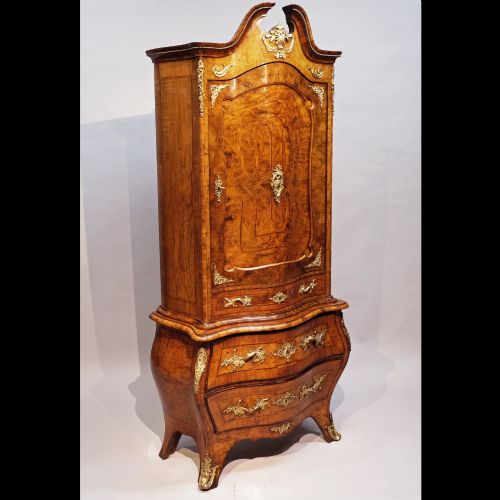
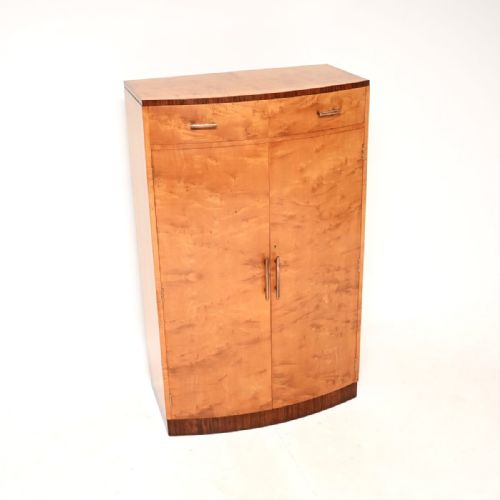
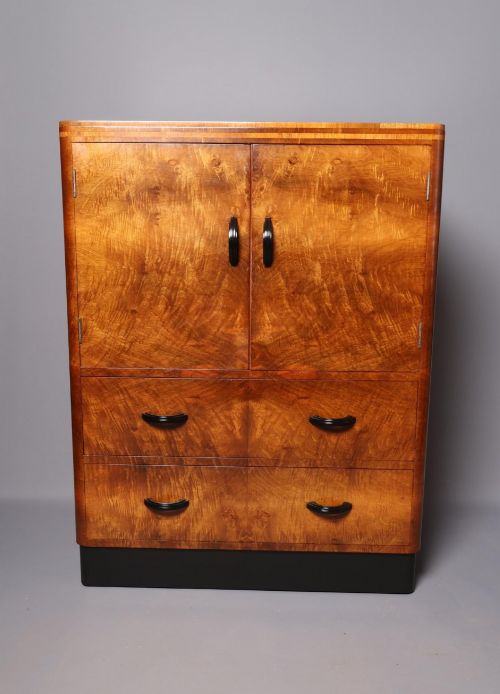
A walnut press cupboard combines deep upper storage sections with lower drawer configurations, designed primarily for household textiles and clothing. The search phrase covers forms ranging from early seventeenth-century William and Mary cabinets on chest to Edwardian and Art Deco compactum wardrobes.
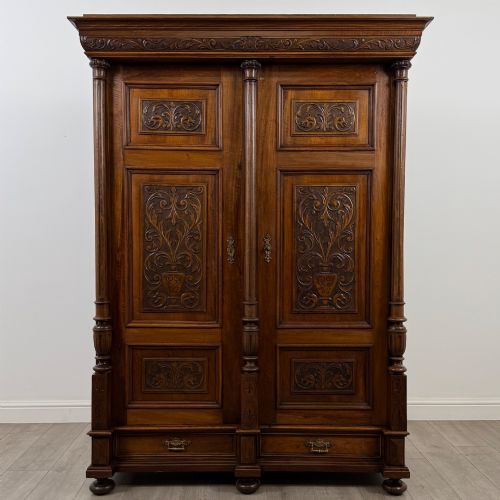
The pieces you encounter span diverse European origins, including English, Dutch, French, and Italian examples. You will frequently find variants described as linen presses, tallboys, and armoires alongside traditional cupboards.
Earlier periods tend to present rich marquetry, floral inlay, or figured veneers on carcases of oak and walnut, while twentieth-century iterations lean towards geometric Art Deco lines.
Materials and construction
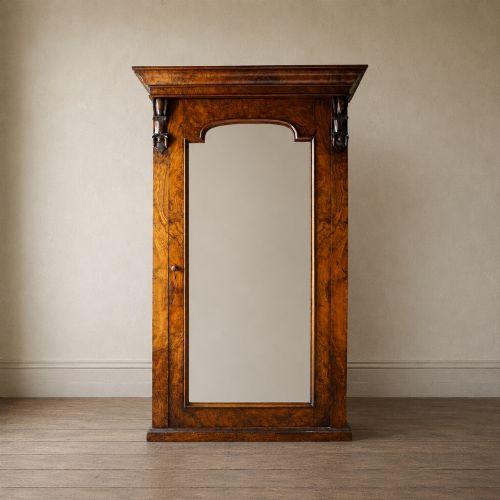
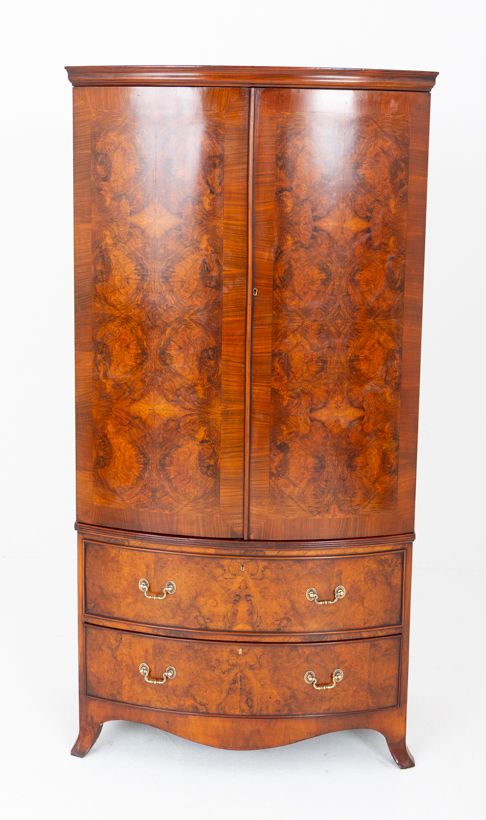
Cabinet makers utilised solid walnut and walnut veneer, frequently selecting burr walnut for its complex, swirling grain patterns on primary display surfaces. Secondary timbers such as oak provide structural stability within the carcases and drawer linings.
Surface decoration relies heavily on marquetry inlay using contrasting woods, floral motifs, and detailed carving. Hardware typically consists of brass handles and escutcheons, complemented on later pieces by glass panels and occasional bakelite details.
Some seventeenth-century ancestors of these cupboards were built strictly for storing starched neck ruffs.
Determinants of quality
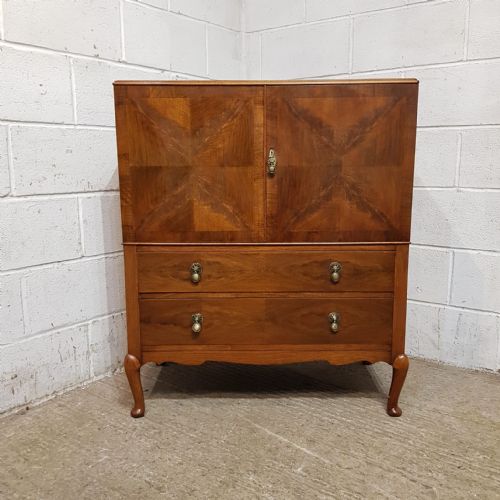
The standard of a walnut press cupboard rests upon the selection and matching of the veneer. Superior pieces display symmetrical grain alignment across doors and drawer fronts, whereas lesser examples show disjointed timber patterns.
Construction methods also dictate grade, distinguishing master cabinet work with hand-dovetailed drawers and integrated secondary timbers from mass-produced twentieth-century alternatives.
Maple and Co·Heal's
The Walnut Press Cupboard Glossary
- Press cupboard
- A large storage piece traditionally used for pressing and storing linen and clothes, typically featuring upper doors enclosing shelves and lower drawers.
- Burr walnut
- Timber taken from a tree growth where the grain has grown in a deformed, swirling manner, highly prized for decorative veneer.
- Compactum
- A multi-functional wardrobe designed to incorporate hanging space, shelves, and internal drawers within a single unified piece of furniture.
- Marquetry
- The art of applying pieces of veneer to a structure to form decorative patterns and pictures.
- Cabinet on chest
- A two-part form consisting of an upper enclosed storage cabinet resting upon a lower chest of drawers base.
Walnut Press Cupboard: Frequently Asked Questions
How do I use a press cupboard today?
These large cabinets function effectively as bedroom wardrobes, hallway storage, or linen cupboards for modern homes.
Their deep internal compartments and drawer spaces accommodate folded clothing, bedlinen, and general household items with ease.
Are seventeenth century and eighteenth century presses different?
Earlier seventeenth-century examples tend to feature starker architectural lines and geometric mouldings, often built as cabinets on chests.
Eighteenth-century iterations frequently incorporate elaborate marquetry, floral inlay, and softer proportions associated with Queen Anne and Dutch baroque styles.
How do I care for walnut veneer surfaces?
Protect antique walnut by keeping pieces away from direct sunlight and maintaining steady room humidity to prevent veneer lifting.
Apply traditional beeswax occasionally to nourish the timber and preserve the natural sheen without using modern silicone polishes.
What defines an Art Deco compactum?
Art Deco compactums from the 1930s showcase streamlined geometric forms, symmetric birds-eye maple or walnut veneers, and minimalist hardware.
They represent a significant departure from earlier heavily carved Victorian and Edwardian aesthetics while retaining maximum internal storage.