


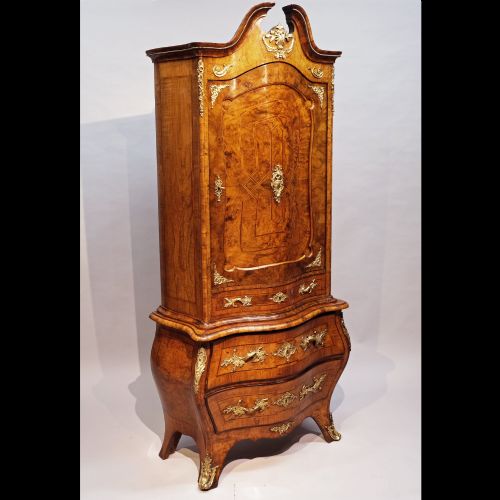


Antique Dutch Linen Press
These antique dutch linen press pieces are substantial storage cupboards built to hold household textiles, offering deep shelving and grand proportions.
Antique Dutch Linen Press
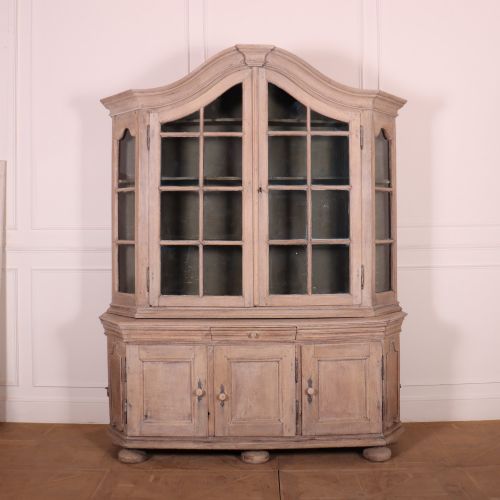
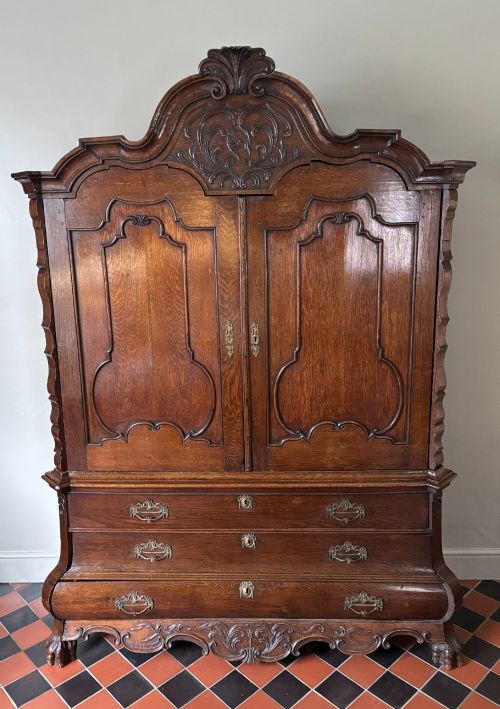
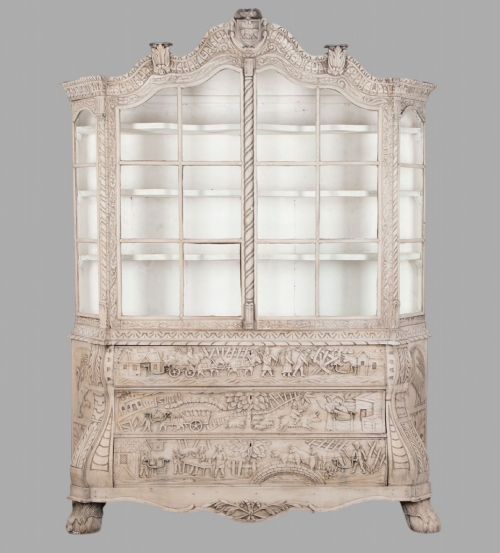
An antique dutch linen press serves as a monumental piece of storage furniture designed to house household linens and garments. Buyers exploring this category encounter substantial cupboards spanning several centuries of cabinetmaking tradition.
Regional variations appear across the inventory, including Dutch country house cupboards and specific historic furniture types like the Gelderse kussenkast armoire. These large architectural items provide considerable presence within a room while fulfilling their original domestic purpose.
Markers of quality
Quality rests upon the selection and figure of the timber, particularly where burr walnut or detailed marquetry inlay is employed. Finer pieces demonstrate precision in the floral marquetry and crispness in the carved elements.
Proportion and scale dictate the visual success of the piece, with better examples maintaining harmonious architectural lines across massive forms. The integrity of the original construction and the preservation of surface patination further distinguish superior items.
Antique Dutch Linen Press Retail Price Guide 2026
Typical asking prices for dutch linen press among the pieces listed under this phrase on Sellingantiques today, from the lower quarter to the upper quarter. They describe what is for sale here now, not the wider market.
Periods represented across the pieces span from the seventeenth century through Georgian and Victorian eras up to nineteen hundred.
The Antique Dutch Linen Press Glossary
- Marquetry
- Decorative veneer work arranged in geometric or floral patterns across the surface of the cabinet. This technique requires skilled cutting and fitting of various coloured woods to create pictorial designs.
- Bombé
- A swelling, outward-curving contour found on the lower sections of certain cabinets and chests. This curved profile demands advanced woodworking skill to achieve balanced proportions.
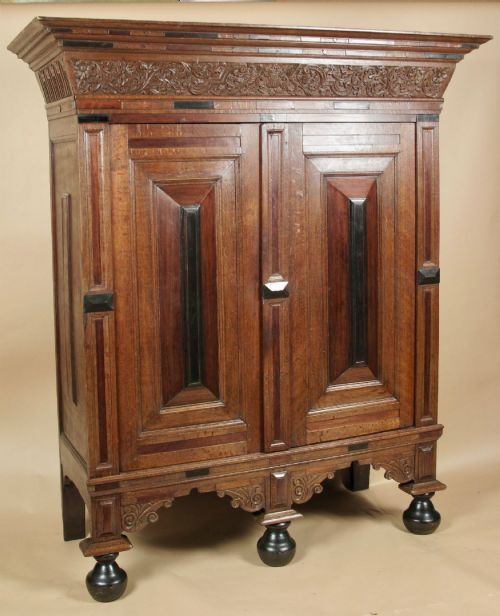
- Kussenkast
- A traditional Dutch cushion cabinet featuring raised, cushion-moulded panels on the doors. This seventeenth-century form showcases architectural depth and substantial timber framing.
- Armoire
- A large wardrobe or cupboard used primarily for hanging or folding garments. European examples often feature tall double doors enclosing extensive internal shelving.
- Cornice
- The moulded projection that crowns the top of the linen press. This architectural feature finishes the upper section and balances the heavy base below.
Antique Dutch Linen Press: Frequently Asked Questions
What is an antique dutch linen press used for?
These large cupboards were originally built to store household linens, folded textiles, and garments before fitted wardrobes became common in homes.
Today, owners utilise the deep internal shelving to store blankets, bed linen, or clothing while displaying the architectural exterior as a principal room feature.
How do I identify a seventeenth century piece?
Seventeenth century examples typically feature heavy oak or rosewood construction, deep paneling, and architectural elements such as cushion moulds.
These early pieces display robust joinery and simpler, darker timber surfaces compared to the later marquetry and figured walnut designs of the eighteenth century.
Where were these linen presses made?
Cabinetmakers constructed these pieces across the Netherlands, reflecting regional styles from urban workshops and rural country houses alike.
Some pieces share stylistic influences with neighbouring Flemish traditions, incorporating imported tropical hardwoods alongside native European timbers.
How do I care for a walnut marquetry cabinet?
Walnut marquetry requires stable indoor humidity away from direct sunlight to protect the delicate veneer and inlaid floral patterns from lifting or fading.
Regular dusting with a dry cloth and occasional application of appropriate furniture wax helps preserve the timber surface and natural patination over time.