
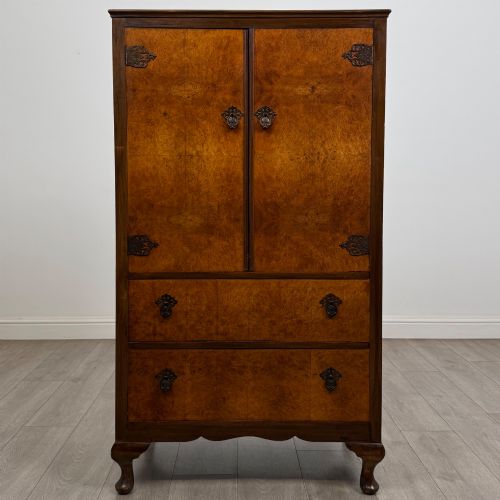


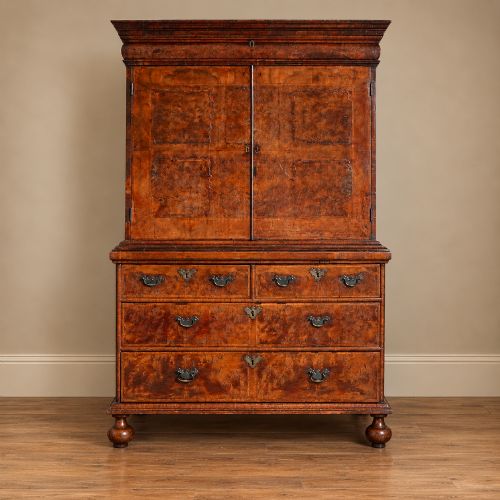


Queen Anne Linen Press
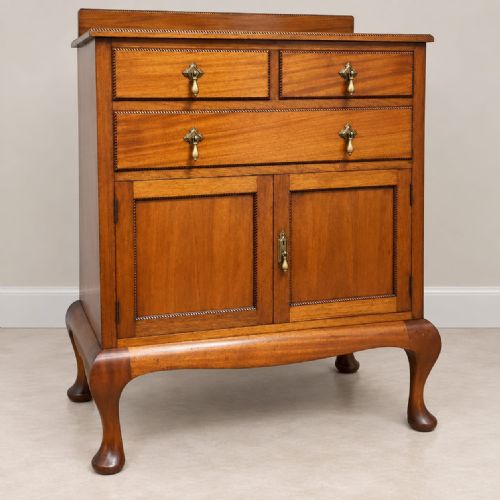
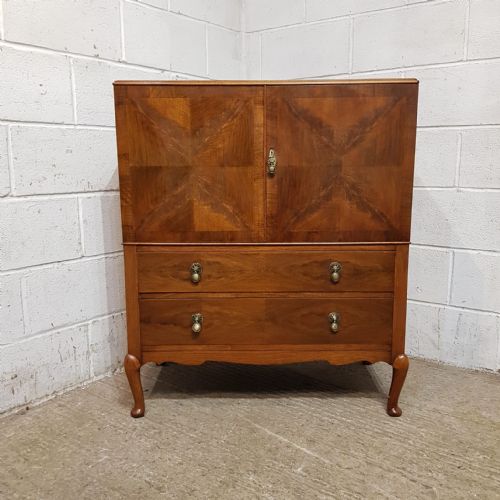
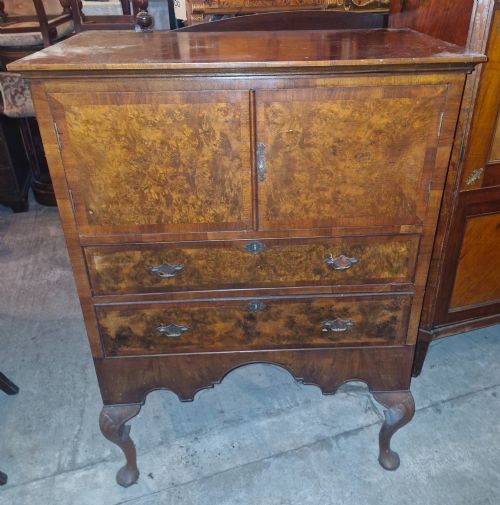
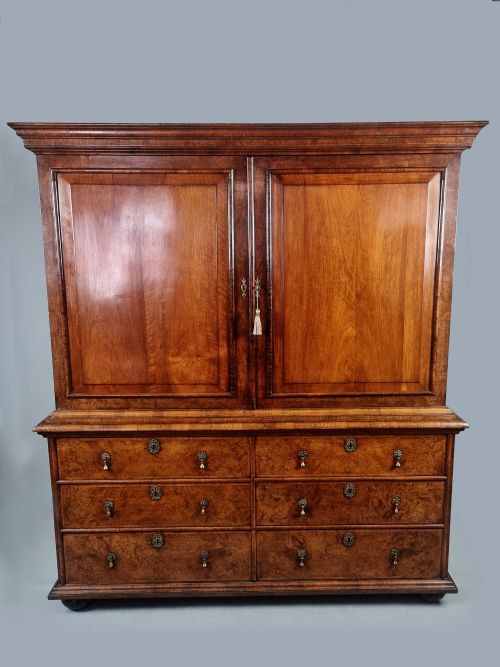
These queen anne linen press pieces combine practical storage with stately walnut or mahogany surfaces, offering timeless character for your home.
Queen Anne Linen Press
A queen anne linen press provides grand storage, combining upper cupboard space with lower drawers for organising garments and textiles. You will encounter tallboys and cabinets on chests alongside traditional press cupboards.
The pieces span genuine early examples from the seventeenth and eighteenth centuries as well as twentieth-century revivals. Burr walnut and mahogany dominate the selection, accompanied by occasional oak and brass fittings.
Materials and construction
Cabinet makers utilised figured walnut, burr walnut, and mahogany veneers to create rich grain patterns across the primary surfaces. Solid oak appears in earlier carcases and internal framing.
Brass handles and escutcheons accent the timber, securing doors and drawers constructed with traditional joinery methods.
Listings span multiple eras, encompassing seventeenth-century, eighteenth-century, Edwardian, and nineteen-twenties pieces.
Assessing quality
The choice of veneer defines the visual impact, with figured and burr walnut surfaces offering greater depth than plain timber. Original brass hardware and well-proportioned cornices elevate the piece.
Construction integrity rests on the stability of the timber and the precision of the cabinet work within the drawers and internal shelves.
Waring and Gillow
The Queen Anne Linen Press Glossary
- Tallboy
- A tall chest of drawers standing upon another chest, providing vertical storage. This form maximises capacity while occupying a compact floor footprint.
- Burr walnut
- A wood harvested from the warted growths of walnut trees, yielding intricate swirling grain patterns. Cabinet makers prized this timber for high-status furniture facades.
- Press cupboard
- A piece of furniture designed for storing folded linen and clothes, featuring upper doors enclosing shelves. Lower drawers provide additional space for smaller garments.
- Cabinet on chest
- A display or storage cabinet resting atop a separate chest of drawers. This bipartite construction allowed easier transport of large furniture pieces.
Queen Anne Linen Press: Frequently Asked Questions
What is a queen anne linen press used for?
These pieces serve as grand storage cupboards for linen, clothes, and household textiles. The upper section contains shelves while the lower chest section houses multiple drawers.
They function as statement furniture in bedrooms or hallways, combining decorative presence with practical compartmentalisation.
How do I tell an 18th century piece from a revival?
Early eighteenth-century pieces display native timber construction, hand-cut joinery, and patination acquired over centuries of use. Revival items from the Edwardian era or the nineteen-twenties adopt the same stylistic vocabulary using machinery of their own period.
Examining internal timbers, backboards, and secondary woods helps determine the precise era of manufacture.
Which woods are most common?
Walnut and burr walnut appear frequently across both early and revival periods, offering striking grain patterns. Mahogany and oak also feature among the surviving examples.
Brass hardware is standard across these pieces for drawer pulls and key escutcheons.
Where should I place it in my home?
These large cabinets require substantial wall space and a stable environment away from direct heat sources. Bedrooms and spacious landings suit their original purpose best.
Ensure adequate ceiling height and floor clearance before positioning tallboys or cabinets on chests.