
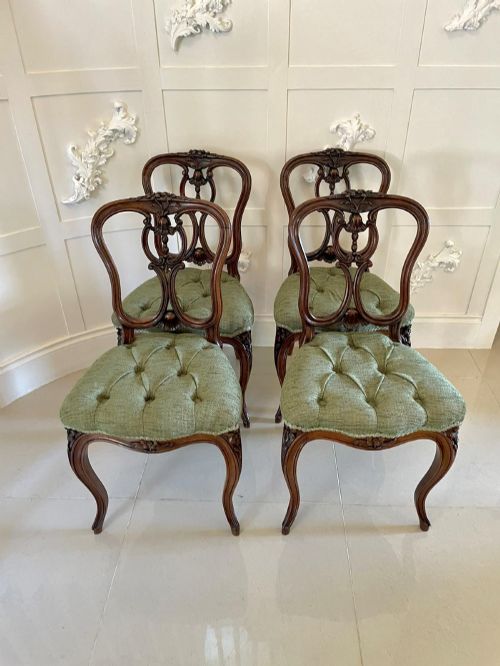

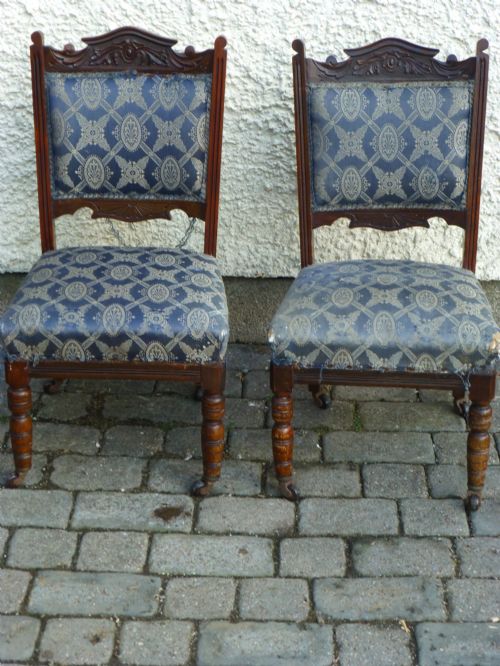
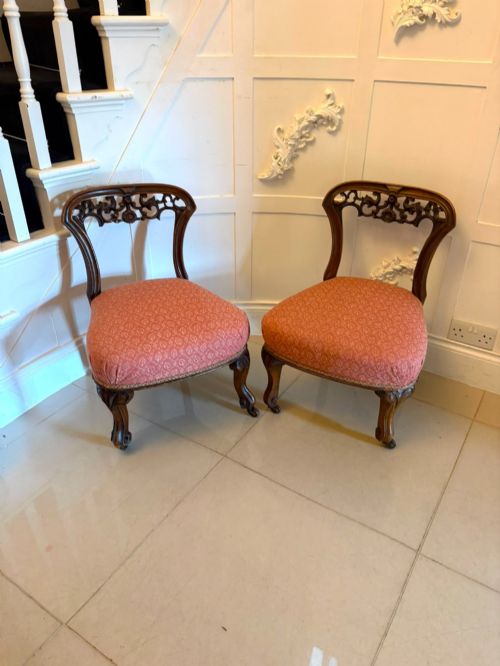
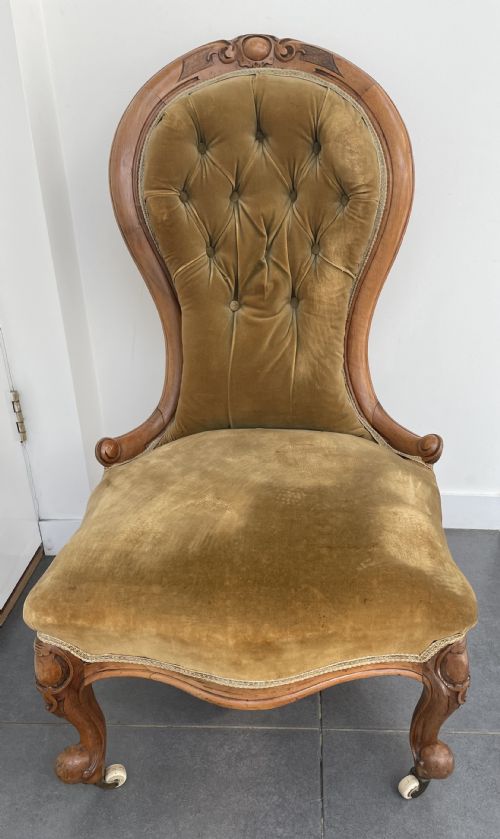
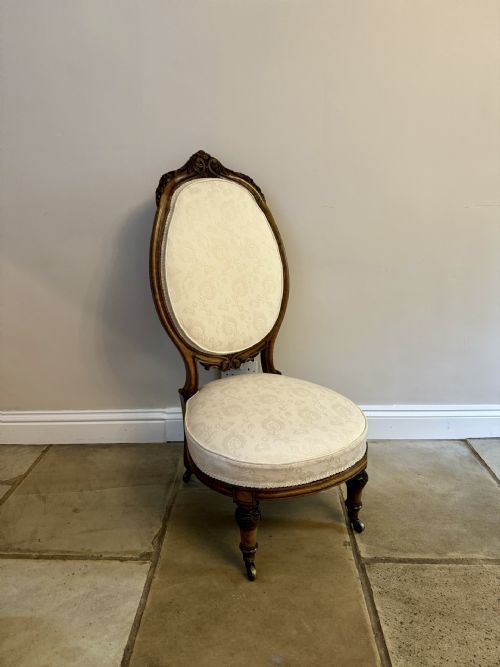
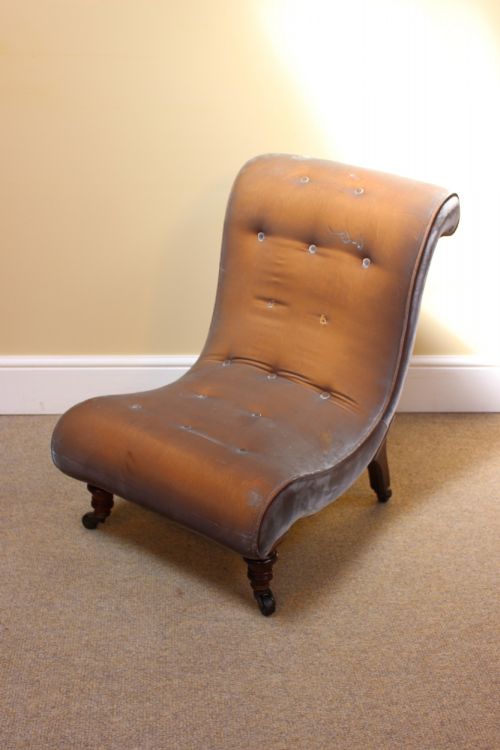
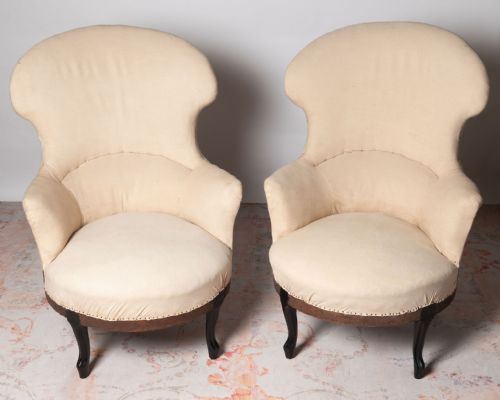
Walnut Bedroom Accent Chair
A walnut bedroom accent chair brings period warmth and practical seating to a corner, combining rich timber frames with varied textile upholstery.
Walnut Bedroom Accent Chair
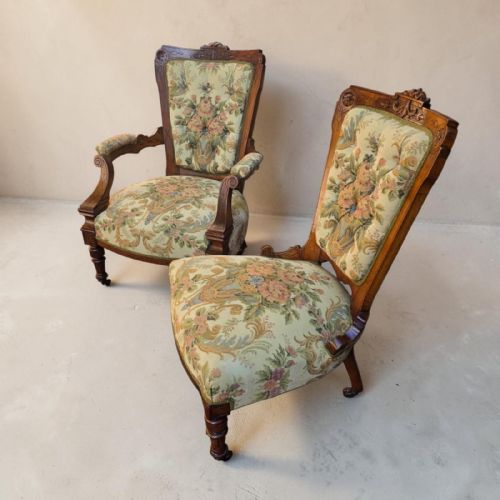
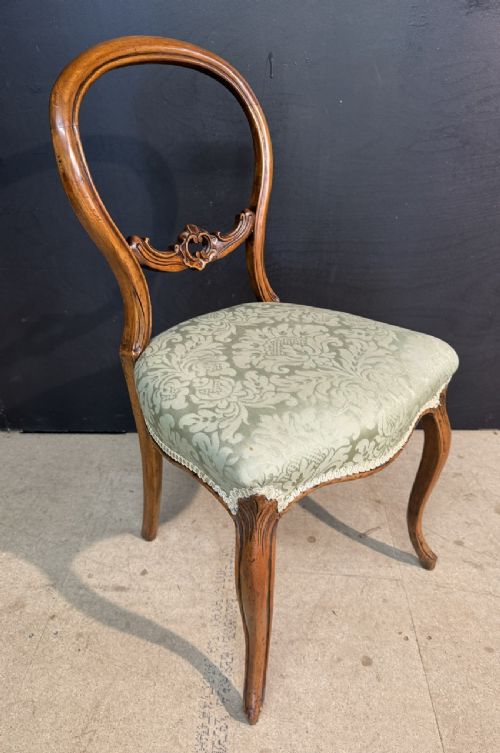
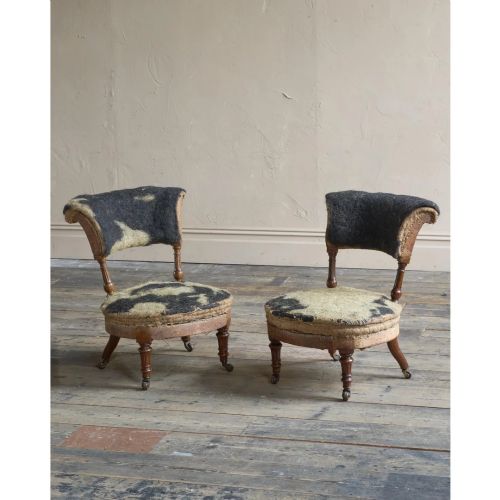
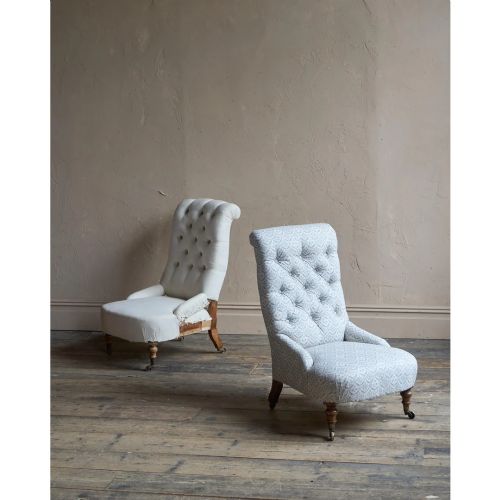
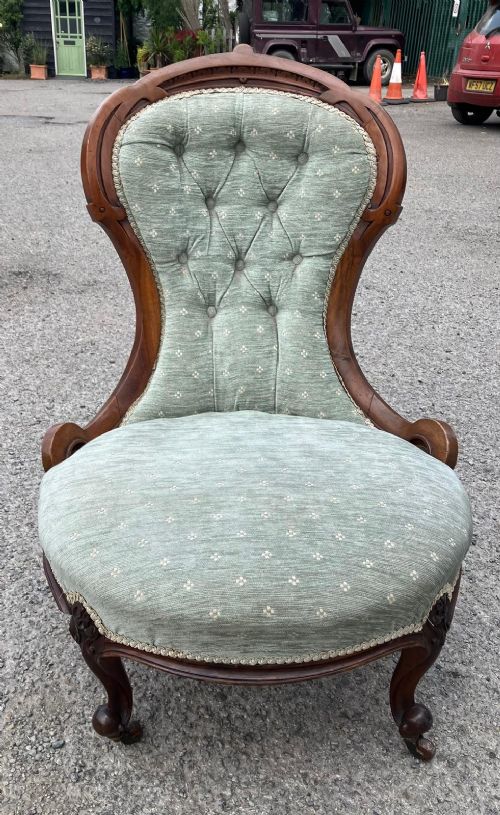
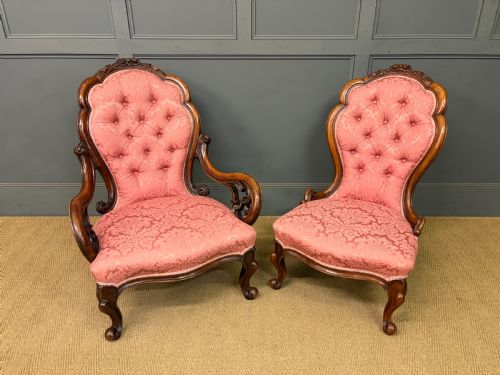
A walnut bedroom accent chair encompasses low nursing chairs, compact salon seats, and carved side chairs originating from the Victorian era through the early twentieth century. Buyers seeking this phrase encounter low-slung seating designed for domestic chambers, dressing rooms, and intimate parlours.
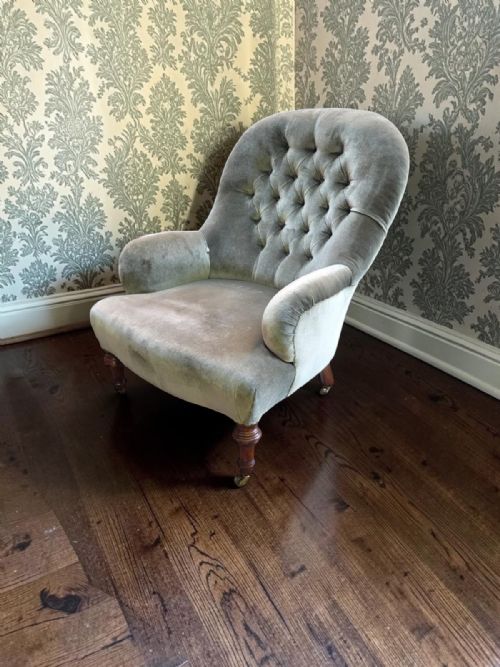
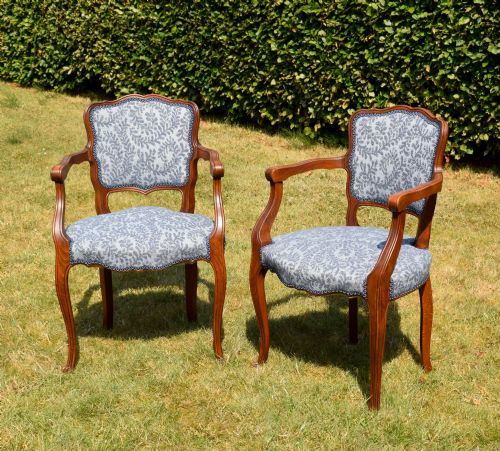
The most common forms on this page include Victorian walnut nursing chairs with low seats, button-backed salon chairs, and occasional chairs reflecting Louis XV Revival and Queen Anne styles. These pieces provide functional seating while introducing traditional timber and upholstery into modern interiors.
Origins span nineteenth-century British workshops and continental makers, incorporating stylistic influences ranging from Rococo Revival curves to clean Art Deco lines. Each piece fulfils the role of a bedroom accent chair through compact proportions and decorative timber framing.
Quality differences in walnut seating
The distinction between standard and superior pieces rests on the crispness of the timber carving and the elegance of the frame proportions. Master carvers produced deeply articulated foliage and fluid cabriole legs that elevate the presence of a salon or nursing chair.
Originality of the walnut frame and the integrity of the underlying joinery separate fine examples from heavily altered pieces. Quality also shows in the selection of timber veneers and the retention of period upholstery details such as hand-stitched buttoning.
The selection includes specialised forms such as dressing table stools, slipper chairs, and tub armchairs.
Howard and Sons·Hindley and Sons
The Walnut Bedroom Accent Chair Glossary
- Nursing chair
- A low-seated chair historically used in bedrooms and nurseries for feeding or dressing, typically featuring an upholstered back.
- Cabriole leg
- A furniture leg that curves outward at the knee and tapers inward toward the foot, frequently seen in revival styles.
- Spoon back
- An upholstered chair back shaped defensively like the bowl of a spoon to fit the contours of the sitter.
- Button back
- An upholstery technique where twine pulls the fabric tight against the padding, secured with cloth-covered buttons to create geometric indentations.
- Occasional chair
- A light, movable chair intended for use in various rooms rather than as permanent seating.
Walnut Bedroom Accent Chair: Frequently Asked Questions
Where should I place a walnut bedroom accent chair?
These compact seats fit well in empty bedroom corners, beside dressing tables, or as supplementary seating in a living room.
Their low profiles and decorative timber frames allow them to function as standalone pieces without overwhelming smaller spaces.
How do I identify a Victorian nursing chair?
Victorian nursing chairs are distinguished by their notably low seats and high, upholstered backs designed for comfort in private chambers.
They frequently feature walnut frames with carved wooden details, cabriole legs, and button-backed textile covers.
Can these chairs be used daily?
Many period accent chairs are structurally sound for regular sitting, provided the underlying joinery and frame remain stable.
Buyers often assess whether internal webbing and padding require reinforcement before daily domestic use.
What is the difference between a salon chair and a side chair?
Salon chairs are typically decorative and upholstered pieces made for entertaining guests in a reception room.
Side chairs are smaller, often armless wooden chairs intended for placement against a wall or around a table.