



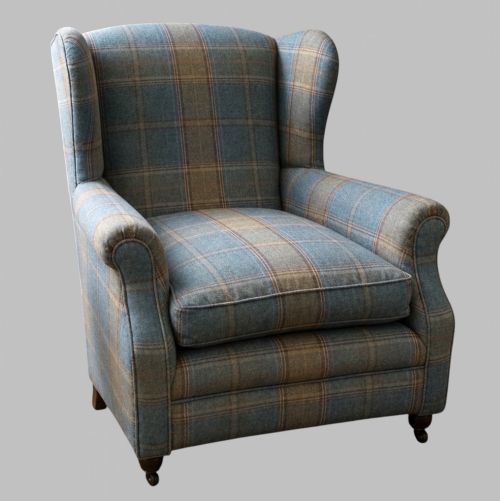
Traditional English Accent Chair
These traditional english accent chair forms bring vernacular comfort to a room, spanning windsor armchairs and upholstered seats from the eighteenth century to the nineteen-thirties.
Traditional English Accent Chair
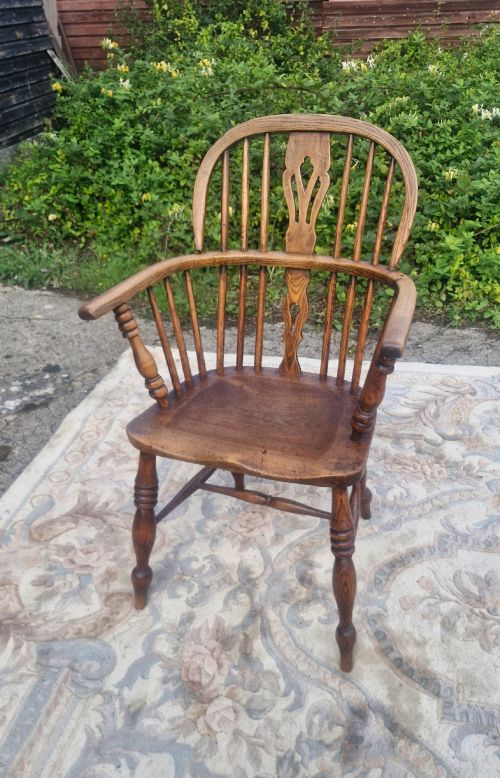
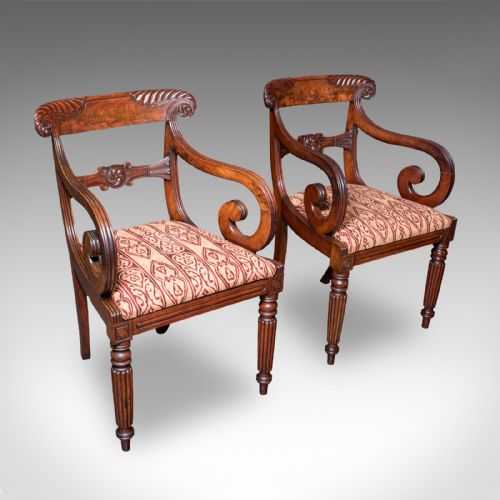
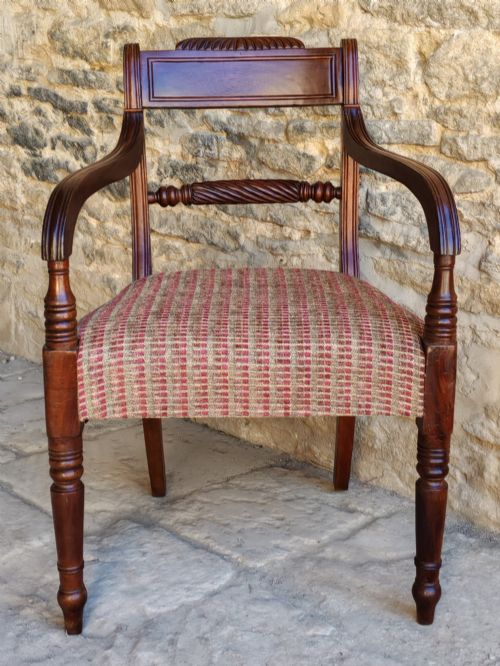
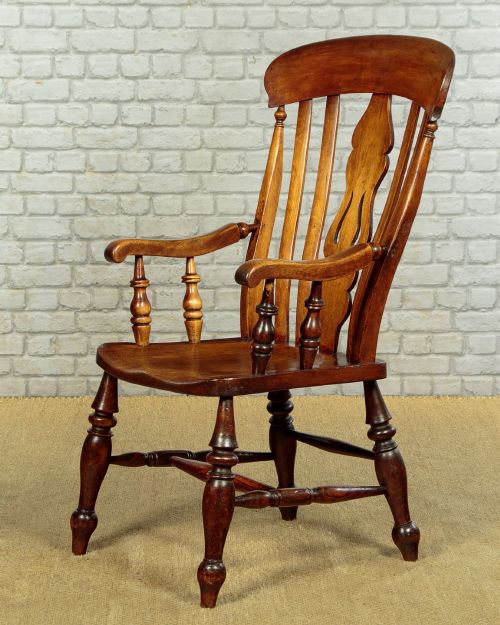
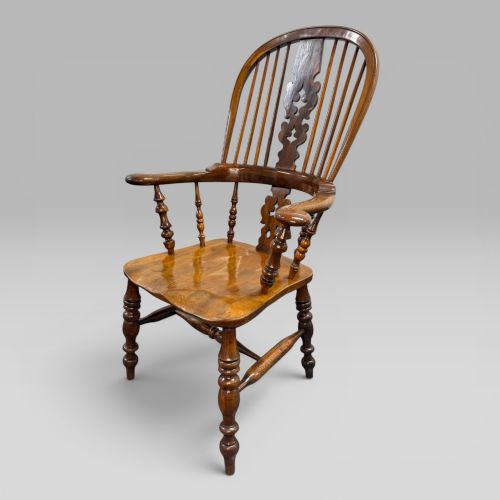
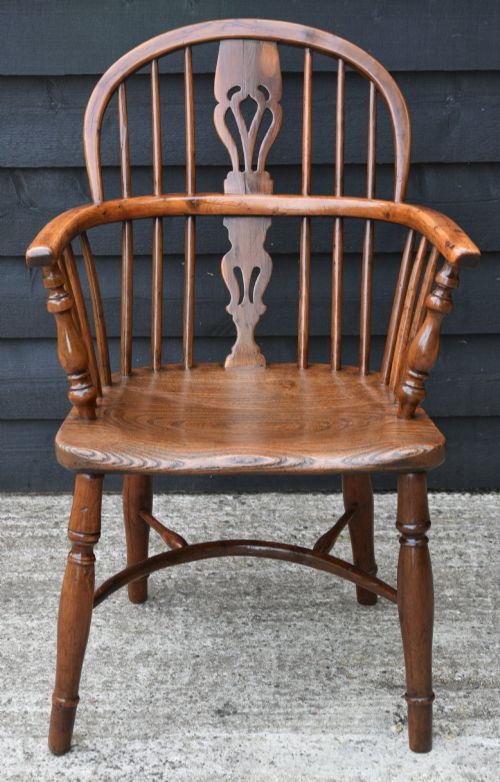
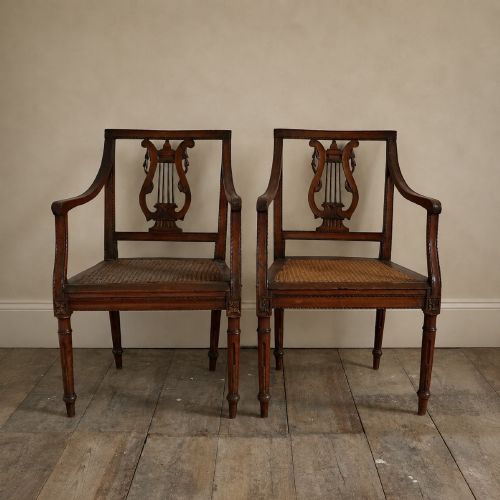
When searching for a traditional english accent chair, buyers encounter vernacular seating spanning multiple centuries, with nineteenth-century windsor armchairs appearing most frequently among the listings. These pieces encompass diverse regional forms such as Thames Valley windsor chairs alongside formal mahogany carvers, library chairs, and nineteenth-century country house open armchairs.
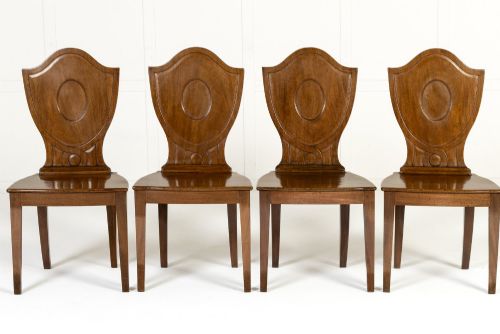
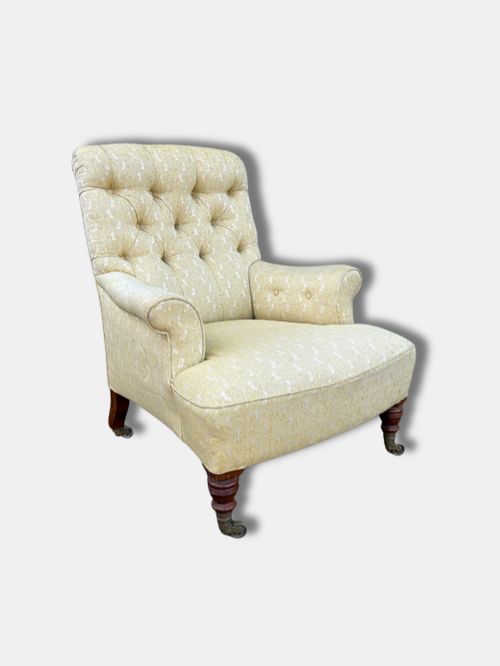
The selection includes specific seating types ranging from high-back and low-back windsor chairs in combinations of yew, elm, and ash to upholstered wingbacks and nineteenth-century slipper chairs. Side chairs and hall chairs also feature alongside rocking chairs and nineteenth-century ladderbacks.
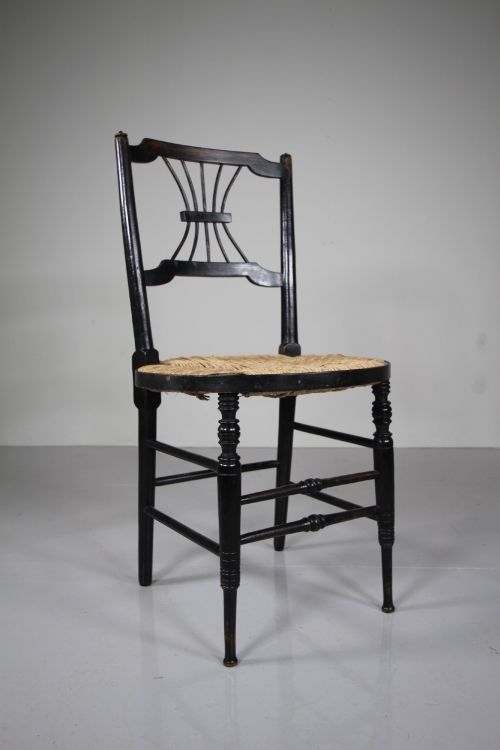
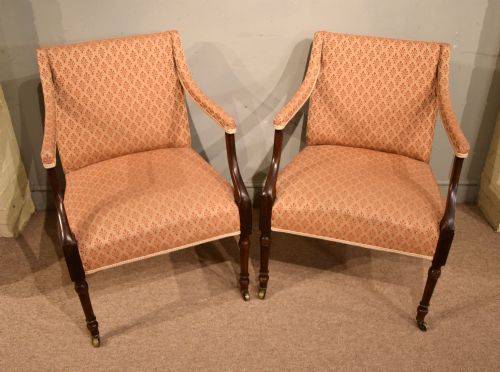
Origins stretch from eighteenth-century workshops through the Victorian era into nineteen-thirty pieces, representing English country vernacular, Arts and Crafts, Georgian, and Regency styles. Buyers find both wood-seated stick-backs and fabric-covered reception seats suitable for various domestic rooms.
Materials and construction
Makers utilised native timbers, pairing yew and elm for windsor chair seats and spindles, while ash provided strength for bent hoops and legs. Oak and mahogany appeared in formal side chairs, library armchairs, and dining seats.
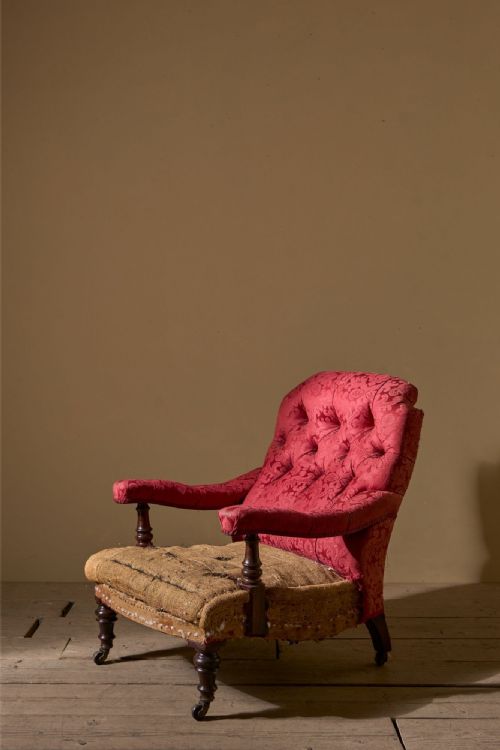
Construction relied on traditional joinery techniques, including bobbin turning, bobbin-turned stretchers, and steam-bent wooden components for hoop-back and wheel-back chairs. Upholstered examples employed webbing, springs, and horsehair stuffing beneath covers of crewelwork, leather, or woven fabric.
Several armchairs retain traces of old green paint, suggesting a past life in a provincial garden or kitchen.
Judging quality and integrity
Quality rests upon the selection of timber and the preservation of original surfaces, such as early painted finishes or patinated yew wood grain. Superior examples retain their original structural integrity without excessive replacement of spindles, legs, or stretchers.
Proportion and carving detail distinguish fine workshop production, whether in the crispness of a mahogany ropeback carver or the balanced curves of a Thames Valley hoop-back. The harmony between frame construction and upholstery finish dictates the standing of upholstered library and wingback chairs.
Howard and Sons·William Morris·Rossetti·E W Godwin
The Traditional English Accent Chair Glossary
- Carver
- An armchair, typically designed for the head of a dining table or as a companion to a set of side chairs. These pieces often share design motifs with their smaller counterparts.
- Ladderback
- A chair back constructed with horizontal slats between two upright posts. This traditional vernacular form often incorporates rush seating.
- Bobbin-turned
- A style of furniture turning that creates a series of rounded, spool-like shapes along a wooden leg or stretcher. It appears frequently on seventeenth and eighteenth-century oak furniture.
- Slipper chair
- A low-seated upholstered chair originally designed for use in a bedroom. The low profile made it convenient for dressing.
Traditional English Accent Chair: Frequently Asked Questions
What is a windsor chair?
A windsor chair is a timber-built seat featuring a solid wooden saddle into which turned legs and back spindles are socketed directly. These chairs rely on joined wooden components rather than an upholstered frame.
They appear primarily in native woods like yew, elm, and ash, encompassing regional variations such as hoop-backs, low-backs, and wheel-backs from the eighteenth and nineteenth centuries.
How do I date an antique armchair?
Dating relies upon examining timber species, tool marks, joinery methods, and stylistic cues associated with periods like the Regency or Victorian eras. Secondary woods and fastener types offer further clues to age.
Changes in fashion from eighteenth-century mahogany carving to nineteenth-century vernacular windsor construction help narrow the period of manufacture.
Where were these chairs used?
These chairs served multiple domestic functions across English country houses, libraries, kitchens, and formal reception rooms. Vernacular windsors populated farmhouse kitchens and dining spaces.
Formal mahogany and upholstered armchairs furnished drawing rooms, morning rooms, and hallways, acting as both practical seating and decorative accents.
How do I care for wooden chairs?
Wooden chairs require stable indoor humidity levels away from direct heat sources and strong sunlight to prevent timber shrinkage and cracking. Periodic application of appropriate wax polish maintains the finish.
Checking joinery stability prevents stress on old spindles and legs during regular domestic use.