
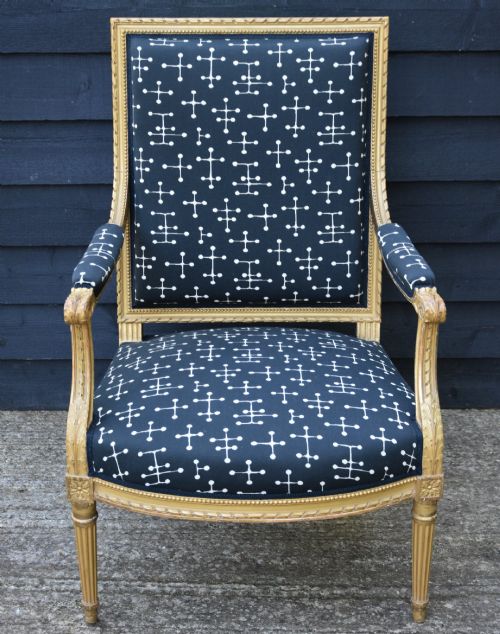
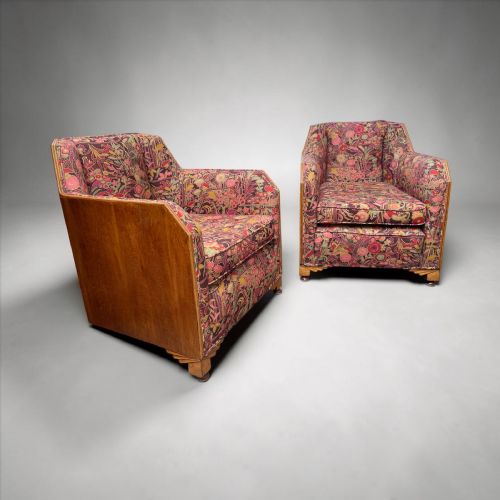
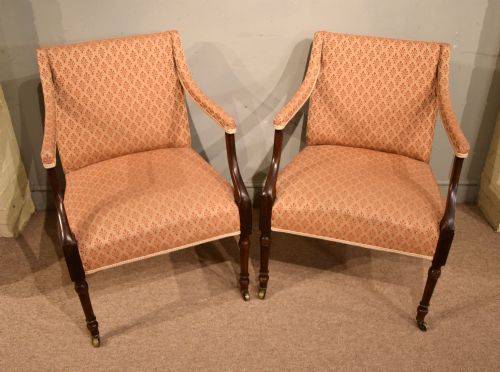
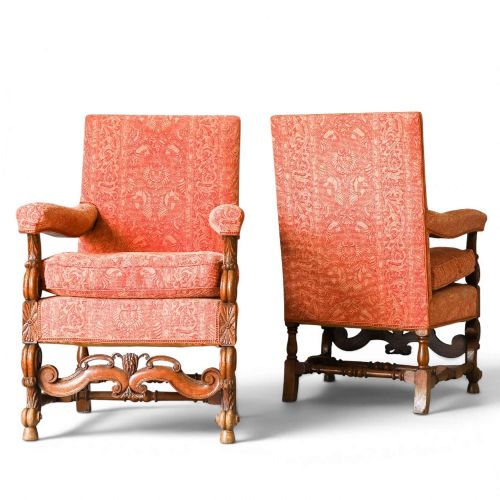
Patterned Accent Chair
A patterned accent chair brings personality and rich texture into a room through diverse historical styles spanning the eighteenth century to the art deco period.
Patterned Accent Chair
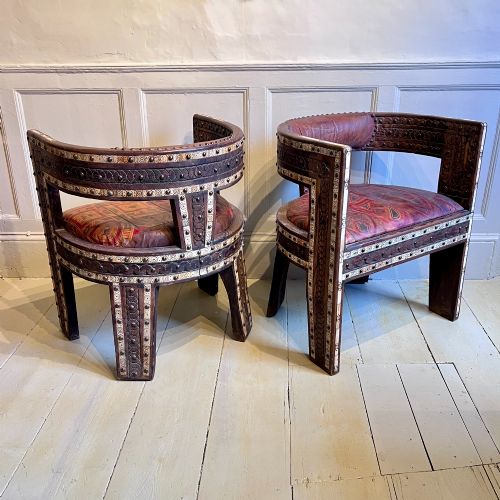
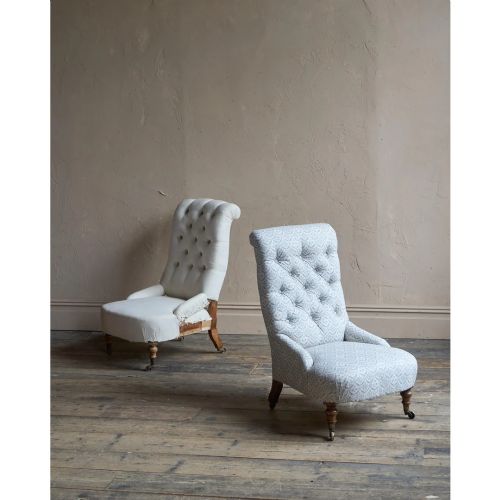
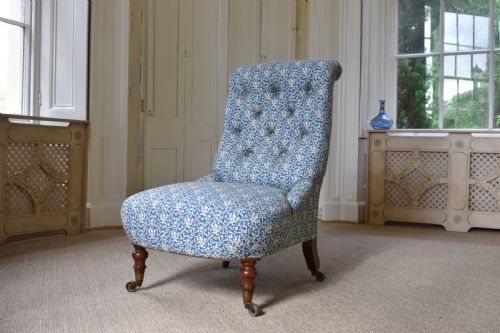
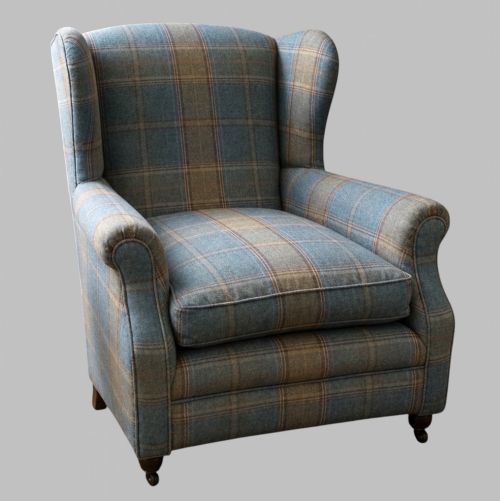
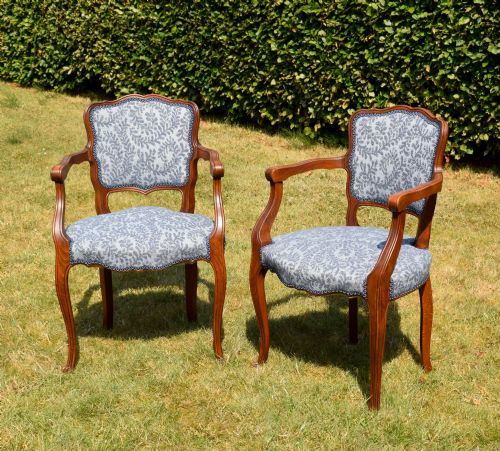
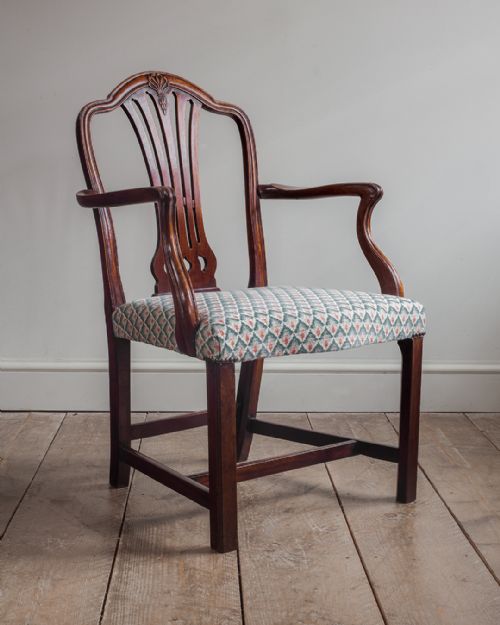
A patterned accent chair encompasses seating forms designed to stand out within a room, drawing upon a lineage of styles that includes Victorian, Edwardian, and Georgian designs. These chairs take many structural shapes, ranging from substantial wingbacks and library chairs to compact bedroom and slipper chairs.
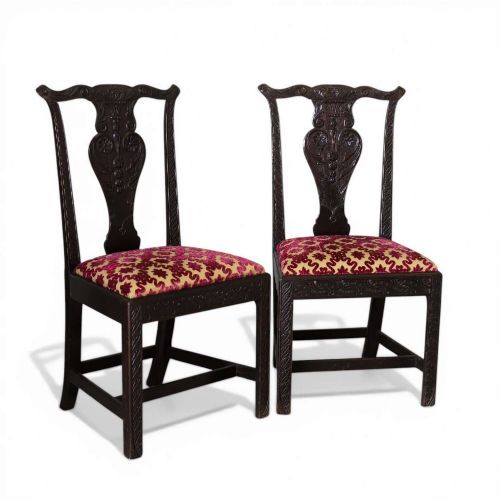
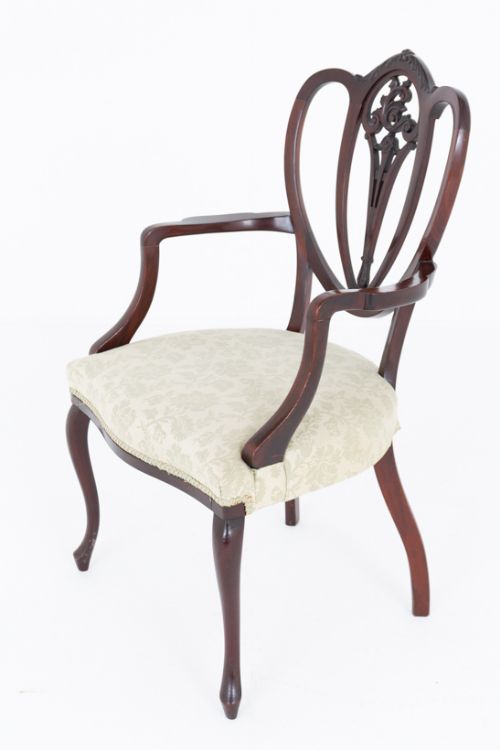
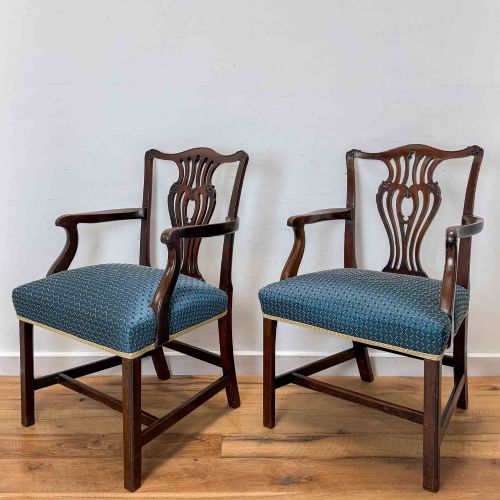
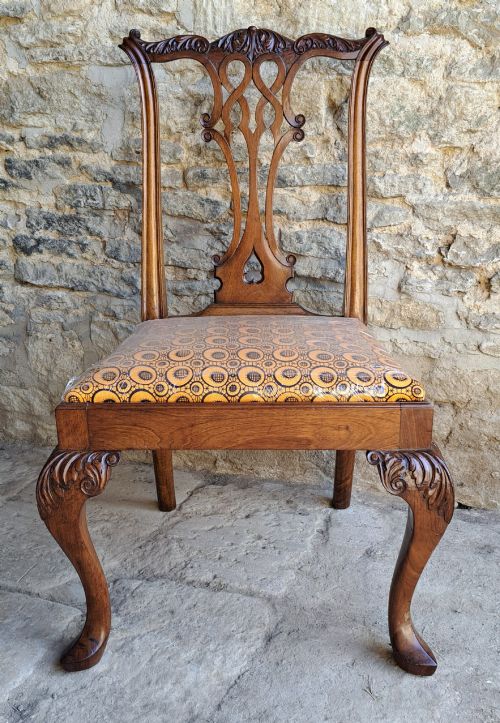
The selection on this page relies heavily on nineteenth-century and early twentieth-century examples, alongside select eighteenth-century forms. Buyers encounter open armchairs, side chairs, and hall chairs constructed to serve both decorative and functional purposes in domestic spaces.
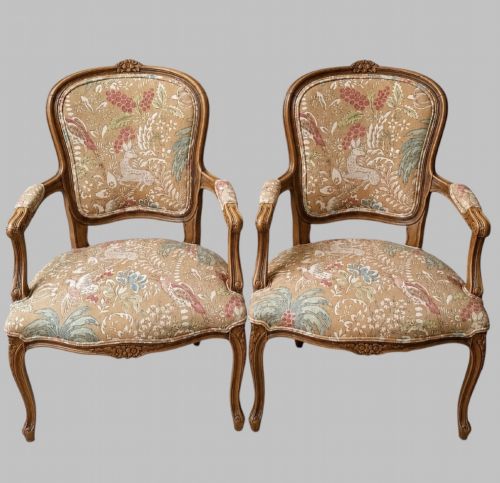
Many of these seats arrive upholstered in contemporary textiles, traditional plaid, or designer fabrics such as Zoffany, bridging historical woodwork with modern pattern work. The overarching aim remains finding a seat that anchors a colour scheme or introduces a distinct period silhouette.
How they were made
Construction relies on traditional hardwoods such as mahogany, walnut, oak, and rosewood, carved and joined to form robust frames. Certain pieces incorporate bentwood techniques or decorative details like barley twist supports and gilt finishes.
Upholstery techniques vary from deep buttoning and horsehair stuffing in Victorian pieces to drop-in rush seats and sprung backs in earlier or later examples. Textile choices span heavy wool plaids, printed cottons, leather, and woven fabrics that define the patterned exterior.
One Edwardian armchair arrives upholstered in a spirited horse racing theme fabric.
What varies in quality
Quality rests in the integrity of the timber frame, the crispness of the carving, and the fidelity of the period style, whether executed as a genuine eighteenth-century piece or a later revival. Finer examples display balanced proportions, substantial timber weight, and considered joinery.
The standard of upholstery and the choice of textile also dictate the character of the piece. Master workshops and documented makers elevate a chair's standing through superior frame shaping and meticulous pattern alignment.
Howard and Sons·Whytock and Reid
The Patterned Accent Chair Glossary
- Fauteuil
- An open-framed upholstered armchair originating in France, characterised by exposed wooden arms and carved rails. The arms typically feature padded elbow rests.
- Wingback
- An armchair with side panels or wings attached to the back, designed originally to shield the sitter from drafts. These chairs frequently feature prominent patterned upholstery.
- Barley twist
- A decorative turning style resembling a twisted rope, carved into wooden furniture legs and supports. This detail appears frequently on nineteenth-century pieces.
- Slipper chair
- A low-seated upholstered chair originally designed for use in a bedroom. The low profile made it convenient for dressing.
Patterned Accent Chair: Frequently Asked Questions
How do I choose the right period?
Consider the existing furniture in your room and decide whether an eighteenth-century mahogany frame or a twentieth-century art deco shape creates the best balance. Period traits range from Georgian restraint to Victorian exuberance.
Matching the chair's era to your interior ensures it integrates naturally while serving as a distinct focal point.
Can these chairs be used daily?
Most of these seating forms were built for everyday domestic use from durable hardwoods like mahogany and walnut. Their sturdy frames handle regular sitting when paired with sound internal support.
Assessing the current firmness of the upholstery helps determine whether a piece suits a busy living space or a quiet reading corner.
What styles are available here?
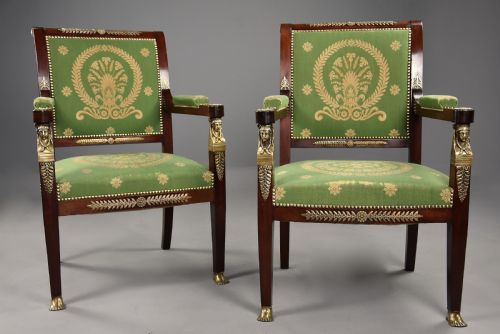
The listings span a broad stylistic range including Victorian, Edwardian, Georgian, and Art Deco, alongside revival movements like Louis XVI and French Empire. Each style brings distinct leg forms, carving depths, and silhouette lines.
Fabric choices vary just as widely, featuring traditional tartans, modern prints, and woven textiles.
How do I spot a maker's mark?
Certain workshops stamped their frames or applied paper labels to the underside of the woodwork or seat rails. Makers like Howard and Sons often marked their pieces directly on the frame or casters.
Examining these hidden areas can reveal important clues about a chair's origin and workshop attribution.