
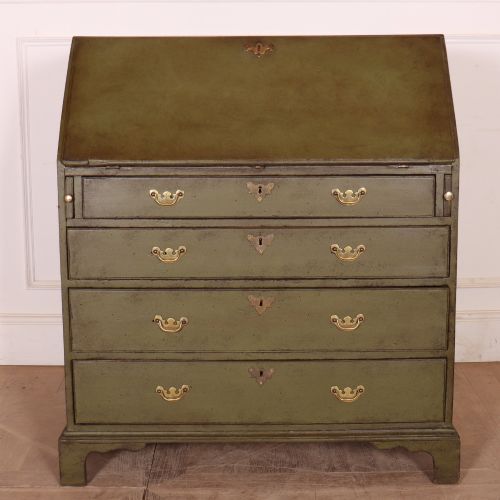

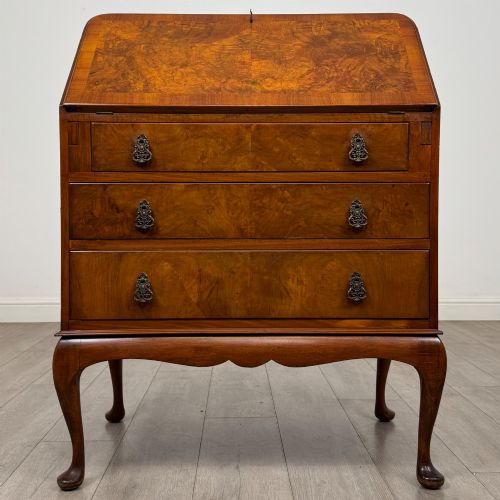
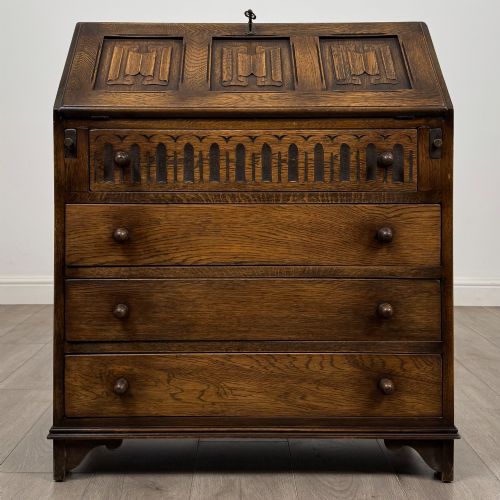
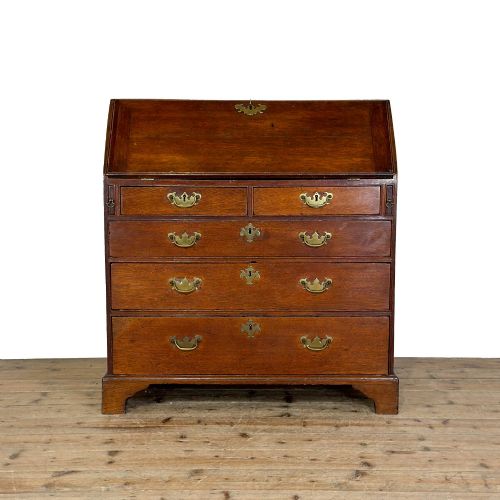
Vintage Writing Slope
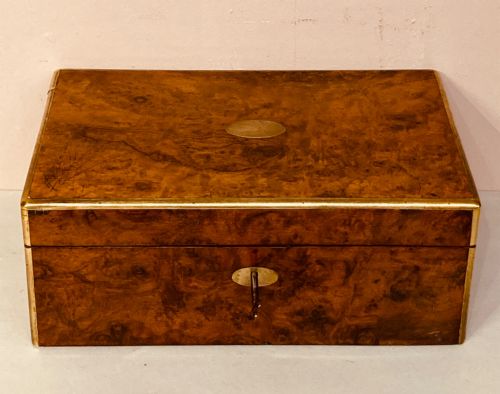
A vintage writing slope is a portable desk designed for travel or home correspondence, offering fitted compartments and a sloping writing surface that collectors prize for craftsmanship.
Vintage Writing Slope
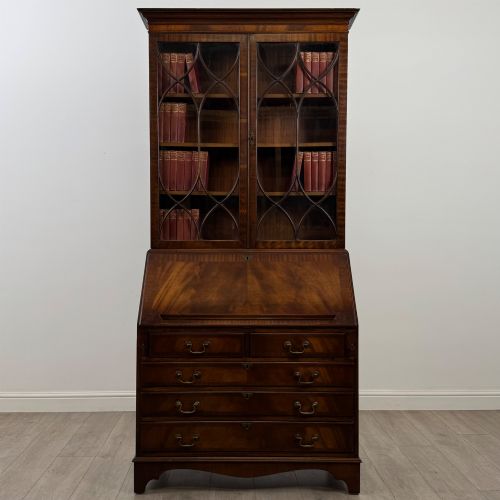
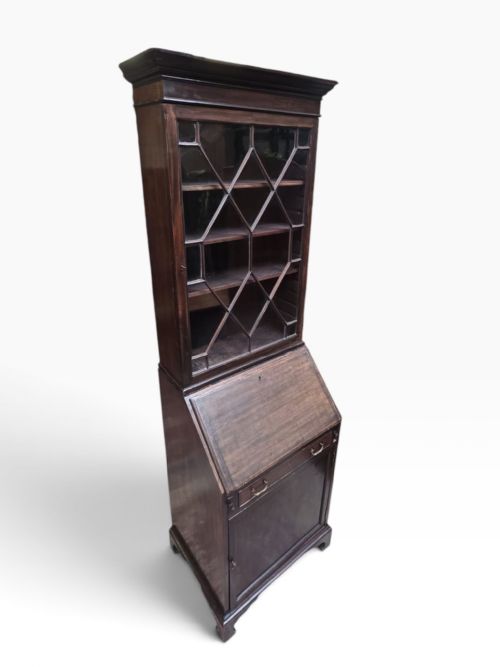
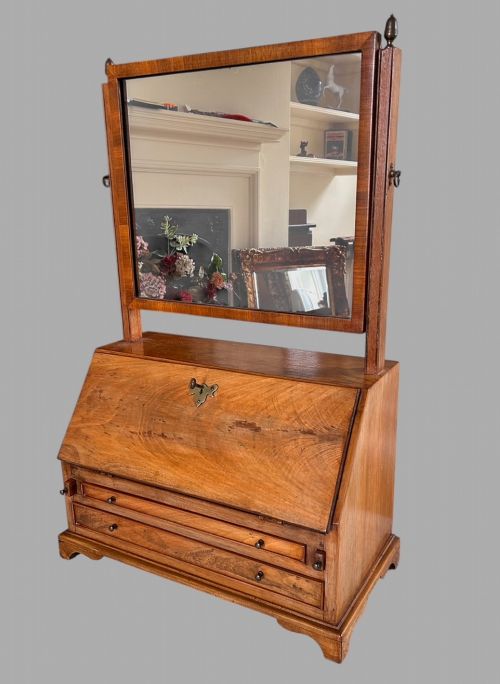
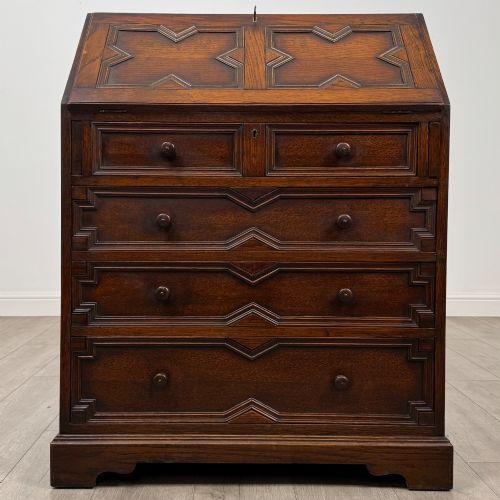
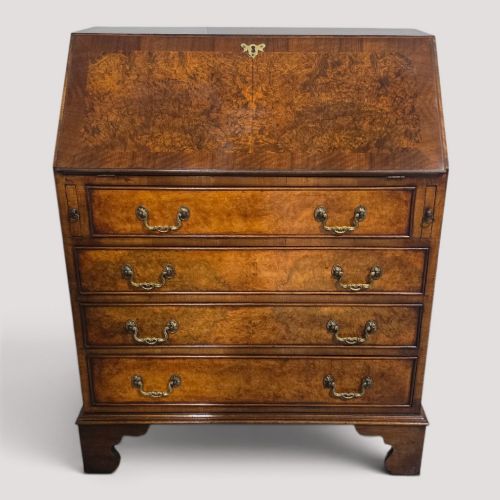
When you search for a vintage writing slope, you encounter portable boxes alongside stationary desks and larger bureaux spanning multiple centuries. The selection ranges from compact campaign boxes with brass bindings to larger Georgian and Victorian cabinet forms designed for home use.
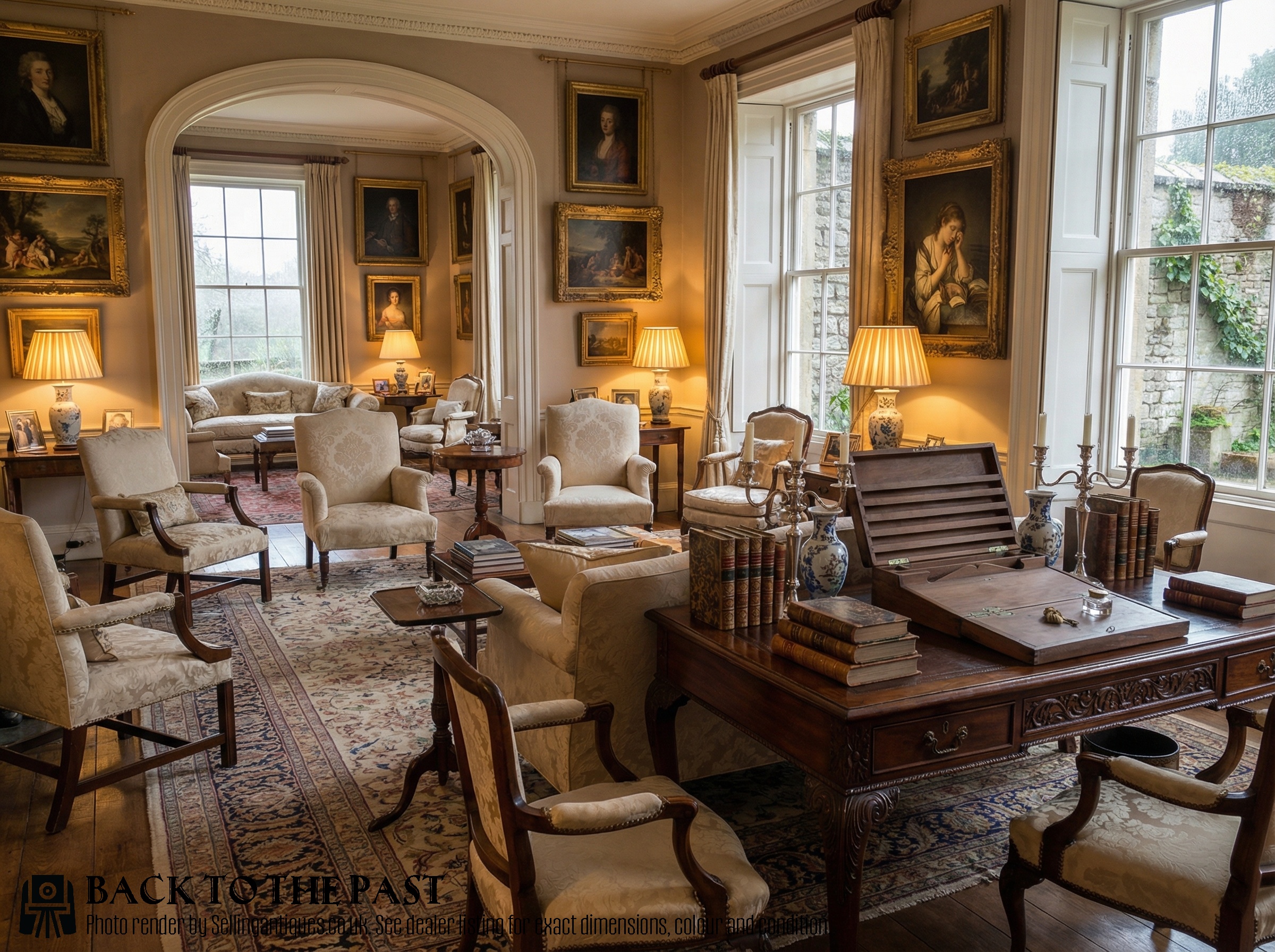
Materials and construction methods
Joiners and cabinetmakers utilised dense hardwoods such as mahogany, oak, and walnut, frequently enhancing surfaces with burr walnut veneers or satinwood inlays. Brass corners, hinges, and carrying handles reinforced campaign pieces intended for frequent travel.
Interiors often incorporate leather writing surfaces, glass inkwells, and small drawers constructed with traditional dovetail joints. Specialist details like mother-of-pearl and bone ornamentation appear on select 18th-century boxes.
Vintage Writing Slope Retail Price Guide 2026
Typical asking prices for vintage writing slope among the pieces listed under this phrase on Sellingantiques today, from the lower quarter to the upper quarter. They describe what is for sale here now, not the wider market.
Several boxes contain secret compartments designed to guard private correspondence from curious eyes.
Assessing quality and execution
The distinction between standard utility items and finer examples rests on the selection of timber and the precision of the cabinetwork. Figured grains like flame mahogany or burr walnut indicate superior material choice by the maker.
Heals of London·Stanley Webb Davies·Edward Todd and Co New York
The Vintage Writing Slope Glossary
- Writing Slope
- A portable desk featuring an inclined lid that opens to reveal a flat or angled surface for writing. These boxes often fold flat and contain internal storage for paper and ink.
- Campaign
- A descriptor for portable furniture made for military officers on campaign, typically fitted with brass corners and recessed carrying handles for durability during transport.
- Bureau
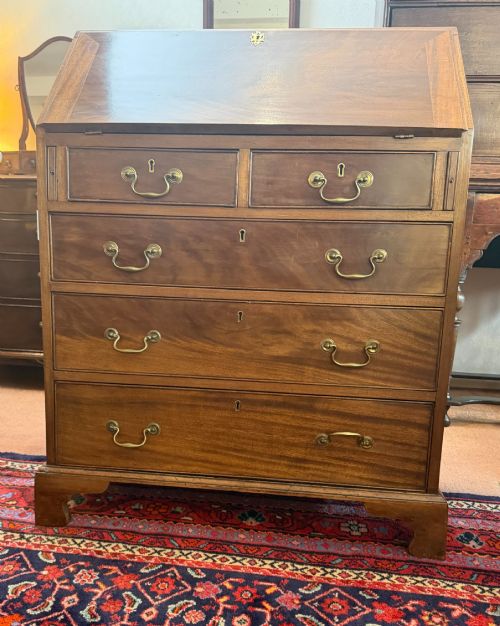
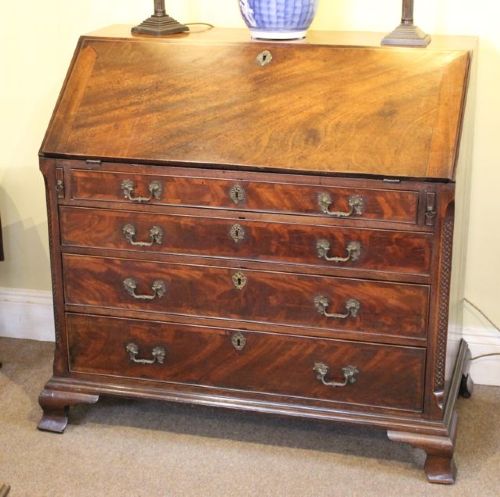
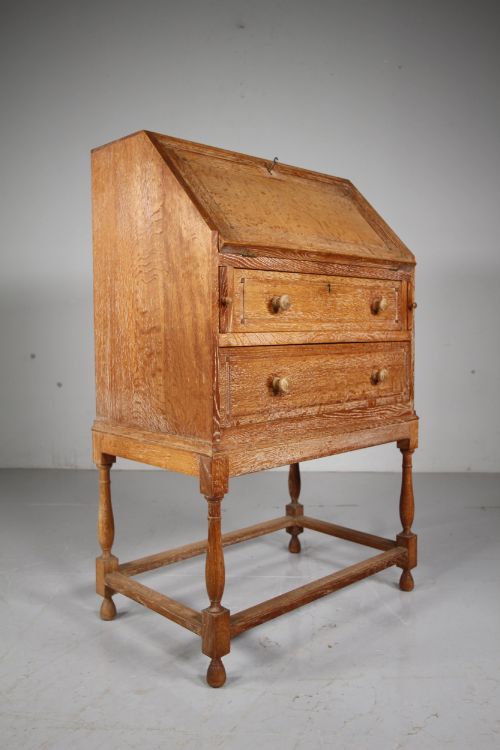
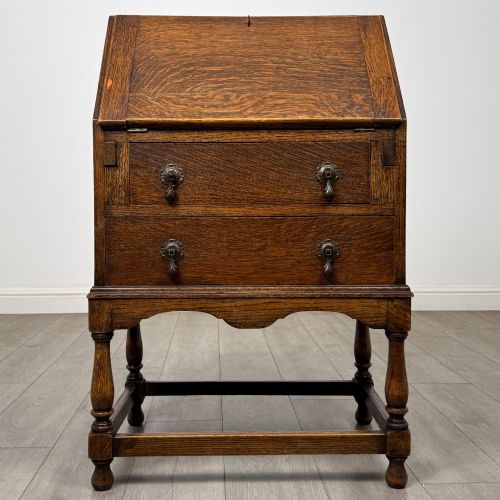
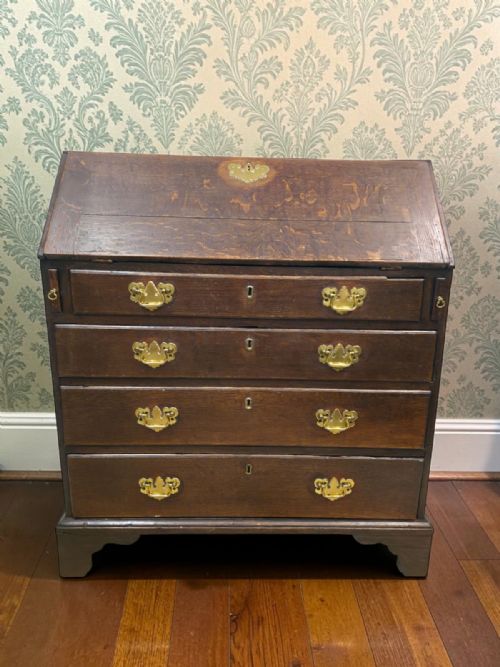
- A desk with a sloping fall-front lid that opens to form a writing surface above a series of drawers. Georgian and Edwardian versions appear frequently in oak and mahogany.
- Dovetail
- A traditional wood joint formed by interlocking wedge-shaped fingers, prized for its structural strength in drawer and box construction.
- Fall-Front
- A hinged writing flap that drops down into a horizontal position for use and lifts vertical to enclose the desk interior.
Vintage Writing Slope: Frequently Asked Questions
What is a writing slope?
A writing slope is a portable wooden box with an angled lid designed to hold writing materials and provide a slanted surface for letters. When opened, the sloping lid reveals compartments for paper, pens, and inkwells.
Historically used for travel and home correspondence, these pieces combine compact storage with a practical writing desk. Many feature leather inserts and secret drawers hidden beneath the stationery compartments.
How do I date a wooden bureau?
Dating a bureau involves examining the timber species, construction joints, and stylistic details such as handle brasses and leg forms. Georgian pieces often feature solid oak or mahogany with hand-cut dovetails, while Edwardian versions frequently utilise satinwood inlays or golden oak.
Makers' labels, secondary woods used in drawer linings, and specific revival styles like Jacobean or Queen Anne provide further clues to the decade of manufacture.
How were campaign boxes used?
Campaign boxes served military officers and travellers who required a portable workspace during transit. The brass corners and strapwork protected the timber from rough handling on journeys.
These pieces function today as versatile desktop accessories or decorative storage boxes for modern correspondence and small personal items.
Where should I place a desk box?
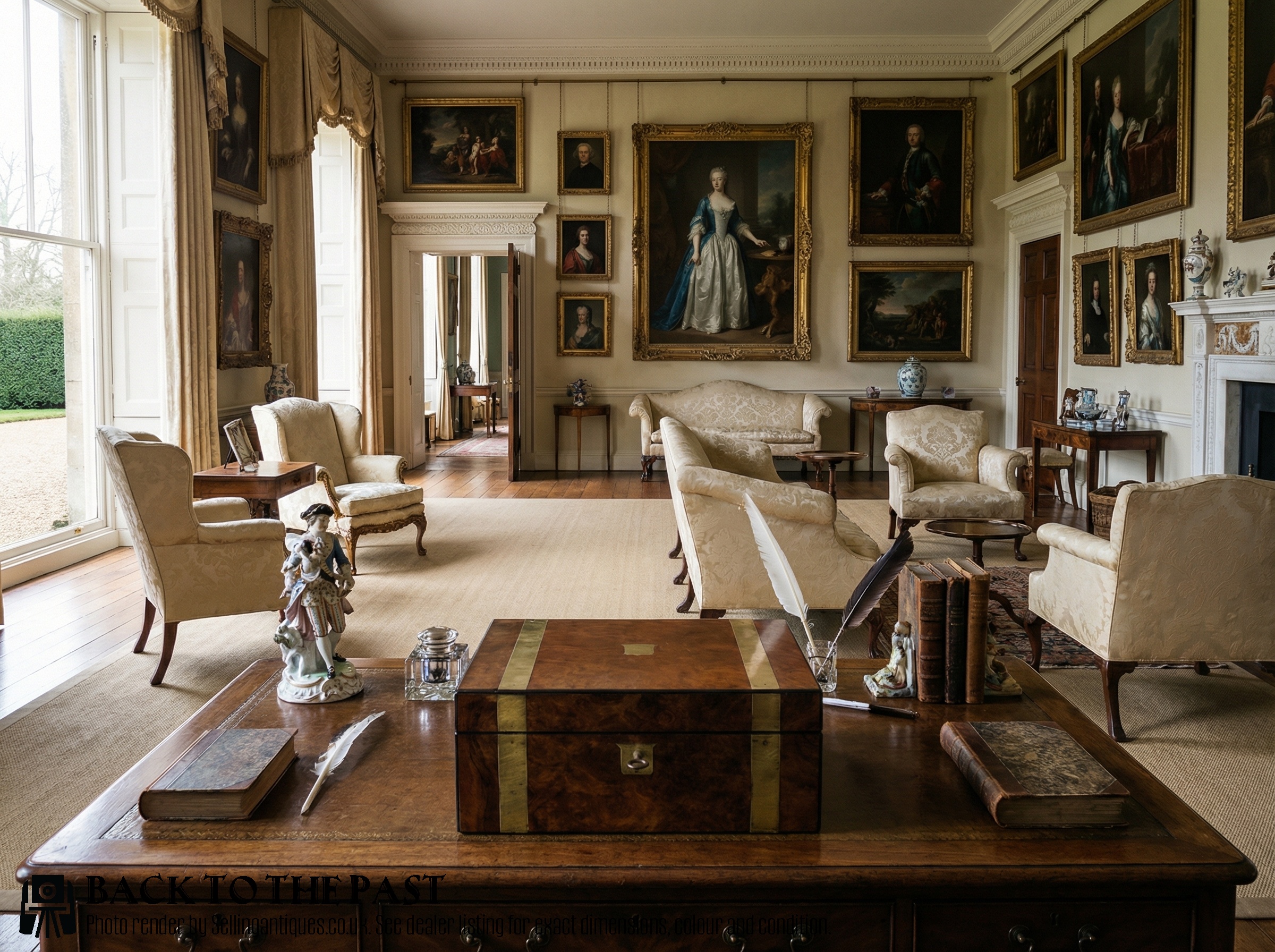
Desk boxes and table-top writing slopes sit well on larger tables, chests of drawers, or dedicated stands where their detailed woodwork remains visible. Their compact footprint allows them to function in studies, living rooms, or bedrooms.
Placing them out of direct sunlight and away from heat sources preserves the antique timber finishes and leather writing surfaces.